Spotify Xirp: The code can be right — and the decision wrong
Spotify’s Xirp proposes a shared organisational-memory layer around coding agents: the story around the code, not just the file in view.

A coding agent can inspect a file, produce a valid change and still miss the wider system. The unanswered questions are often organisational: who owns the upstream service, what depends on it and why a past decision was made.
That is the gap Spotify’s Xirp is designed to address. Its proposition is not another foundation model, but more of the context that makes a technically sound change operationally sound.
Code does not explain the organisation
The file tells us what is there; it rarely tells us who depends on it or why it exists.
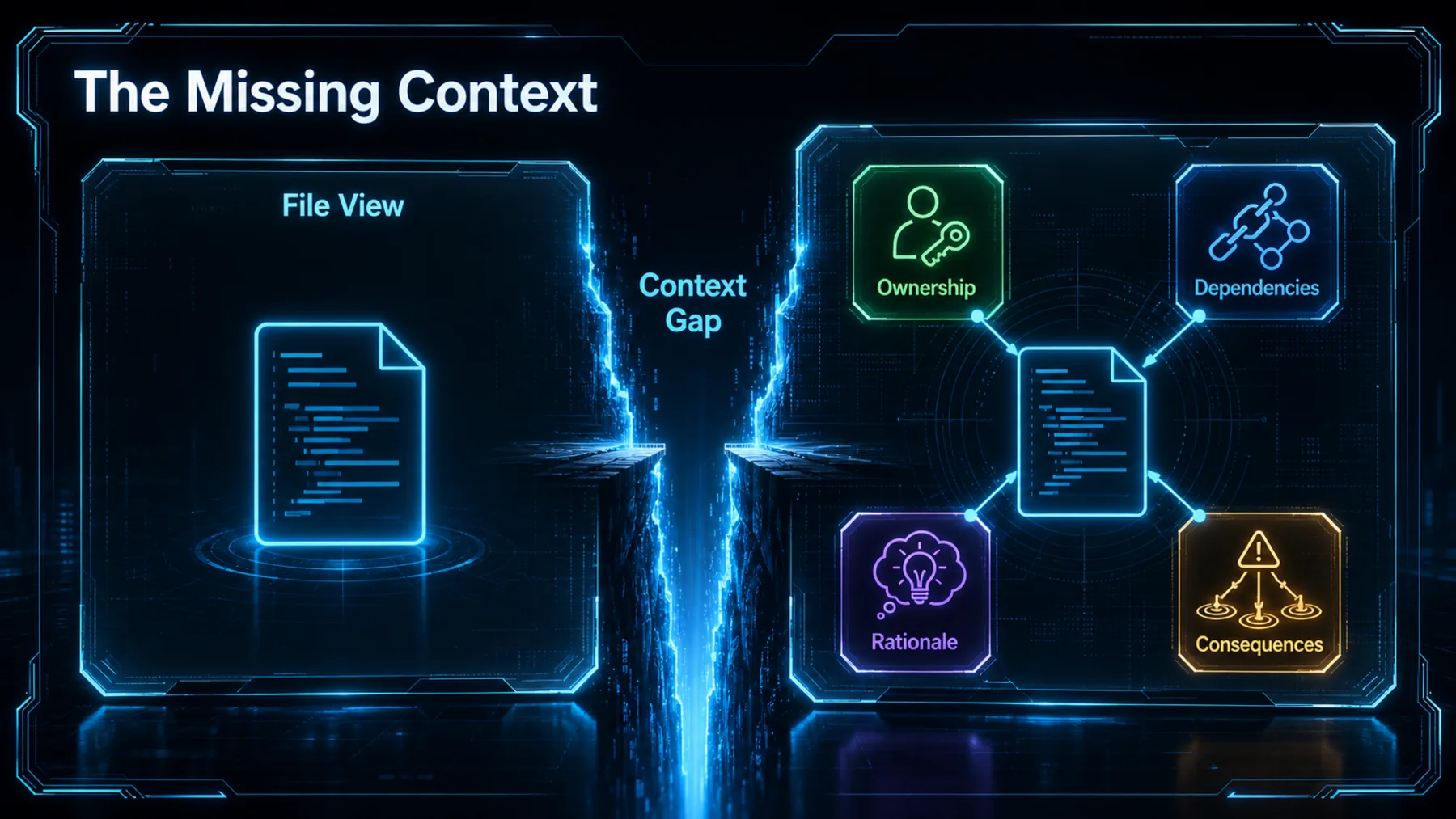
Spotify frames the problem plainly: other agents may see the file in front of us, while Xirp is intended to see the system around it. That distinction matters when a local change touches an upstream owner, a downstream dependency or a decision recorded elsewhere.
The page makes a product claim, not a measured outcome claim. Still, it identifies a practical weakness in repository-aware work: code can reveal implementation without carrying the institutional memory that explains its consequences.
What Xirp puts around the agent
Spotify Portal is presented as the shared layer linking services, ownership, documentation and decisions.

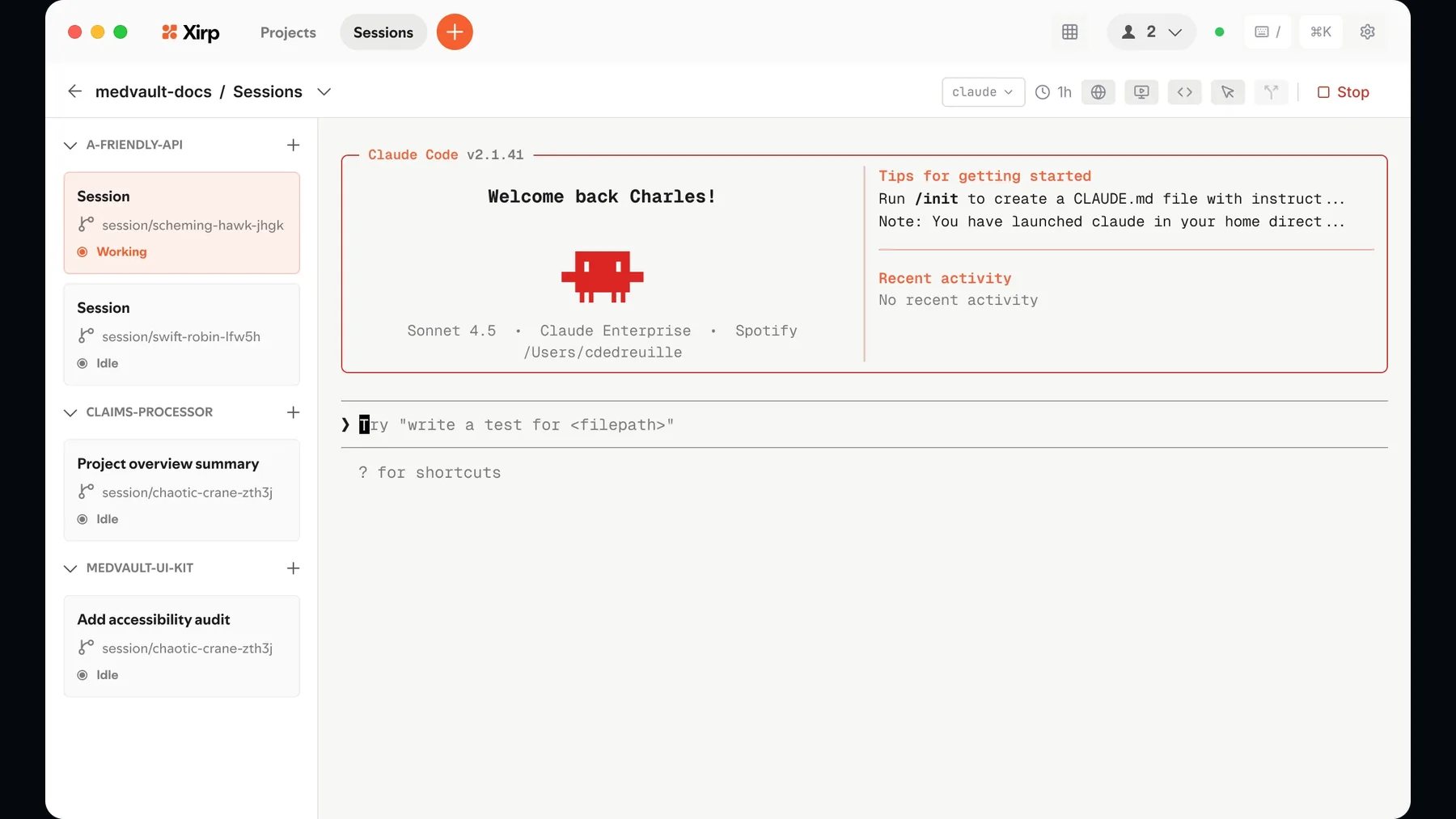
The useful part of the proposition is the map, not the menu. Xirp says it connects a coding session to services, ownership, docs and architectural decisions through Spotify Portal.
Its Workspace is described as a Spotify Portal plugin that keeps work items, sessions and documents together. That could make a team’s accumulated context easier to carry between pieces of work, but the official page does not provide independent evidence of how well it performs in practice.
Xirp’s institutional-memory claim
Spotify’s case is that a coding session should begin with more than the repository.
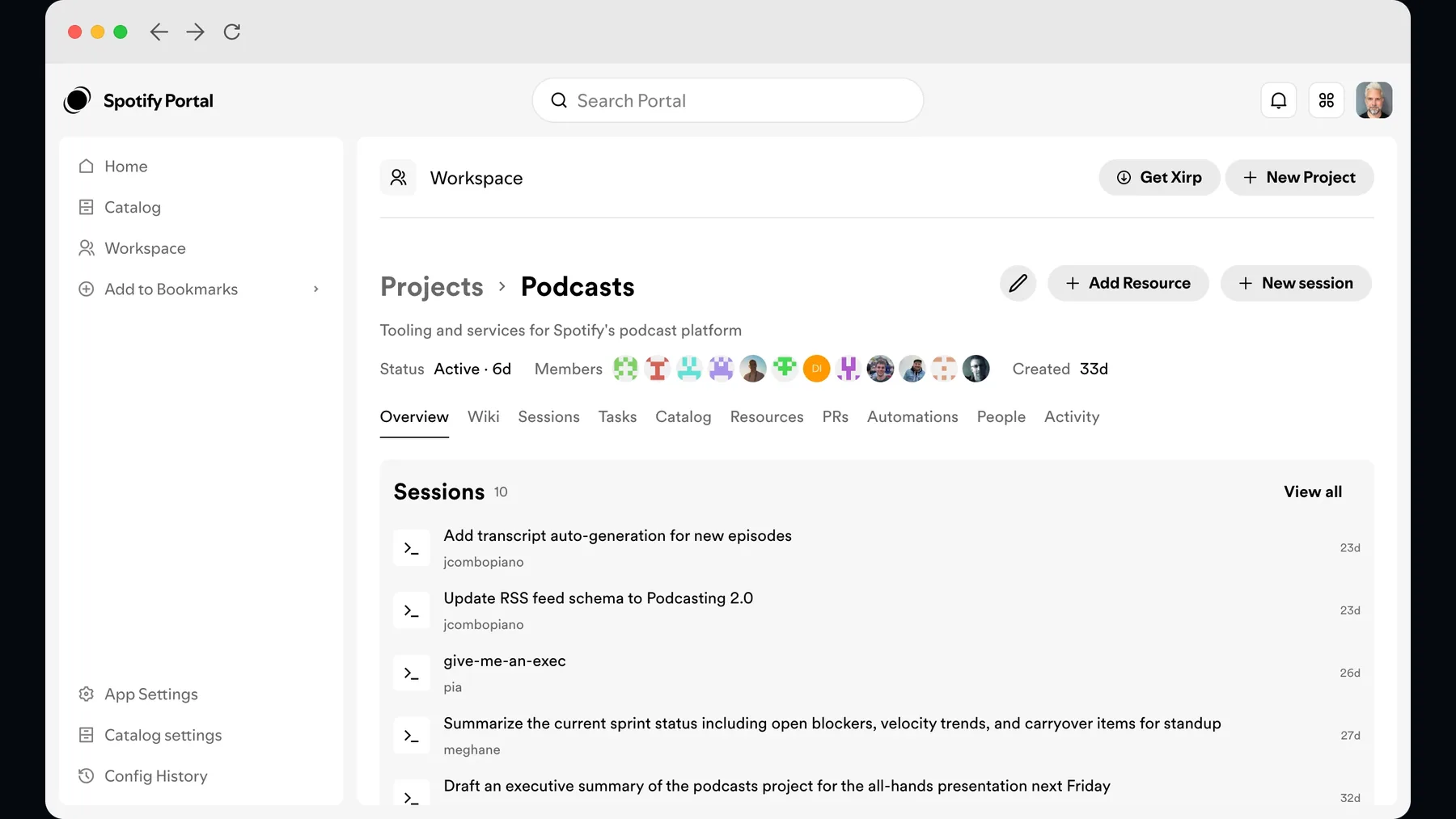
Xirp’s stated distinction is between seeing a file and seeing the system it belongs to: the ownership upstream, the dependencies downstream and the rationale behind the service. This is the heart of the product thesis.
It is a compelling direction because unfamiliar systems rarely fail us only at the syntax level. Yet it remains a supplier account of what Xirp can provide, rather than proof that it prevents the wrong decision.
Other agents see the file you're working in. Xirp sees the system it's part of.
Spotify’s Xirp official page
The models can change; the context stays
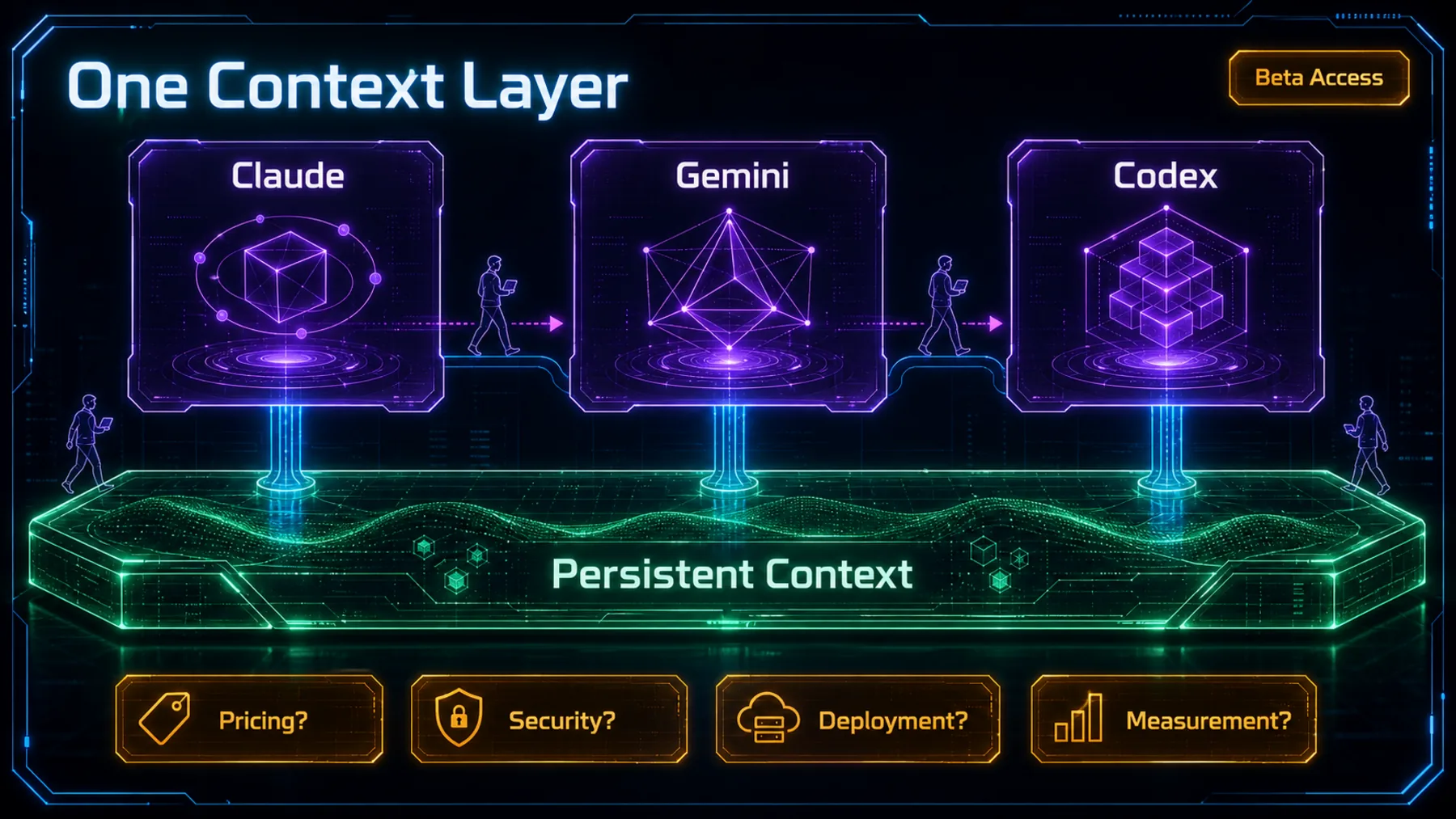
Xirp presents Claude, Gemini and Codex as model options around one shared context layer.
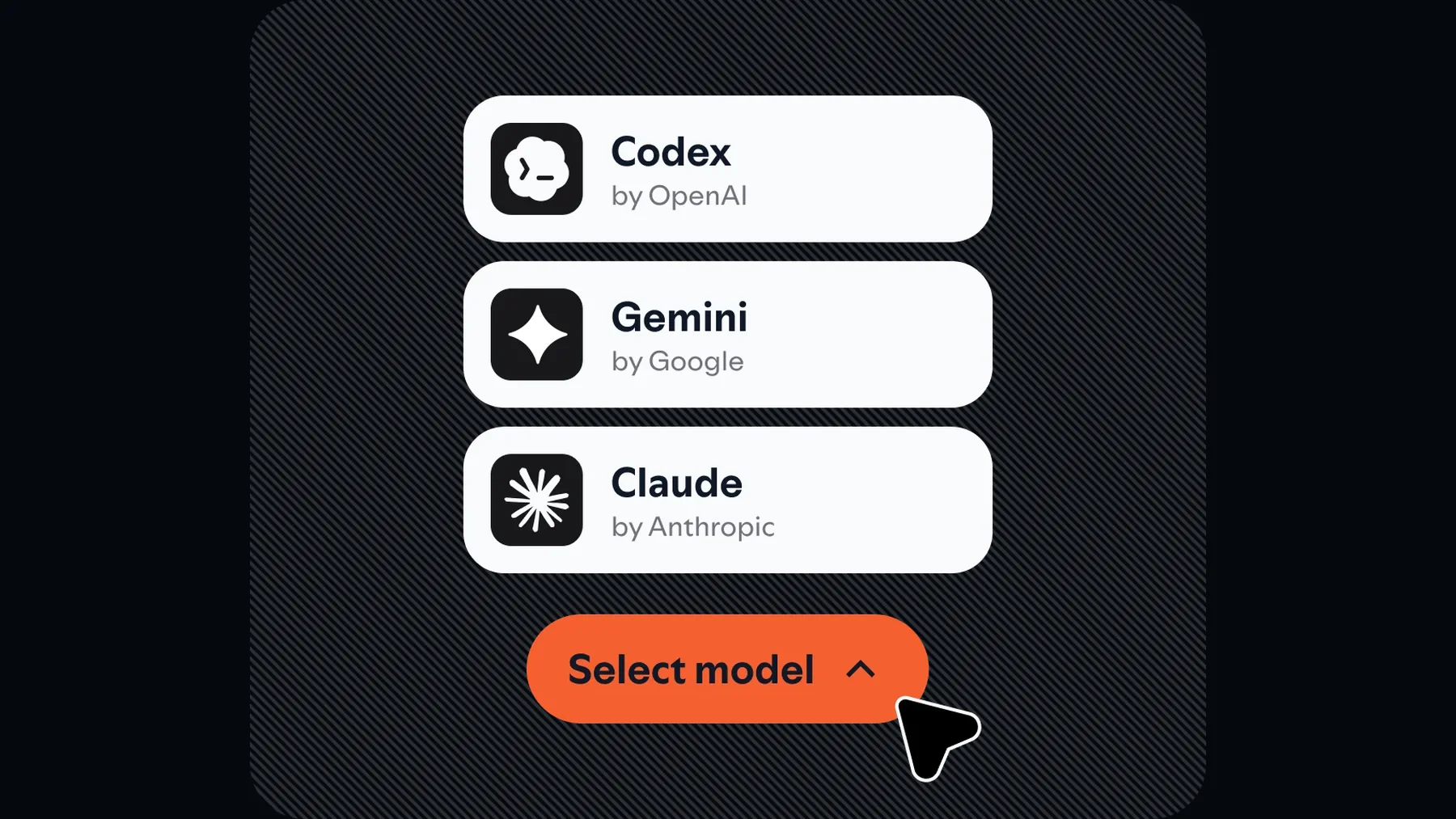
Spotify describes Xirp as a harness for the model we prefer, naming Claude, Gemini and Codex. The intended separation is clear: the model may change while the organisation’s service map, decisions and working knowledge remain available around it.
That is more interesting than a simple model-selector feature. If the context layer holds up, model choice becomes less likely to reset the conversation. The page, however, does not establish how consistently that context is carried or refreshed.
How the shared memory loop works
Context enters the session; session knowledge is intended to return through Workspace and documentation.
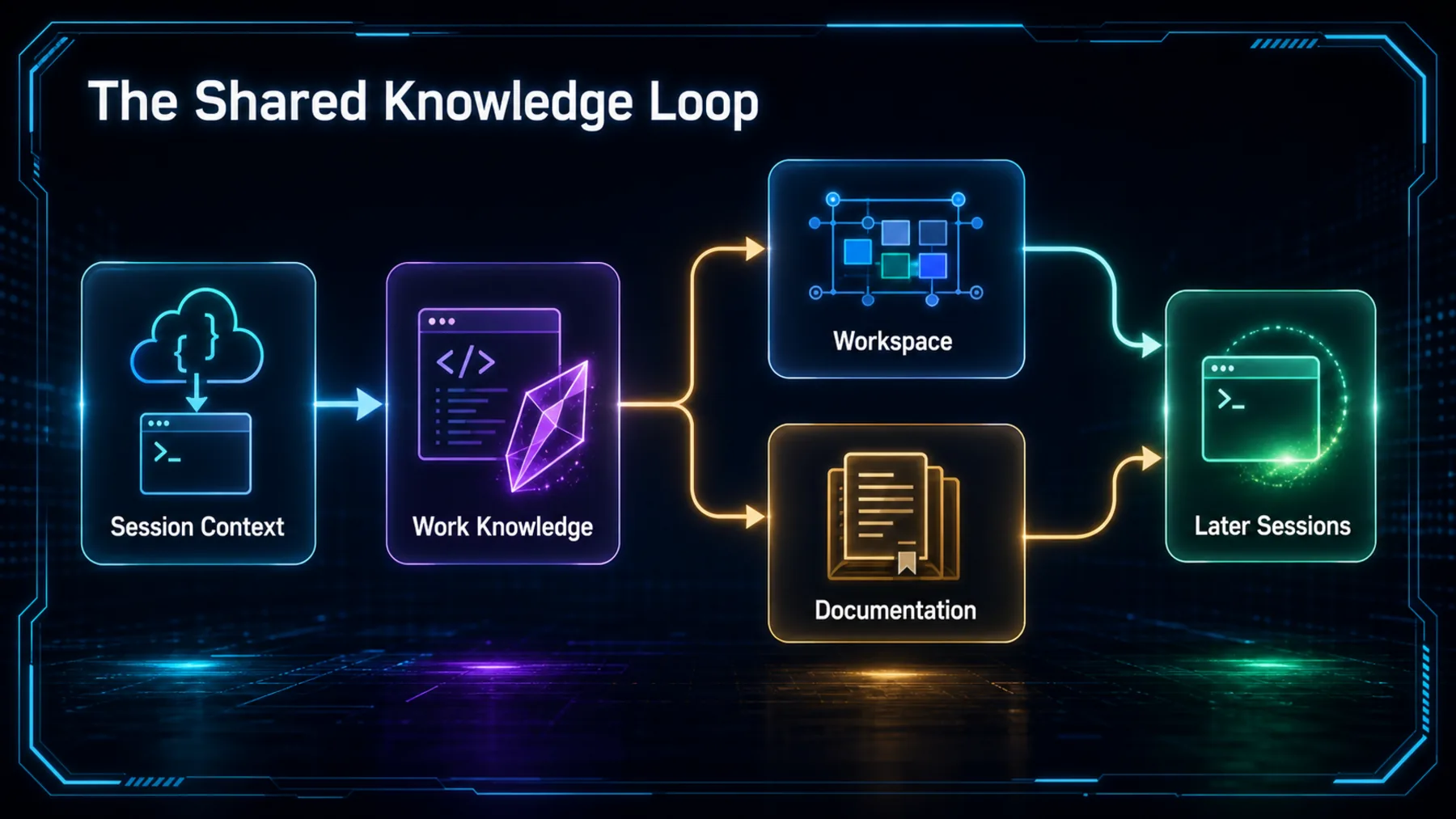
Spotify says every coding session generates knowledge, which Xirp captures and turns into documentation before feeding it back into future sessions. In the product’s own account, this creates a loop between the work in progress and the team’s shared record.
The important restraint is in the wording. The official page describes an intended design; it does not prove autonomous learning, guaranteed freshness or a measurable improvement from one session to the next.
What using it could change for us
A persistent context layer could make moving between coding models less like starting over.
Locate
Identify the service, owner and dependencies before changing code.
Work
Use the shared context alongside the chosen coding model.
Record
Return session knowledge to the workspace and documentation.
For us, the appeal is not that a model suddenly knows everything. It is that work on an unfamiliar service might begin with a clearer account of ownership, dependencies and prior decisions.
The catch arrives quickly. Xirp is currently offered through beta access, while price, general availability, security posture, deployment limits and measured outcomes are not stated on the official page.
Shared memory may outlast model choice
The strongest idea in Xirp is the attempt to make organisational context the durable layer.
The more durable advantage may not be which model writes the next line, but whether the organisation can carry forward the context that makes the line worth writing.
Altior synthesis, based on Spotify’s Xirp product-page claims
Spotify’s Xirp makes a narrow but valuable argument: a coding agent’s capability is constrained by the context it can reach. A model can be impressive in isolation and still be poorly placed to judge a change inside a living organisation.
That makes shared memory the real bet. The product’s value will depend less on the elegance of the claim than on whether teams can trust the context, govern it and see useful results from it over time.
Map the organisational context before the code change
Act as a staff engineer reviewing a proposed change to a payments service. Before suggesting code, produce: 1) the likely service owner, 2) upstream and downstream dependencies to check, 3) architectural decisions that could constrain the change, 4) documentation and work-item questions to resolve, and 5) a concise risk-ranked plan. State every assumption clearly.Ready to copy
Watch the context, not just the model
The beta is worth watching for evidence that the shared layer is useful, governable and durable across real engineering work.
Try the promptWhat could change the view
- Beta access Who can use Xirp, and under what conditions?
- Commercial terms Whether pricing and general availability are published.
- Security and deployment How organisational context is governed, deployed and protected.
- Measured outcomes Whether independent or detailed evidence shows practical improvement.