One prompt, a production tray
OpenRouter says Seedance 2.5 can combine image, video and audio references, then extend or revise a sequence.
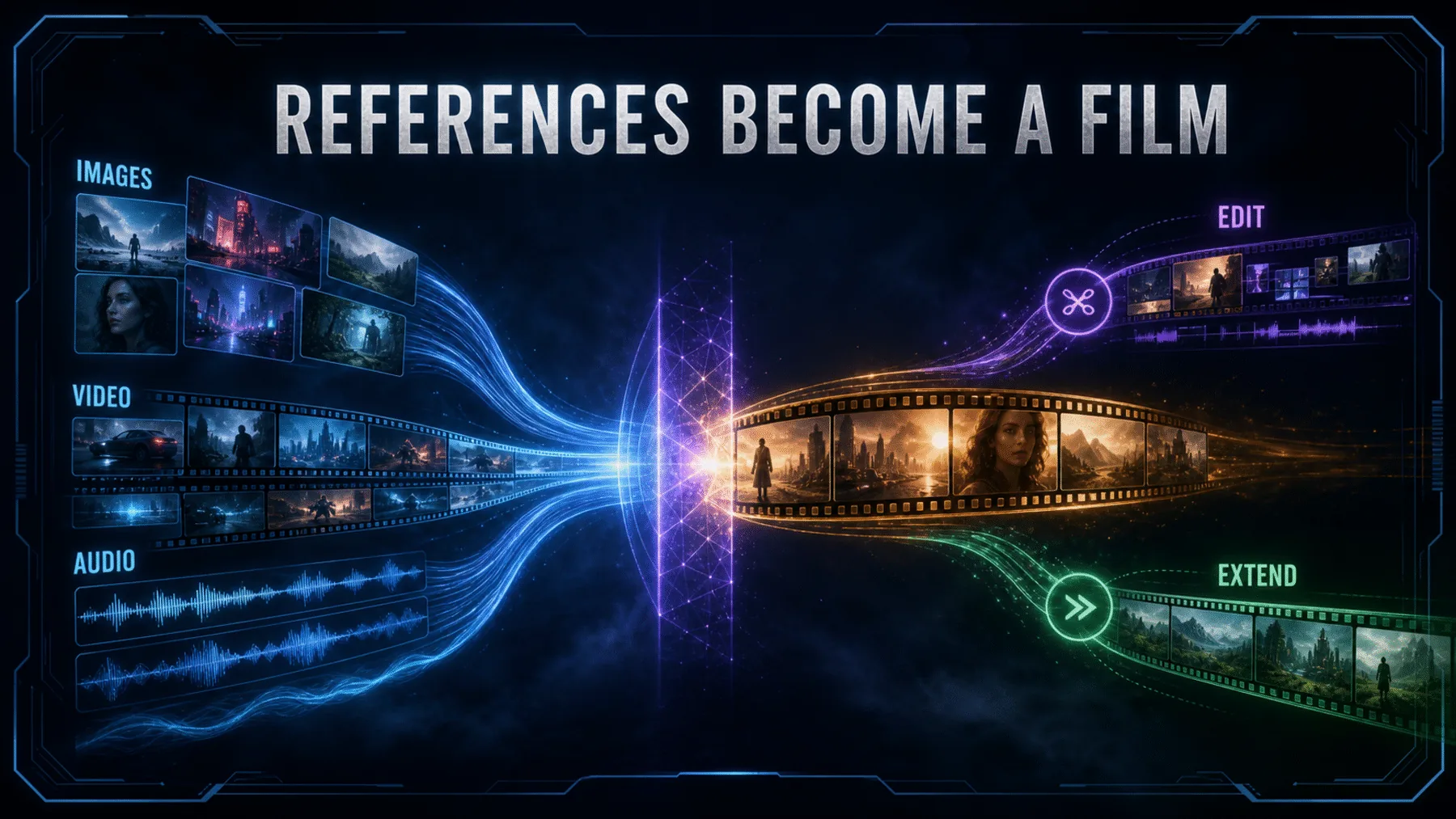
A character image, a fragment of existing footage and a piece of sound can now enter the same request. OpenRouter says Seedance 2.5 accepts a mixed reference set, produces up to 30 seconds in one pass, and can be extended across later rounds.
That makes the release interesting as an editing workflow. We can ask what should stay put, what should change, and where a sequence should continue, rather than treating every new prompt as a fresh start.
Continuity gets a place to live
A mixed tray of references gives a creator more to carry forward than a single prompt can hold.
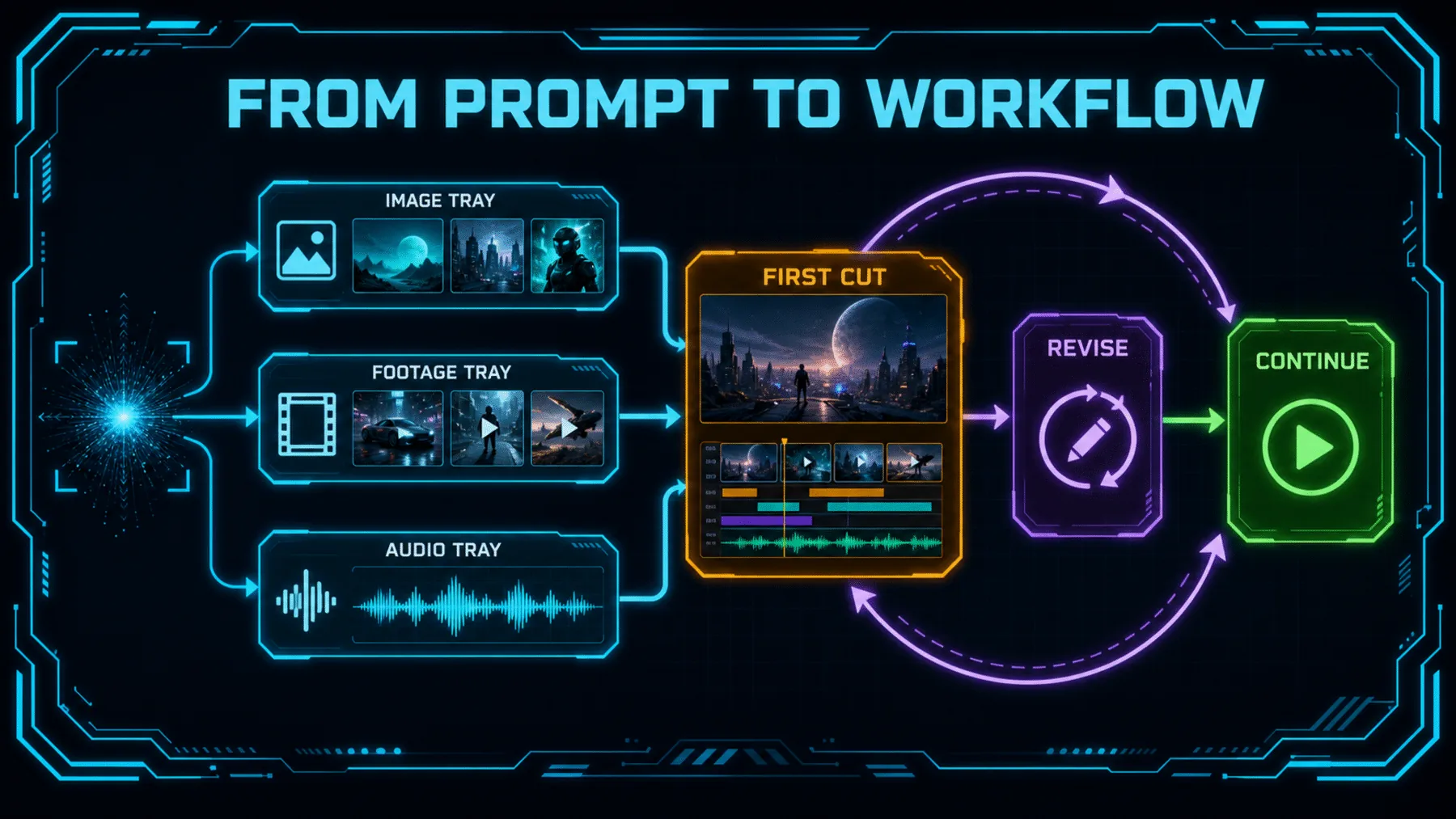
OpenRouter describes a request that can include up to 30 images, 10 video clips and 10 audio clips. In practice, that gives us room to bring visual cues, earlier material and sound direction into the same brief.
The promise is a better starting point for revision, not proof that every element will remain intact. Model and provider combinations vary, and the supplied evidence does not establish how well any particular route handles a complex mix.
Thirty seconds is a pass, not a finish
The duration claim, the extension claim and the reference limits each describe a different part of the job.
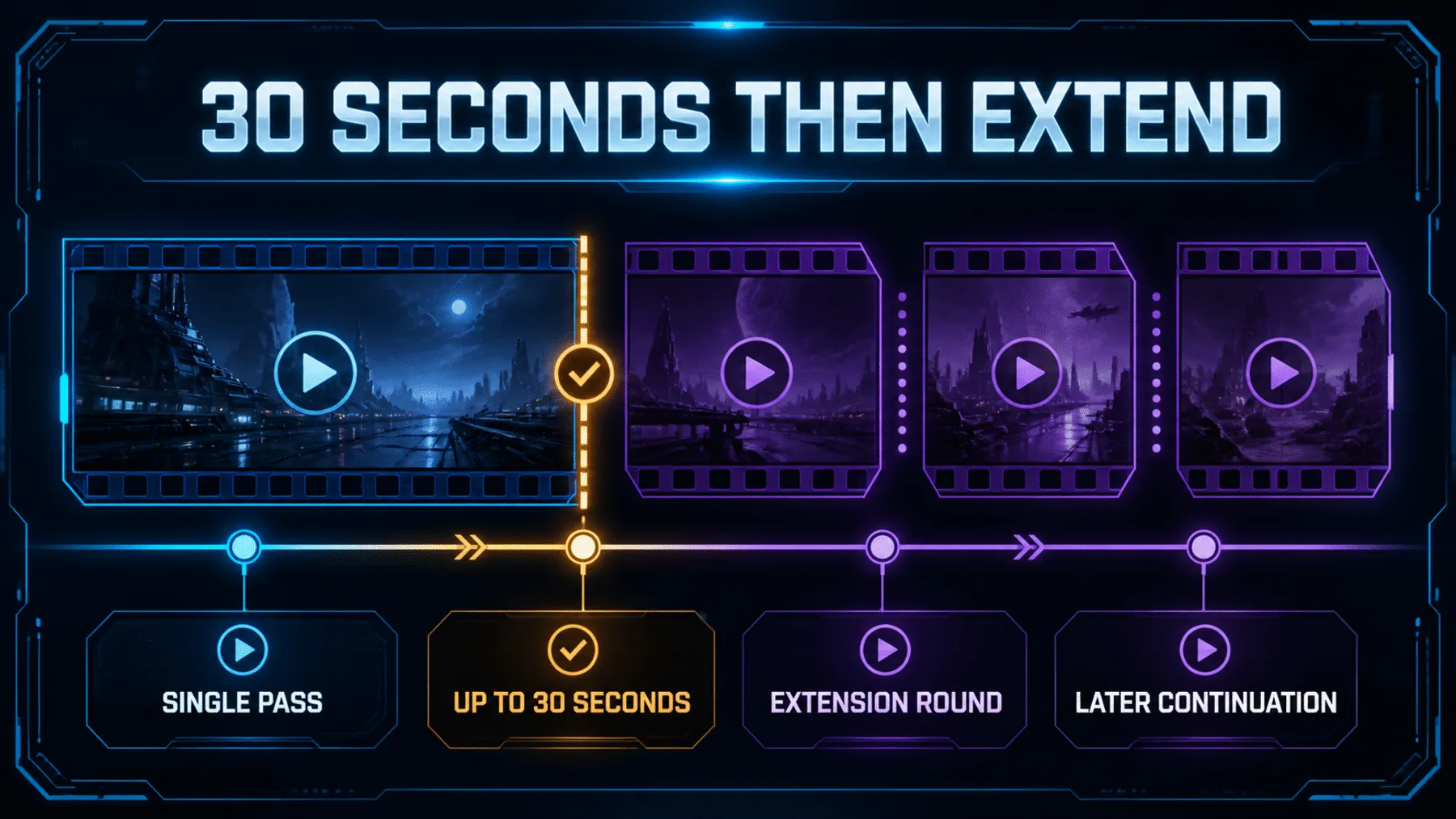
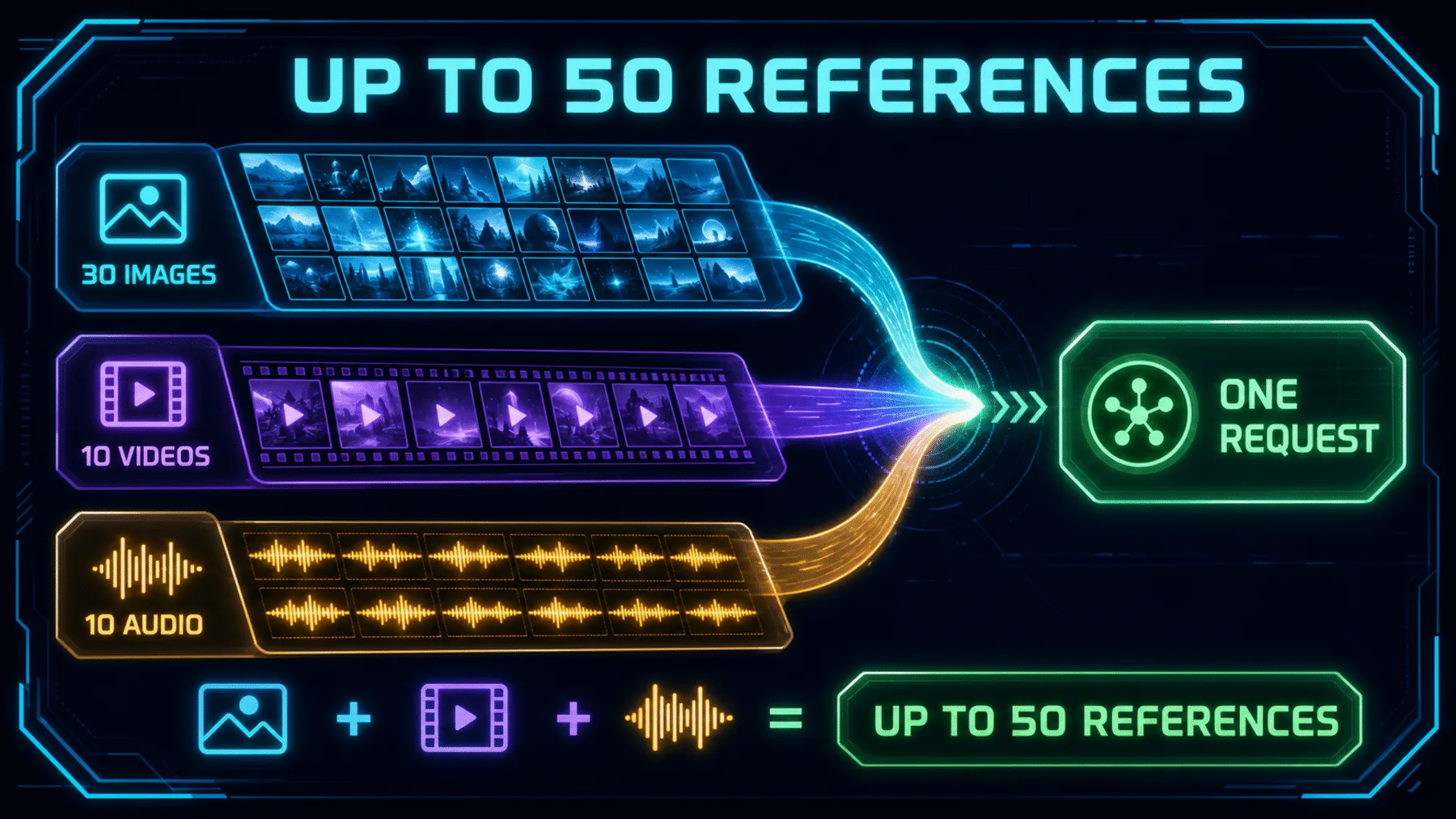
The numbers matter because they set the shape of the work. Thirty seconds is the stated ceiling for one generation pass; extension is a later action, not evidence of a finished long-form film arriving in one go.
The reference figures need the same care. Up to 50 is a total-reference statement. The 30-image, 10-video and 10-audio breakdown is the separate request composition OpenRouter published.
A price floor, captured in time
The displayed rate is useful for orientation, provided we keep its date and limits attached.
The observed floor was $0.1028 per second on 10 August 2026. It is a published starting point from OpenRouter’s model page, not a durable project-cost estimate.
That distinction is important once a sequence needs several attempts, extensions or revisions. The page does not turn a floor price into a promise about the final cost of a production.
Generate up to 30 seconds in one pass, then extend across multiple rounds, supporting up to 50 references.
OpenRouter
A launch image is not a quality test
OpenRouter’s published thumbnail establishes the announcement, while leaving performance claims where they belong.
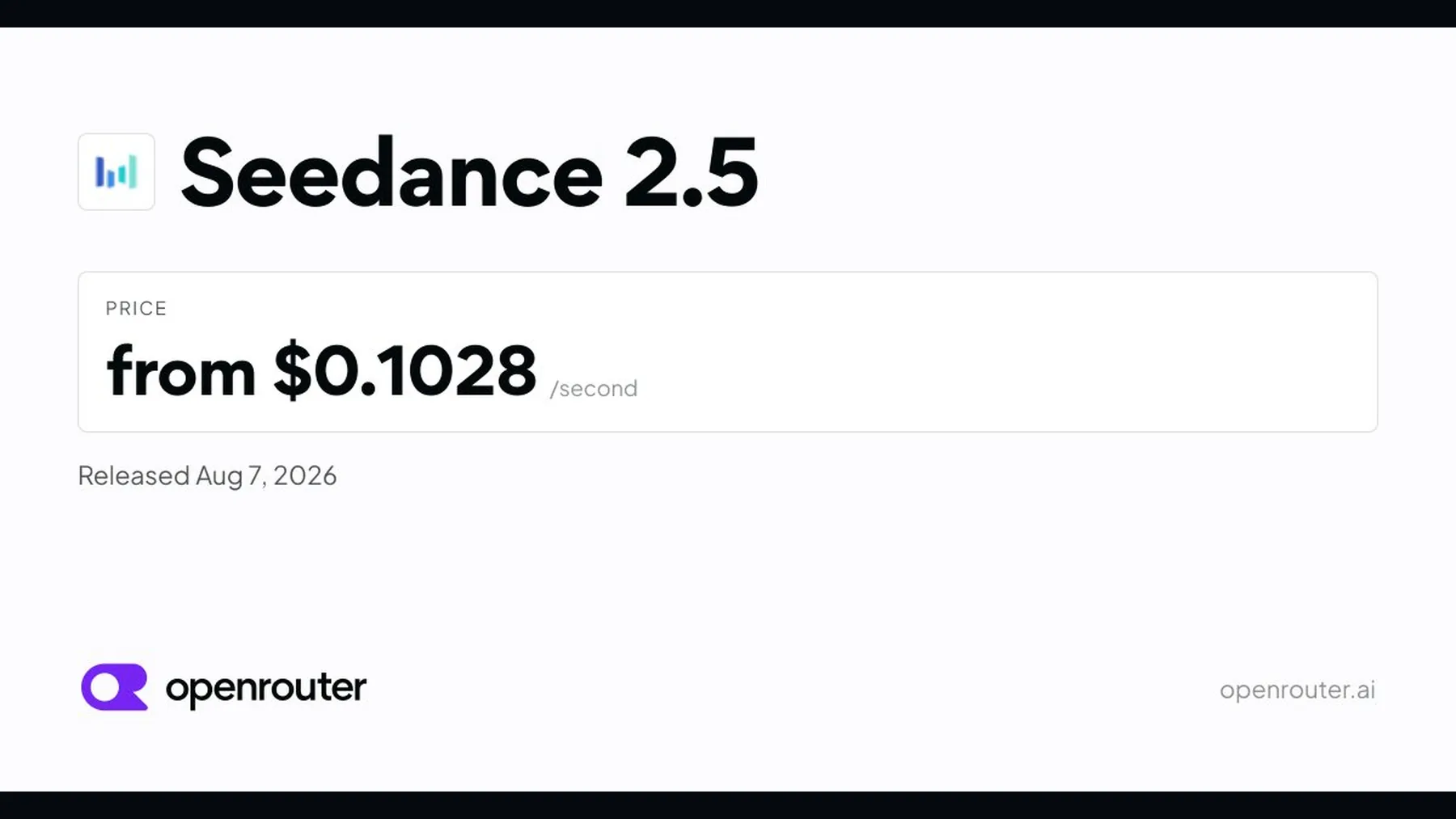
OpenRouter announced availability on 9 August 2026. Its model page lists 7 August as the release date and attributes Seedance 2.5 to ByteDance, while the launch thread names BytePlus.
Those differences do not change the central point: the available evidence comes from OpenRouter’s own publication surfaces. It supports the described features and release framing, but it is not an independent assessment of the results.
The request becomes a job
Video generation follows an asynchronous path: send it, track it, then collect the output.
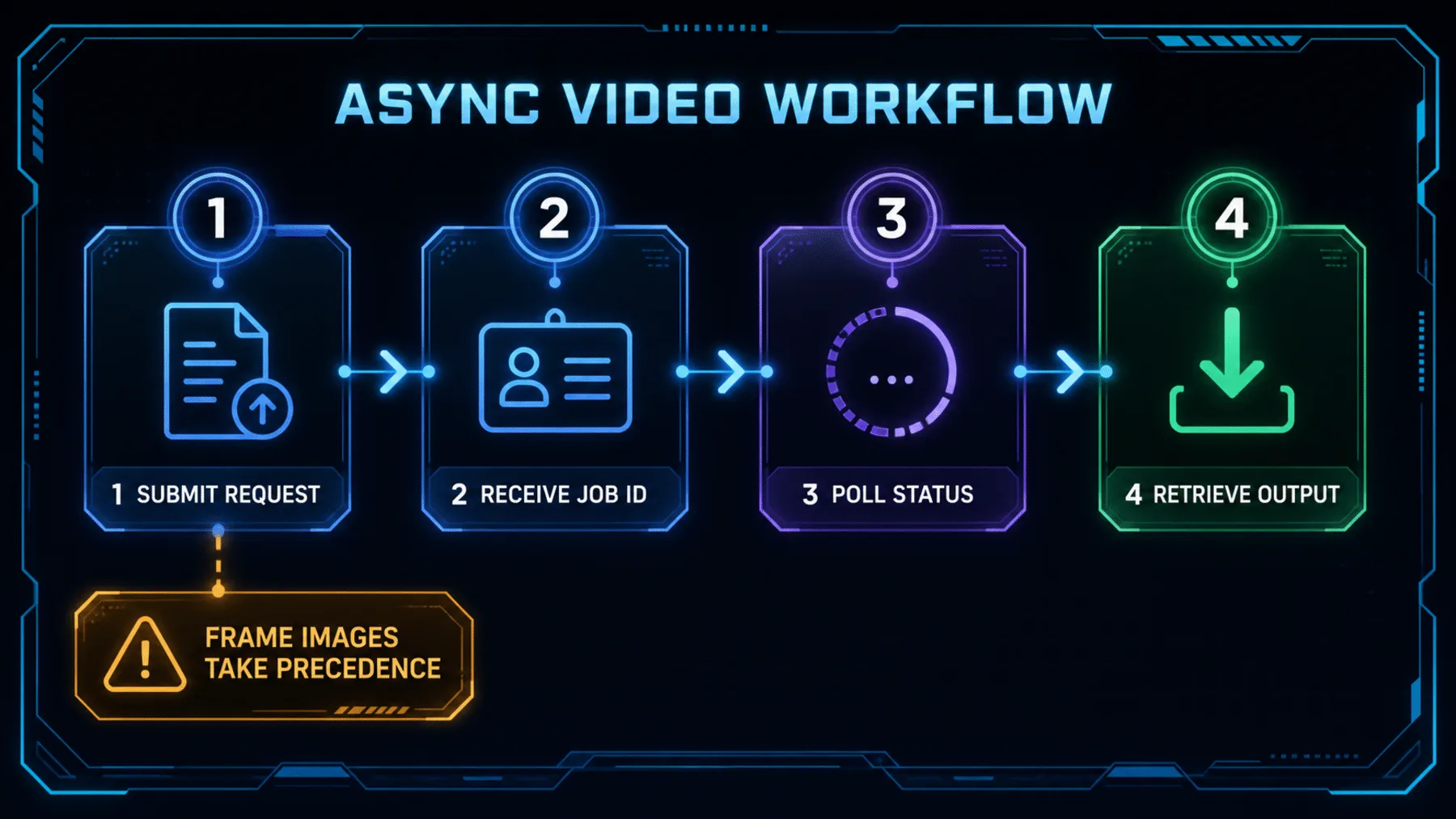
This is not an instant-response workflow. The request is submitted, a job ID comes back, progress is checked, and the result is retrieved when the job completes.
There is one small technical catch with a large creative consequence. OpenRouter says frame_images takes precedence when both frame_images and input_references are sent, treating the request as image-to-video. We need to decide which reference path is meant to lead before submitting the job.
Change one thing, keep the thread
The launch describes revision and extension as part of the sequence, not an afterthought.
Route
Capabilities and parameter combinations vary by model and provider.
Cost
The observed price floor may change and does not set a total project cost.
Retention
OpenRouter says video generation is not eligible for Zero Data Retention.
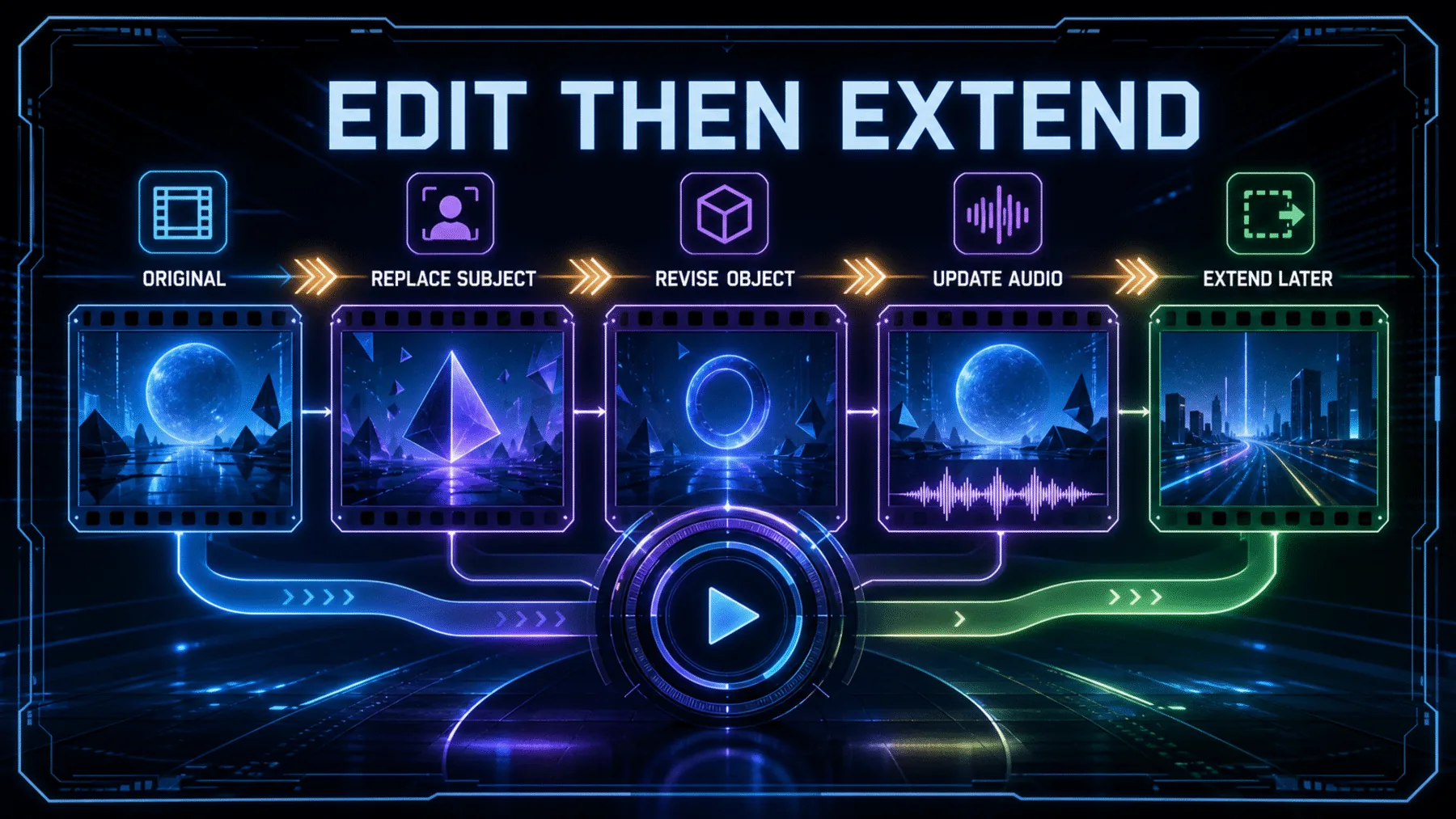
OpenRouter describes edits such as replacing a video subject and adding, deleting or modifying objects, visuals or audio. The useful creative question is whether a revision can preserve enough of the original intent to make the next pass worthwhile.
That remains a question to test in the route we choose. The launch material describes the editing controls; it does not certify a particular result, speed or degree of continuity.
Control is the claim worth testing
The meaningful promise is an iterative production process, not independently proven output quality.
The stronger case for Seedance 2.5 is not a better-looking clip in isolation. It is the chance to carry references, revisions and extensions through one production thread.
Based on OpenRouter’s launch announcement, model page and video-generation documentation.
For us, the first test is straightforward: can a mixed set of references make an edit round more directed than starting again? The answer will depend on the route, the material and the judgement we bring to the brief.
OpenRouter’s documentation gives the operating facts: an asynchronous job flow, a priority rule for frame images and a Zero Data Retention exclusion for video. Those constraints belong in the test alongside the creative promise.
Plan a reference-led video edit
Act as a video editor planning a 30-second sequence. Use the reference images, footage clips and audio supplied in this chat as the only source material. Preserve the named subject, colour treatment and audio mood; propose three shots, then revise one visual element and one audio element without changing the rest. Return a numbered shot list, an edit note for each shot, and a short list of any missing references.Ready to copy
Test control before scale
Use the published limits to frame a small reference-led edit, verify the route and price at the time of use, and treat quality claims as questions for our own evaluation.
Try the promptWhat could change the takeaway
- Route support
- Published price
- Job handling
- Retention terms