Sixteen days still needs proof
Qwen says its new model can sustain autonomous coding for days; the meaningful test is whether the work remains correct, controllable and useful.
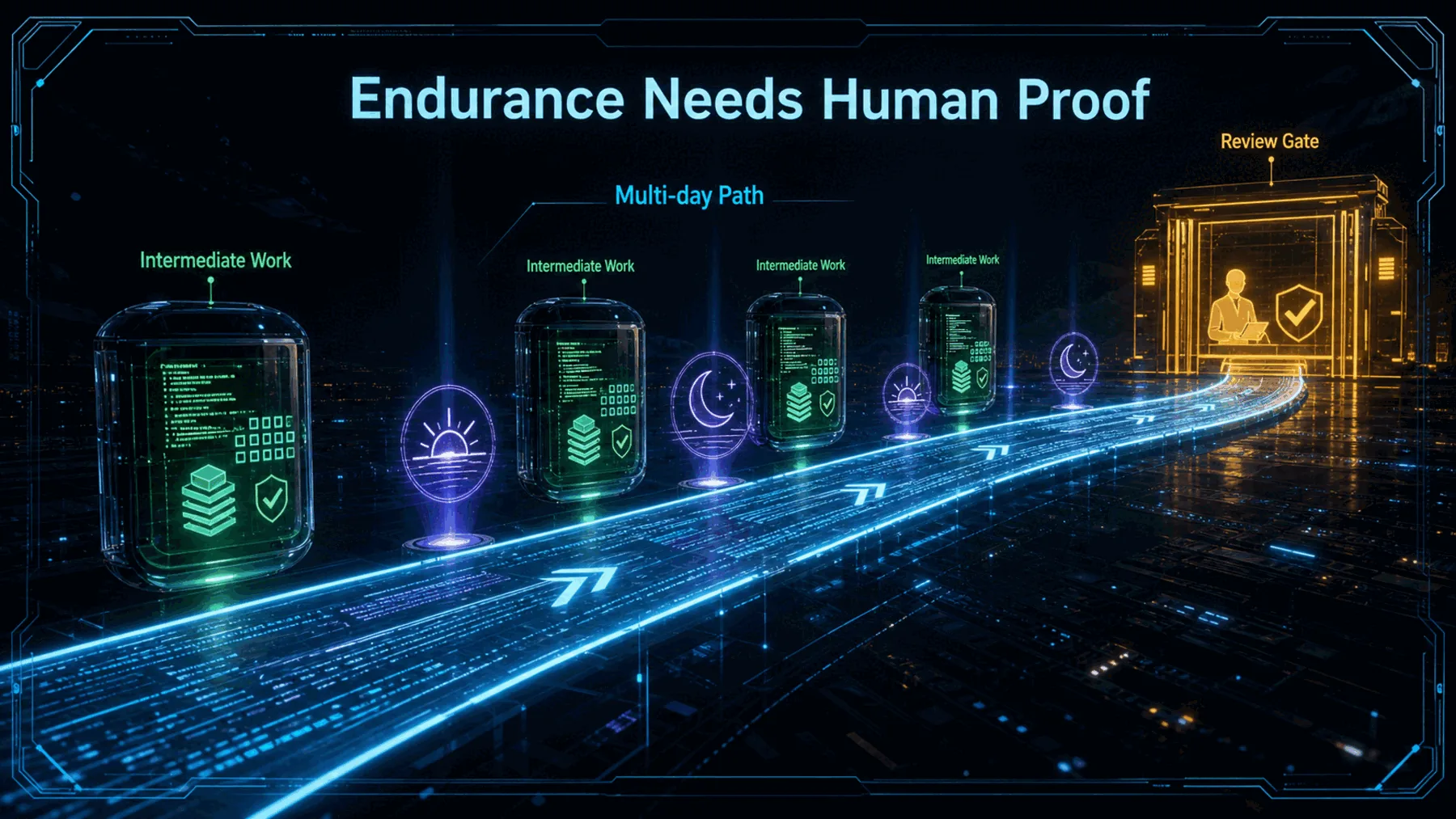
Qwen says Qwen3.8-Max is its most capable model to date, positioned for coding and “cowork” at 2.4T parameters. Its thread pairs that scale claim with autonomous coding for 10+ days and a separate post labelled “16 days autonomous coding.”
The proposition is not simply a faster answer. It is an AI that can keep moving through intermediate work over a larger goal. But staying active is not the same as delivering work we can trust.
Endurance is not trust
A long-running system earns confidence only if its work stays correct, controllable and worth reviewing.
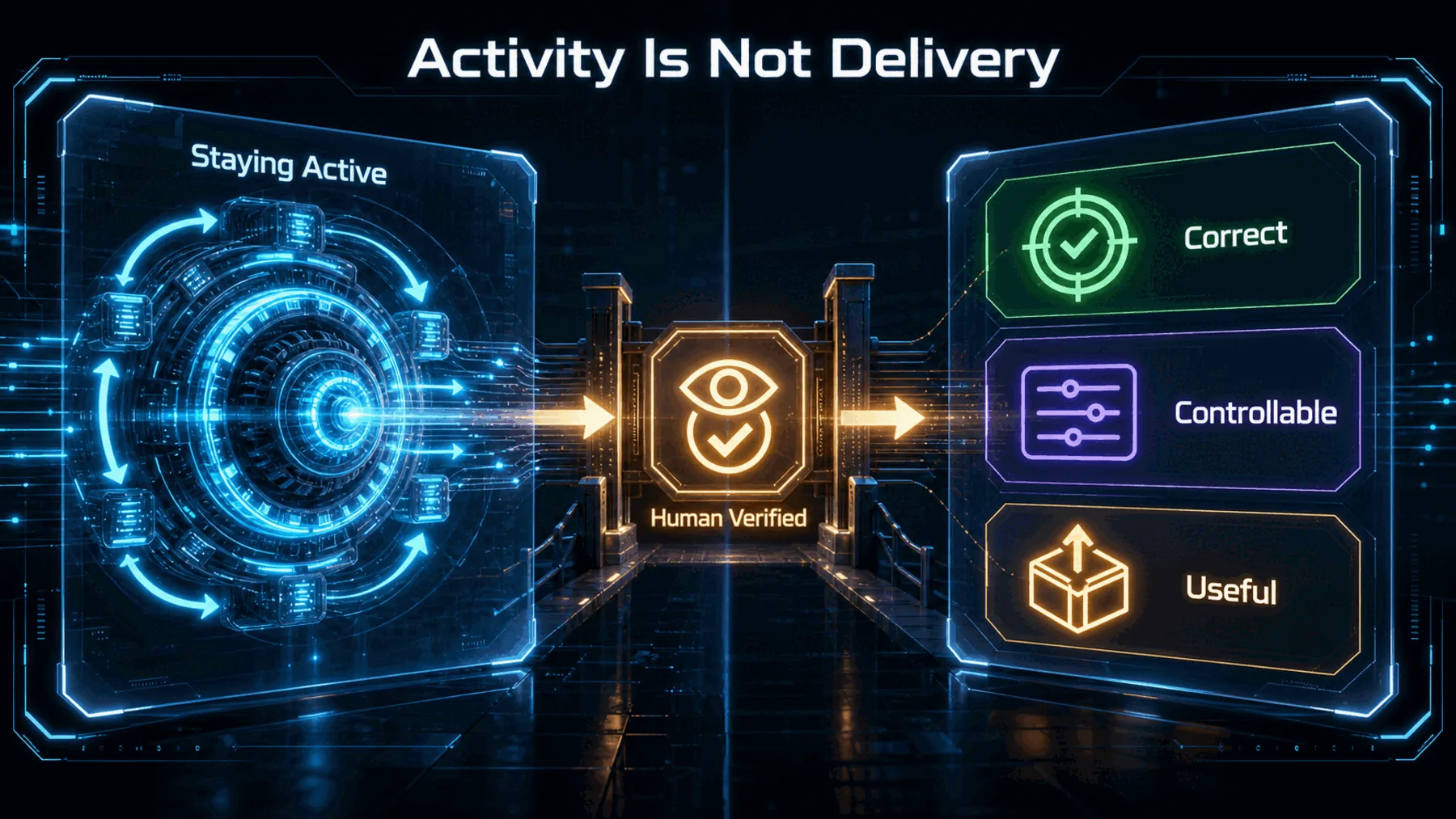
The claim matters because long, messy work is where short demonstrations stop being useful. Continuity could mean fewer restarts and more ambitious projects, provided the system can plan, use tools, recover from errors and surface work for review.
Qwen’s thread does not show an independent run record, methodology, hardware details, pricing or reliability evidence. The strongest reading is therefore narrow: Qwen has made an endurance claim, not settled the trust question.
Qwen’s claims, kept distinct
The thread names scale, a 10-plus-day claim, a separate 16-day label and a future open-weights promise.
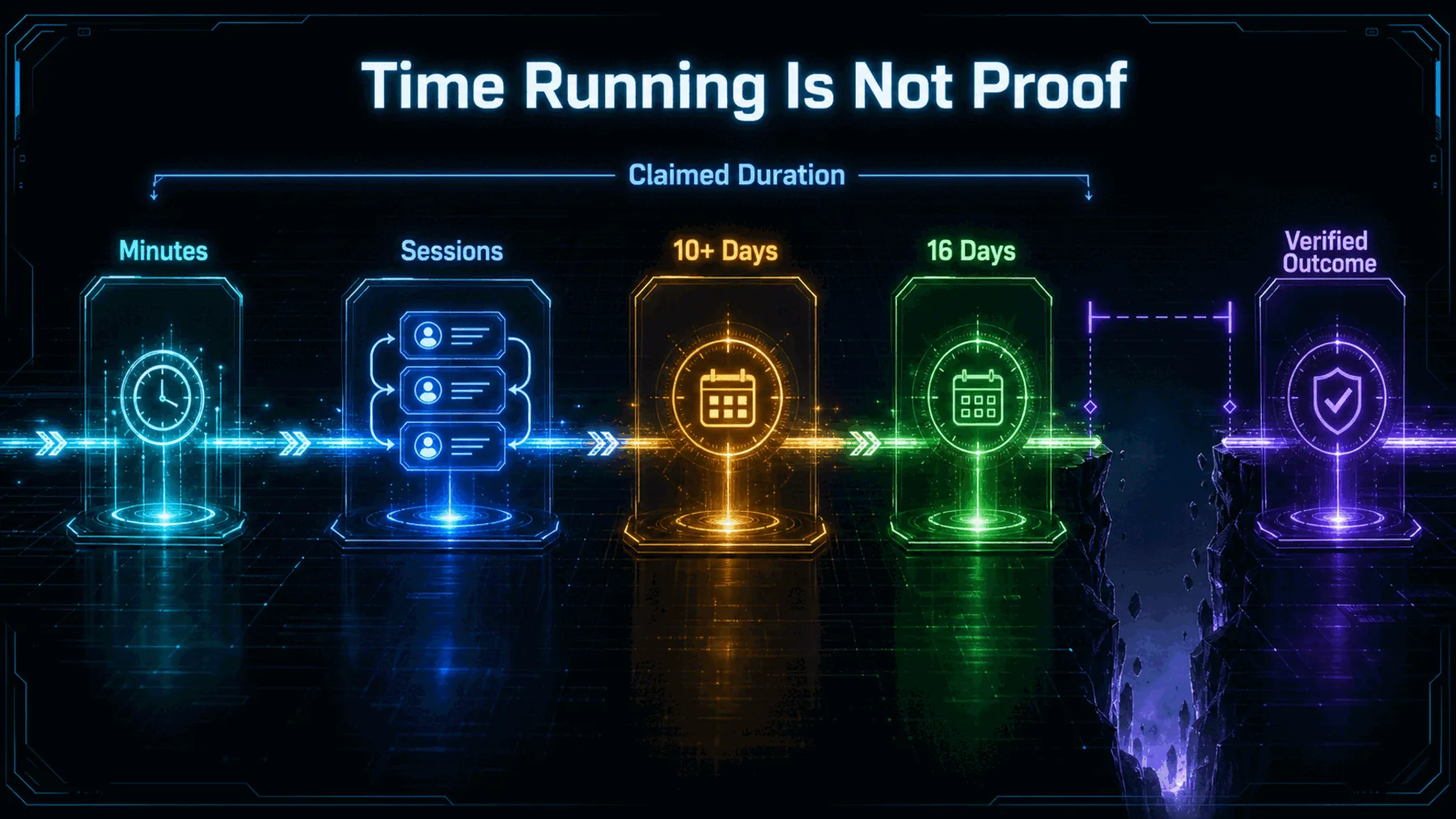
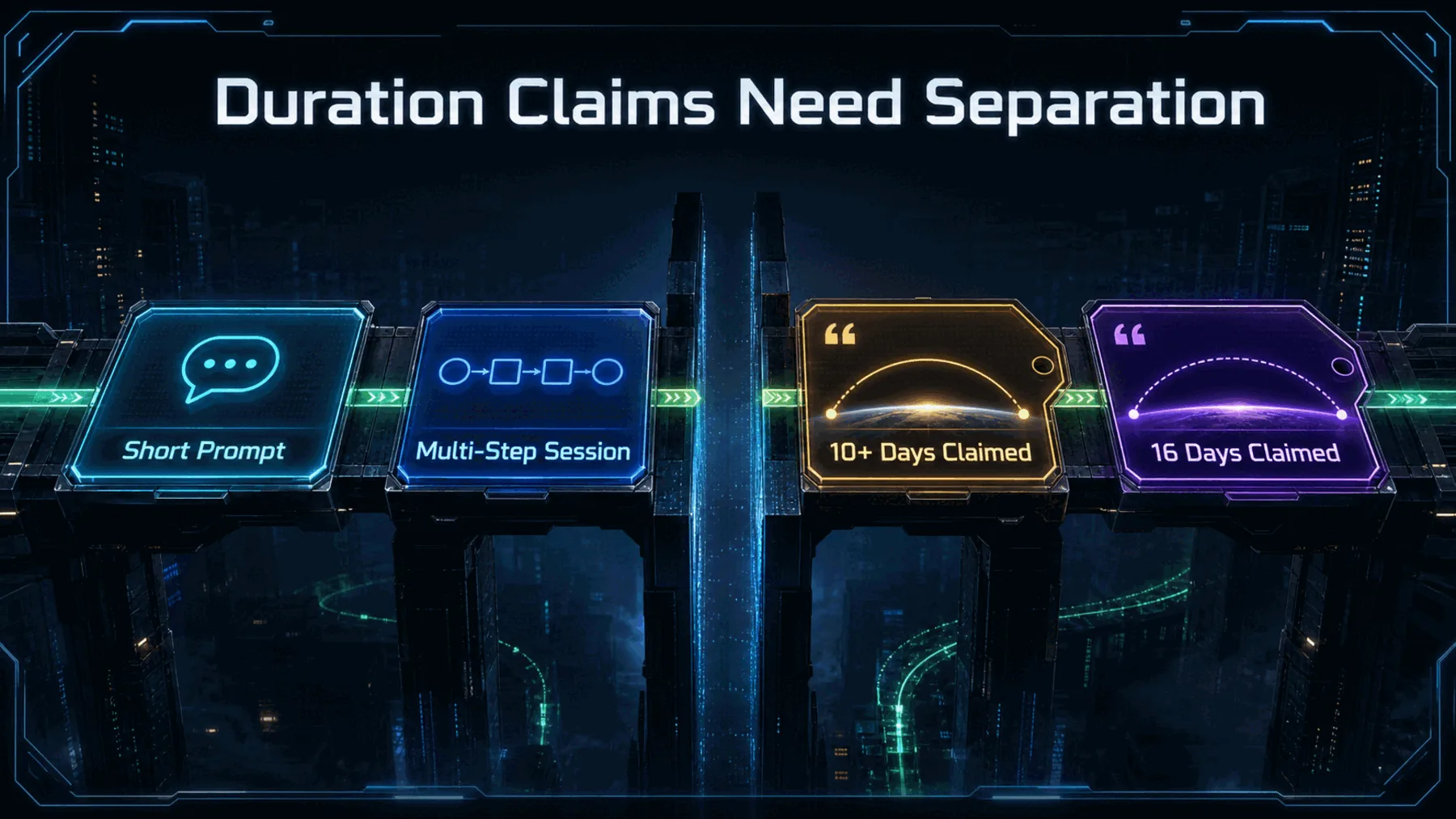
The 10+ day statement and the 16-day label are related, but they are not interchangeable evidence. Qwen presented both in its 3 August 2026 thread; the source pack does not establish how the runs were configured, evaluated or reproduced.
Qwen also said the open weights of Qwen3.8-Max and Qwen3.8-27B would arrive “next week”. That is a time-bound promise, not evidence that either set of weights is currently available.
What Qwen says directly
The source establishes the announcement and its wording; it does not independently validate the underlying claims.
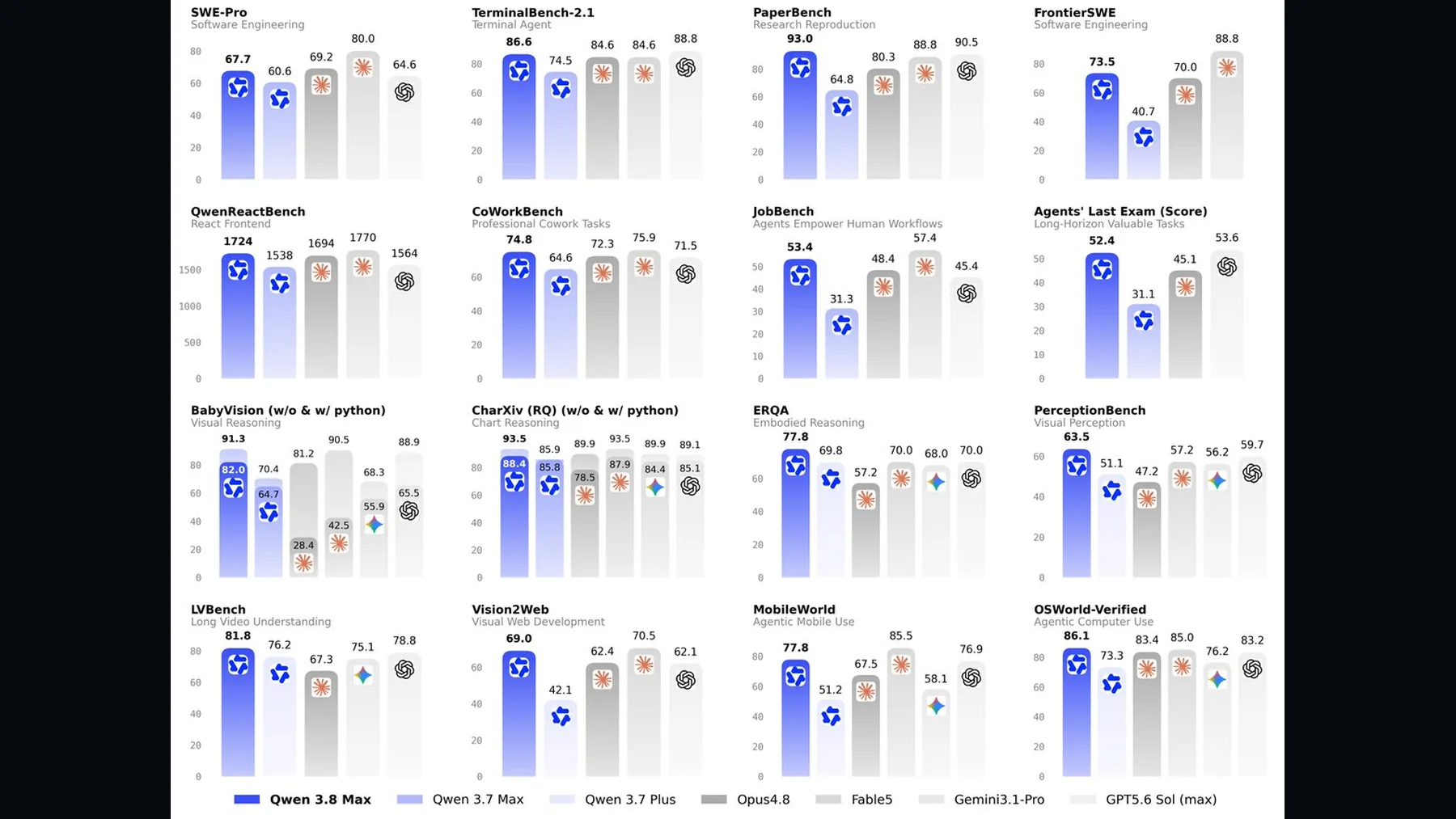
Qwen calls Qwen3.8-Max “our most capable model to date” and describes it as “a new bar for coding and cowork at 2.4T parameters.” Those are useful statements of the company’s intended position.
They do not establish benchmark leadership, dependable autonomy or commercial usefulness. The publication tells us what Qwen is asking the market to consider; verification still sits outside the thread.
“Next week, the open weights of Qwen3.8-Max will be released, and Qwen3.8-27B is also going open-weights to meet you all!”
Qwen X thread, 3 August 2026
What the thread cannot prove
A supplier announcement can clarify a proposition without proving the results that proposition implies.
The 16-day label is concise by design. It does not tell us what work was completed, what intervention occurred, how errors were handled or whether another team could reproduce the result.
That missing detail matters most when the task is long. We need more than an elapsed-time claim before treating endurance as reliability, control or value.
A longer loop, with checkpoints
The useful pattern is a goal carried through planning, tool use, iteration, recovery and human verification.
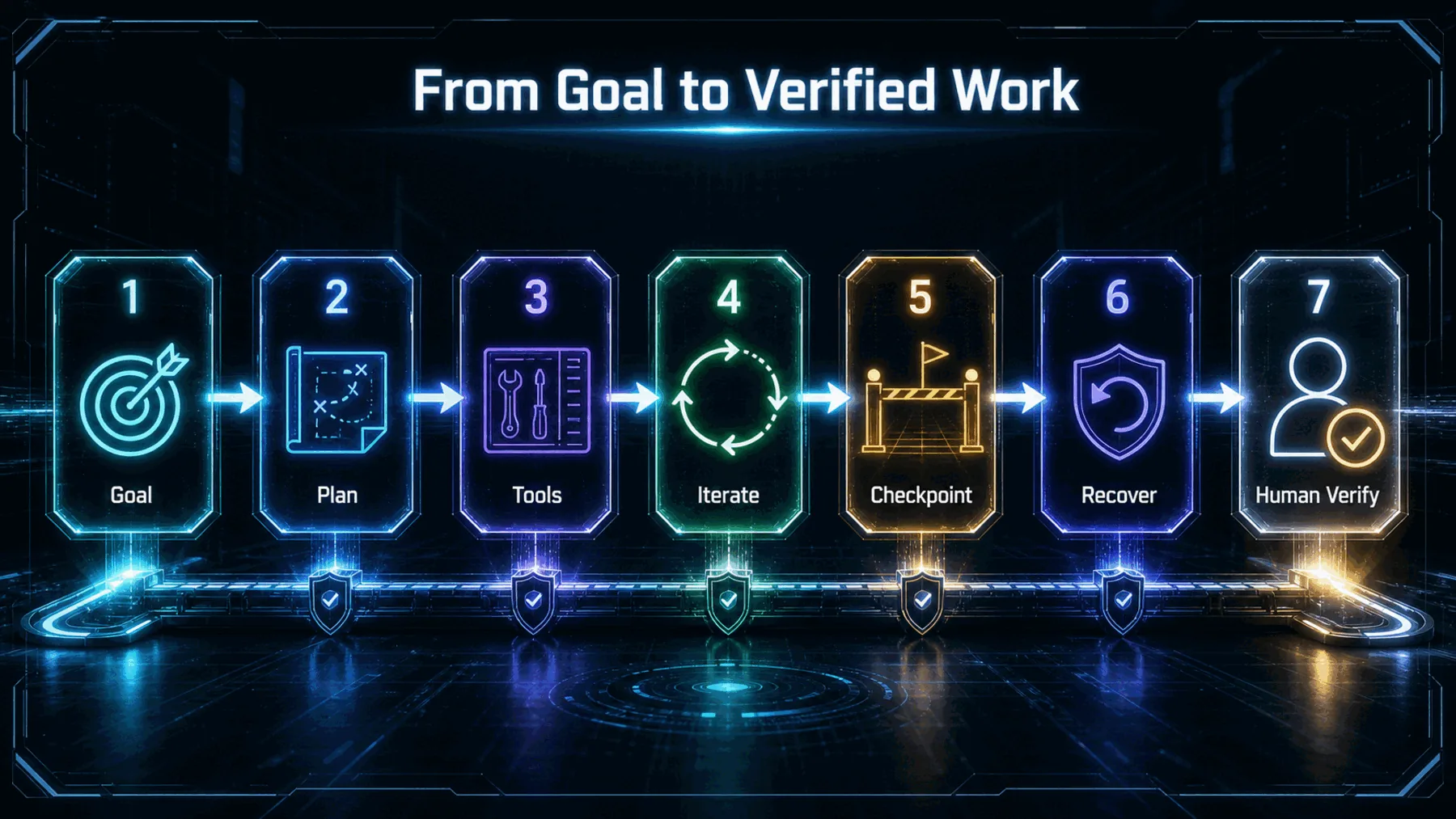
For a substantial task, an AI system needs more than a strong opening response. It has to hold the goal, break work into steps, use the available tools, inspect what changed and decide what to do next.
The practical safeguard is the checkpoint. We should be able to inspect intermediate work, correct the direction and verify the final result rather than accept a long run as proof in itself.
Set the goal
Inspect the work
Verify the result
Ambition needs clear limits
Before we hand over a long task, access, constraints, checkpoints and verification all need to be visible.
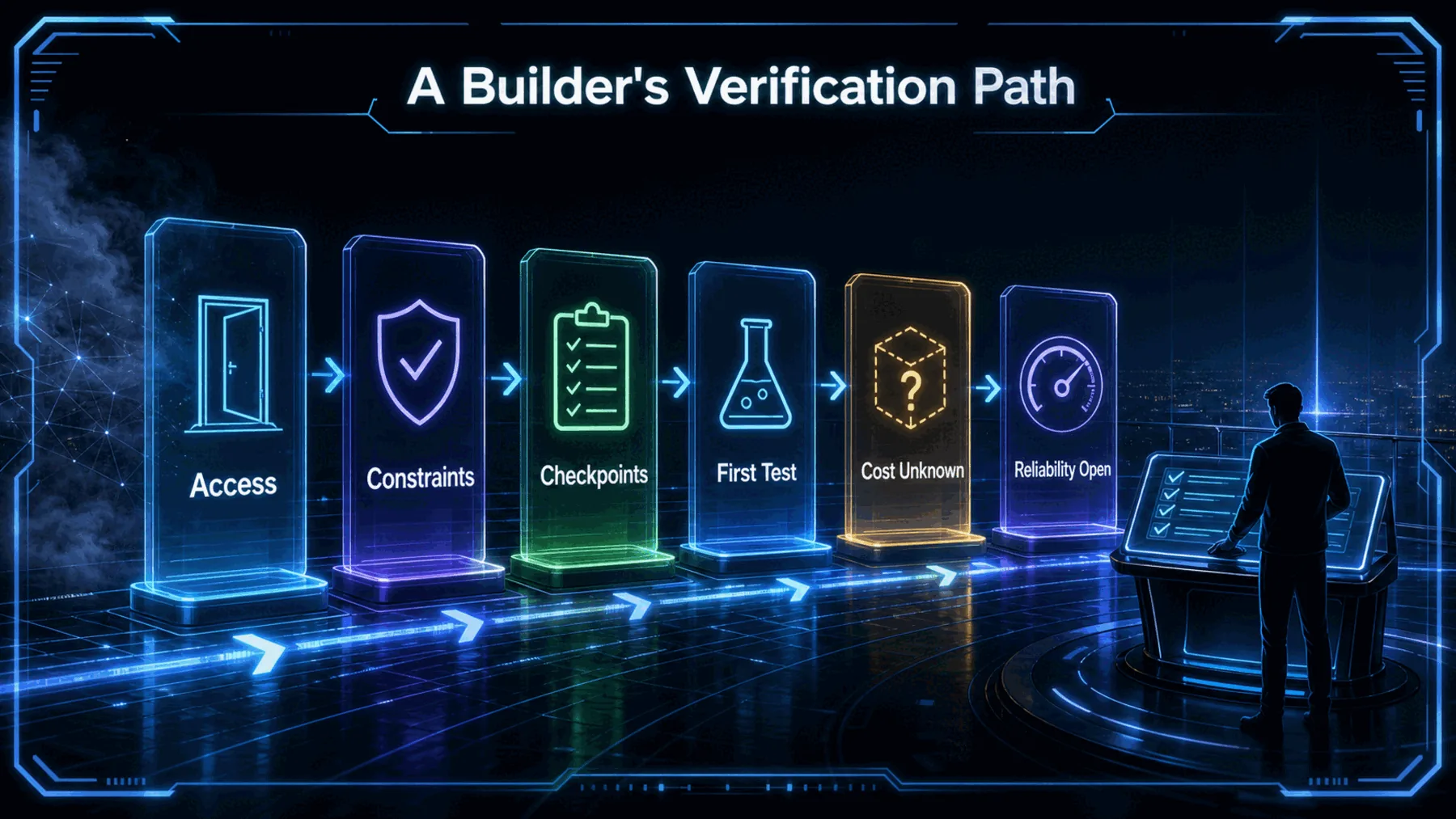
The immediate appeal is straightforward: instead of repeatedly re-explaining a project, we could ask one system to retain the thread of the work for longer. That could make larger coding and workflow tasks more practical.
The first decision should still be modest. We need to know what access is available, what limits apply, where intervention is possible and how we will verify the output. Qwen’s thread does not answer those questions.
Access
Control
Proof
Sustained usefulness earns trust
Duration becomes valuable only when it carries correct work through visible controls and a meaningful final check.
Qwen’s announcement is interesting because it points beyond the familiar one-prompt exchange. A model that can carry a difficult task across days could change what we delegate and how much continuity we expect from an AI collaborator.
But the standard should rise with the duration. Qwen’s published claims invite a practical test: can the system stay useful over a bounded multi-step task while we can inspect the work, intervene when needed and verify the outcome?
“The real advance is not an AI that stays busy for days, but one whose work remains visible, controllable and worth trusting throughout.”
Altior synthesis from Qwen’s published claims
Run a bounded multi-step coding test
Act as a cautious coding collaborator. Create a small command-line Python tool that reads a plain-text task list, groups tasks by priority, and writes a Markdown summary. First provide a five-step implementation plan and name two assumptions. Then write the code, include three sample tasks, and show the expected Markdown output. After each stage, list one check we can perform before continuing. Do not claim the result is production-ready; identify one limitation and one next verification step.Ready to copy
Watch the proof arrive
Qwen has set out an ambitious endurance proposition. Until availability and independent evidence are checked, we should treat it as a promising claim with clear questions still open.
Try the promptWhat could change the conclusion
- Open-weight availability
- Independent endurance tests
- Control and reliability evidence
- Cost and access details