Can GPT-5.6 Sol UltraFast Keep Up?
OpenAI’s limited Ultrafast preview tests whether frontier intelligence can stay inside the same human moment as live work.
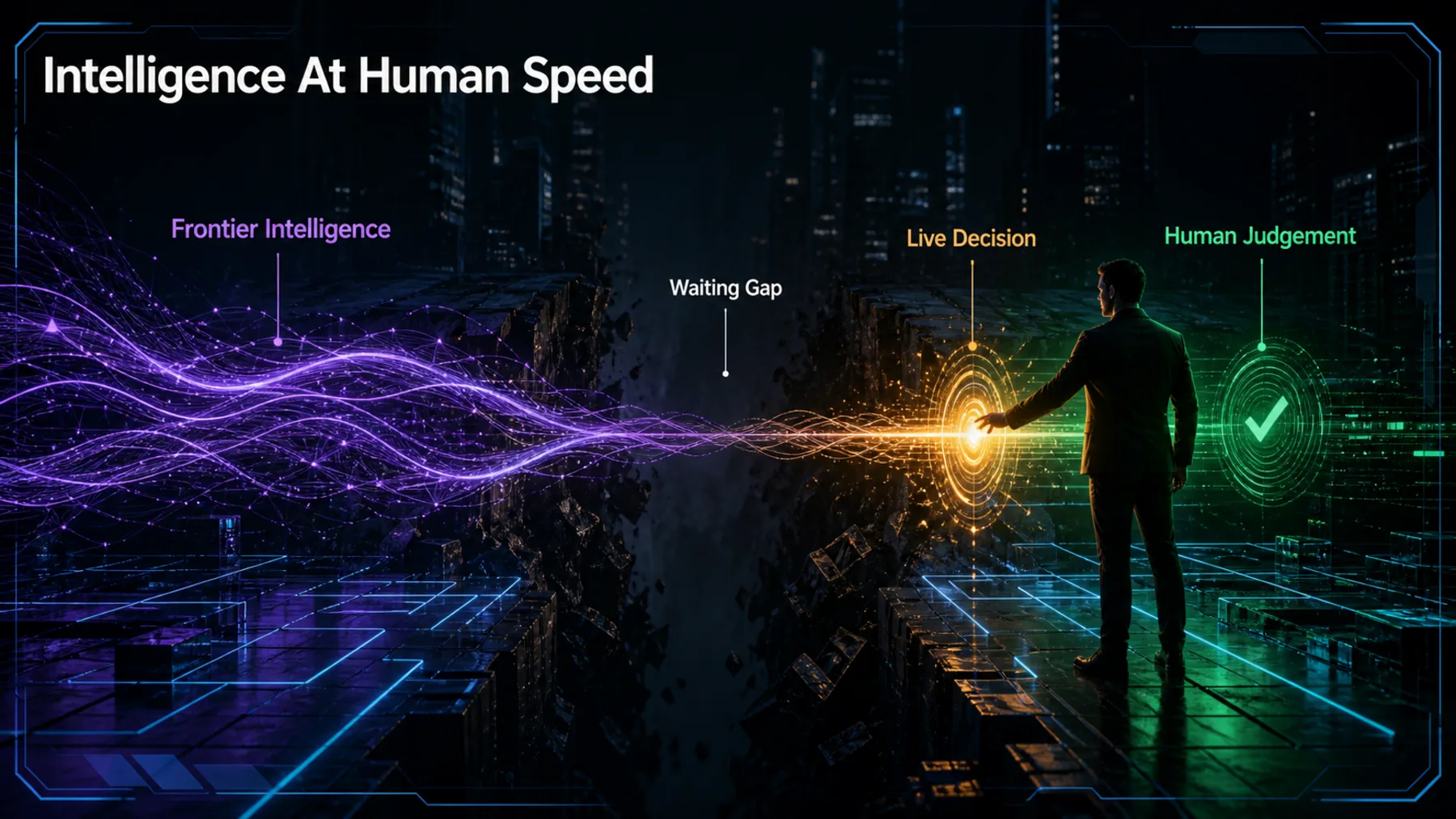
A faster answer is only valuable when it changes what we can do while the context is still live. OpenAI’s Ultrafast preview puts that question in sharper form: can capable model work fit inside a call, an incident or an unfolding decision?
OpenAI reports up to 14 times Standard speed and up to 750 output tokens per second for GPT-5.6 Sol. Those figures describe a limited preview, not an independent benchmark or a promise about every workflow.
The Cost of Waiting
When the work arrives after the moment has passed, speed is not a cosmetic improvement.
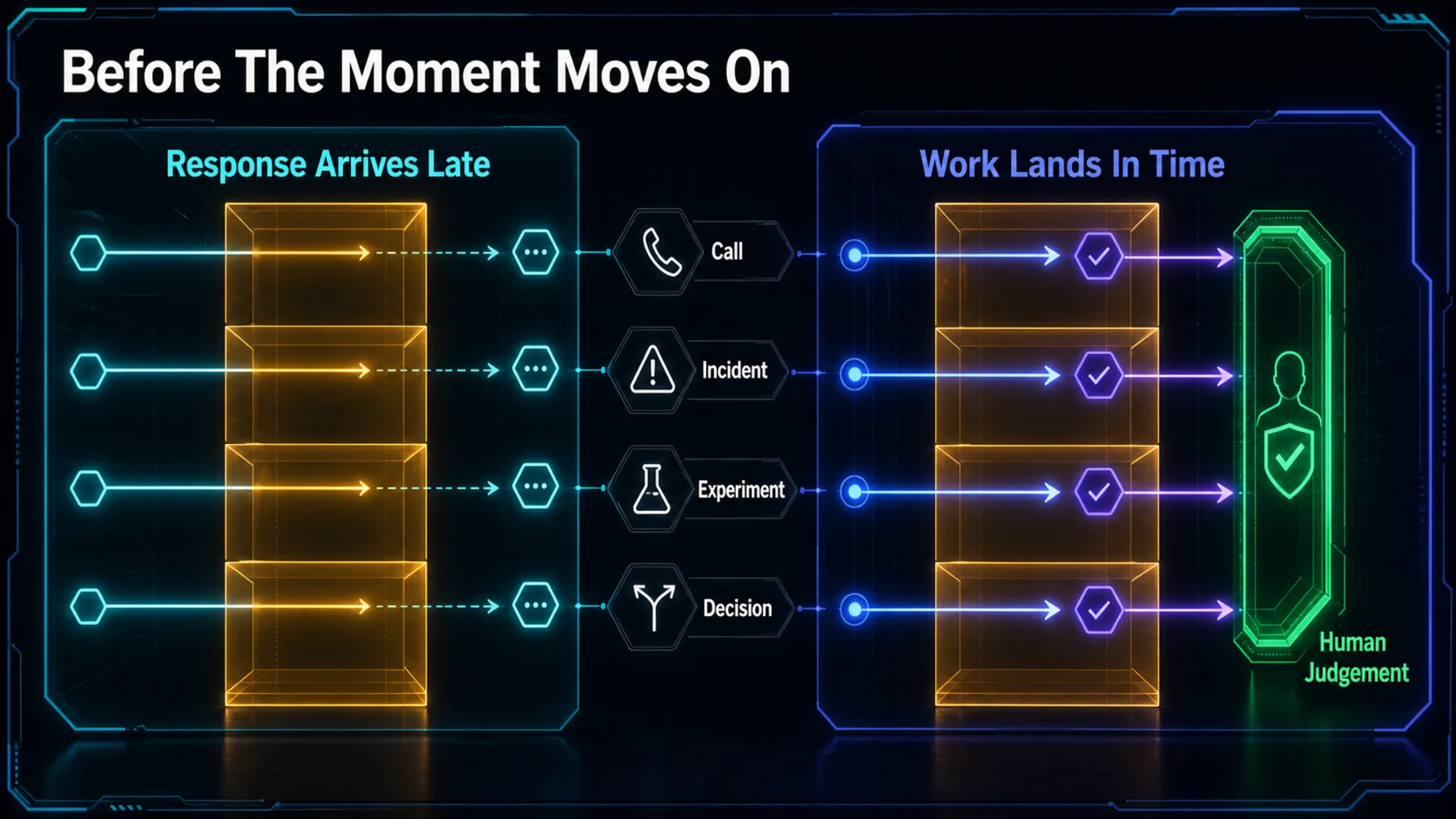
We know the familiar break in concentration: ask for analysis, move on to the next decision, then return when the answer finally appears. The cost is not measured only in seconds; it is the lost continuity of the work.
Ultrafast makes a narrower proposition. If the response is ready before the situation changes, we can assess it, challenge it and decide the next action without rebuilding the context from scratch.
What OpenAI Reports
The published numbers are striking, but their limits matter as much as their scale.
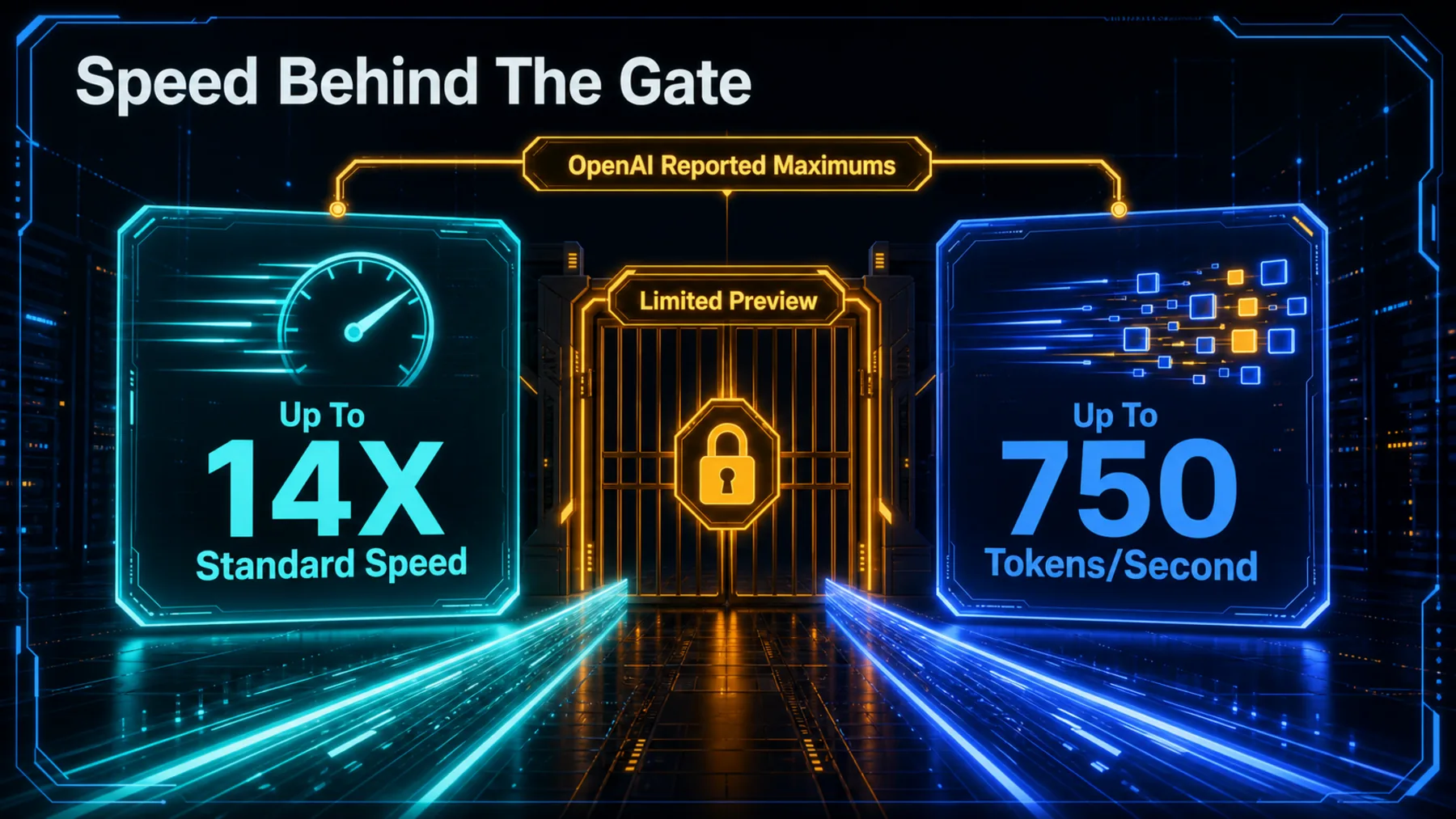
OpenAI’s announcement gives us two concrete headline figures: up to 14 times Standard speed and up to 750 output tokens per second. “Up to” matters. It leaves room for workload, system and access conditions that the headline alone cannot resolve.
The release is also a limited preview. OpenAI has not turned those figures into a public guarantee of price, capacity, service level or broad availability, so those questions remain open.
The Live-Work Receipt
A same-prompt comparison shows the intended experience, not a complete performance verdict.

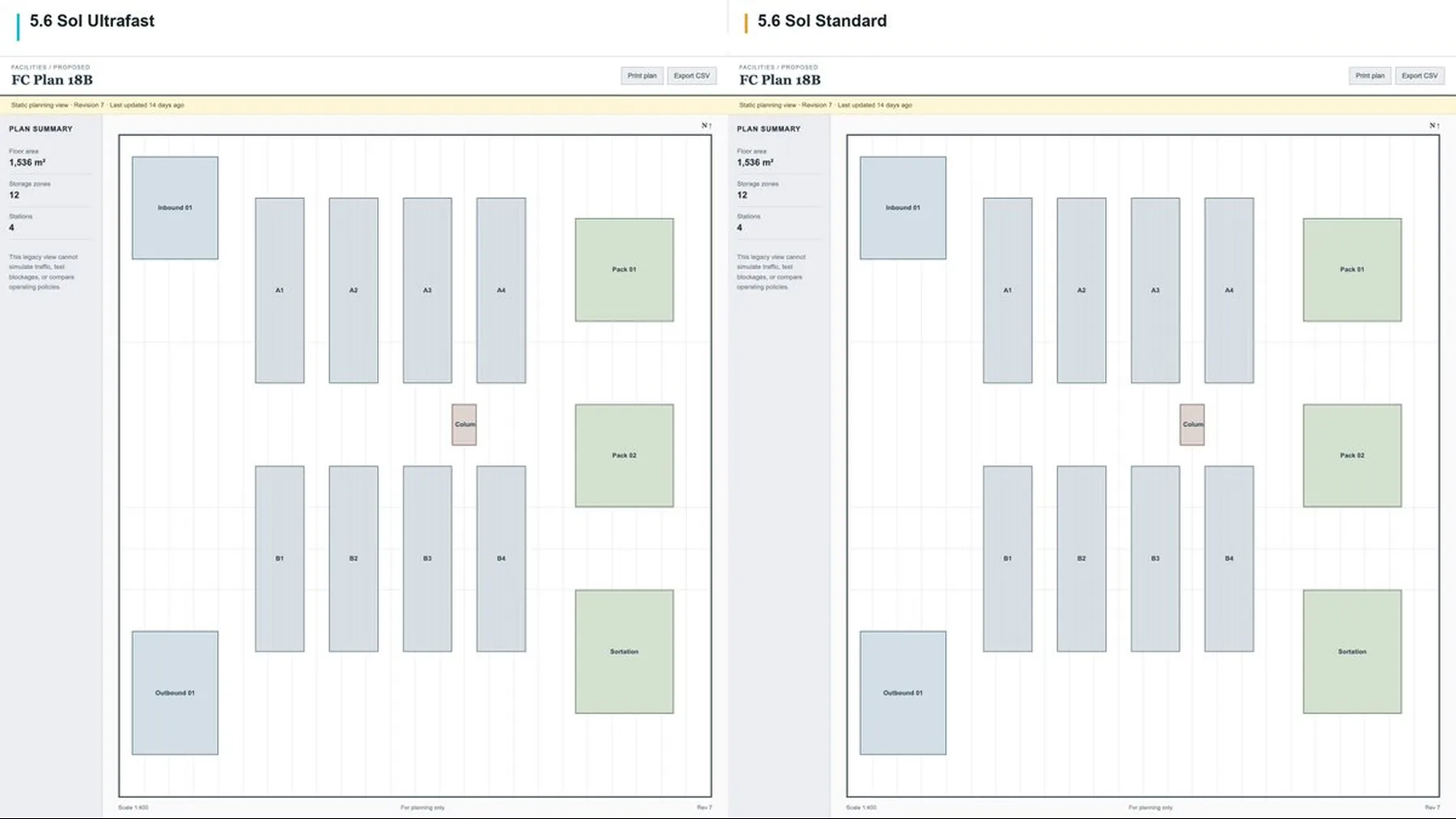
The warehouse demonstration is useful because it makes the release legible. A single task is placed beside a slower mode so the claimed difference can be seen as an experience: work forming while the operator is still present.
That is evidence of what OpenAI chose to demonstrate. It does not establish a universal latency figure, a quality advantage or a result we should expect from every prompt.
GPT-5.6 Sol at up to 14X the speed.
OpenAI
Proof, With Limits
OpenAI’s published material supports the announcement; it does not replace independent workflow testing.
OpenAI’s own announcement is the right source for what OpenAI is previewing and the maximum speeds it reports. It is not independent validation of how the mode will perform in every real setting.
The strongest reading is therefore practical and cautious: the preview creates a credible test of whether latency has become less visible in live work. It does not settle the wider performance story.
How the Wait Disappears
Speed matters when it keeps the human decision loop intact.
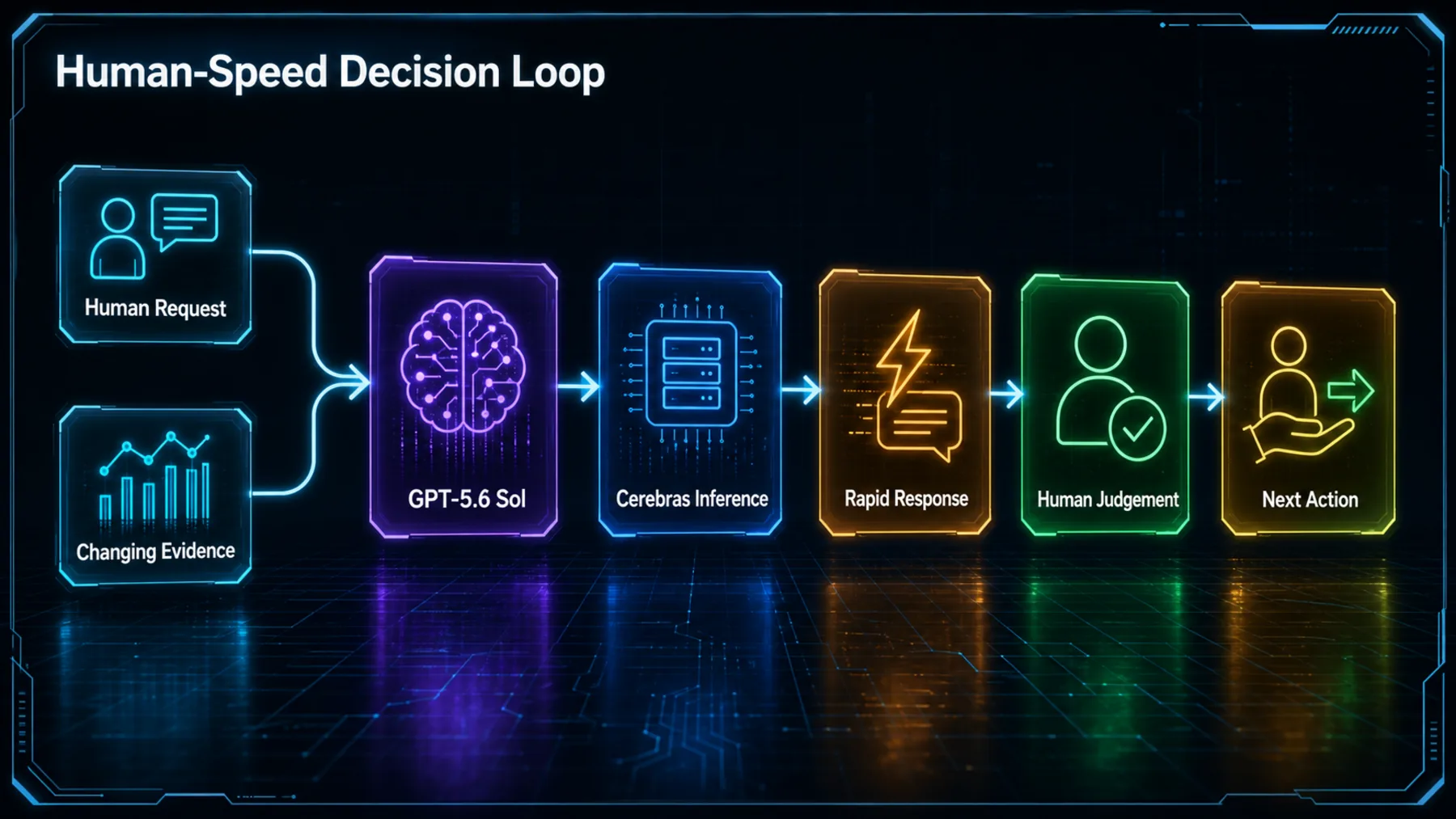
The useful sequence begins with a human question, not an autonomous outcome. We bring a live request or changing evidence to the model, receive a response quickly enough to remain in context, then apply judgement before any next action.
The point is not to remove responsibility. It is to reduce the dead space between question, analysis and decision so the human remains engaged with the work.
Ask
We frame the live question and its evidence.
Assess
We test the response while the context remains active.
Decide
We retain human judgement for the next action.
What We Experience
A limited preview is only useful if it improves a real workflow without hiding its constraints.
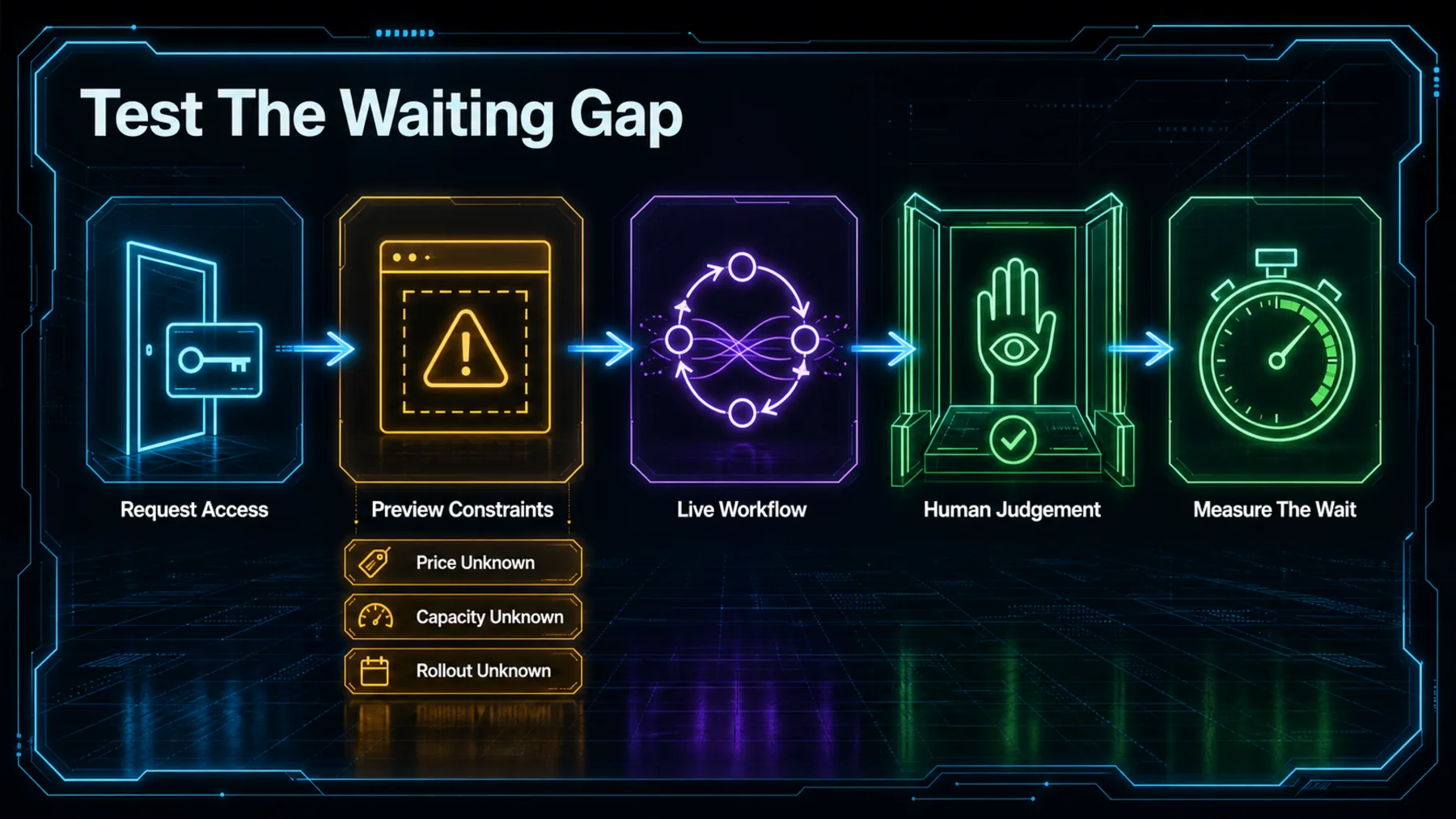
If we choose Ultrafast for serious coding, research or analysis work, the first constraint is access. It is a limited preview, and OpenAI’s published material does not settle price, capacity or rollout timing.
That leaves a straightforward test: use it on a live workflow, preserve human review and compare the interruption created by waiting with the work completed while the moment is still open.
Access
We confirm the preview constraints before use.
Test
We run one live workflow with human review.
Measure
We record whether the waiting gap changed.
More Useful Work per Second
The release matters if capable work can arrive before the human moment closes.
Speed becomes consequential when capable work fits inside the same human moment.
Synthesis grounded in OpenAI’s Ultrafast preview announcement
OpenAI’s announcement is not a final verdict on real-world performance. It is a clear invitation to test a different operating condition: whether frontier-model work can become part of a live decision instead of an interruption after it.
That is the threshold worth watching. The most meaningful gain is not a larger number on a speed chart; it is more useful work completed while we still hold the context, the judgement and the next move.
Test a live-work decision brief
You are assisting a human operator during a live operational decision. Using only the notes below, produce: 1) five verified facts, 2) three unanswered questions, 3) two risks that need human judgement, and 4) one next action with its owner. Do not invent evidence, prices, timings, commitments or outcomes. Notes: OpenAI is previewing Ultrafast mode for GPT-5.6 Sol; OpenAI reports up to 14 times Standard speed and up to 750 output tokens per second; access is limited preview. Keep the response under 220 words and label uncertainty clearly.Ready to copy
Watch the Evidence
Broader access, public pricing, capacity details, service commitments and independent workflow benchmarks will show whether the preview’s promise holds beyond OpenAI’s published maximums.
Try the promptWhat could change the verdict
- Broader access
- Public pricing
- Capacity details
- Independent benchmarks