Before Robots Enter Reality
New Omniverse libraries let AI agents inspect the hidden properties that determine whether a convincing 3D world can support physical-AI simulation.
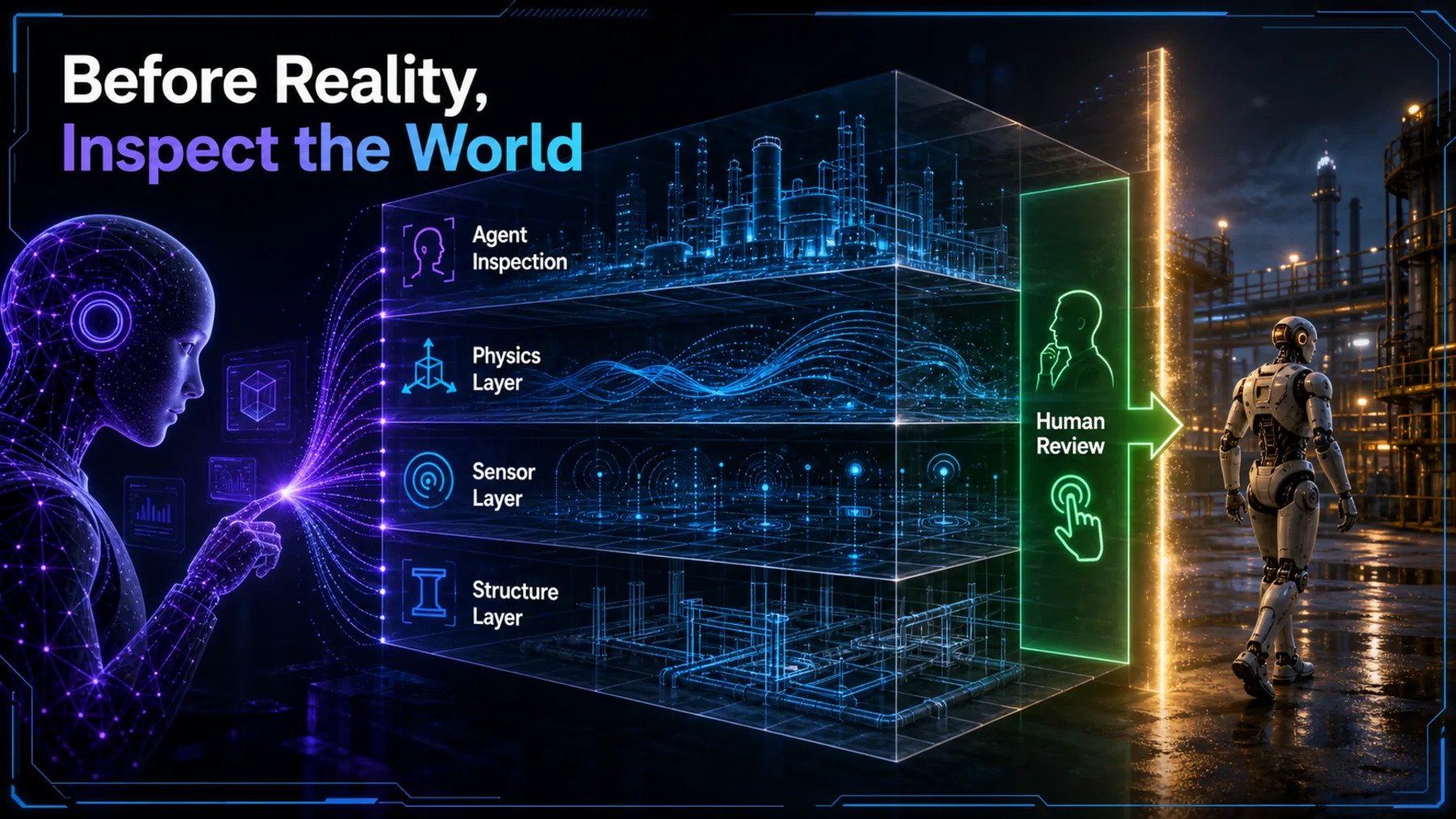
A scene can look finished and still fail the moment a virtual robot tries to perceive or touch it. Scale may be wrong, surfaces may lack physical properties and objects may have no useful labels, collisions or sensor outputs.
NVIDIA says its expanded Agent Toolkit brings callable Omniverse tools into existing 3D applications to help expose those invisible gaps before robots, factories or autonomous systems reach the real world.
A Good-Looking World Can Still Fail
Photorealism shows us the surface; simulation depends on the structure underneath.
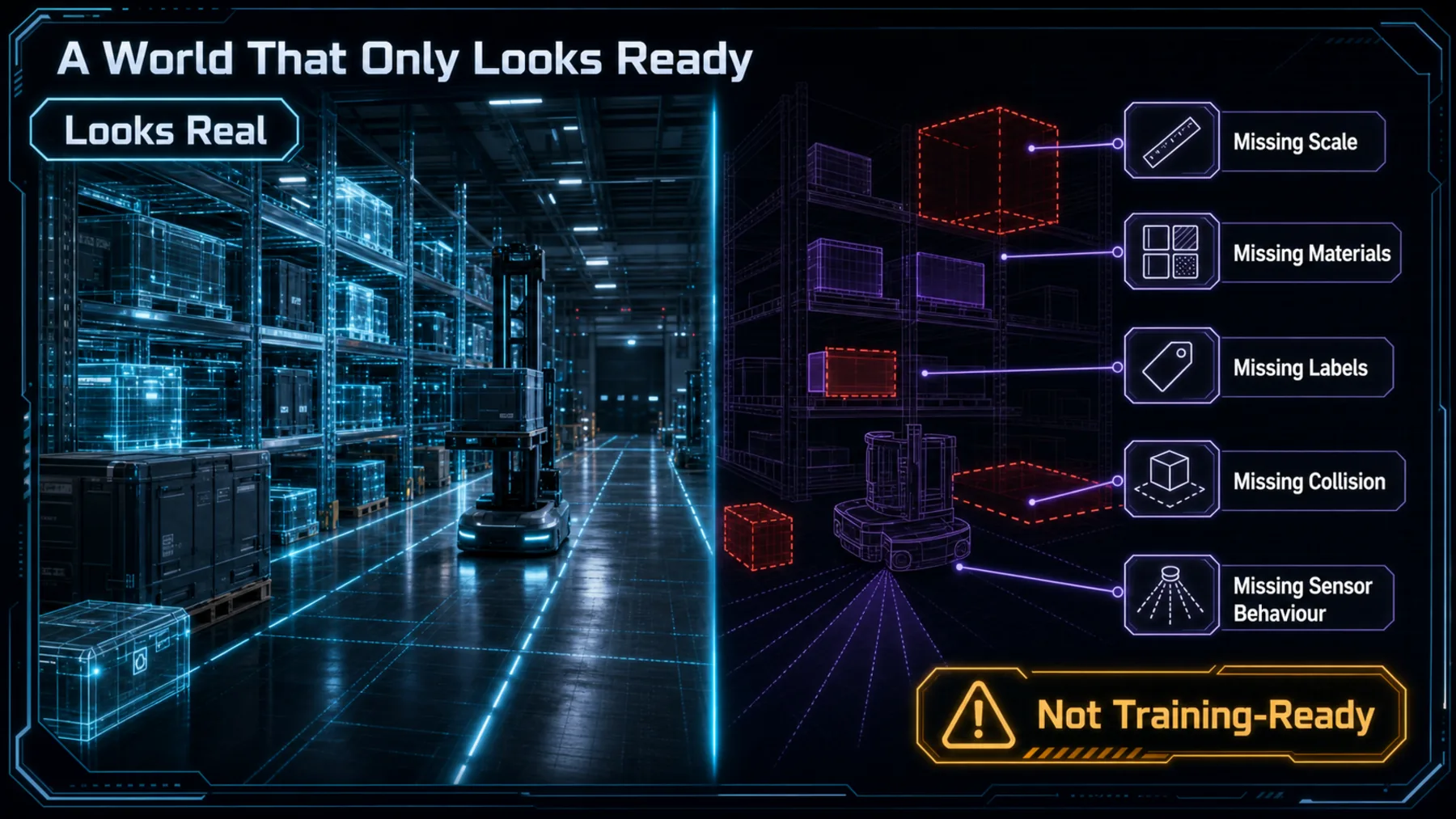
Think of a film set. It may look like a working factory from the camera position, while the doors lead nowhere and the machinery has no weight, friction or internal logic. A visually convincing 3D scene can have the same weakness.
For physical AI, those omissions are functional. NVIDIA says assets need the right structure, materials, scale, labels, sensors and physical properties before they can support dependable simulation work.
Three Tools, One Simulation-Ready Goal
NVIDIA divides the work across perception, physical behaviour and structured asset preparation.
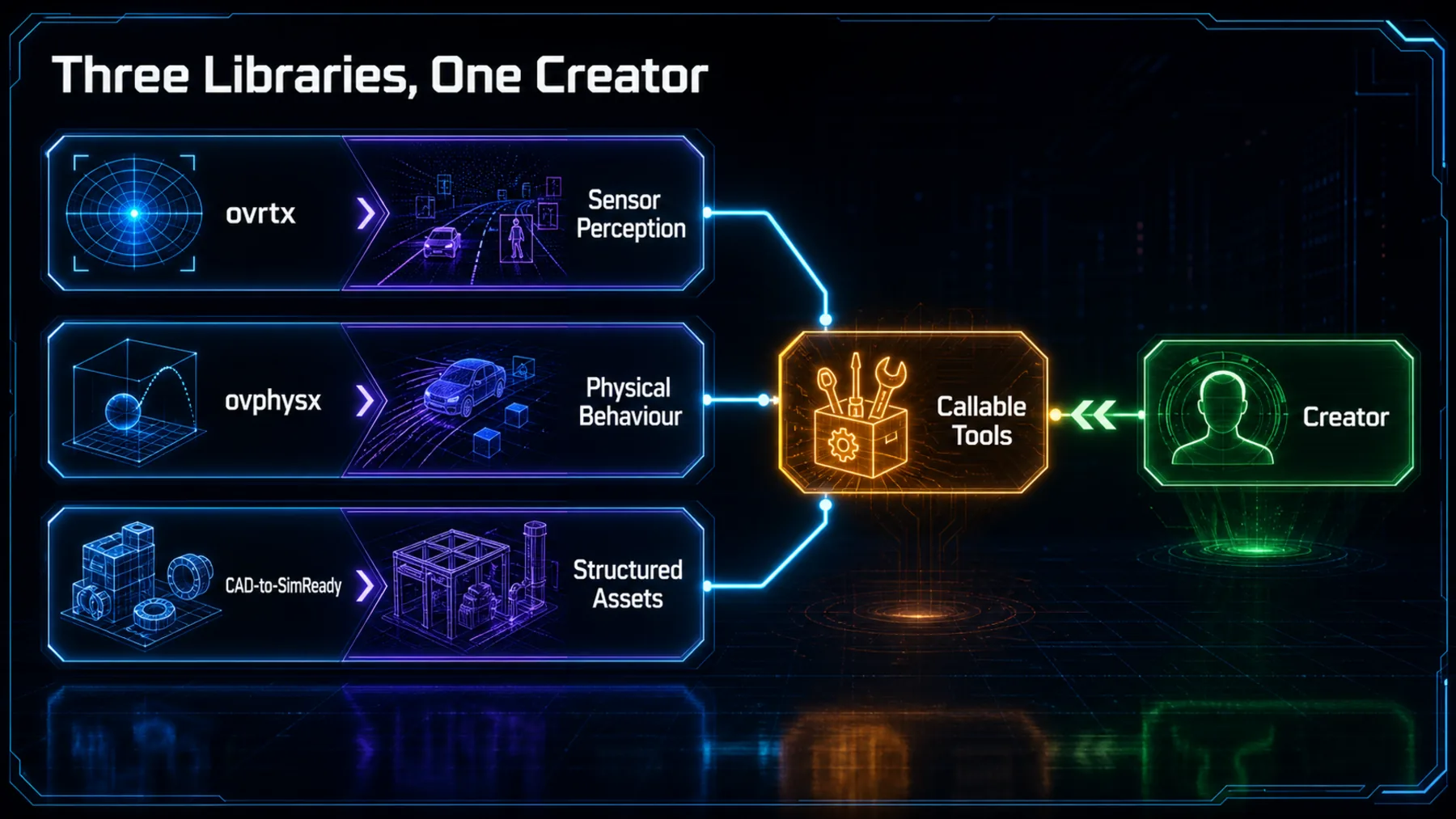
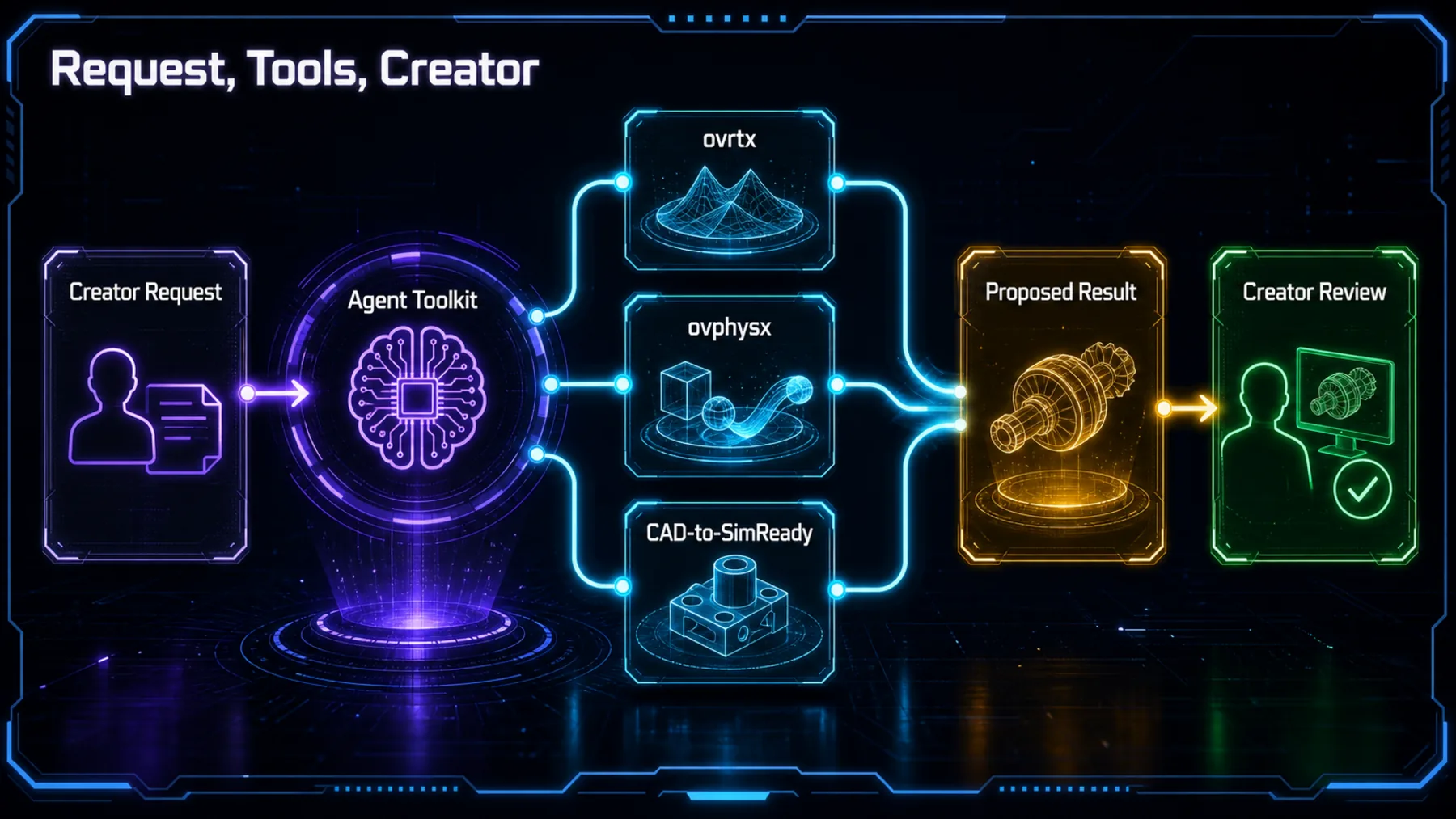
NVIDIA describes ovrtx as a way to generate camera, lidar, radar and other sensor outputs from 3D scenes. It describes ovphysx as the physics layer for properties such as collisions, mass, friction and motion. CAD-to-SimReady skills focus on turning design data into structured OpenUSD assets for simulation.
Together, they make distinct preparation tasks callable inside an agent workflow. That is an architectural direction, not evidence that every scene can now be prepared automatically or that the resulting simulation has been independently validated.
The Receipt Is in the Toolset
The announcement names the libraries, their intended jobs and where the open components can be found.
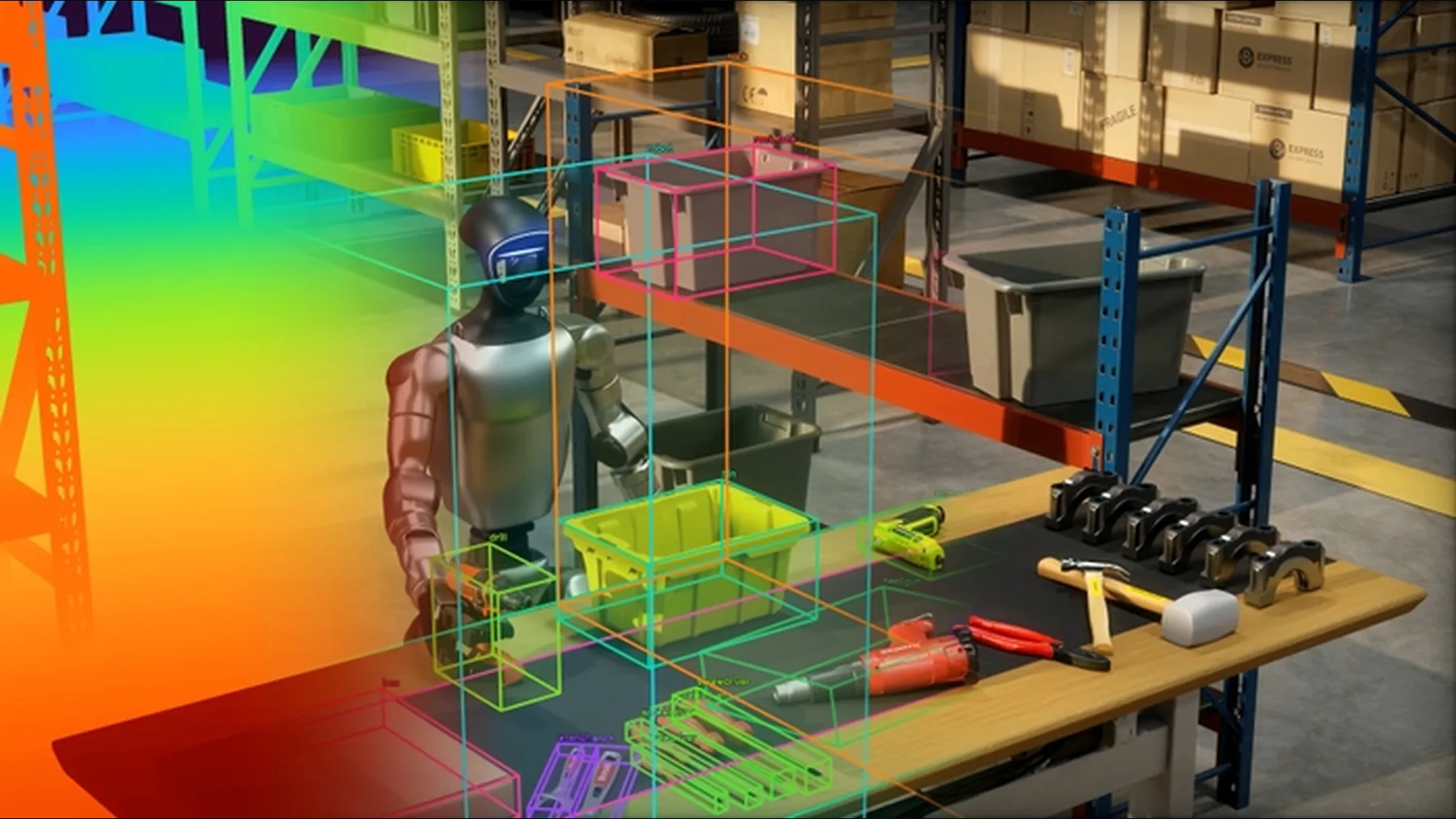
The useful evidence is unusually concrete for a product announcement. NVIDIA names ovrtx, ovphysx and CAD-to-SimReady, explains the role of each and says the libraries are openly available on GitHub. It also points to an openly available Blender integration blueprint.
Availability is not the same as adoption or measured performance. The release establishes that the software components and blueprint have been announced and published; it does not provide independent benchmarks for the resulting workflows.
“The physical AI era will be built in simulation first.”
Jensen Huang, founder and CEO of NVIDIA
What the Evidence Shows — and Does Not
The source visual establishes the simulation setting, while the performance claims remain NVIDIA’s own.
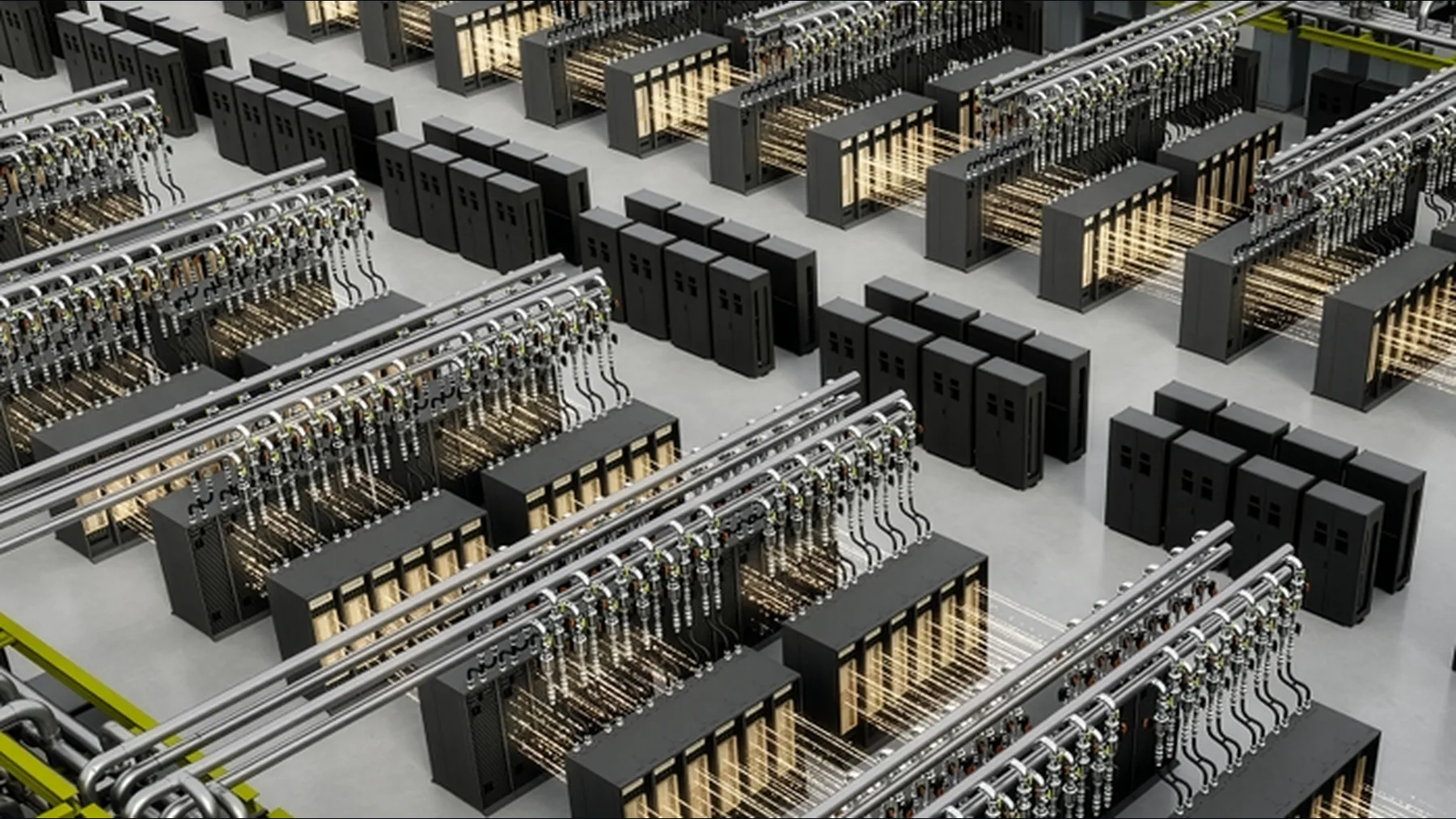
The image helps make the use case tangible: agents working with 3D environments intended for physical-AI development. It cannot show whether the libraries improve accuracy, reduce preparation time or work consistently across different production pipelines.
Those questions remain open because the captured release provides no independent benchmarks, percentages or comparative tests. The defensible claim is narrower: NVIDIA has exposed tools for sensor simulation, physics and asset validation through its Agent Toolkit.
How an Agent Checks the World
The agent can surface missing simulation properties, but the creator still decides what changes.
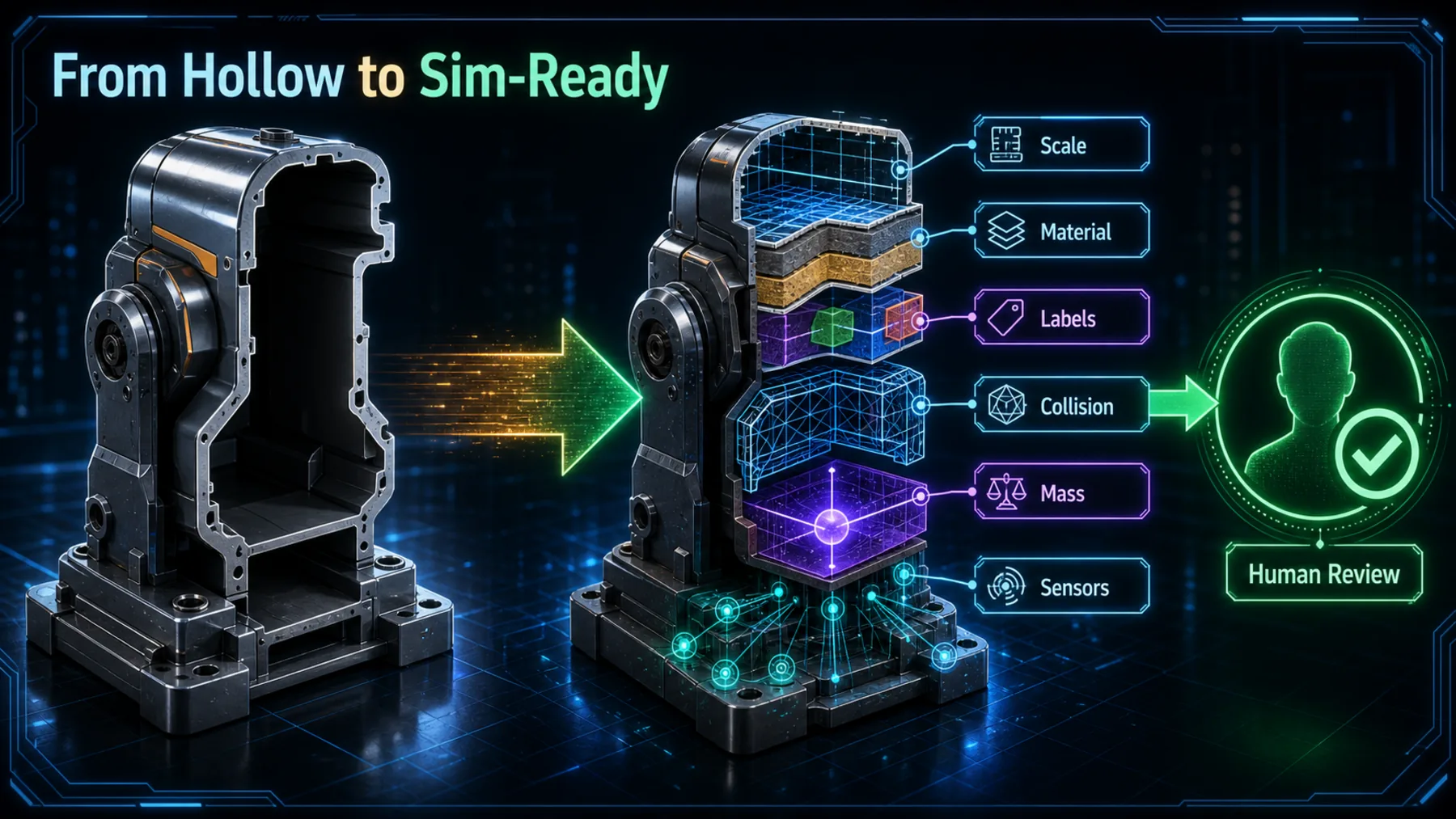
An agent can begin by inspecting what the scene already contains. It may call sensor tools to examine simulated perception, physics tools to test interaction properties or asset tools to identify missing structure.
The output should be treated as a diagnosis or proposed edit, not an autonomous certificate. NVIDIA’s Blender example explicitly keeps creators in control, and SideFX describes technical artists continuing to review, test and prepare the content.
Perception
Physics
Structure
What Changes in the Workflow
Simulation preparation can move closer to the 3D tools and applications where the work already happens.
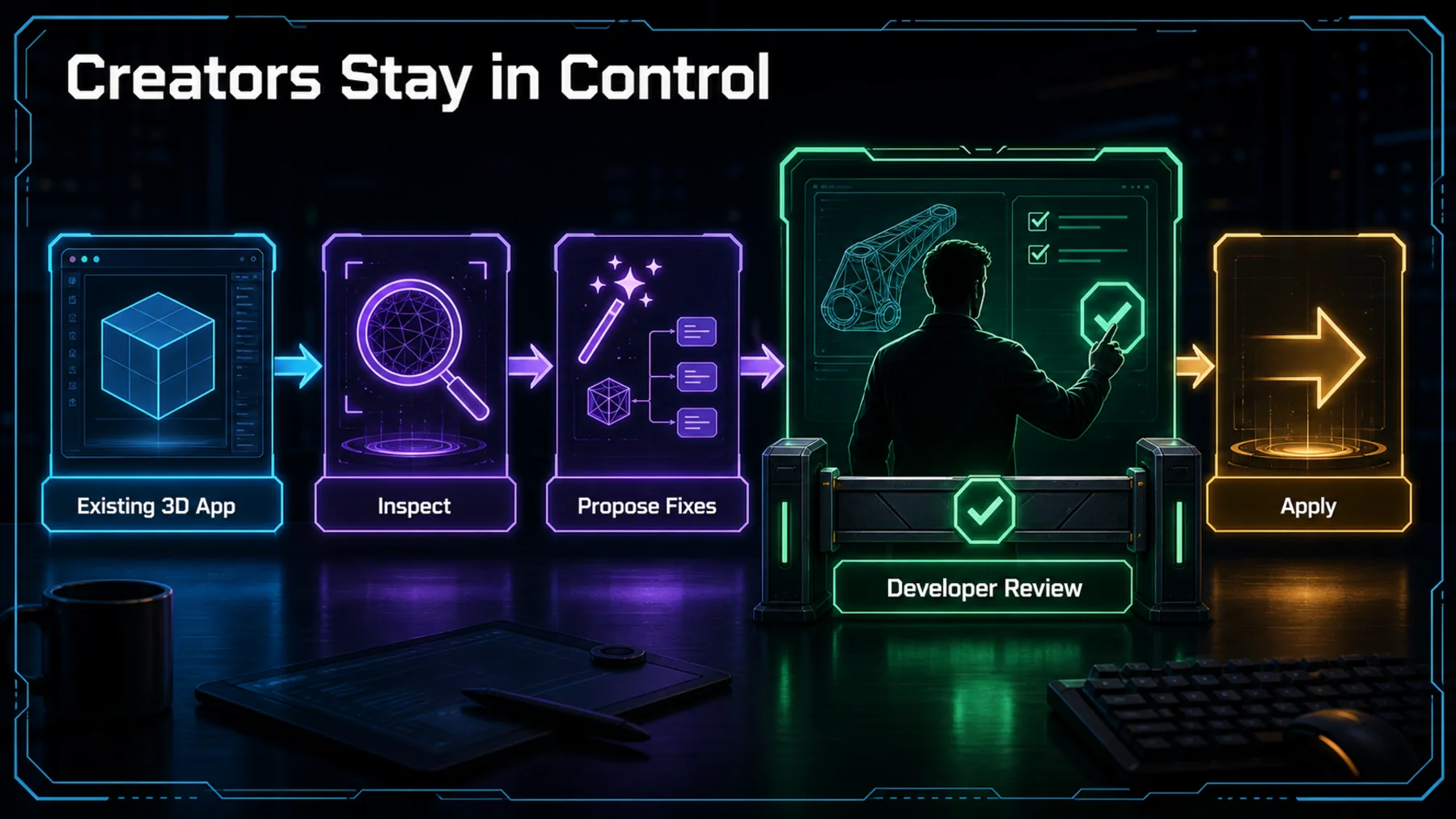
Set the task
Call the tools
Review the result
The shift is less about replacing a 3D application than extending it. NVIDIA says software makers can connect these tools to existing applications, allowing agents to work where developers and technical artists already prepare content.
That may shorten the distance between finding a problem and proposing a fix, but the release does not quantify time savings. The stronger point is that inspection and preparation can become callable steps without removing human judgement from the workflow.
Worlds Are Becoming Testable
The important layer is moving from how a scene looks to what an agent can inspect, question and return for review.
A virtual world becomes useful to physical AI when its hidden assumptions can be inspected — and when a human still controls what happens next.
Altior synthesis, based on NVIDIA’s announced toolkit
NVIDIA’s announcement points towards a different role for AI agents. Instead of remaining inside documents, browsers and office workflows, they can call specialised tools that interrogate virtual environments built for machines.
The cautious reading is also the more useful one. Callable simulation preparation is now visible in named libraries and an open Blender blueprint, while dependable results still require evidence, bounded access and creator review.
Audit a 3D Asset for Simulation Readiness
Act as a physical-AI simulation reviewer. Examine the supplied 3D scene or asset description for six areas: scale, materials, semantic labels, collision behaviour, physical properties and sensor-readable outputs. For each area, state what is known, what is missing and what should be checked next. Do not invent measurements, certify safety or assume visual realism proves physical accuracy. Return a concise table followed by three prioritised fixes that require human approval before implementation.Ready to copy
Watch the Evidence Arrive
The announcement establishes the tools and intended workflow. The next test is whether real integrations produce repeatable, independently validated results while keeping creators in control.
Try the promptFour Signals Worth Watching
- Real integrations
- Independent validation
- Open availability
- Human control