Muse Realtime Avatar: Can Meta’s AI Avatar Keep Up?
Meta has shown characters speaking and moving in live conversation. The harder question is whether they remain responsive and recognisable beyond a polished moment.
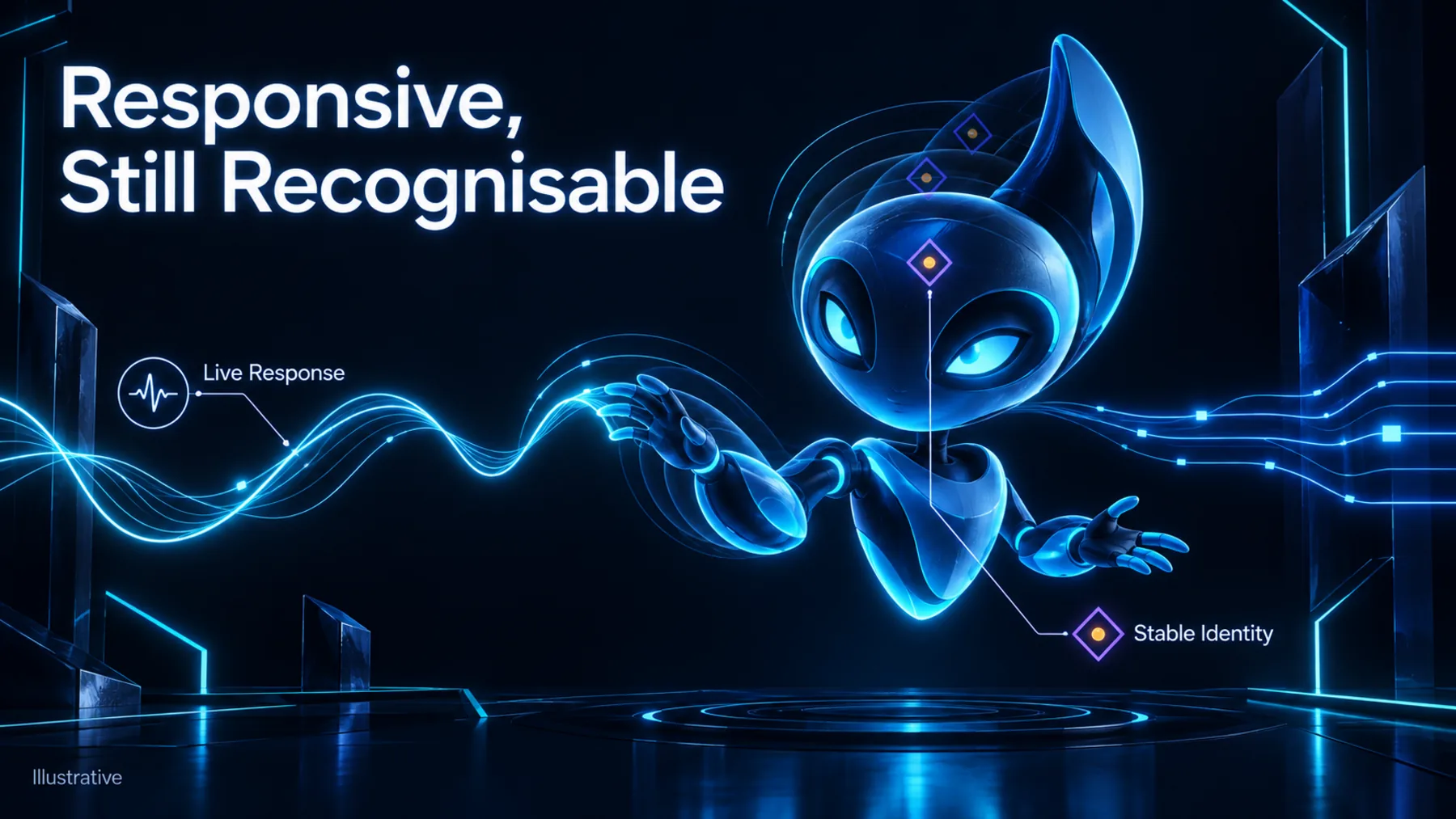
Meta says Muse Realtime Avatar can animate reference images, from portraits and illustrations to animals and everyday objects. Its published examples show the ambition: a character that responds as we speak, rather than a clip prepared in advance.
A convincing live call asks more of that character. We need the voice and movement to arrive together, while its appearance and mannerisms hold through successive turns. Meta’s demonstrations invite that test; they do not settle it for every conversation or every avatar.
Speed is only half the challenge
A quick reply loses its force if the character drifts as the exchange goes on.
A short, polished video can hide the awkward moments. In a live exchange, we notice if the mouth falls behind the words, a gesture feels detached, or a familiar face changes from one reply to the next.
Meta frames the problem as generating video quickly enough for interaction while keeping it visually consistent over the conversation. Those demands pull together: faster frames are not much use if the person we think we are speaking with stops looking like themselves.
Two numbers, two different claims
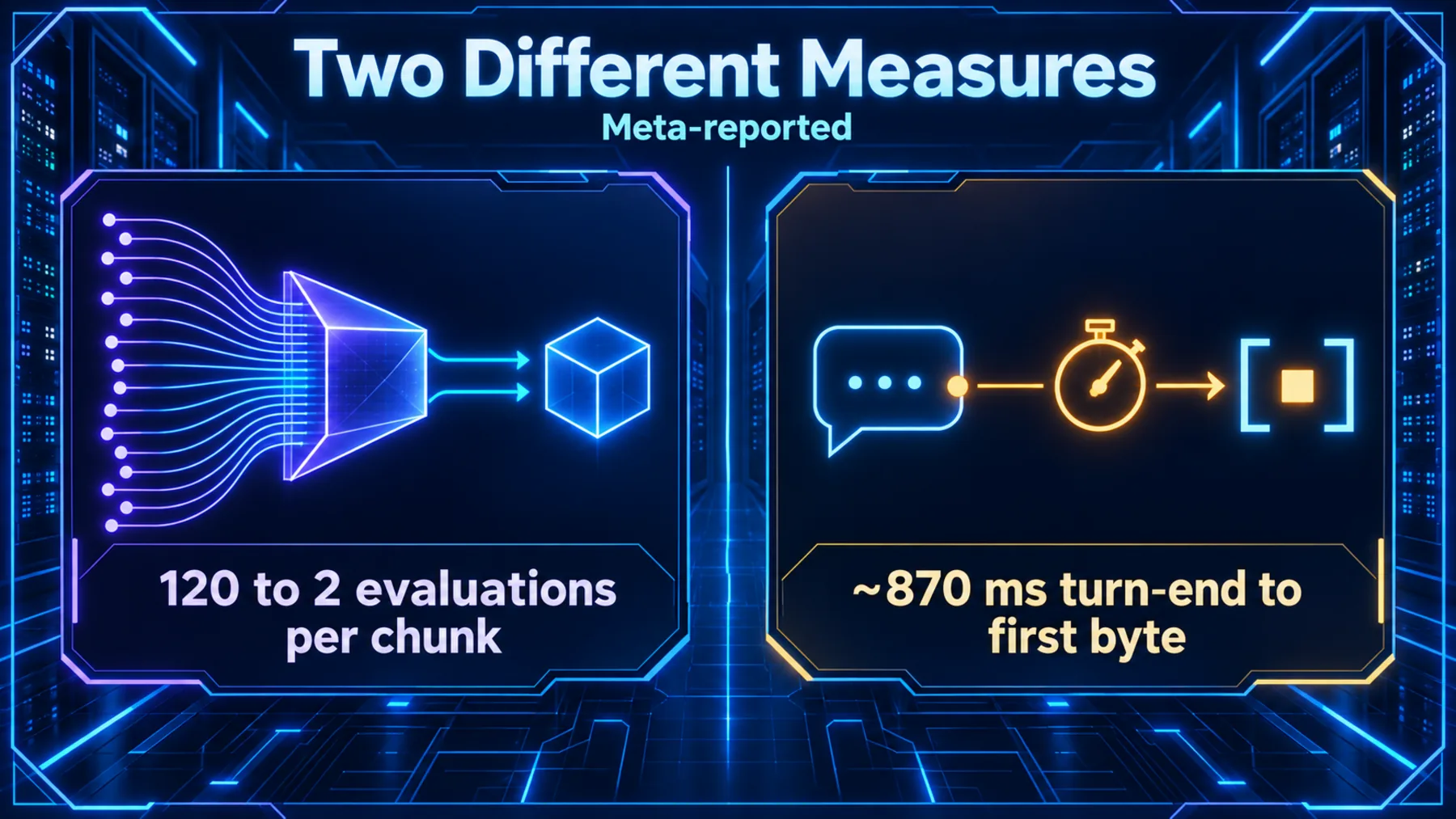
One concerns the work needed to generate each video chunk. The other concerns when a response begins to arrive.
To make continuous video practical, Meta says it distilled a larger model that used 120 evaluations per video chunk into a smaller one using two. That is a 60-fold reduction in model evaluations for that part of generation, not a claim that our conversations become 60 times faster.
Meta separately reports approximately 870 ms from the end of a person’s turn to the first byte of the synchronised voice-and-video response in its setup. First byte is not a completed reply or an end-to-end video playback time. Meta reports 448 × 768 portrait video at 25 frames per second alongside that latency measure.
Meet the character, then keep watching
Meta’s showcase makes the idea tangible; a still can show the character, but cannot establish how an extended call performs.
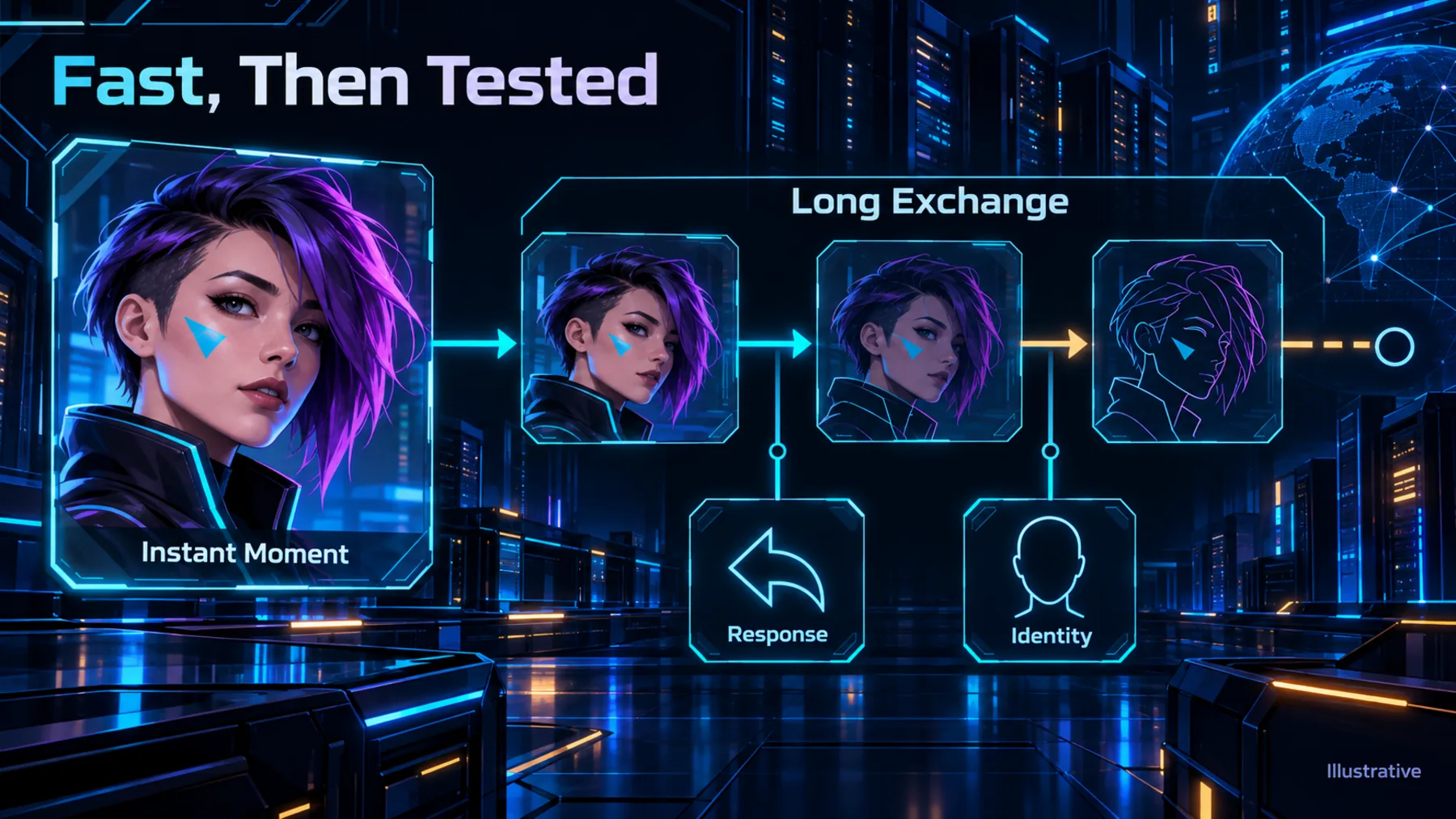
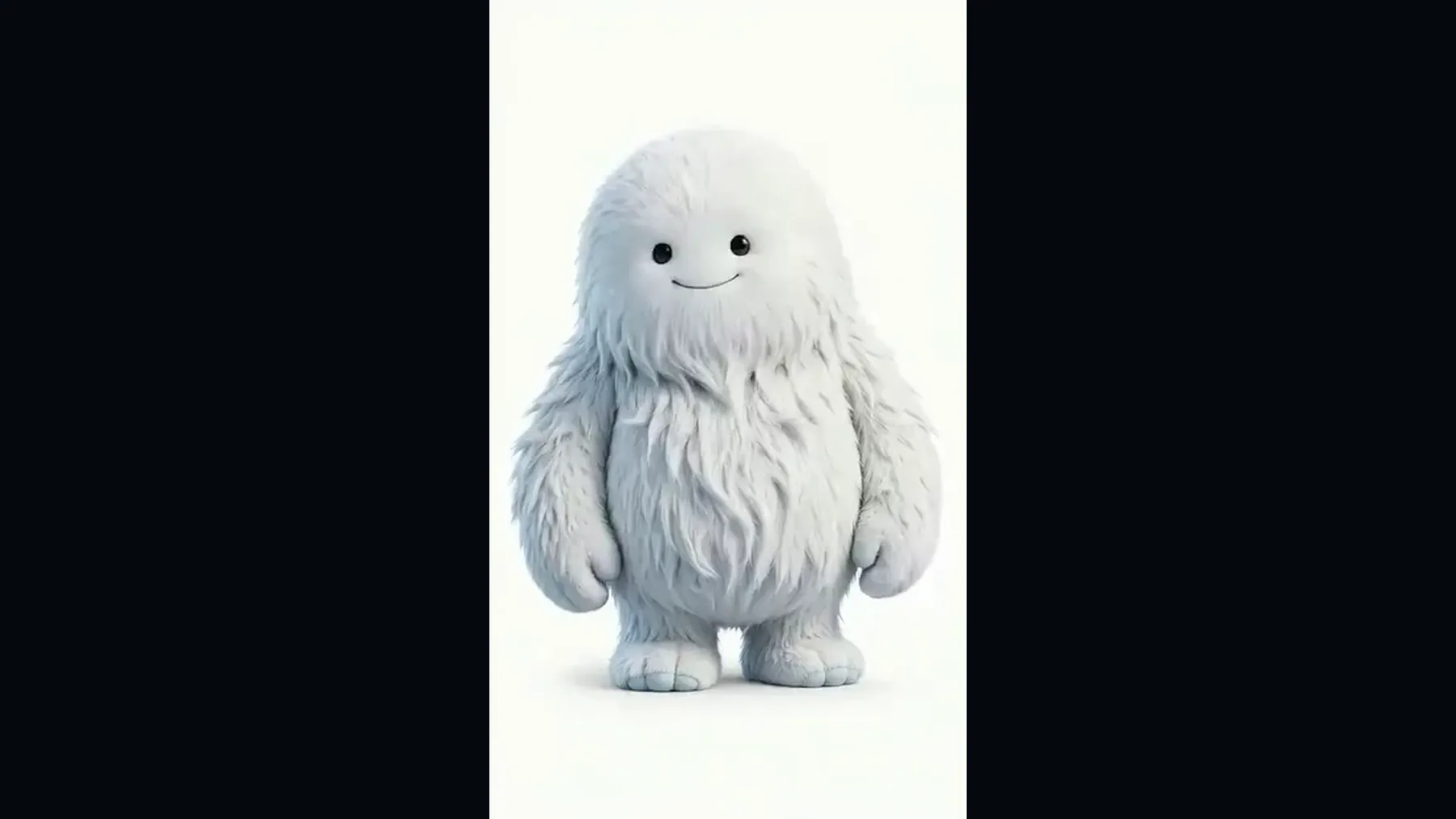
Meta’s published character imagery gives us a concrete starting point. The claim goes beyond making that character move once: the company says its system carries appearance and mannerisms forward as each new video segment is generated.
The still shown here is evidence of what Meta published, not proof of uninterrupted playback or consistency throughout a live conversation.
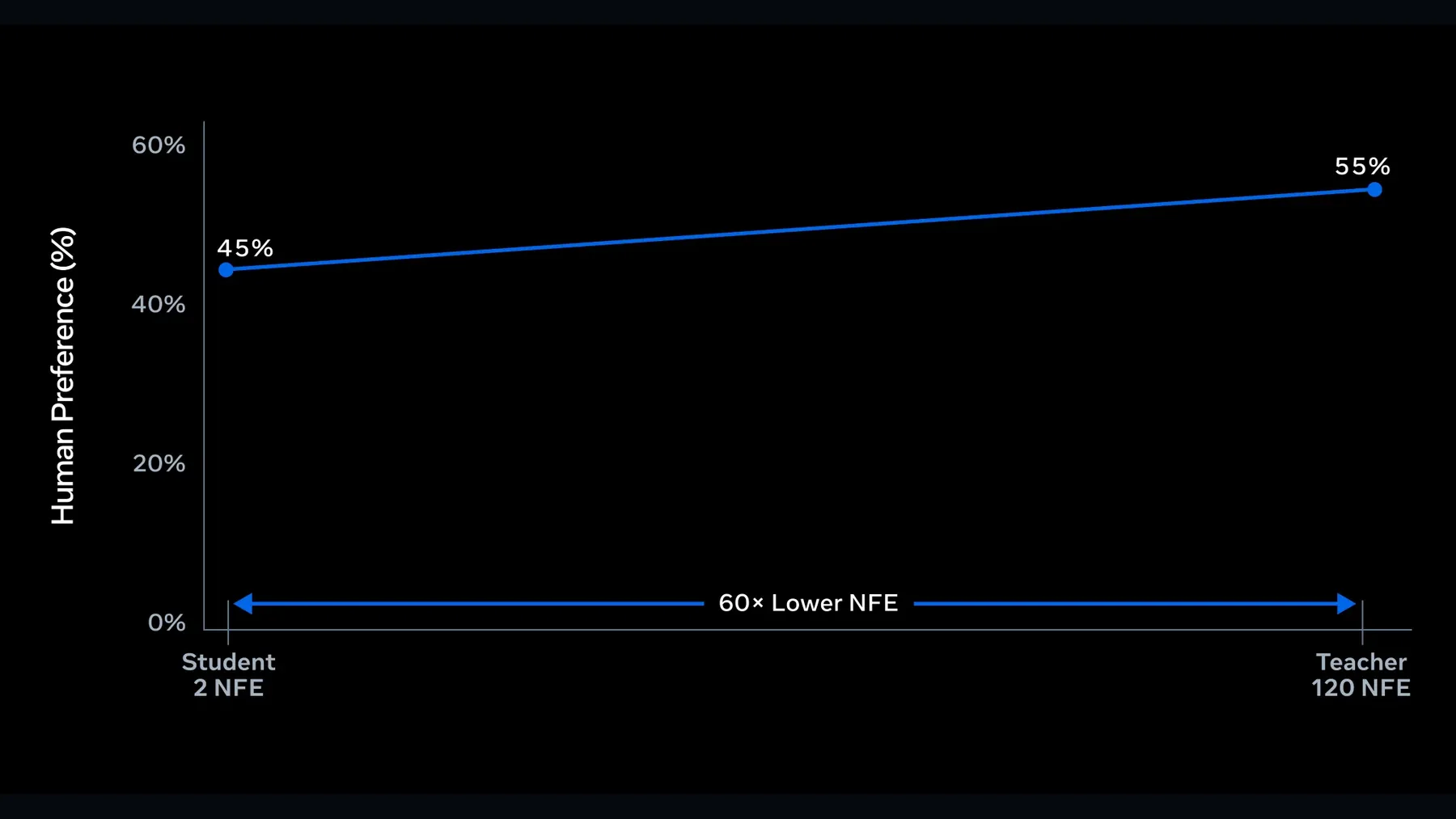
Live streaming must solve two problems at once: generating video fast enough for real-time interaction and remaining visually consistent throughout the conversation without accumulating errors.
Meta, “Bringing Your Muse to Life”
Meta’s result has a boundary
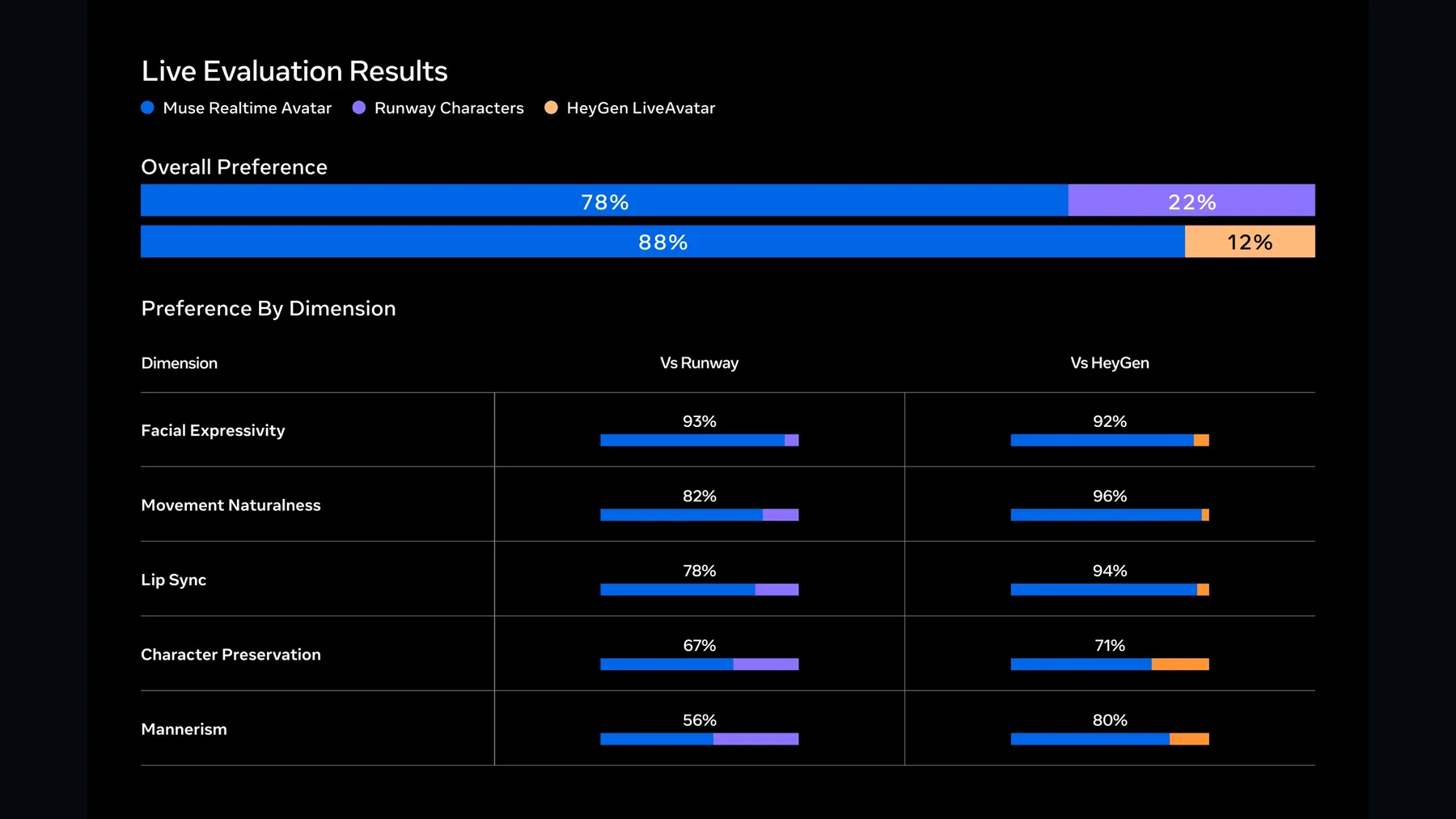
Its live-call study favoured Muse overall, but the evidence here is Meta’s account of its own test.
Meta says raters held two- to three-minute conversations with matched avatar identities using Muse Realtime Avatar, Runway Characters and HeyGen LiveAvatar in their native live-call products. The raters compared visual quality, synchronisation, character consistency and mannerisms, among other qualities.
Meta reports an overall preference for Muse and preferences across the evaluated dimensions. There is an important exception: its mannerism comparison with Runway Characters was not statistically distinguishable from parity. The material supplied here does not establish an independently tested, general advantage, and it does not provide an independent account of the study’s methodology or sample size.
One stream guides voice and motion
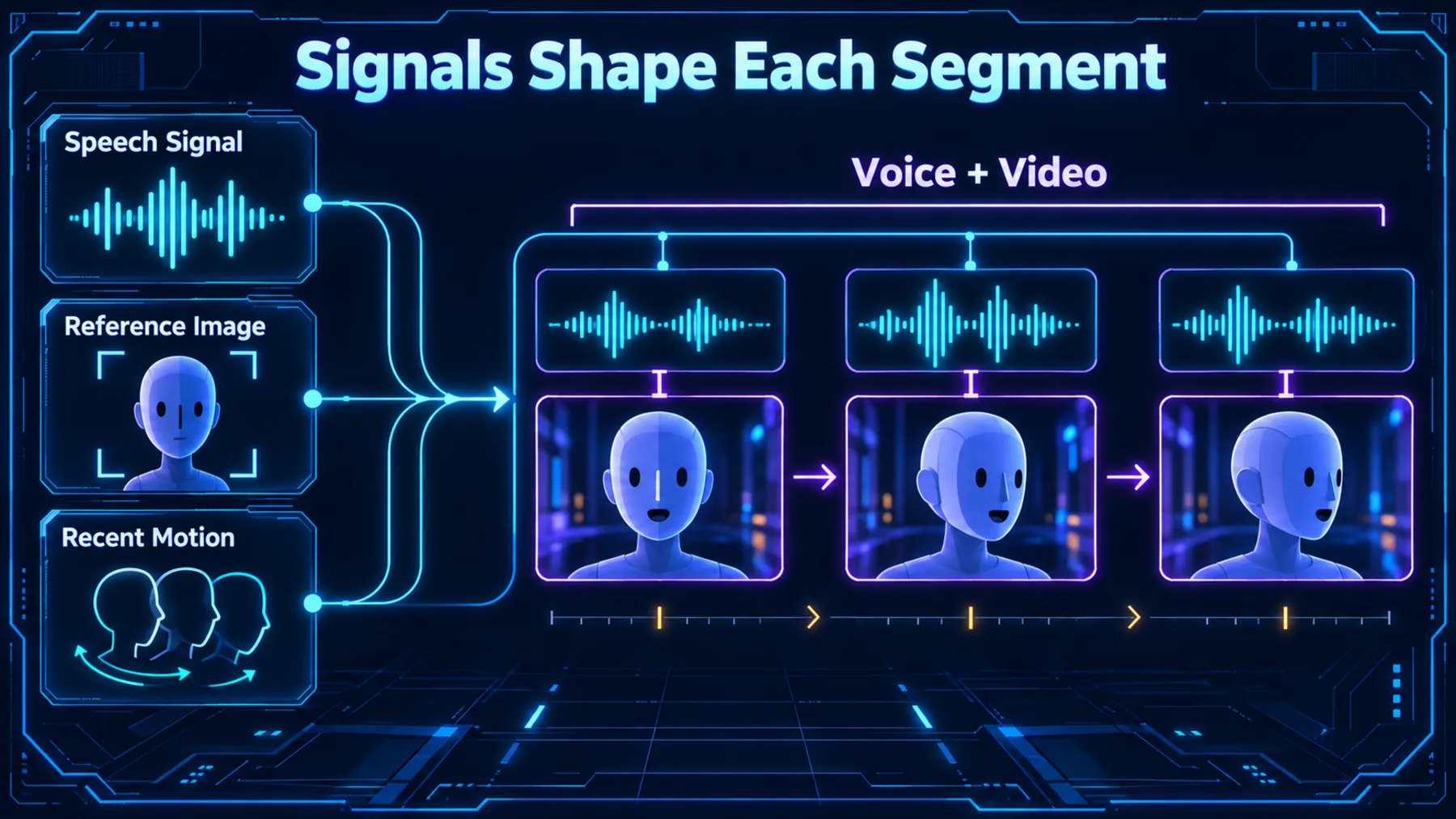
Meta says the spoken words and their delivery provide shared signals for sound and the character’s visual response.
Rather than treating a voice track and an animated face as unrelated outputs, Meta says Muse Realtime Voice produces a stream carrying what is said and how it is delivered. One part becomes speech; the avatar uses the same stream to shape its corresponding movement.
The system also draws on the reference image and a rolling window of recent generated video. Each short segment supplies context for the next. That is Meta’s explanation for how it aims to keep a character recognisable while the conversation continues, not a guarantee that drift never occurs.
A demonstration is not an access promise
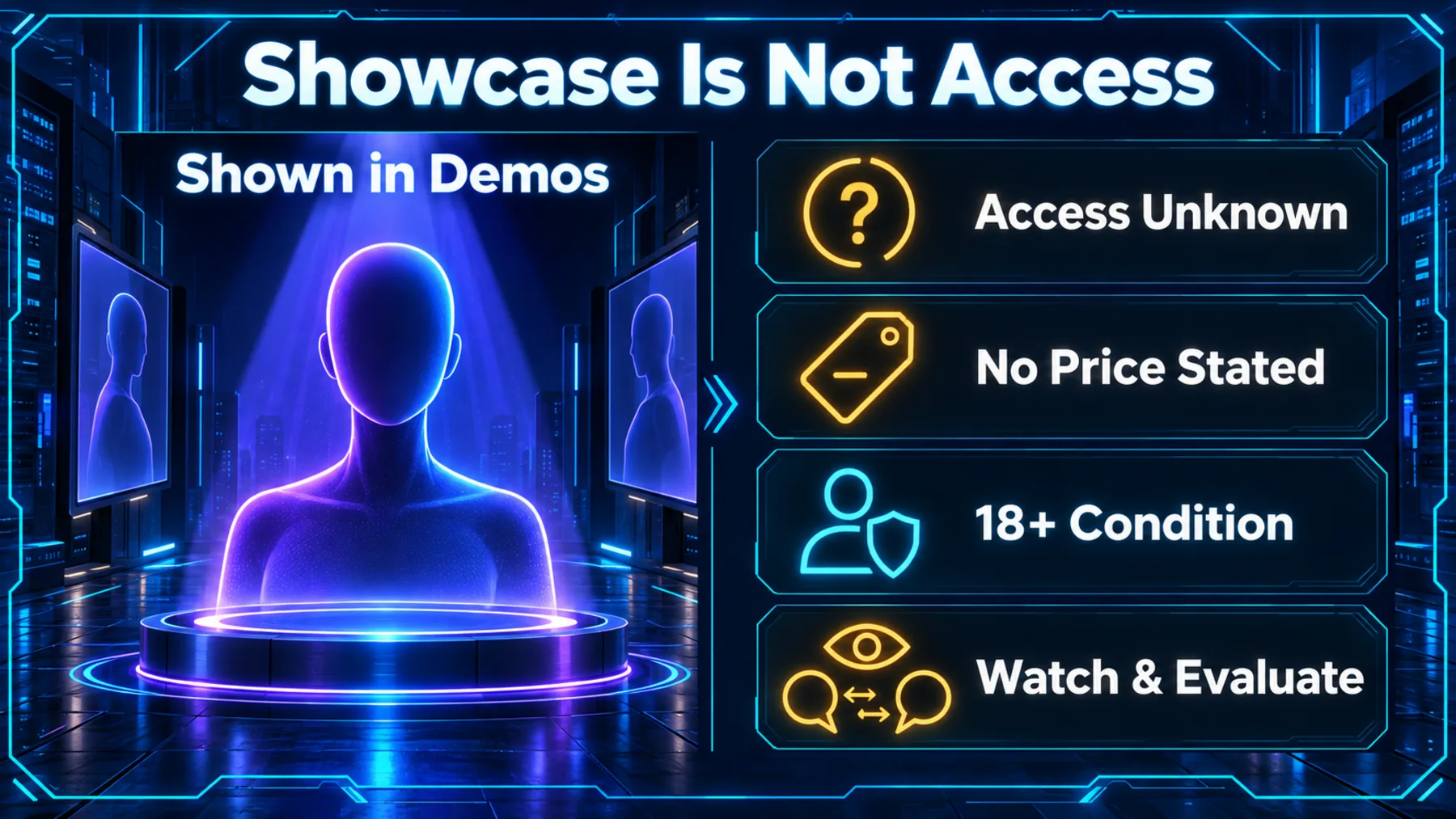
Meta’s examples show model capability. They do not establish that every showcased avatar is available to use.
Meta explicitly says not all examples in its blog reflect avatars available in the Muse app, and that Muse is for people aged 18 and over. The supplied material does not establish a price, general access route, API access or which demonstrated characters we can select.
If we can try a live avatar, the useful test is an exchange rather than a single greeting: watch whether words and mouth movement align, whether expressions fit the speech, whether the character stays recognisable and how long the response takes to begin. Until access is clear, Meta’s published examples remain demonstrations to examine, not a first-use journey we can promise.
Watch the whole conversation
The interesting advance is a character that can respond in the moment without losing its identity. That takes more than an impressive opening shot.
Meta has put forward a coherent account of how voice, movement and recent visual context can work together, with specific measures for model work and response onset. Its own live-call comparison adds useful evidence, but it remains Meta-reported and includes a mannerism result that was not distinguishable from parity against Runway Characters.
The next question is one we can observe when access allows: does the same character remain convincing as we interrupt, change direction and keep talking? The prompt below starts that test without pretending a brief exchange proves performance across every call.
The first response shows the promise. The next few turns reveal whether voice, motion and identity can stay together.
Altior synthesis of Meta’s published description and live-call comparison
A conversation that tests continuity
Let's plan a small dinner together. First, suggest a simple vegetarian main course and explain why it works. Then ask me one question about the meal. As we talk, remember the dish we chose and respond naturally when I change one detail. Keep speaking at a conversational pace.Ready to copy
Keep the claim as precise as the test
Meta has shown an ambitious live-avatar system, not a settled answer to every question about access or long-call performance. We will watch what becomes available and what further evidence shows when conversations run beyond the showcase.
Try the promptThree questions worth following
- Which demonstrated avatars become available in Muse, and to whom?
- How well do appearance, mannerisms and synchronisation hold across longer, unscripted calls?
- Will independent tests reproduce Meta’s reported live-call advantages while accounting for the Runway mannerism parity result?