Muse Image: the one-cent image is not the real promise
OpenRouter says Meta’s Muse Image pairs search grounding and selective editing with a $0.01-per-image price. The more consequential claim is whether a revision can leave the rest of the image alone.
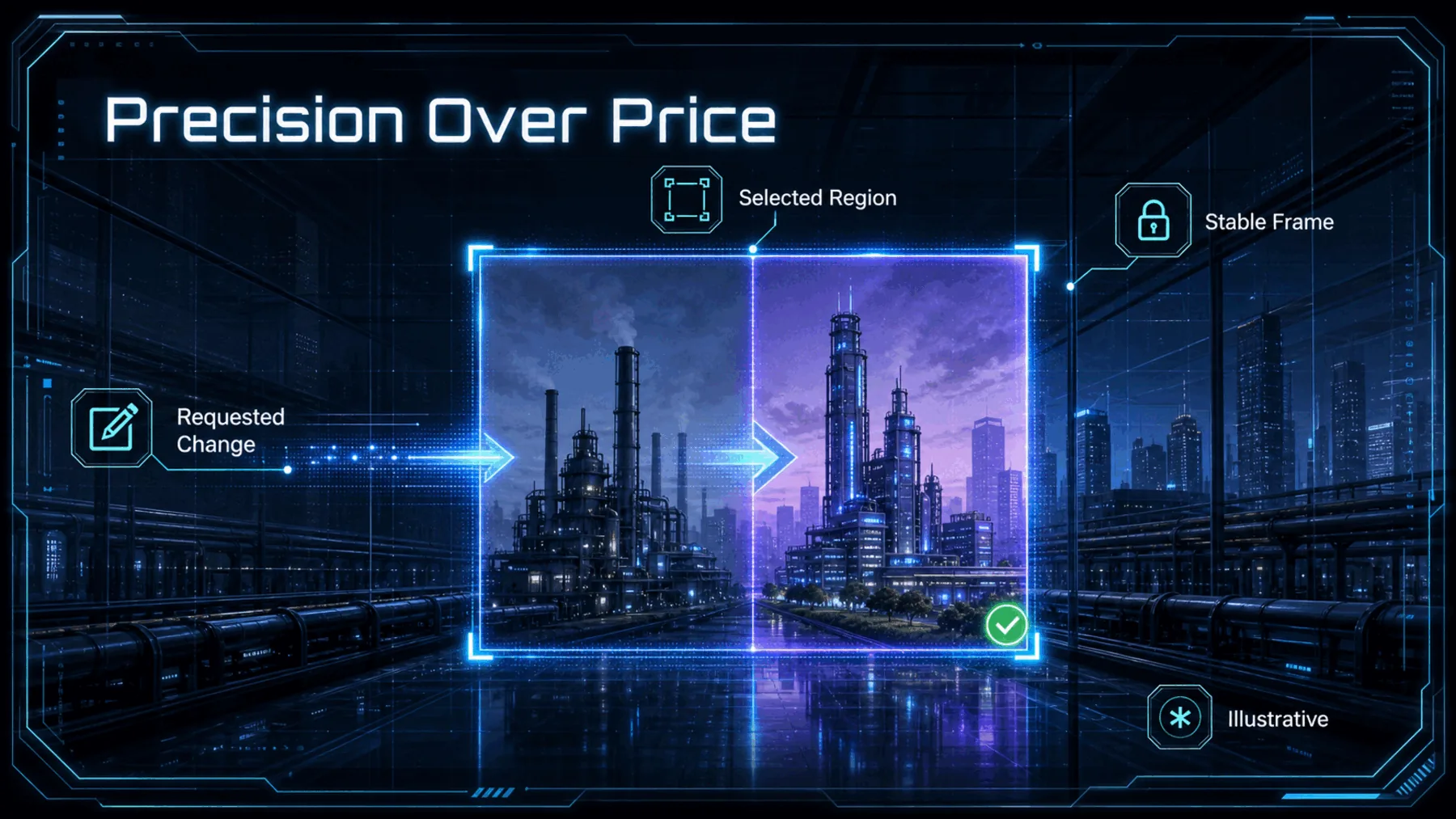
We know the familiar problem: an image is nearly right, then one requested change sends us back through faces, lighting, layout and brand details that were not meant to move. The real cost is not simply another image; it is the review cycle that follows.
OpenRouter says Muse Image can make complex edits while preserving what is untouched, with search grounding available. That is a useful promise to examine, but the launch post is not independent proof of how reliably it holds up.
The expensive part is the rerun
A low unit price matters less if every small revision creates a fresh inspection job.
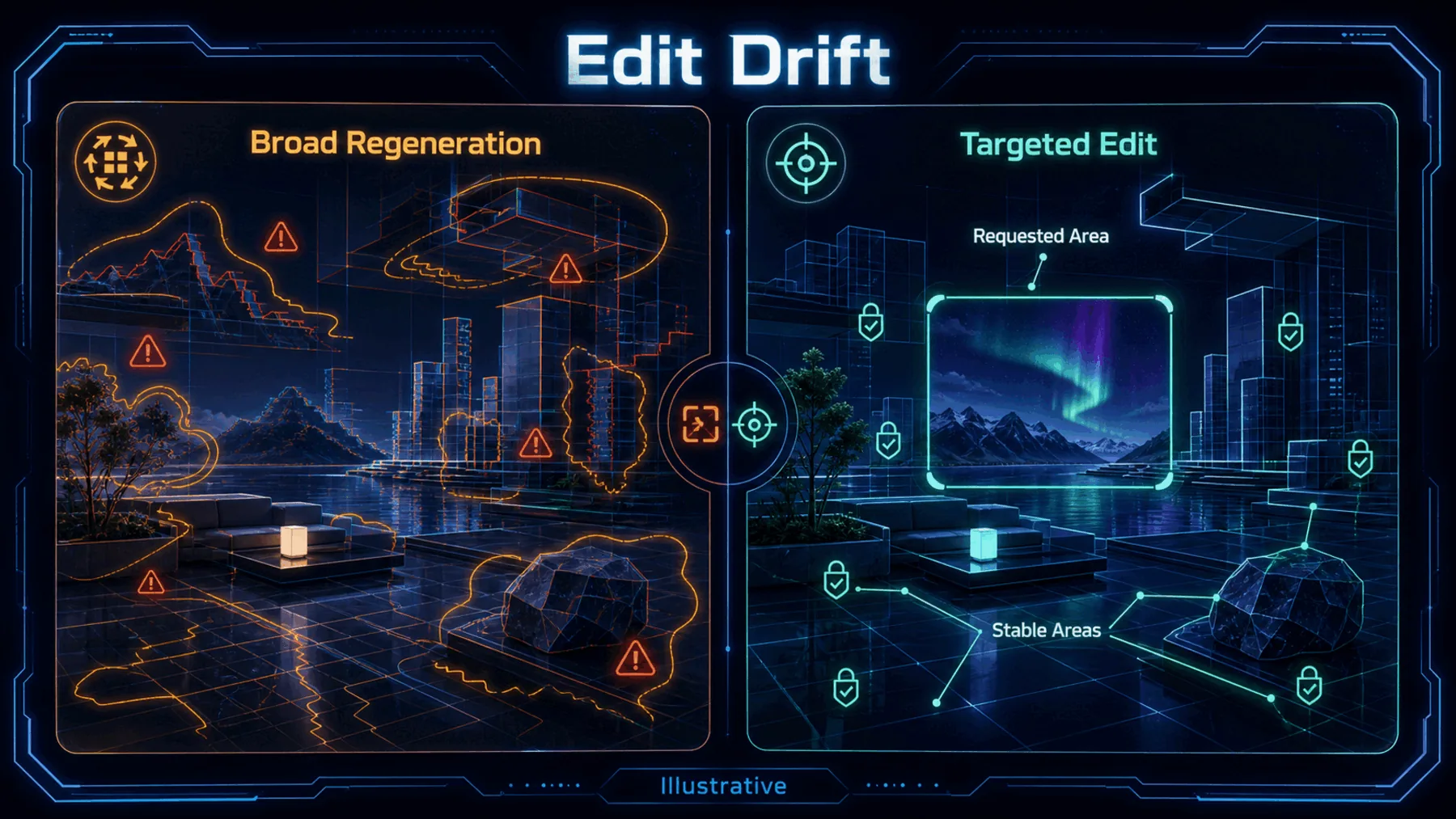
A one-cent image is an easy number to repeat. Yet the working cost of image generation rises when a small correction means checking the whole composition again, then rerunning it because an unrelated detail has changed.
If selective editing behaves as OpenRouter describes, the value is not a cheaper pile of outputs. It is fewer avoidable reruns and a narrower review surface.
What OpenRouter is claiming
The announcement names availability, search grounding, complex editing, untouched-area preservation and a $0.01-per-image price. Each needs attribution and current verification.
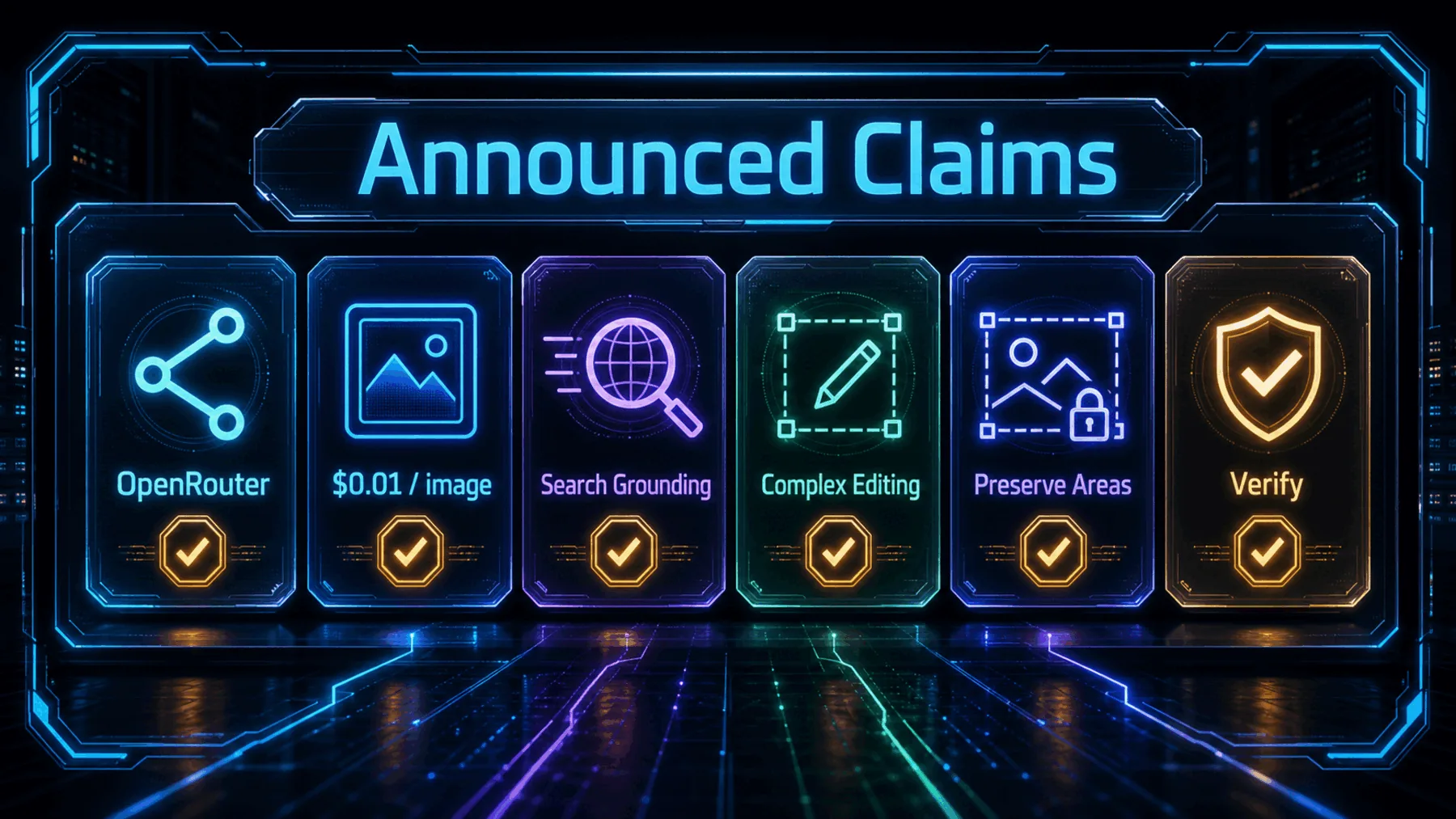
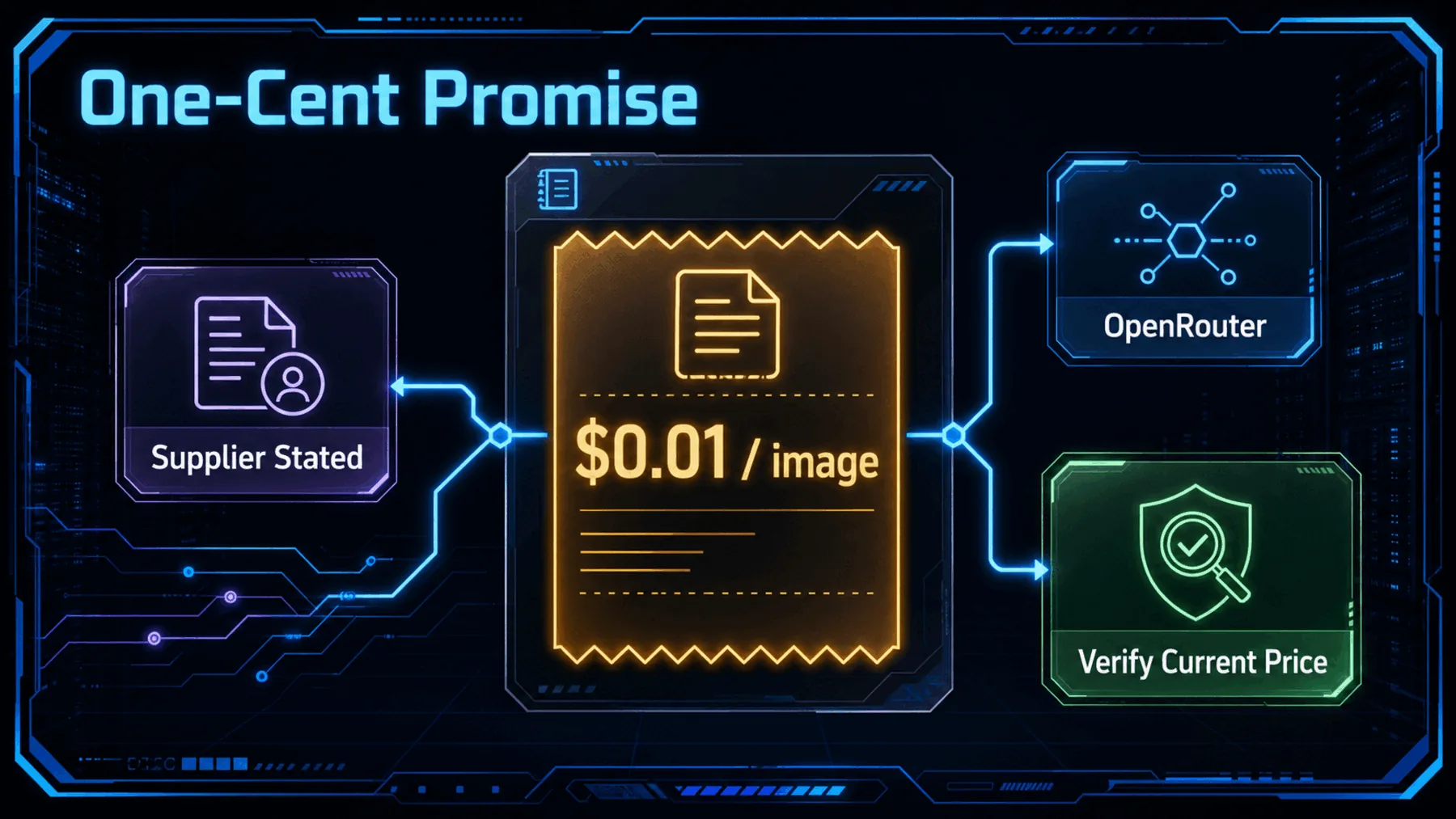
OpenRouter’s post makes a compact package of claims: Muse Image is available through OpenRouter, it is grounded by search, it can create and edit complex images, and it can preserve what we do not touch. It also presents a $0.01-per-image price for production volumes.
Those claims explain the story, but they do not settle it. We would need current product documentation and hands-on evaluation before treating price, grounding, preservation or volume suitability as established.
The launch receipt
The available poster supports the existence of OpenRouter’s launch media, not the model’s performance.
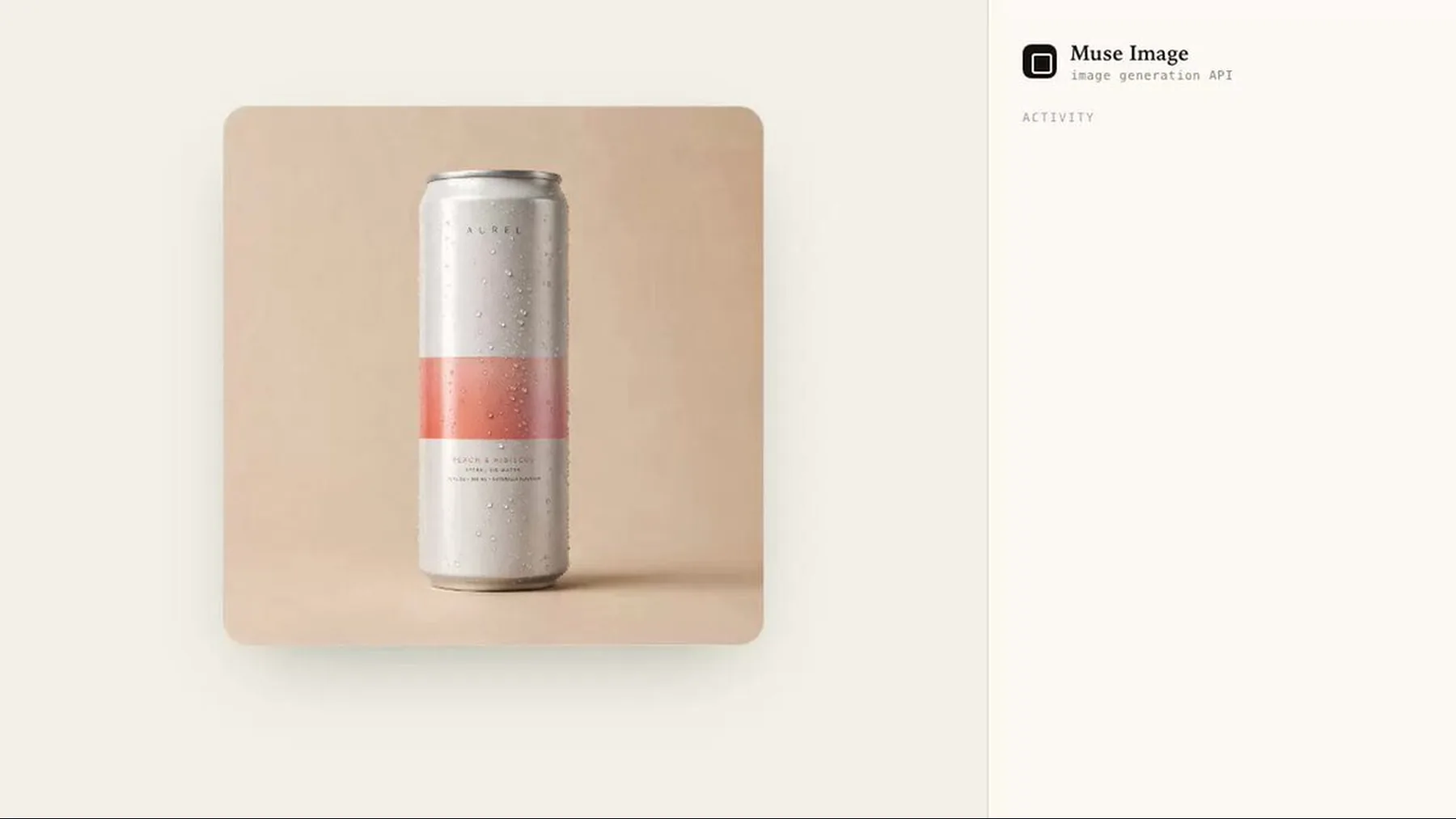
There is a clean distinction worth keeping. OpenRouter’s post and attached launch media show that the announcement was published and that the stated positioning exists.
They cannot tell us whether grounding improves a given image, whether an edit preserves every important detail, or whether the listed price applies in the circumstances we need.
“Create and edit complex images that preserves what you don't touch, all at a competitive price point that makes high-volume creative work possible.”
OpenRouter post on X, 26 August 2026
What the evidence does not prove
The source tells us what OpenRouter announced. It does not yet establish outcomes in our own workflow.
We do not have independent evidence here for the live price, the quality of search grounding, preservation during edits, supported formats, limits, licensing, availability or production suitability.
That does not make the announcement uninteresting. It tells us exactly where a practical evaluation should start, and where confidence would be premature.
“Grounded by search and priced for production volumes at $0.01/image.”
OpenRouter post on X, 26 August 2026
How the promise is supposed to work
The conceptual sequence is simple: make one request, retain the rest, then inspect what changed.
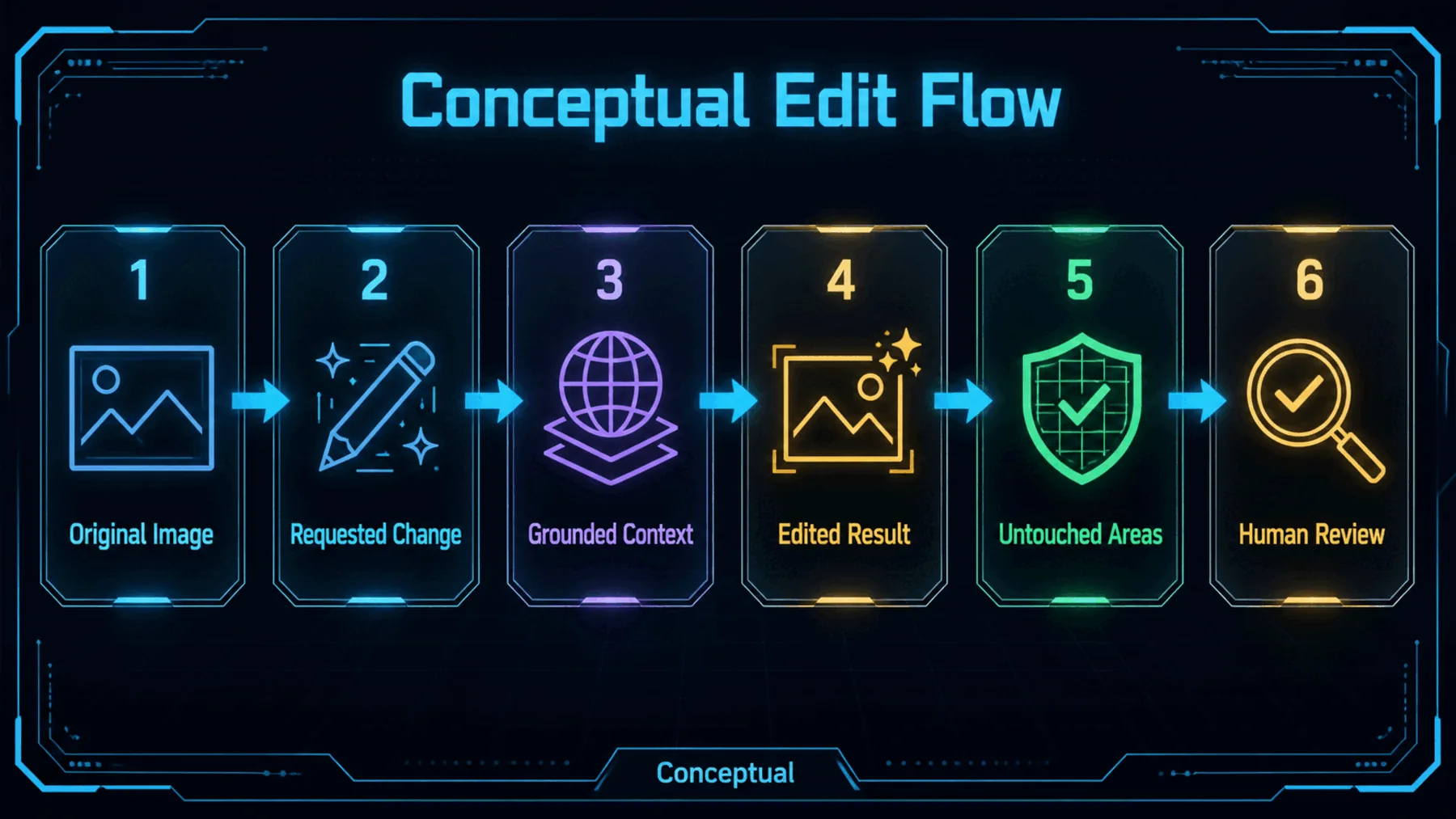
The useful framing is not an internal model diagram. It is a working sequence: start with an existing image, define the one change that matters, make the edit, then check the regions that should have remained stable.
OpenRouter positions search grounding as part of that process. We should treat it as a claim to test, especially where product details, brand references or factual context affect the image.
Define
Specify one bounded change and name the details that must remain stable.
Edit
Apply the requested revision using the claimed grounding where it is relevant.
Inspect
Review both the changed area and the untouched composition for drift.
What we would actually test
The announcement becomes useful only when we can compare its promises with a repeatable review path.
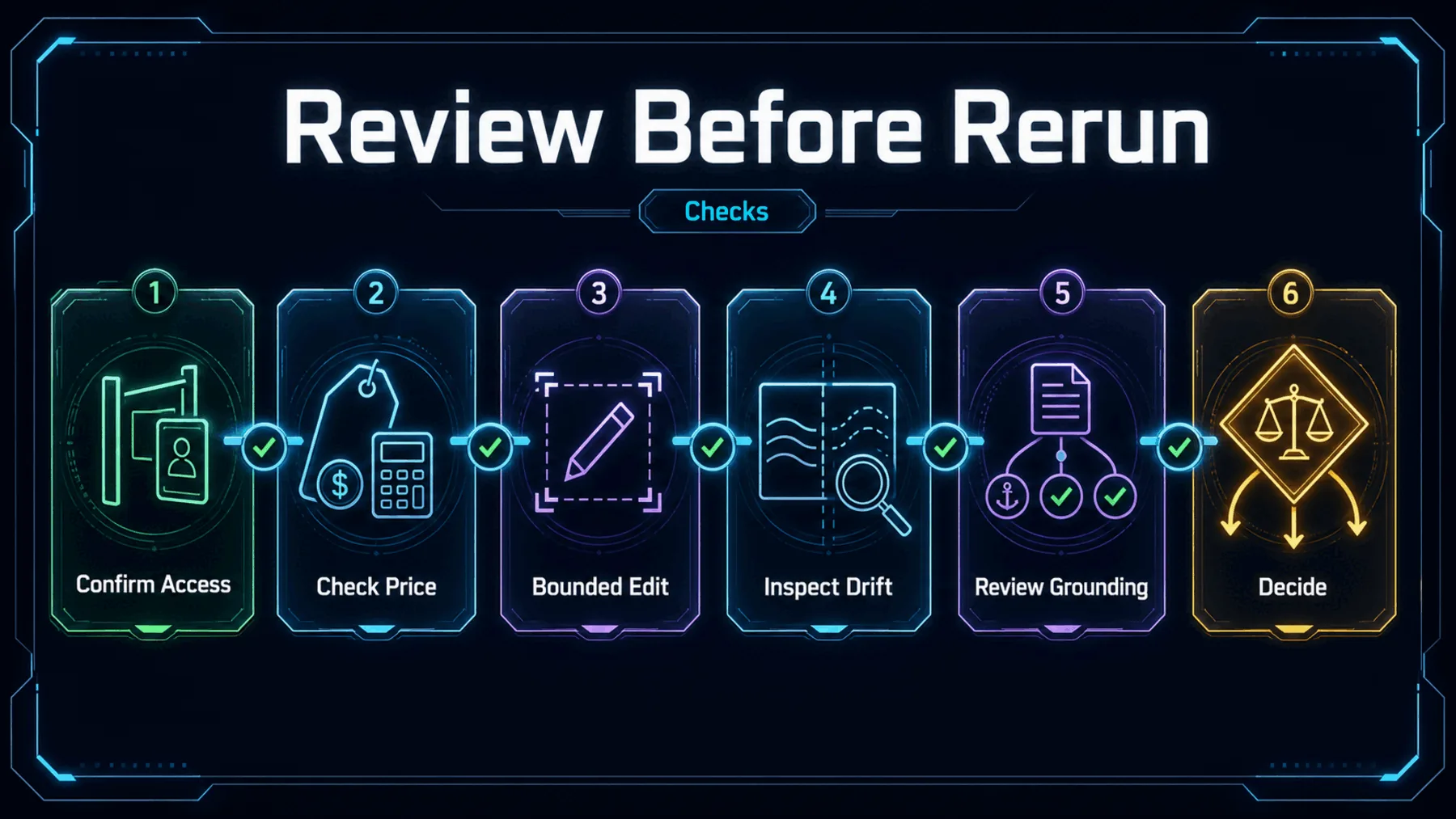
Access
Confirm current availability and the terms attached to the model listing.
Edit
Request one specific change while naming the details that must remain intact.
Review
Inspect drift, grounding and reruns before drawing a workflow conclusion.
We would begin with the unglamorous checks: whether the model is currently accessible, what the price and terms say now, and what limits apply. None of those details should be assumed from a single launch post.
Then we would run a bounded edit. The question is not whether an image can change; it is whether the requested change reduces rather than expands the work needed to review the result.
Cheap matters only if revision stays controlled
The price can be compelling, but the workflow value depends on whether targeted edits reduce drift and repeated review.
A low image price becomes meaningful only when one requested change does not create a larger job elsewhere.
Based on OpenRouter’s published launch claim
OpenRouter’s announcement gives us a credible reason to look beyond the one-cent headline. If a selective edit keeps the surrounding work stable, it could change the economics of revision more than the unit price alone.
For now, that is the hypothesis—not the verdict. The stronger reading is practical and cautious: test the edit boundary, inspect the retained areas and verify the current commercial terms.
Test a bounded edit before scaling
Act as a cautious creative reviewer. Starting from one image, propose a single bounded change to the product colour while preserving the composition, people, layout and lighting. State any search-grounded assumptions separately, then return: the edit instruction, a list of unchanged regions to inspect, and a short review checklist for unintended drift.Ready to copy
Verify the revision, then the price
Before we build a workflow around the headline, run one bounded edit and compare the review effort with a full rerun. Then confirm the current listing, terms and limits.
Try the promptWhat to verify next
- Current model listing
- Live price details
- Grounding documentation
- Bounded edit tests