MiniMax Design: One prompt. A directed production.
MiniMax Design says one brief can move through a connected crew for copy, image, video and audio—while the creator returns at key checkpoints.
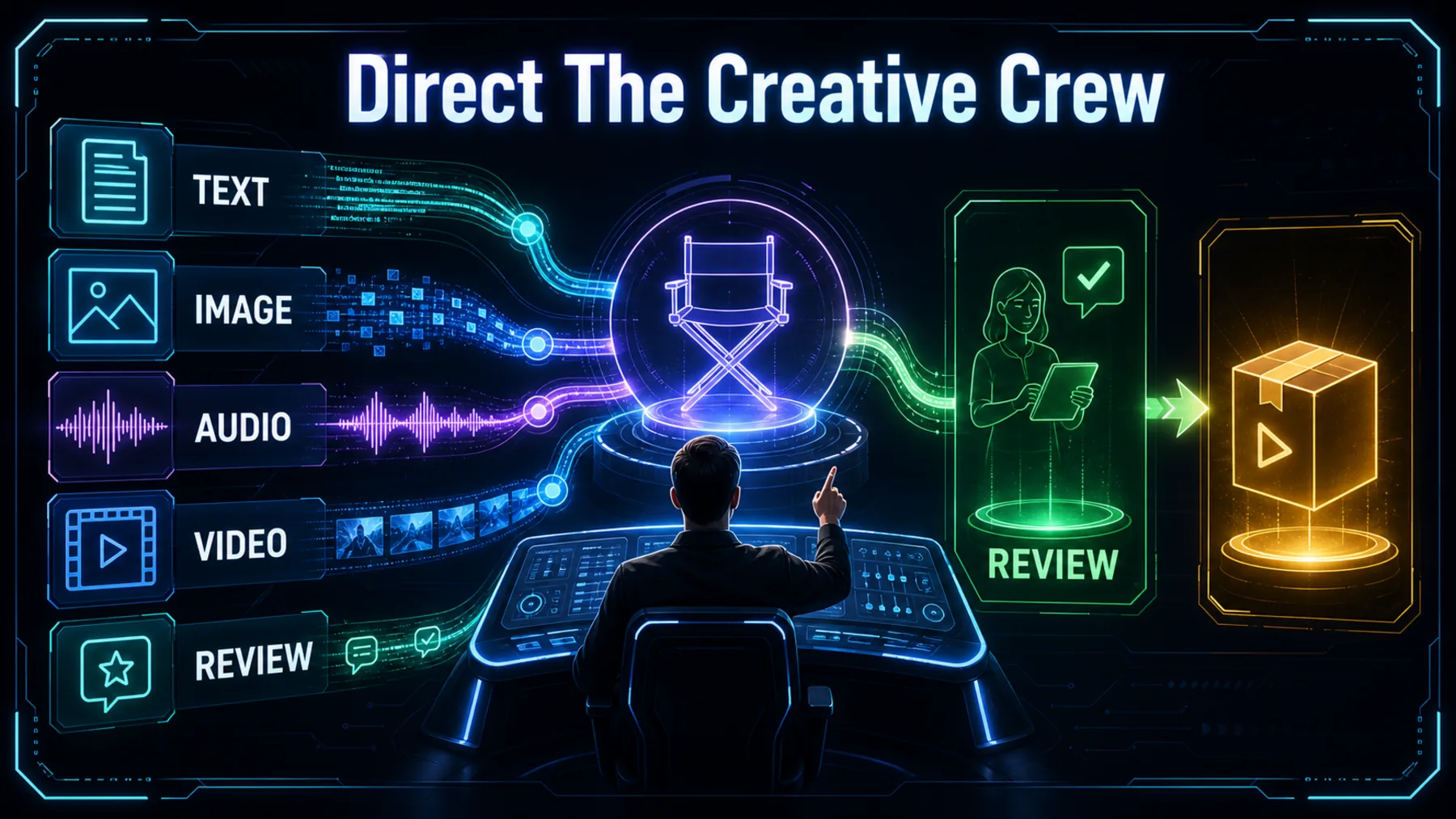
Prompt roulette has a familiar rhythm: write, reroll, move to the next tool, then try to stitch the pieces into something coherent. MiniMax Design is pitching a different arrangement—one creative brief becomes a shared production, with specialist work happening around it.
That is a more ambitious promise than a rename or a temporary offer. MiniMax says its workspace connects script, storyboard, video, music and editing on one canvas, then asks for direction at key moments before it moves on.
Prompt roulette has a cost
When every medium starts in a different place, the work of joining it up becomes part of the creative job.
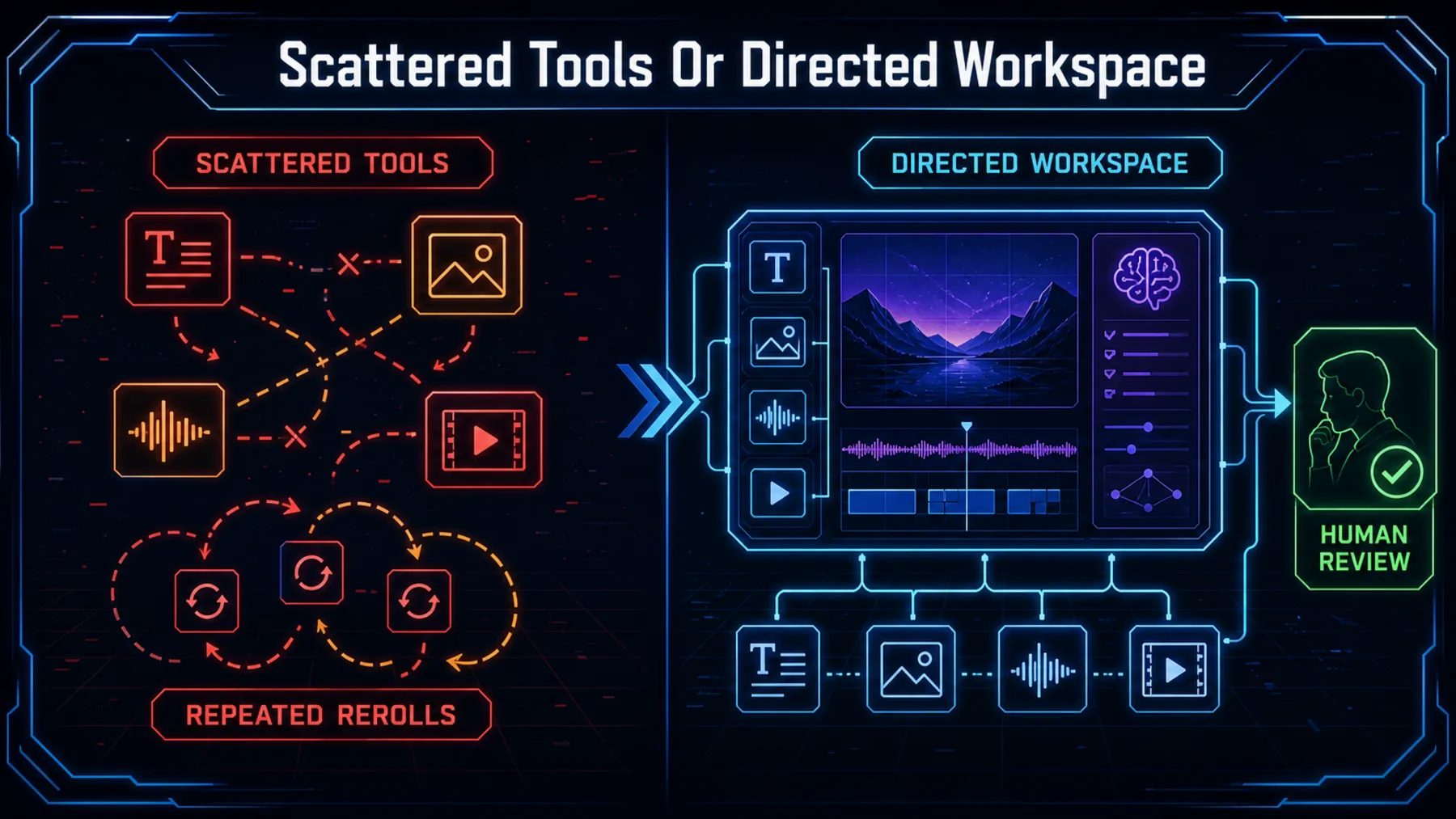
Separate tools can make every new prompt feel like a fresh beginning. The script drifts from the image, the image drifts from the edit, and the original idea is carried forward mostly by memory and manual repair.
MiniMax’s proposition is that a brief can hold the work together. Its product page describes a main agent reading the request, splitting tasks and coordinating media work. That is a product claim, not proof that the resulting production will be better.
From brief to delivery
MiniMax describes a sequence that turns direction into parallel media work, then brings the creator back before the final merge.
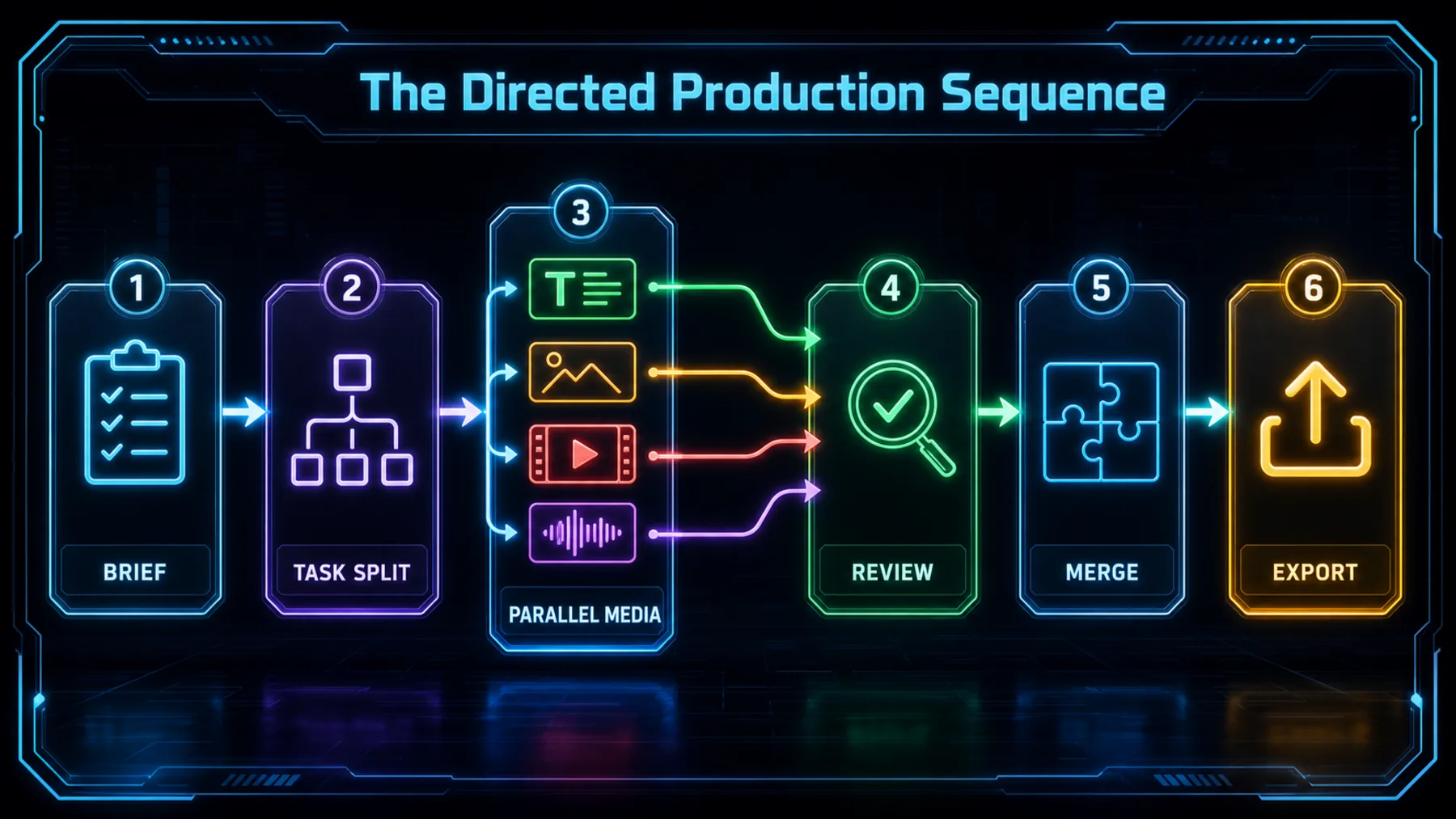
MiniMax says the work begins with an idea or brief. From there, its main agent breaks the job into tasks and matches work to specialist agents. The company describes copy, image, video and audio agents launching in parallel, before the project is merged, edited and exported.
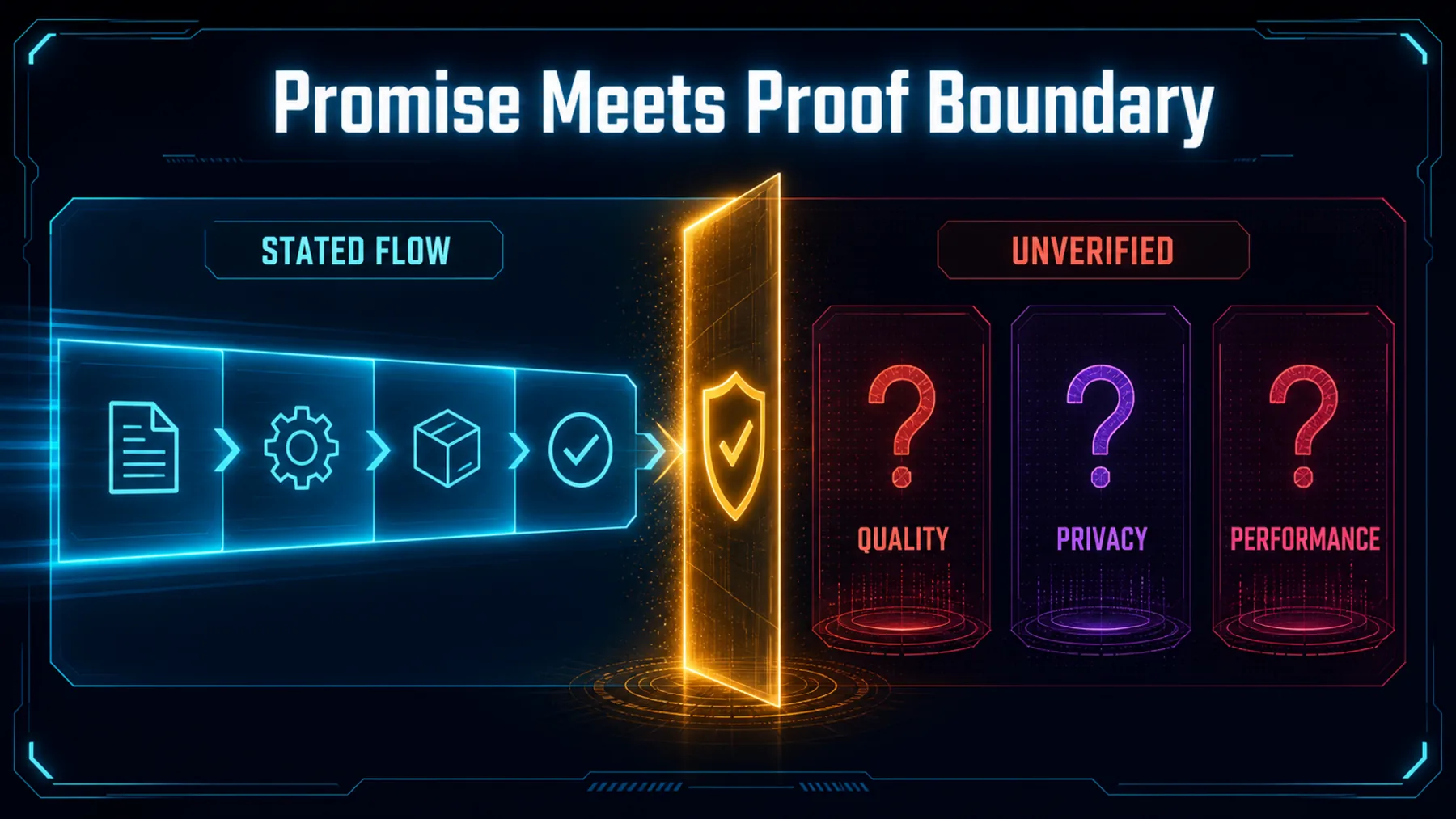
The sequence matters because it makes direction the centre of the experience. But the evidence here only shows how MiniMax presents the workflow. It does not tell us how reliably that sequence performs, how it handles sensitive material, or whether it delivers a stronger finished piece.
MiniMax calls it a digital crew
The launch material makes the ambition visible: a renamed workspace built around a coordinated creative team.
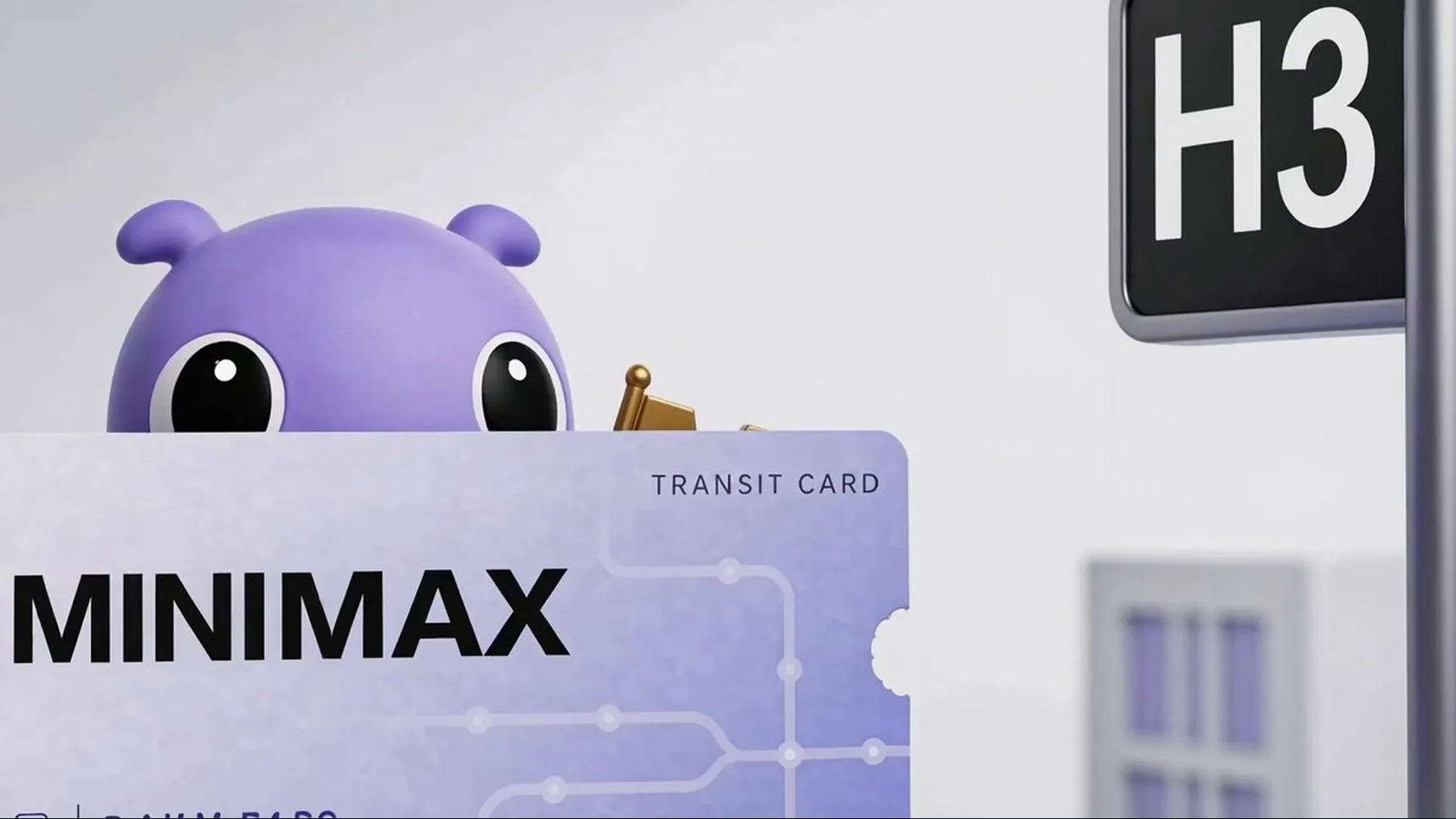
MiniMax announced the rename from MiniMax Hub to MiniMax Design on 10 August 2026. The accompanying launch material directs attention to a creative workspace rather than a single-generation feature.
On its product page, MiniMax describes Design as an AI-native creation platform and a “digital crew”. The phrase is worth taking seriously as positioning: it names the company’s bet that coordination around generation is the real product.
MiniMax Hub is Officially Renamed to MiniMax Design!
MiniMax Design (H3)
One canvas, qualified claims
The product image shows MiniMax’s published workspace and approval state; it cannot verify what happens beyond that screen.
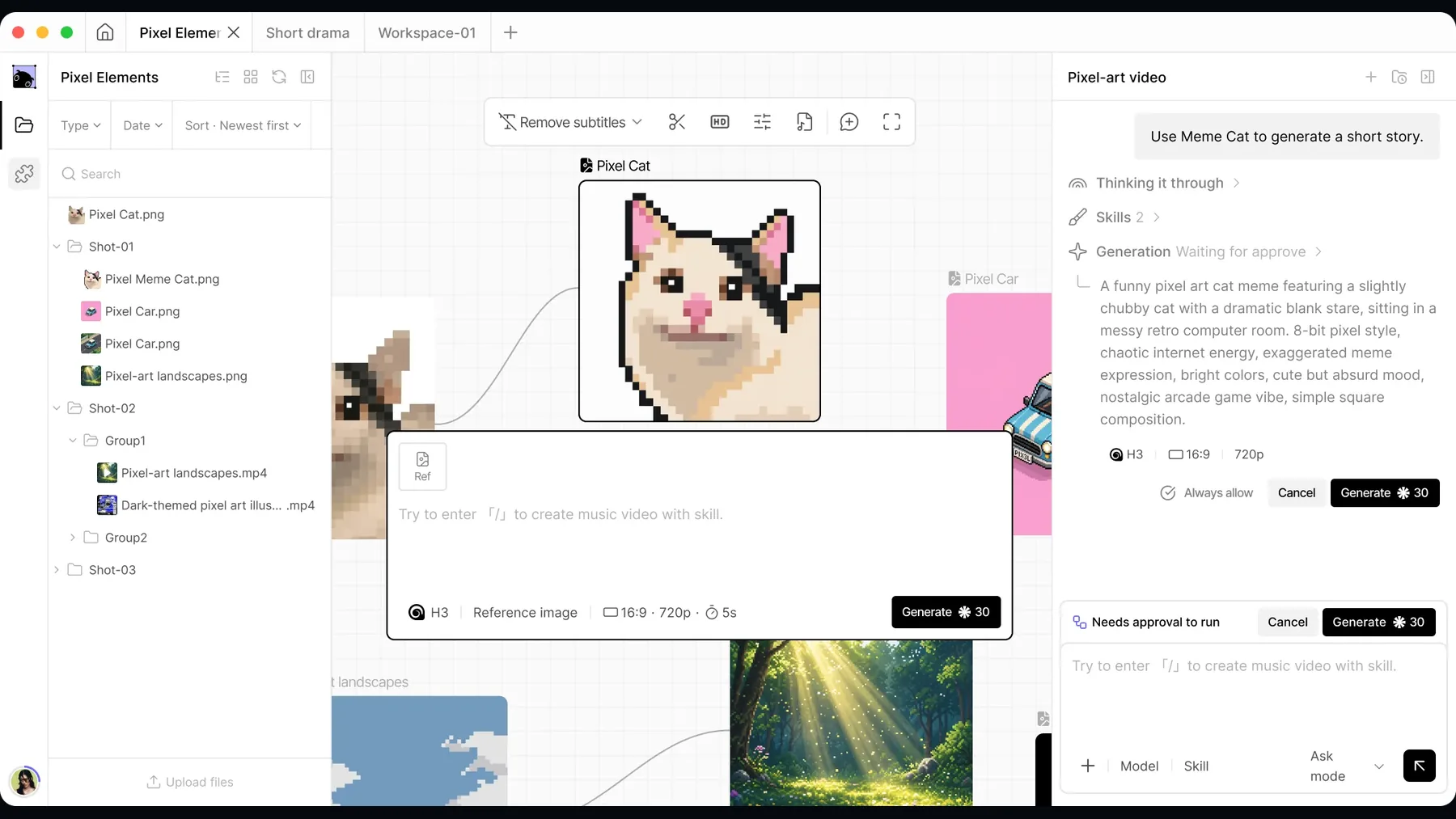
MiniMax says script, storyboard, video, music and editing live on one canvas. Its published interface also presents skills, local-file connections and an approval state as parts of the working surface.
That picture makes the product easier to understand, but it should not carry more weight than it can bear. “Local-first” is MiniMax’s wording, not evidence that files never leave a device; a checkpoint is not evidence that every action needs approval.
How the crew is meant to work
MiniMax’s account is straightforward: a main agent divides the brief, specialist agents work in parallel, and the project returns for assembly.
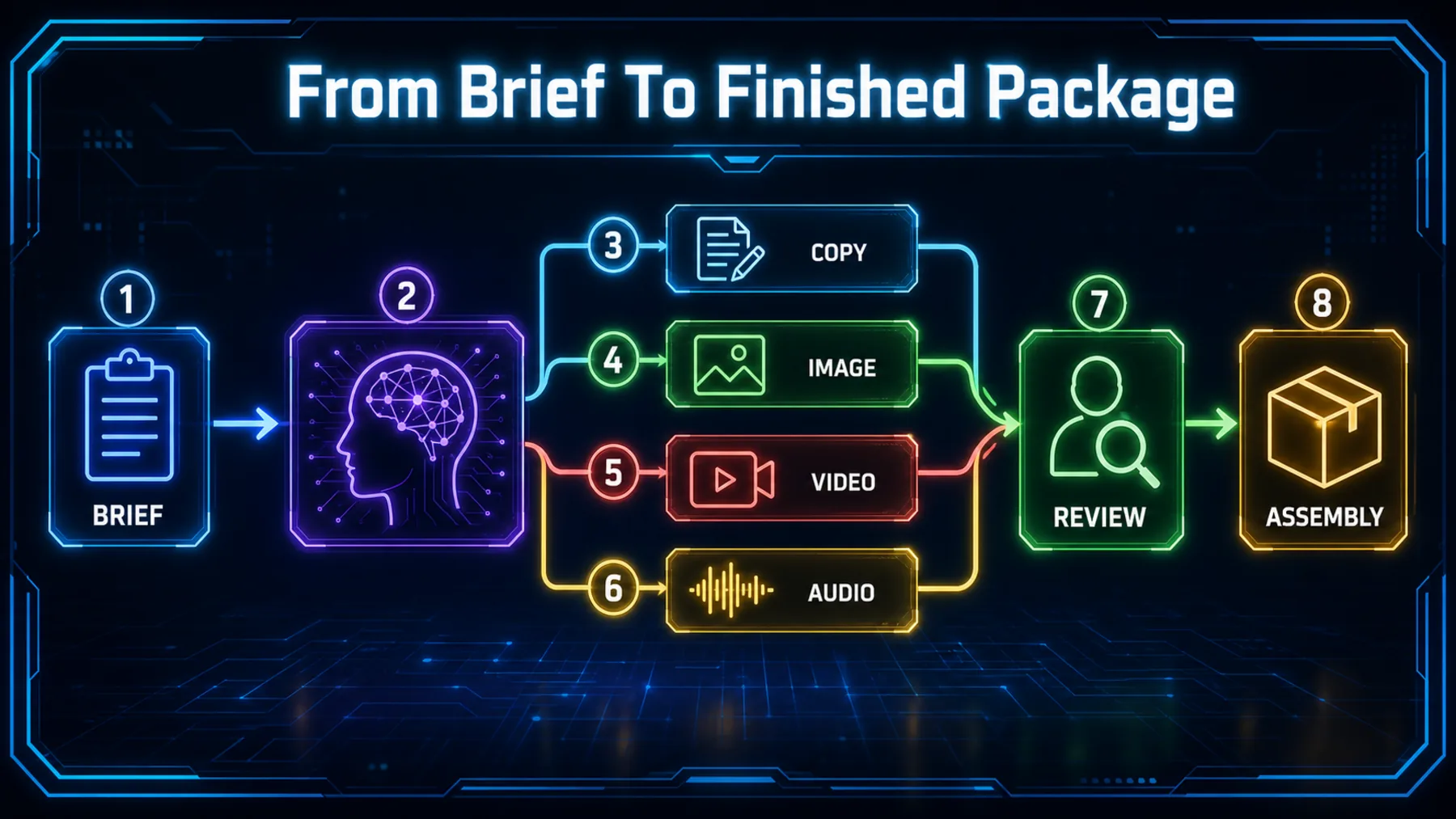
The supplier’s workflow starts with intent. We describe an outcome or add a brief; MiniMax says the main agent interprets it, breaks it into tasks and selects the work needed to make the piece.
Four dedicated agents then take their respective parts: copy for text, image for visuals, video for the timeline and audio for voiceover. The work is intended to rejoin in one project, where it can be reviewed, merged, edited and exported.
Brief
Start with the outcome and the material that should shape it.
Split
MiniMax says the main agent assigns text, image, video and audio work.
Assemble
Bring the separate outputs back to one canvas for review and delivery.
Where direction comes back in
A creative crew only helps if we can still intervene before its choices become the final output.
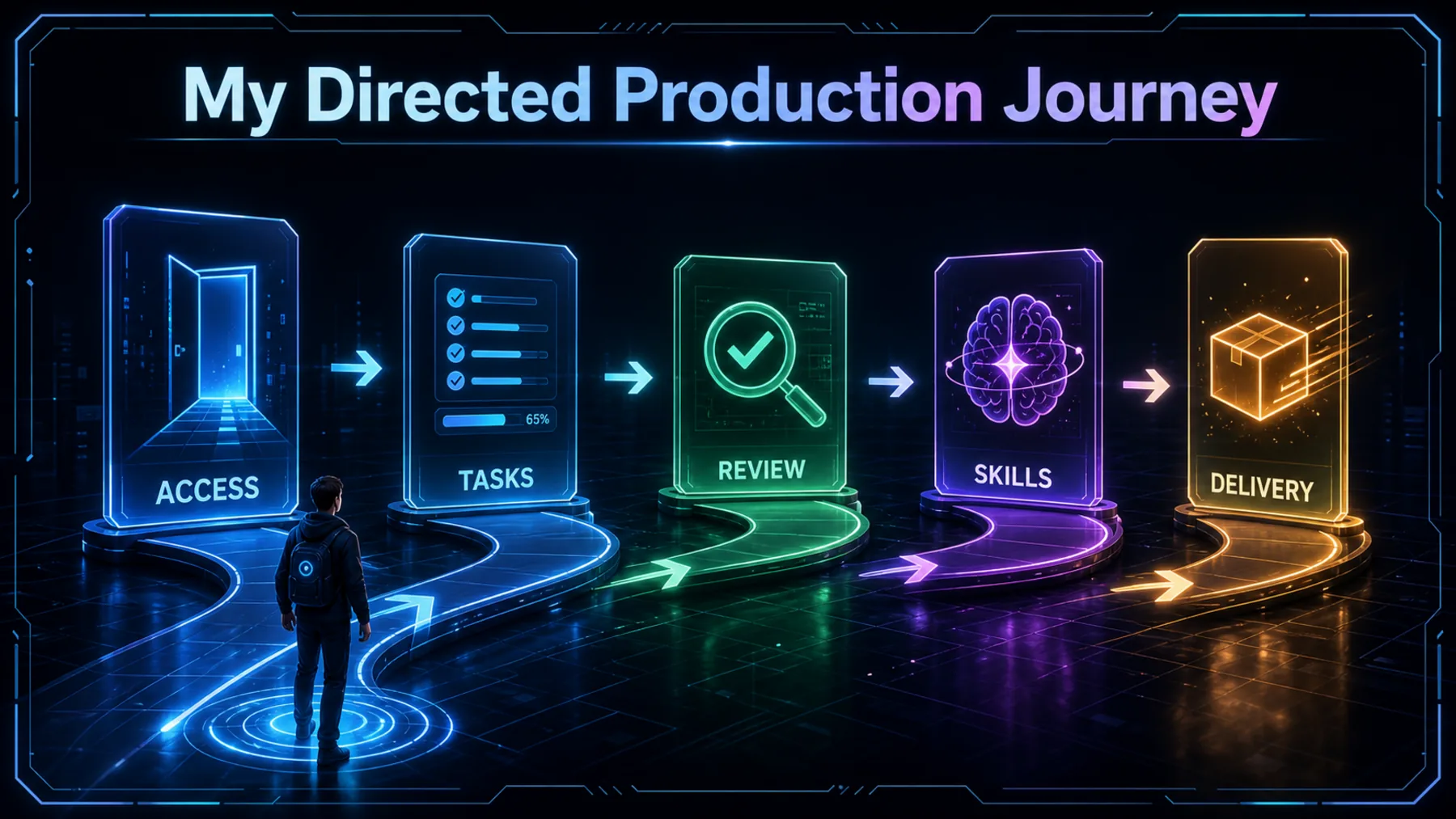
The strongest part of this proposition is not that work can happen in parallel. It is that MiniMax says the agent pauses at key checkpoints for direction before moving forward. That makes room for us to correct the brief, change the visual language or reject an approach before it becomes the assembled piece.
MiniMax also presents reusable skills and bridges to local files and professional tools as ways to carry a method from one job to the next. Those features may make a workflow easier to repeat, but the published claims do not establish their safety, privacy or consistency in practice.
Brief clearly
Set the intended outcome, constraints and material before work begins.
Review early
Use the stated checkpoints to correct direction before assembly.
Check terms
Confirm current plan, access and data-handling details before wider use.
Direction is the real test
MiniMax’s promise is compelling only if coordination removes rerolls without removing meaningful human control.
A larger pile of generated material is not automatically a better creative process. The potential shift here is more specific: one brief may hold text, images, video and sound together while we decide when the work is ready to advance.
MiniMax has made that case through its own product page and launch material. What remains unproven is the part that matters most in use—whether its direction, checkpoints and assembly produce work we can genuinely control.
The promise is not fewer prompts at any cost. It is a production that stays answerable to the person directing it.
Creator Broadcast synthesis from MiniMax’s published workflow
Direct a short campaign from one brief
Act as a creative director in MiniMax Design. Turn this brief into a 30-second launch film for a reusable water bottle: “show an early commuter choosing a bottle that lasts all day.” First provide a five-step production plan covering script, storyboard, image direction, video direction and audio direction. Then draft the script, list three scene beats, specify one visual reference for each beat, write a voiceover under 75 words, and end with the exact checkpoint questions that need approval before assembly. Keep every output concise and label assumptions separately from decisions.Ready to copy
Test the direction, not the demo
Try one contained production, inspect every checkpoint and compare the assembled result with the original brief. Let the workflow earn its place before it becomes the default.
Try the promptWhat could change the picture
- Workflow quality Whether a real multi-media project stays coherent from brief to final assembly.
- Checkpoint coverage Where MiniMax asks for direction and where work can still move without it.
- Privacy evidence Clear, current documentation of data flows and local-file handling.
- Live terms Current availability, plan conditions and any promotional language at the point of use.