MiniMax Design says its agent can replace giant prompts
MiniMax is pitching a move from detailed prompting to creative direction—but its published claim leaves the workflow unproven.
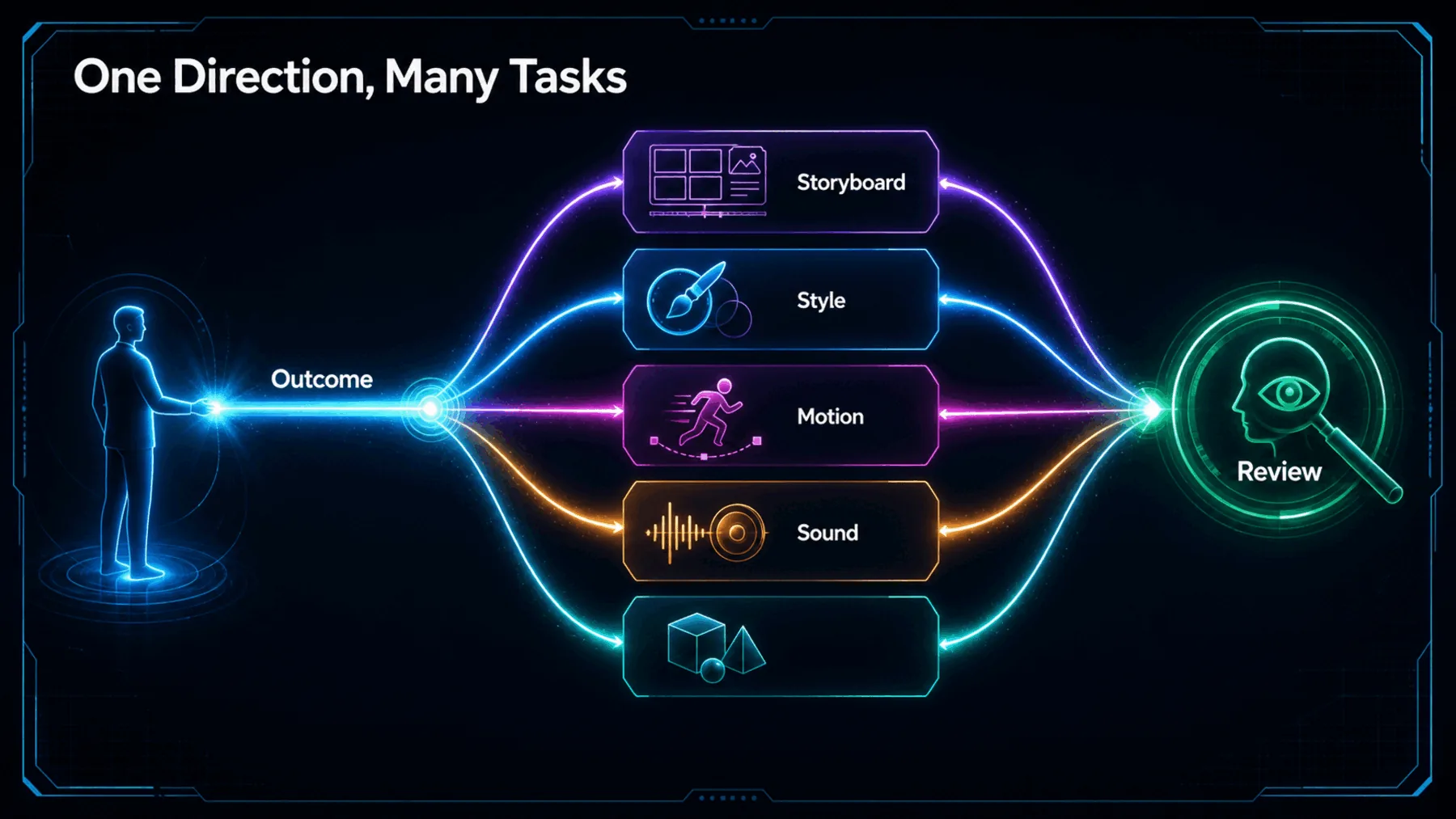
For anyone who has tried to turn a creative idea into a precise prompt, the friction is familiar: style, framing, pacing, revisions and constraints can all end up in the instruction. MiniMax Design is pitching a different division of labour—state the outcome, then let an agent carry more of the complexity.
That is a useful possibility to examine. It is not, on the evidence available here, a demonstrated production workflow.
Less instruction, more direction
The appeal is simple: spend less time specifying every move and more time deciding what the work should achieve.
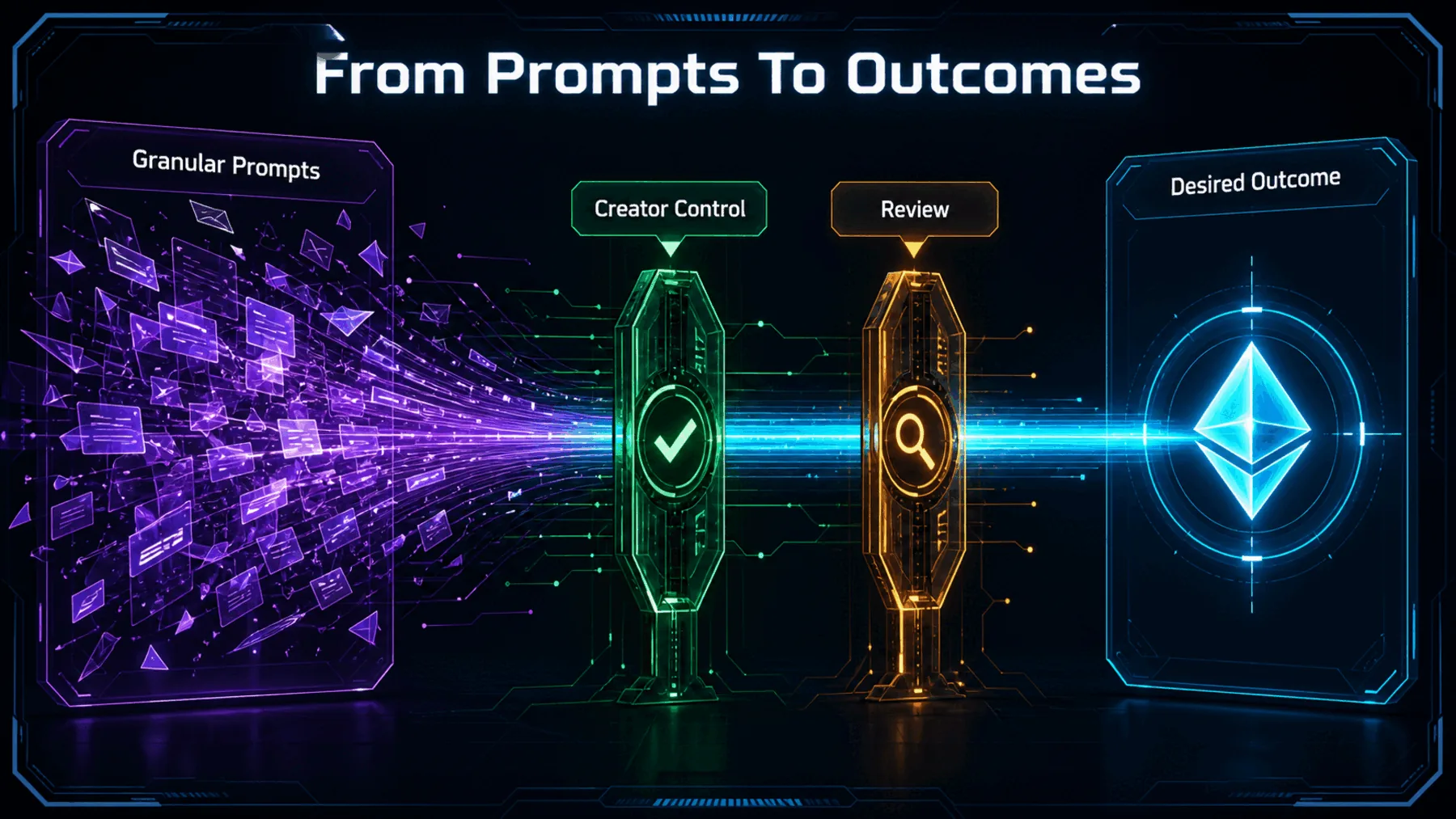
MiniMax’s line lands because it names a real burden. A creative brief can become a long chain of instructions when we are trying to control every visible detail before anything is made.
Its alternative is outcome-led direction: describe the result we want, then assess what comes back. That may change where the effort sits, but it does not remove the need for judgement.
What is actually on the table
One published claim is confirmed; the workflow, evidence and commercial detail behind it are not.
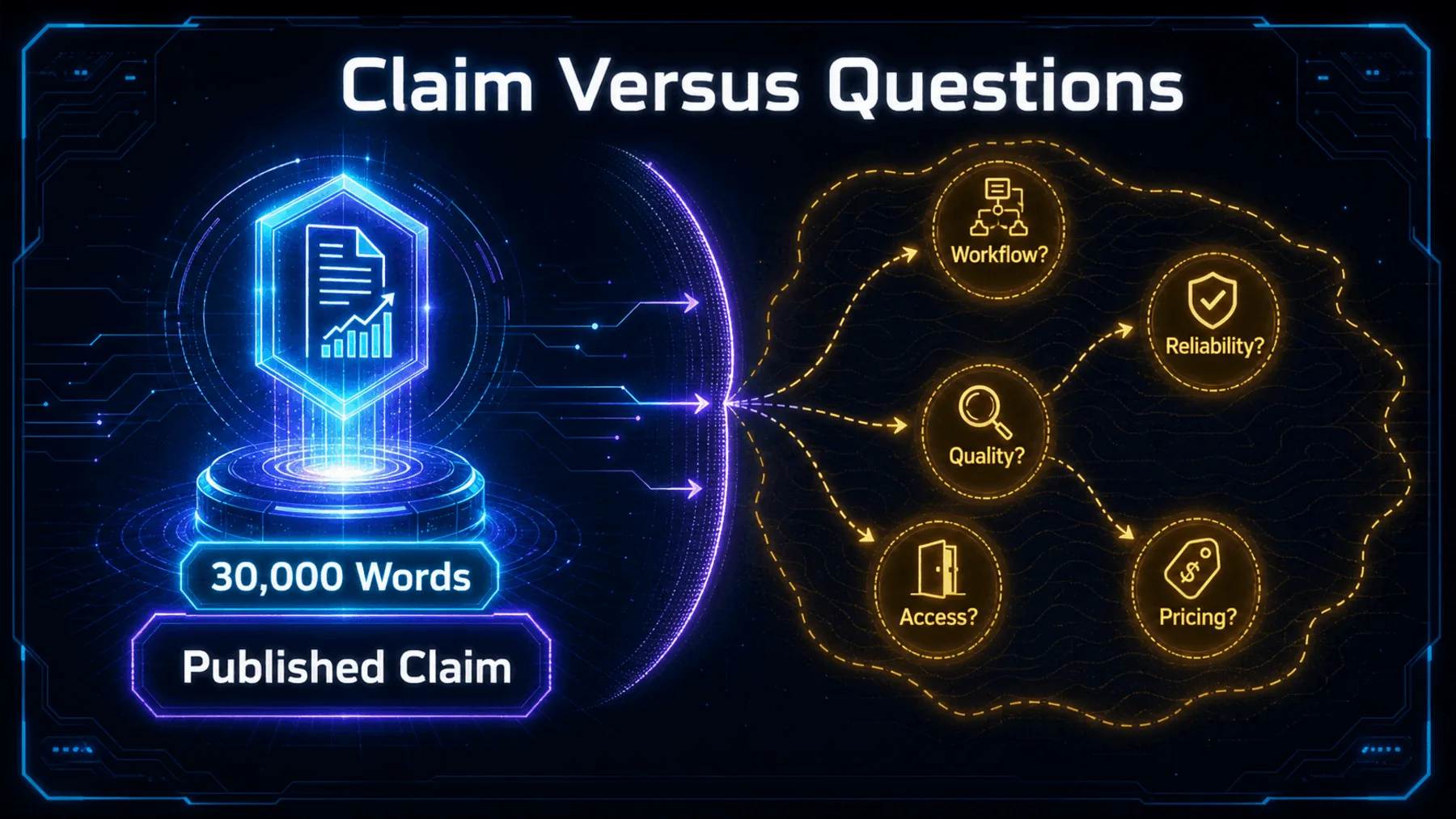
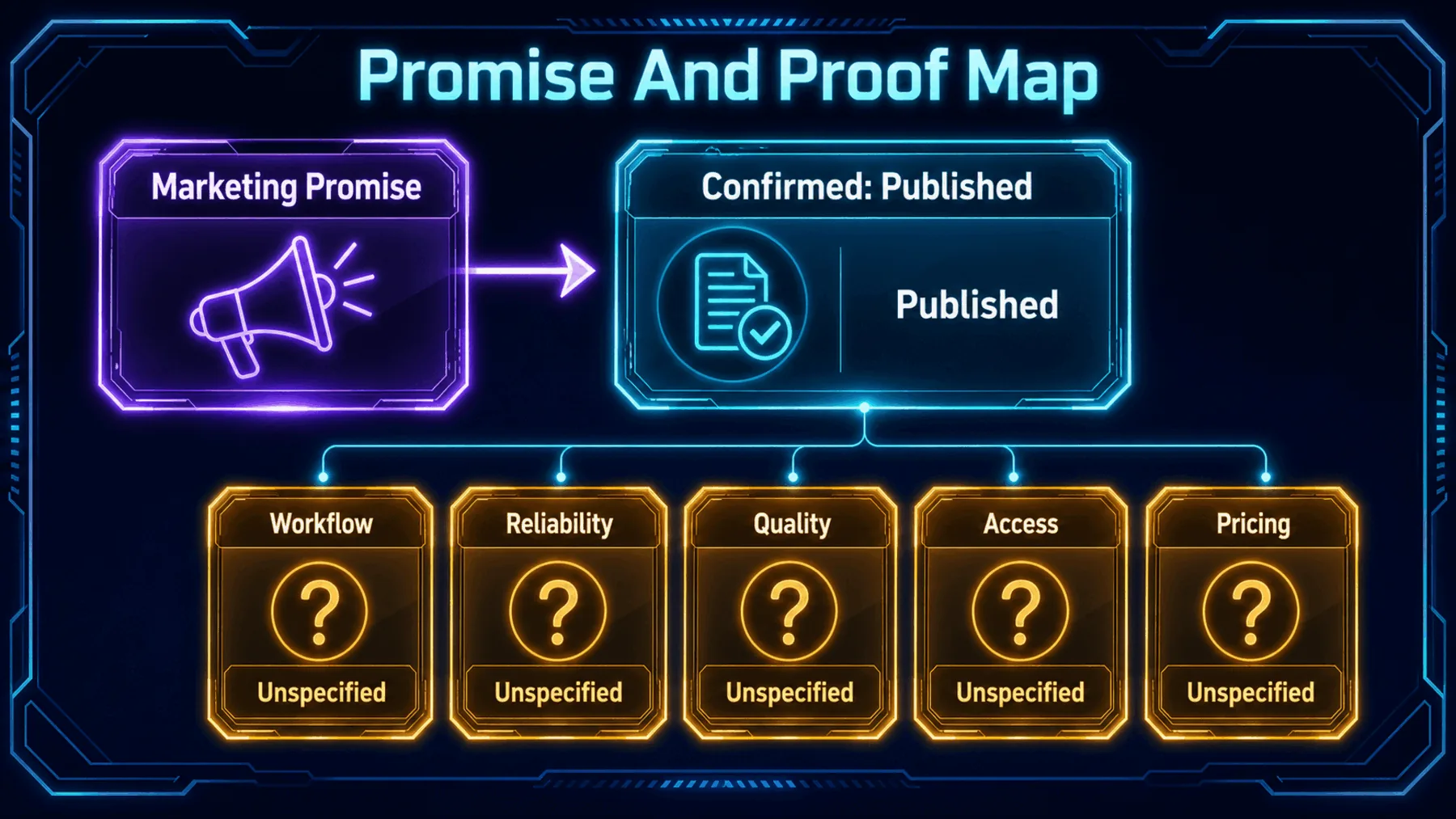
The narrow fact is clear: MiniMax Design published a post saying its Agent can handle what used to require “30,000-word prompts”. The broader claim is not established by that post alone.
There is no official workflow definition, benchmark, pricing, availability detail, limitation or product specification in the approved source pack. The promise may be interesting; its operating conditions remain unspecified.
MiniMax’s exact claim
The whole evidential base is a single attributed supplier sentence.
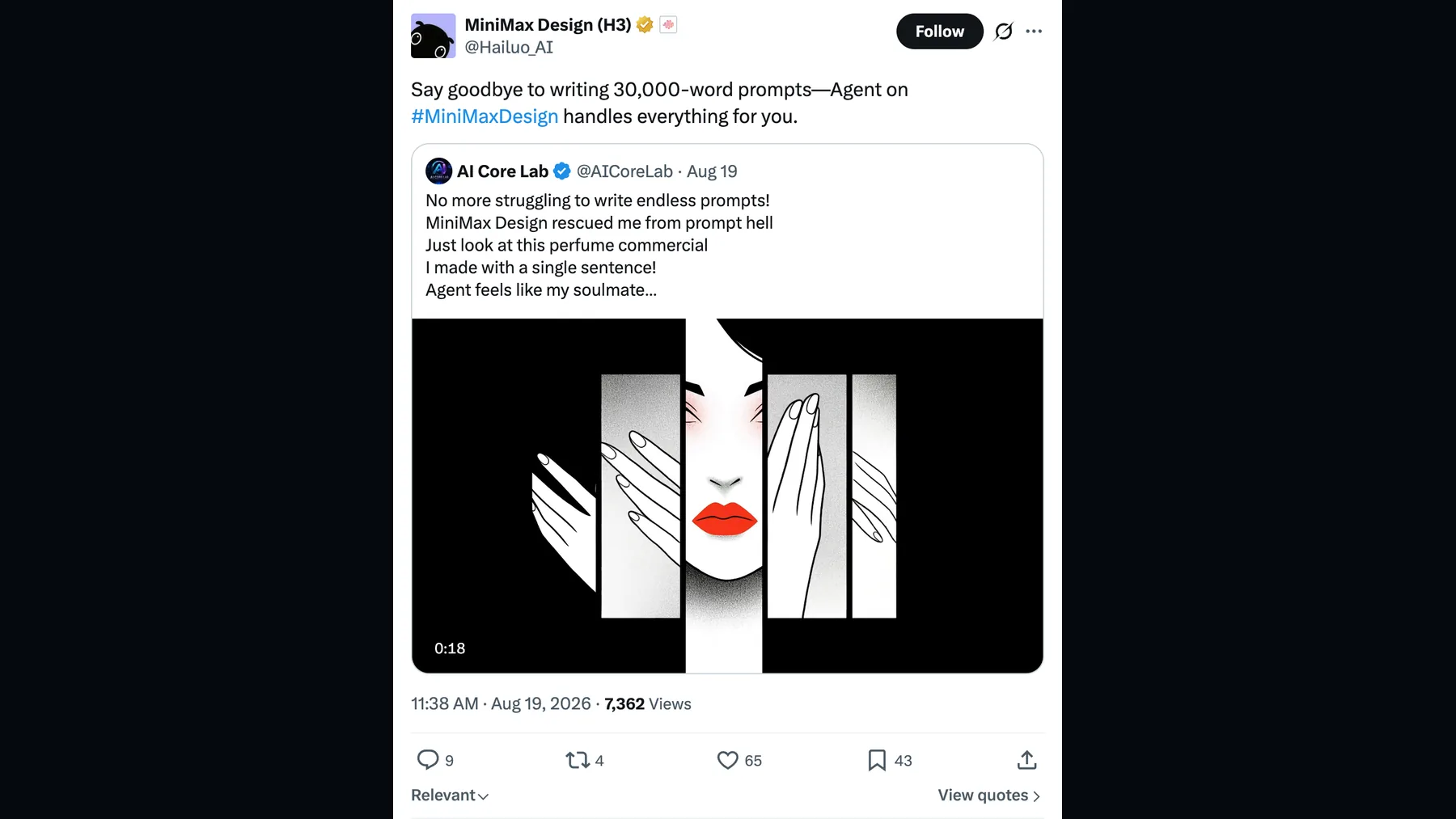
MiniMax Design’s statement is direct enough to be worth quoting, but its force comes from compression. “Handles everything” is promotional wording, not a defined account of what the Agent does, under what conditions, or with what limits.
That distinction matters. A memorable claim can point to a worthwhile product direction without yet proving the product’s scope.
Say goodbye to writing 30,000-word prompts—Agent on #MiniMaxDesign handles everything for you.
MiniMax Design (@Hailuo_AI), 19 August 2026
The proof stops at publication
The post verifies that MiniMax made the claim, not that the claim describes observed results.
The available evidence stops at publication. It does not show a documented creation process, a benchmark, a supported-task list, a price, an access route or a limitation.
The embedded third-party material is not evidence for MiniMax’s claim. Keeping that boundary intact lets the post remain useful without asking it to carry more than it can.
How the promise might work
The most plausible reading is a shift from specifying every step to reviewing an agent’s interpretation of the desired result.
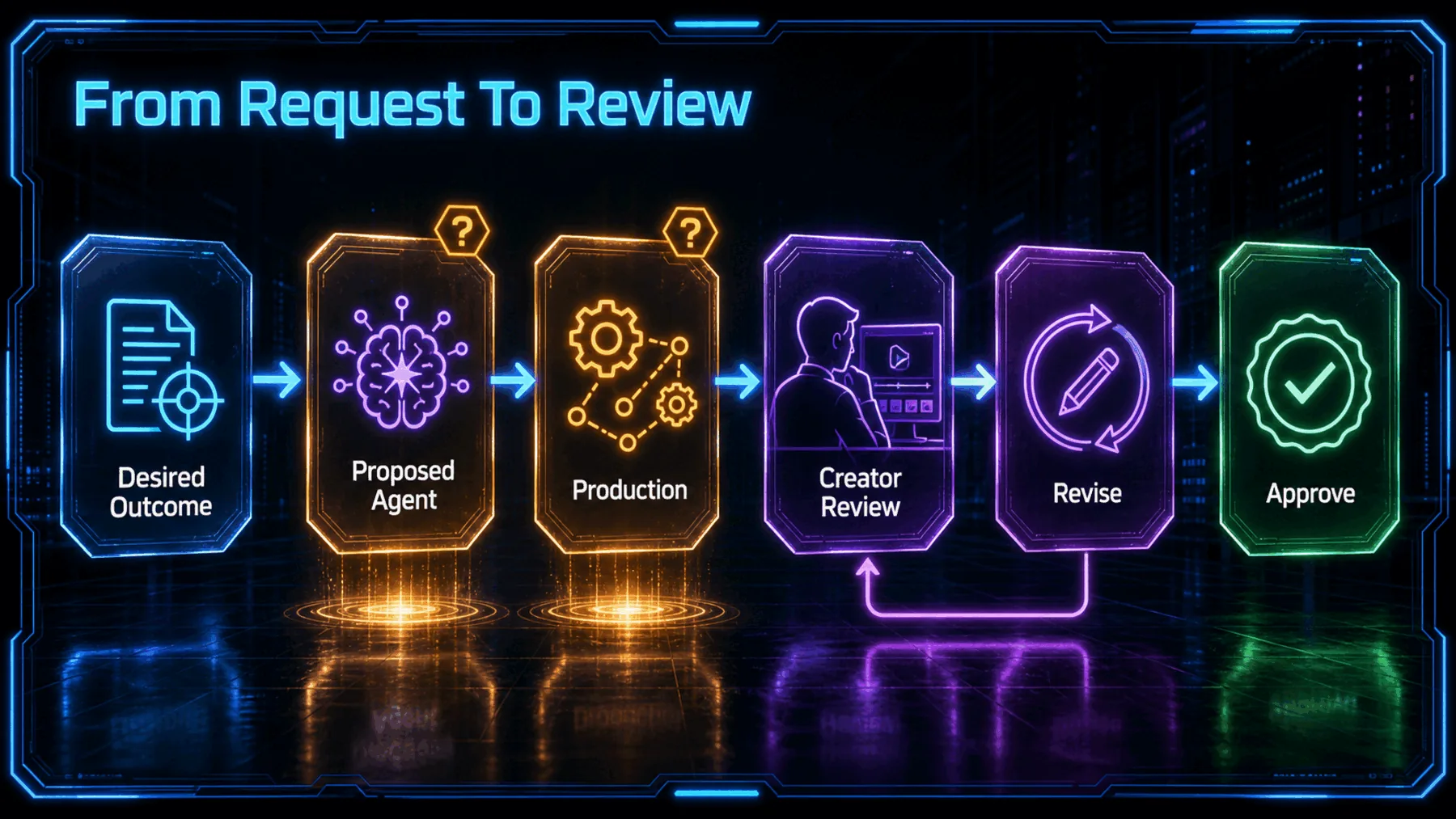
At its most useful, the promise describes a change in interface. We name the outcome, an agent may interpret the request and coordinate more of the production work, then we review what was made.
That middle portion is a conceptual model, not an observed MiniMax workflow. The point is to clarify what would need testing if the claim is to become practical.
What creators still need to check
A shorter brief can still require careful review of the result, the assumptions and the constraints.
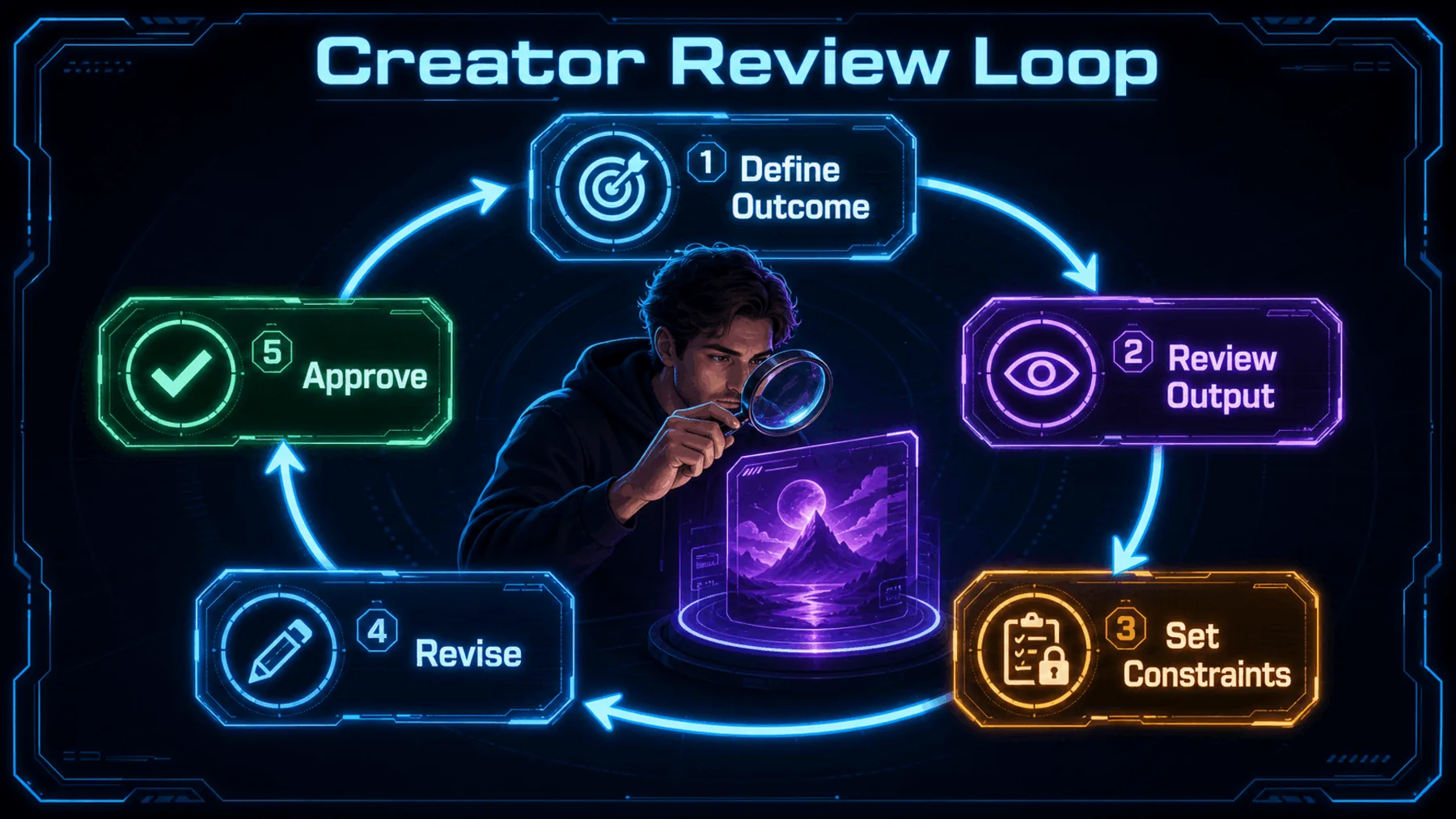
A better brief does not make quality automatic. We still need to see whether the result matches the intended tone, whether important choices were assumed, and whether revision is possible where it matters.
That is the practical test behind MiniMax’s pitch: not whether an agent can sound comprehensive, but whether its output leaves enough control visible to assess and improve.
Direction matters—and checking still matters
The promise is strongest when it reduces instruction burden without hiding the choices that determine the final work.
The useful future is not one where we stop directing creative work. It is one where clearer direction gives us more room to judge what the agent has done.
Based on MiniMax Design’s published claim and its stated evidence limits
MiniMax’s claim is not proof of a one-sentence production revolution. It is a compact expression of a real aspiration: less time translating intent into exhaustive instructions, more time shaping the outcome.
Until workflow detail and evidence arrive, the sensible position is neither dismissal nor belief. Treat the claim as a direction worth testing, then keep the review standard high.
Test the outcome-led brief
Act as a creative-production assistant. Create a 15-second launch film for a reusable water bottle: quiet morning light, one person leaving home, clean editorial pacing. Return: (1) a six-shot plan, (2) visual and sound direction for each shot, (3) assumptions you made, and (4) three review questions before production. Do not claim you completed production.Ready to copy
Test the promise carefully
The gap to watch is between a broad claim and the evidence needed to judge it. Clearer direction is valuable only when the work, constraints and revisions remain inspectable.
Try the promptWhat would change the picture
- Official workflow detail
- Supported tasks and limitations
- Access and pricing
- Measured results