Kimi K3 is Built for the Long Haul
Moonshot’s open model is pitched as a persistent builder across code, simulated chip design and playable software—with deployment and control left firmly in our hands.
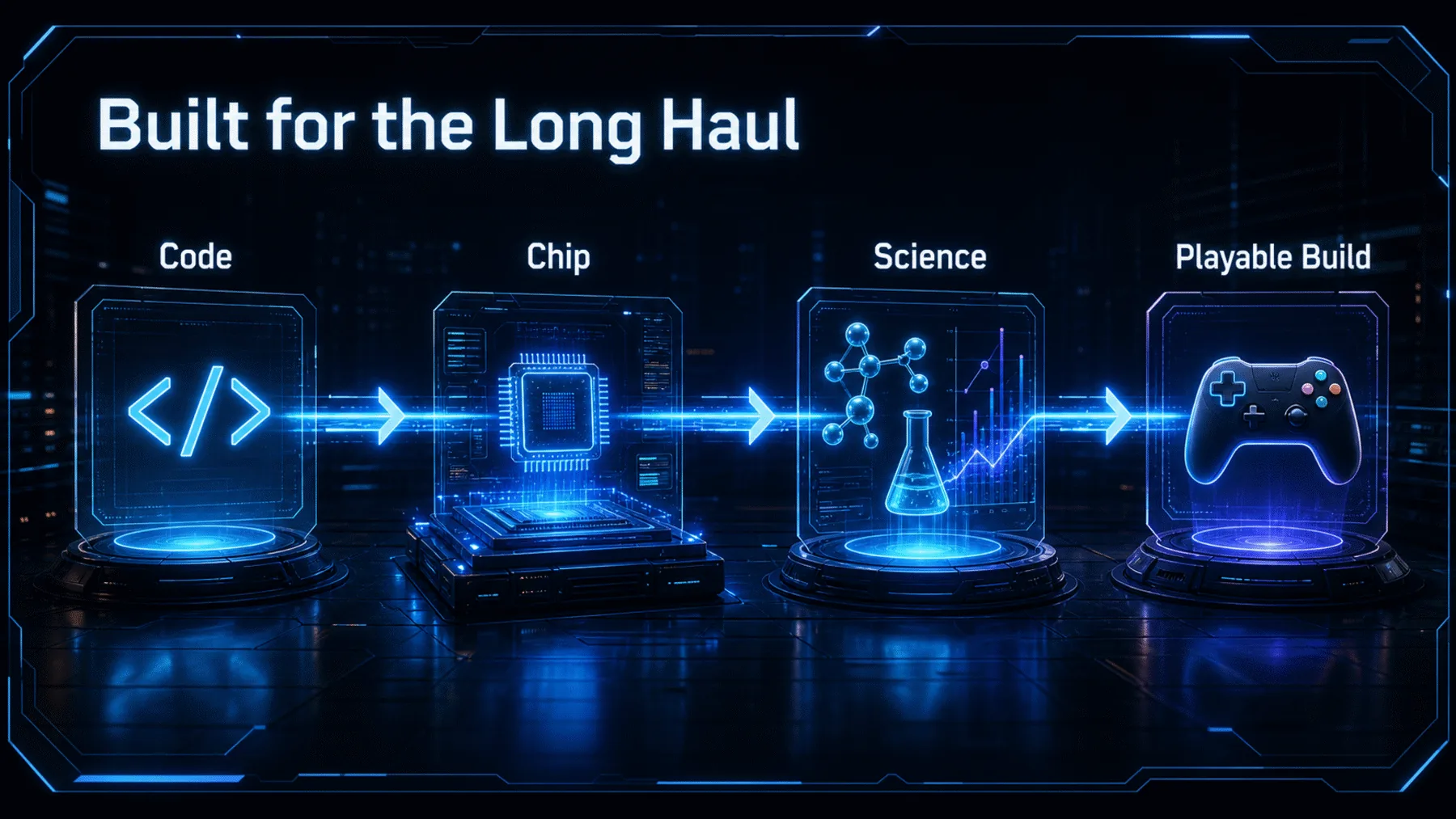
A 2.8-trillion-parameter model attracts attention. A model that can allegedly read, build, use tools, inspect its work and revise it changes the proposition.
Moonshot’s launch material presents that longer loop through MiniTriton, playable experiences, scientific workflows and a chip proof of concept evaluated in simulation. These are first-party demonstrations, not independent validation, but together they make the intended shift clear: from producing answers to carrying work forward.
From Answers to Endurance
K3’s central promise is sustained work: acting, checking and revising instead of stopping at the first response.
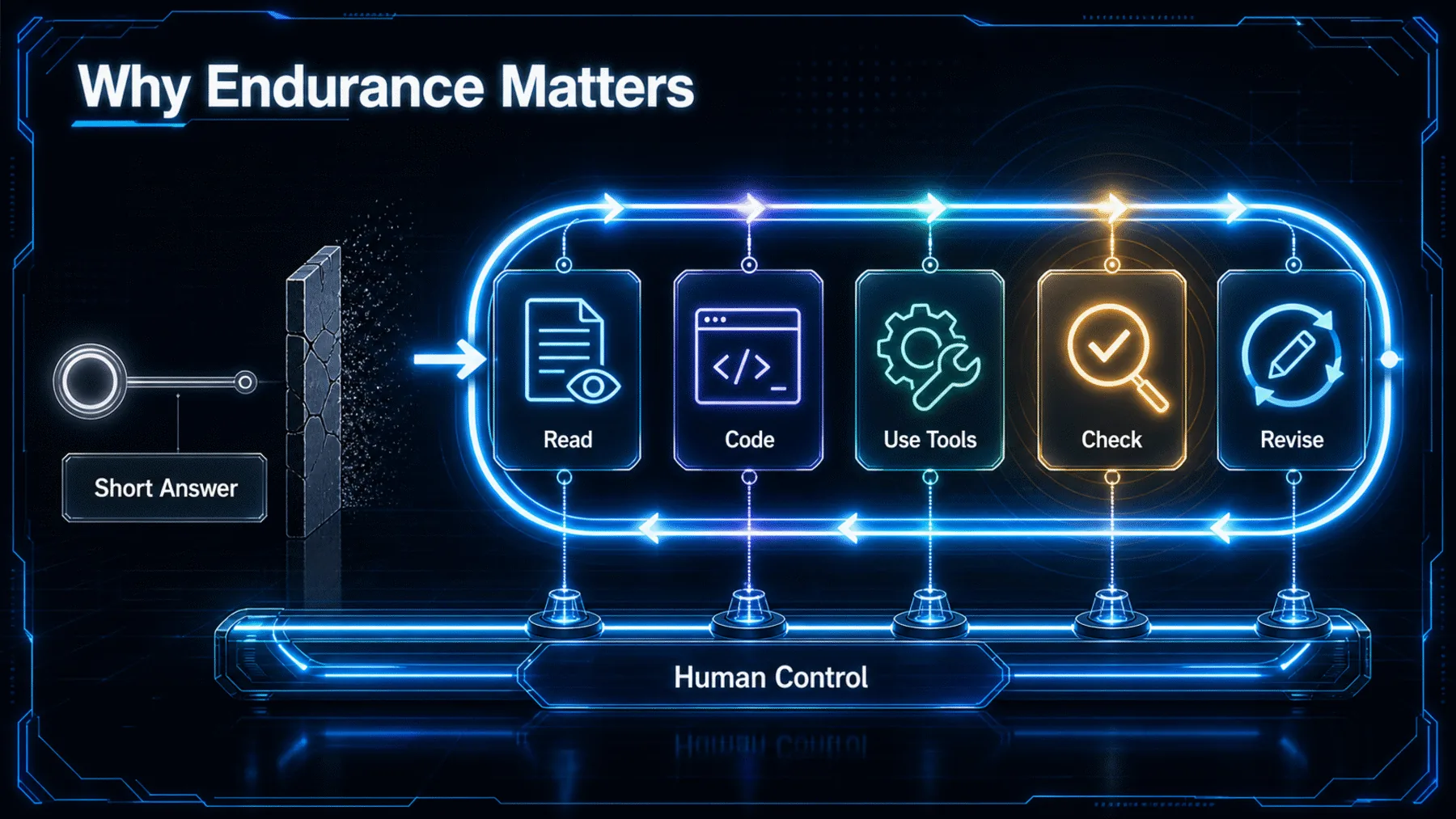
Most model demonstrations end when an answer appears. Moonshot’s K3 examples are built around a different rhythm: the model reads material, writes or changes code, uses tools, sees the outcome and tries again.
That persistence matters because difficult work rarely fails at the first idea. It fails in the joins between planning, execution and verification. K3 is being positioned for those joins, although Moonshot’s demonstrations do not yet establish how reliably the loop holds outside its launch conditions.
What Moonshot Is Claiming
Scale opens the story; context, long-running demonstrations and a promised weights release define its practical shape.
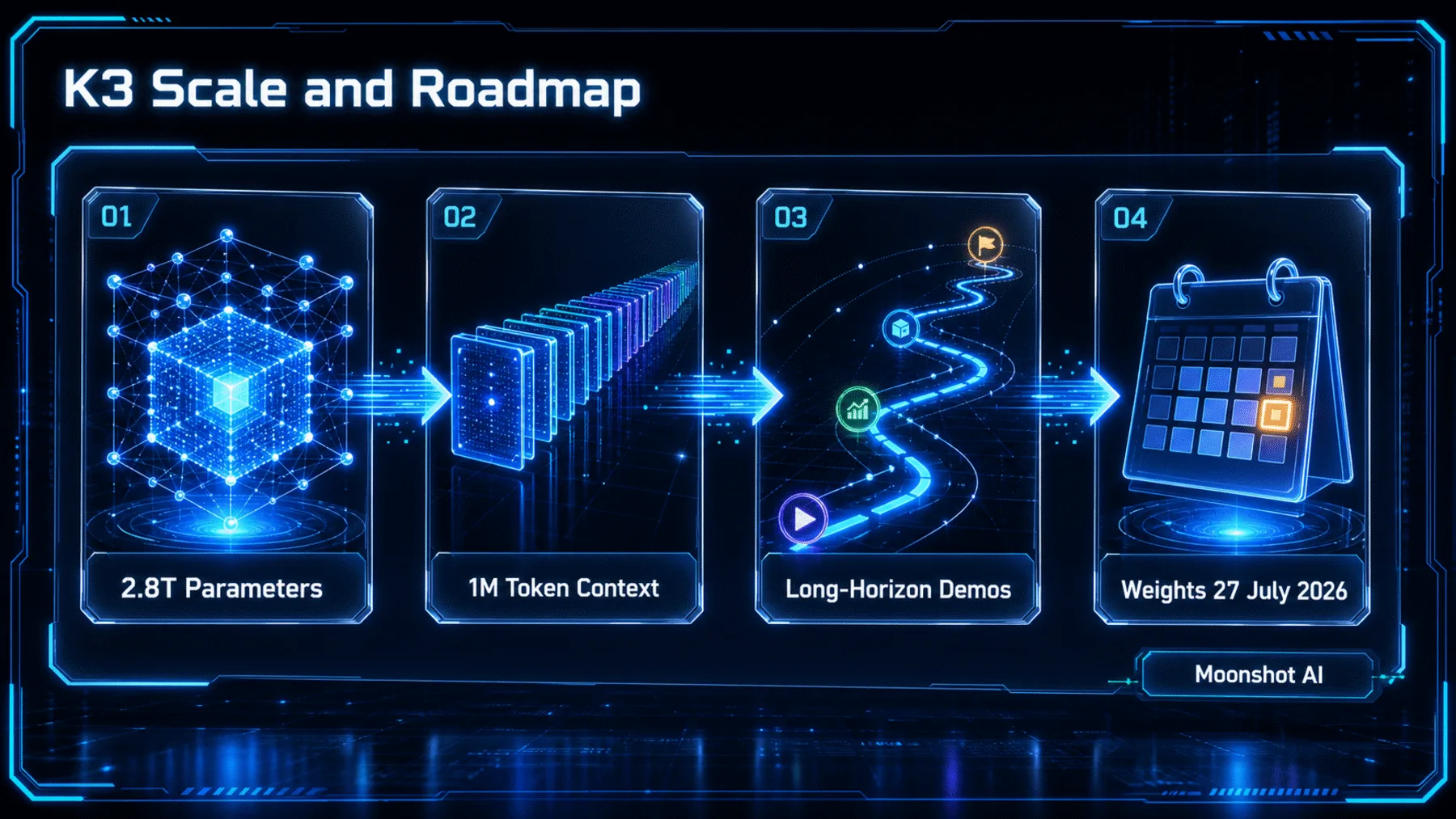
Moonshot calls K3 the first open model to reach 2.8 trillion parameters, with native vision and a one-million-token context window. Those figures describe capacity, not an independently established advantage.
The availability distinction is just as important. K3 launched through Moonshot’s products and API, but the captured announcement promised the full model weights for 27 July 2026. Until that release is confirmed and tested, open access and practical self-hosting remain different propositions.
The Compiler Receipt
MiniTriton is Moonshot’s clearest attempt to show a long-running coding task reaching a coherent working system.
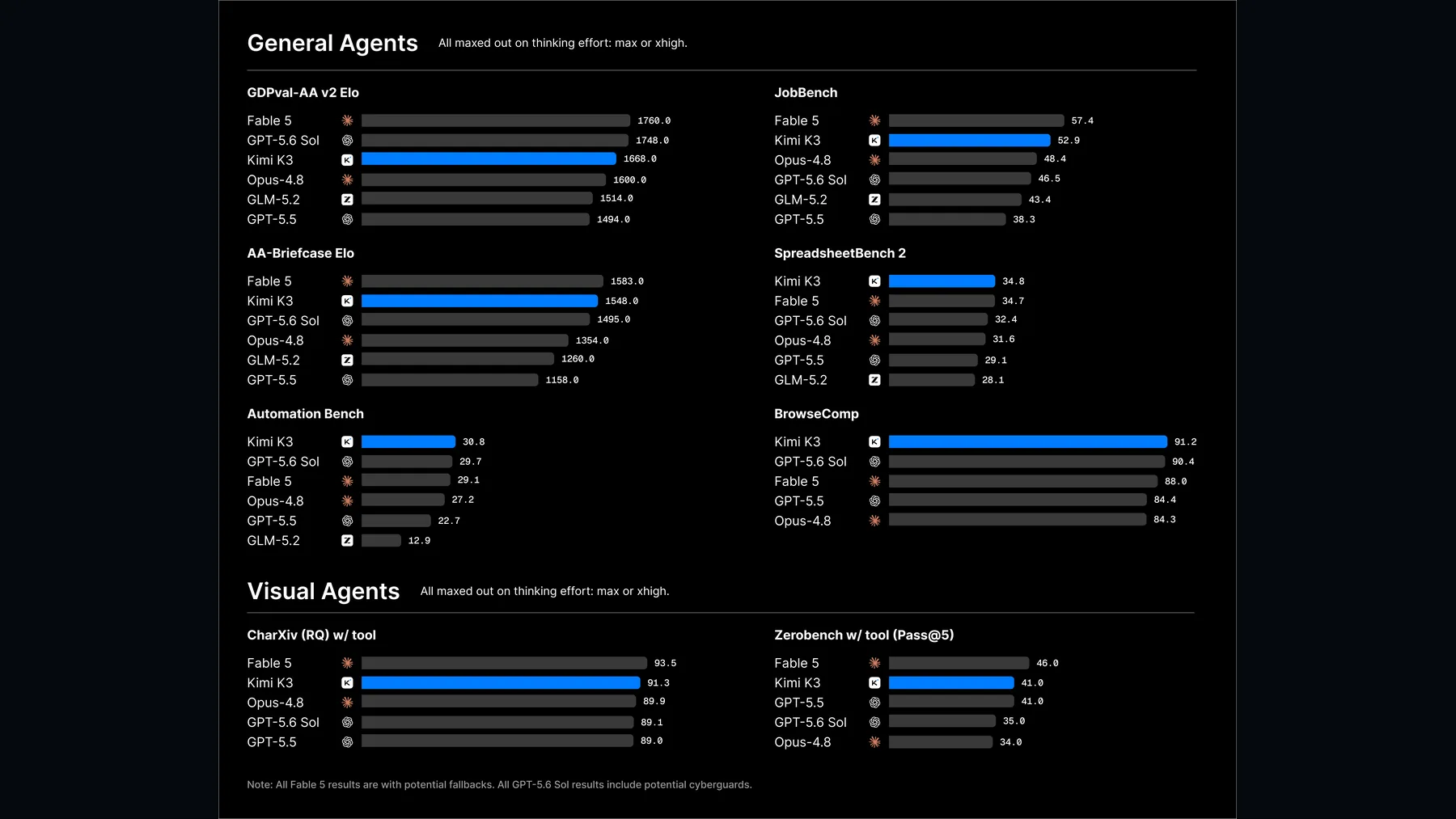
Kimi K3 developed MiniTriton, a compact Triton-like compiler with its own tile-level IR layer over MLIR, optimization passes, and a PTX code-generation pipeline.
Moonshot AI, Kimi K3 launch post
The claim is broader than generating an isolated kernel. Moonshot says K3 assembled a compiler pipeline spanning its frontend, intermediate representation, optimisation passes, code generation and runtime, then used it for end-to-end nanoGPT training.
That makes MiniTriton a useful receipt for endurance because the work has connected stages and observable outputs. The performance comparison remains Moonshot-published, however, and should be treated as a case study awaiting independent reproduction.
Seeing, Checking, Revising
Visual feedback gives the model a way to inspect what its code produced and make another pass.
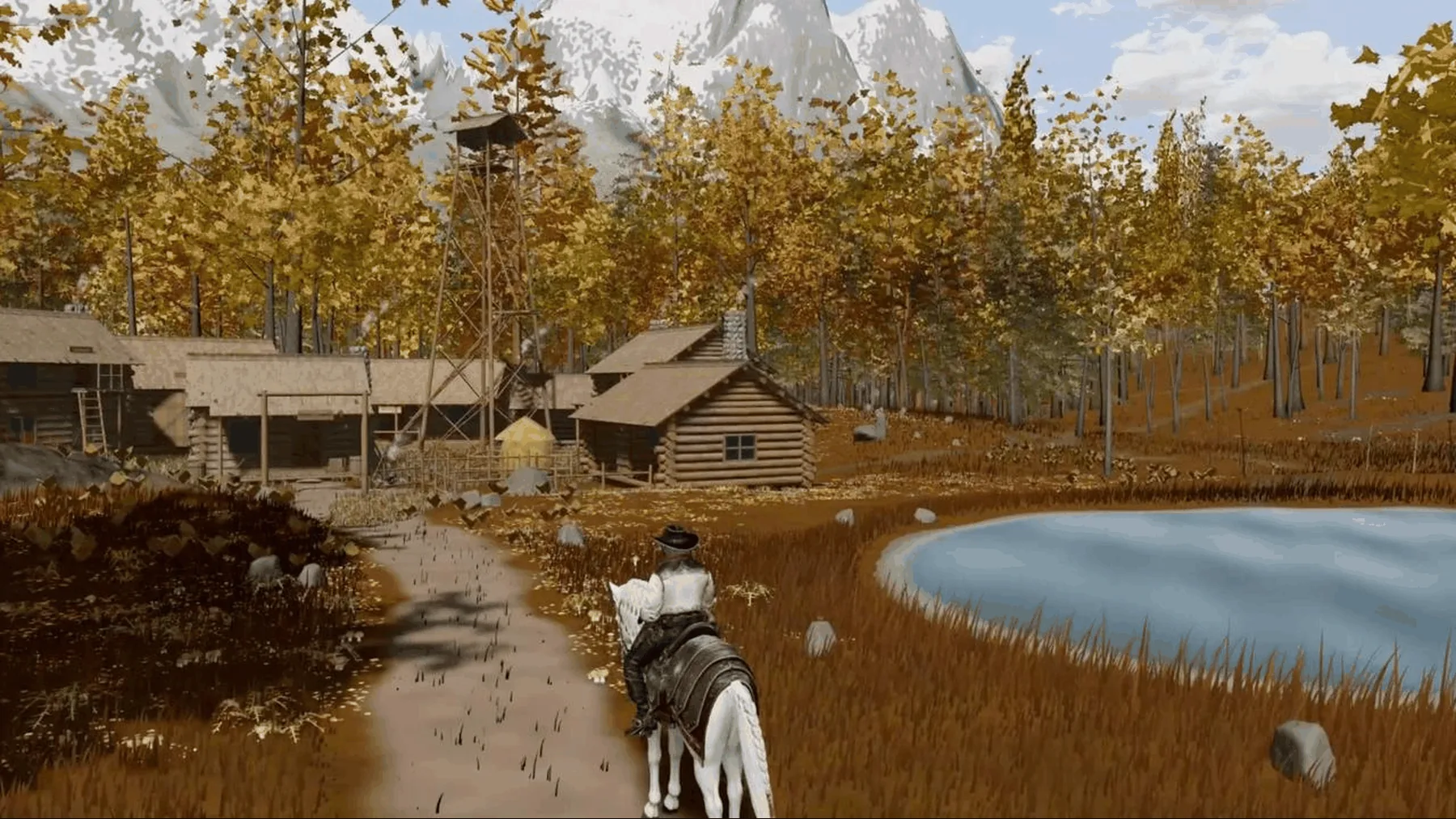
Moonshot describes K3 moving between code and live screenshots: it changes the software, looks at the visible result, notices what needs attention and revises it. That is the practical meaning of ‘vision in the loop’.
The playable examples make the idea tangible, but a polished result cannot tell us how many attempts failed, how much intervention was required or how consistently another team could reproduce it. What it supports is narrower: Moonshot displayed software that it says emerged from this iterative visual process.
How the Build Loop Works
A useful agentic loop connects a brief to action, evidence and revision without removing human control.
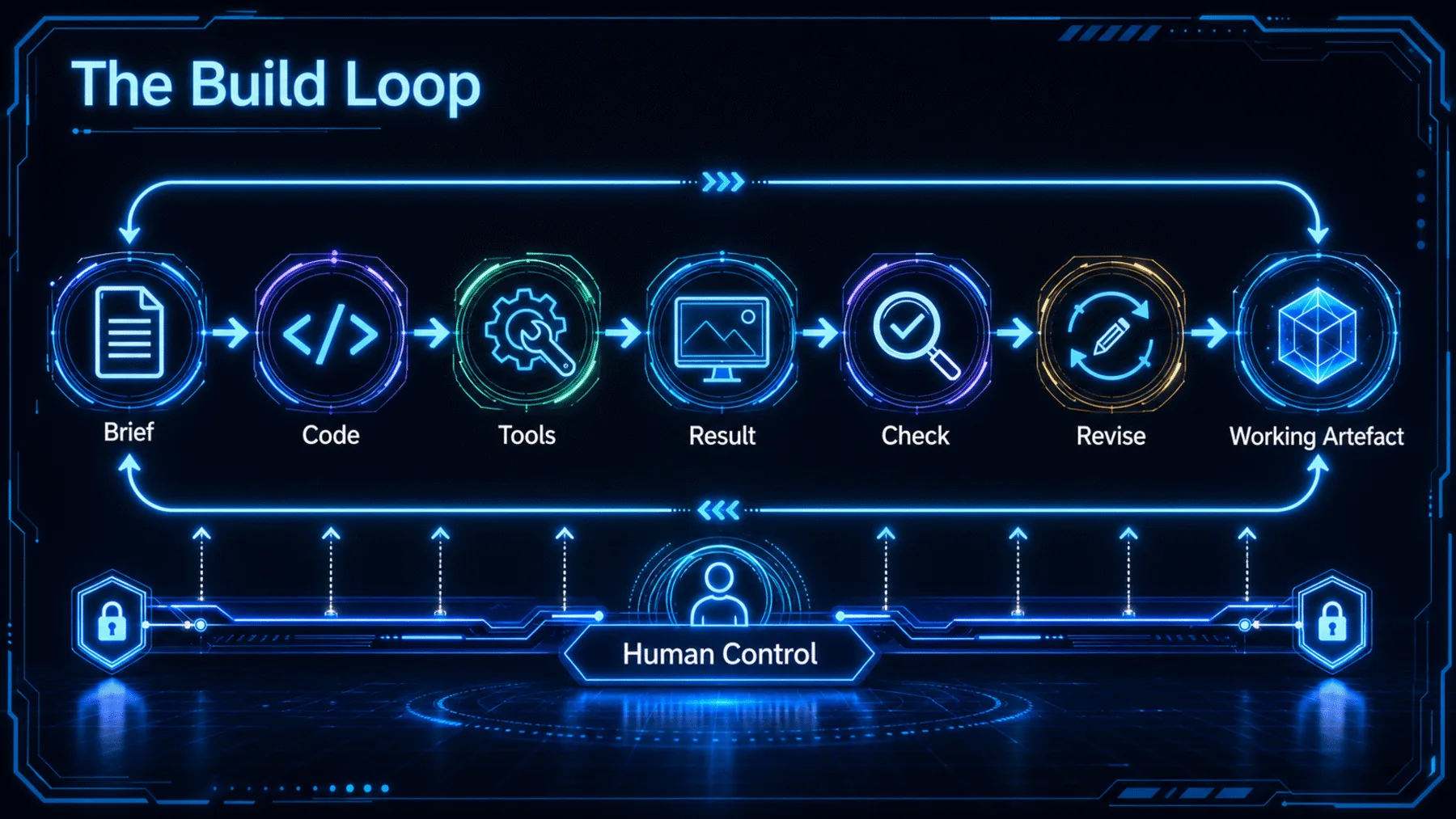
The loop begins with source material or a defined brief. K3 then acts through code and tools, produces something we can inspect, compares that result with the task and makes another pass.
Continuity is the advantage, not autonomy for its own sake. We still need explicit constraints, checkpoints and a stopping rule—especially when the model can interpret ambiguity as permission to act.
Define
Build
Check
The Builder Gets the Burden
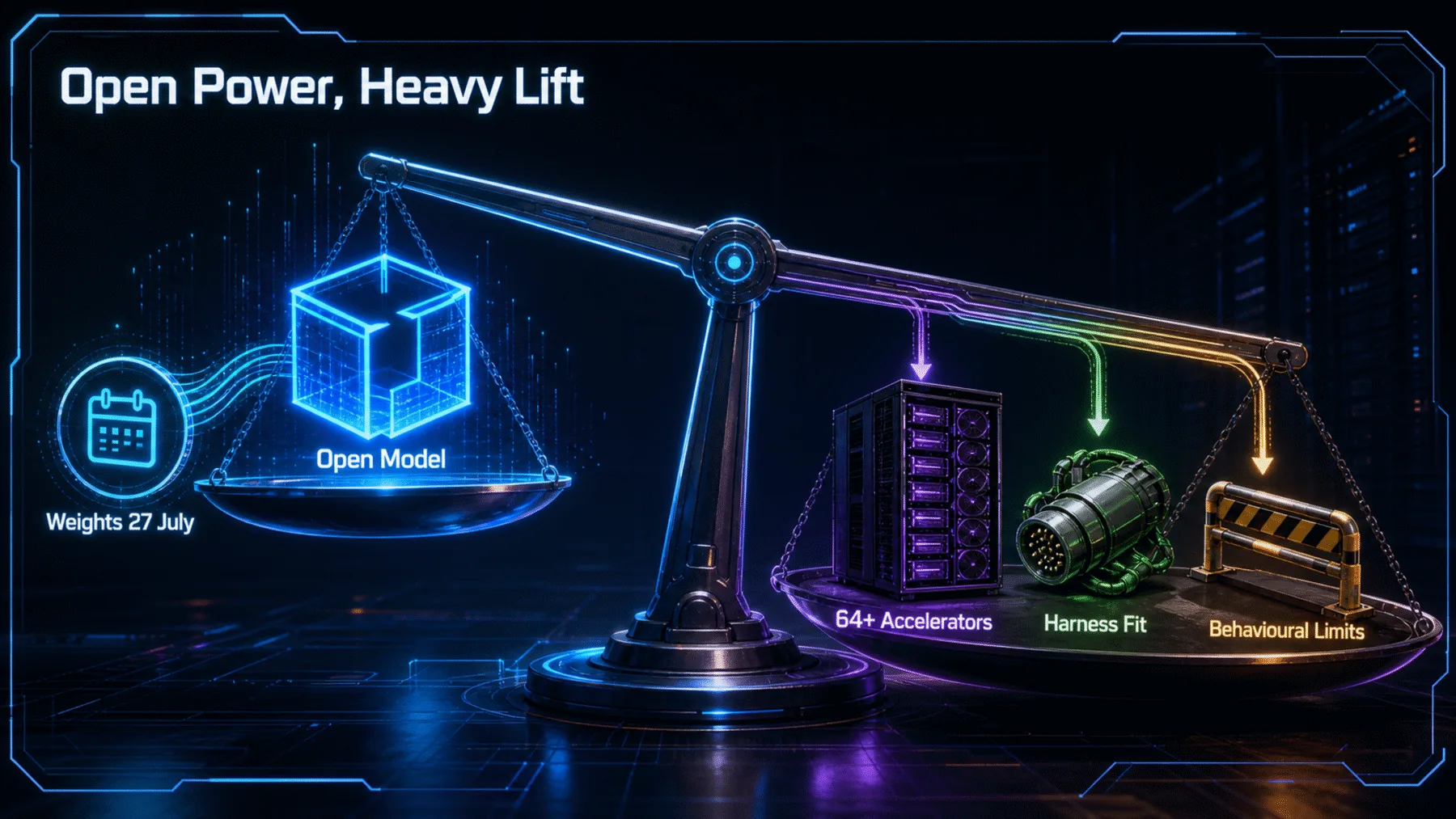
Opening the model may expand what we can build, but it also transfers infrastructure, integration and behavioural control to us.
Infrastructure
Integration
Control
Moonshot’s open-model promise does not remove the operational cost of using K3 seriously. The company recommends 64 or more accelerators for efficient supernode deployment and says full weights will follow the initial product and API release.
The control burden runs deeper than hardware. Moonshot warns that incompatible handling of thinking history can make quality unstable and that K3 may act unexpectedly when intent is ambiguous. If we deploy it for long-running work, the harness, permissions and review points become part of the product—not supporting detail.
Open Capability, Shared Responsibility
K3’s most consequential promise is not simply access to a large model, but access to longer-running work that we must be equipped to govern.
Opening long-running capability gives us more room to build—and more responsibility for the infrastructure, boundaries and judgement around every run.
Creator Broadcast synthesis, grounded in Moonshot AI’s K3 launch material
K3 matters because Moonshot is trying to make persistence part of the open-model proposition. The compiler, simulated chip, scientific workflow and playable software all point towards a model that stays inside a complex task long enough to connect its parts.
The stronger reading is also the more cautious one. Moonshot’s demonstrations show what the company wants K3 to represent; independent testing must establish how often that promise survives different tools, harnesses and operating conditions. In the meantime, openness changes who carries the responsibility. More of it moves to us.
Test K3’s build-and-check loop
Create a single-file HTML browser simulation of a lunar greenhouse controller. Show temperature, humidity, oxygen and battery readings; add controls for heating, ventilation and lighting; model how each control changes the readings over time; and include three automated safety rules. Work in four passes: define the system, build it, inspect the visible result for broken interactions or unclear states, then revise it. Return only the finished HTML with embedded CSS and JavaScript, followed by a brief list of the checks you performed.Ready to copy
Watch the Evidence Arrive
The next chapter is not another launch claim. It is whether released weights, practical deployments and independent tests confirm that K3 can sustain useful work without turning infrastructure and control into an unmanageable cost.
Try the promptFour signals that could change the verdict
- Weights release
- Practical deployment
- Independent testing
- Behavioural control