HeyGen: from avatar clips to a complete show
HeyGen says its July releases bring longer performances, code-driven motion and two-host generation closer together.
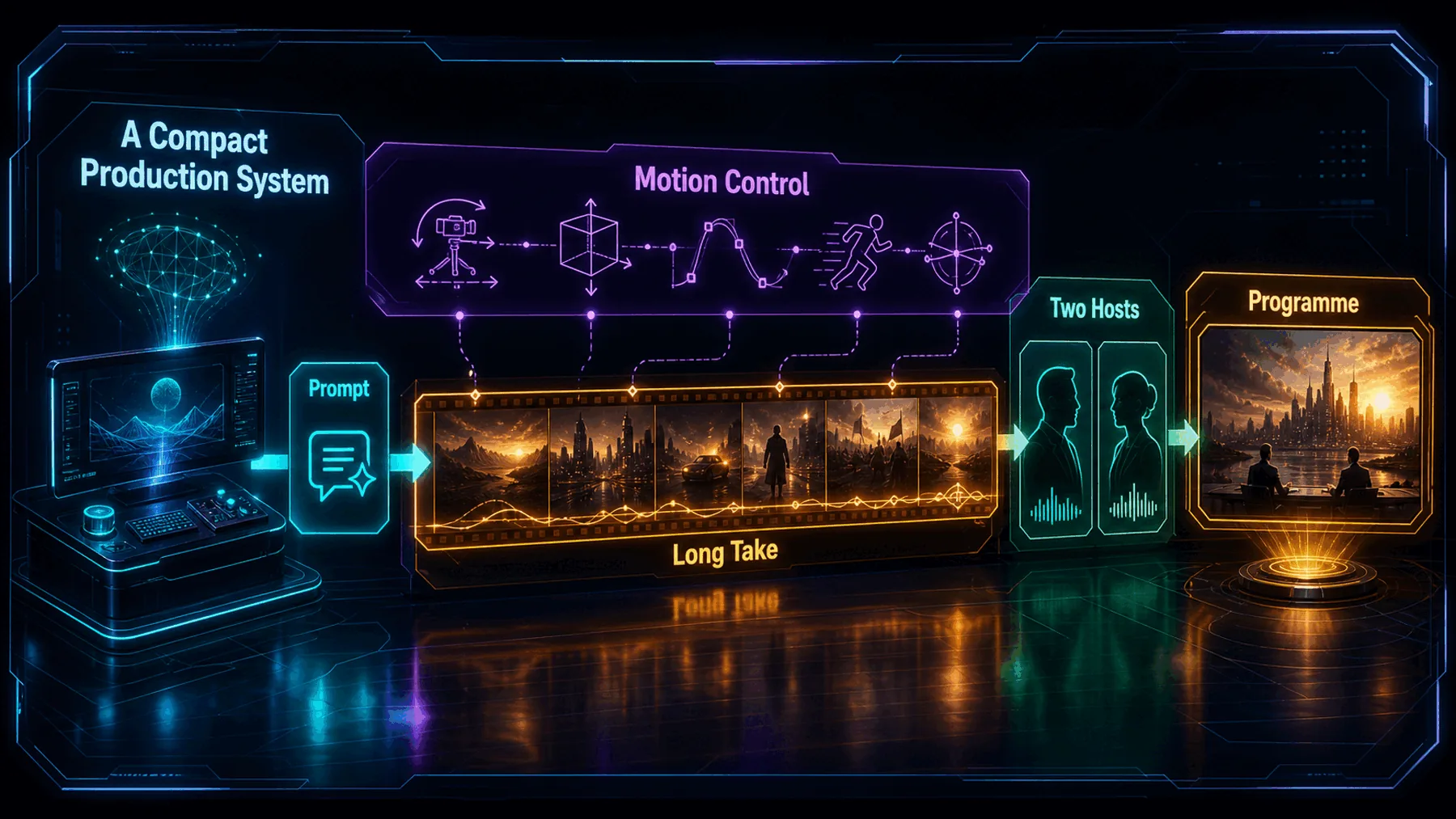
HeyGen’s July recap makes three linked claims: a 30-minute avatar take in a single pass, keyframe animation rebuilt as code, and a two-host video podcast from one prompt. Taken together, they point beyond the isolated clip.
For a solo creator or small team, the attraction is easy to see. Presenter, movement and format often live in separate stages; HeyGen is pitching a system that can bring more of that chain into one place.
One chain, fewer hand-offs
HeyGen’s three claims matter together because each addresses a different part of making a repeatable show.
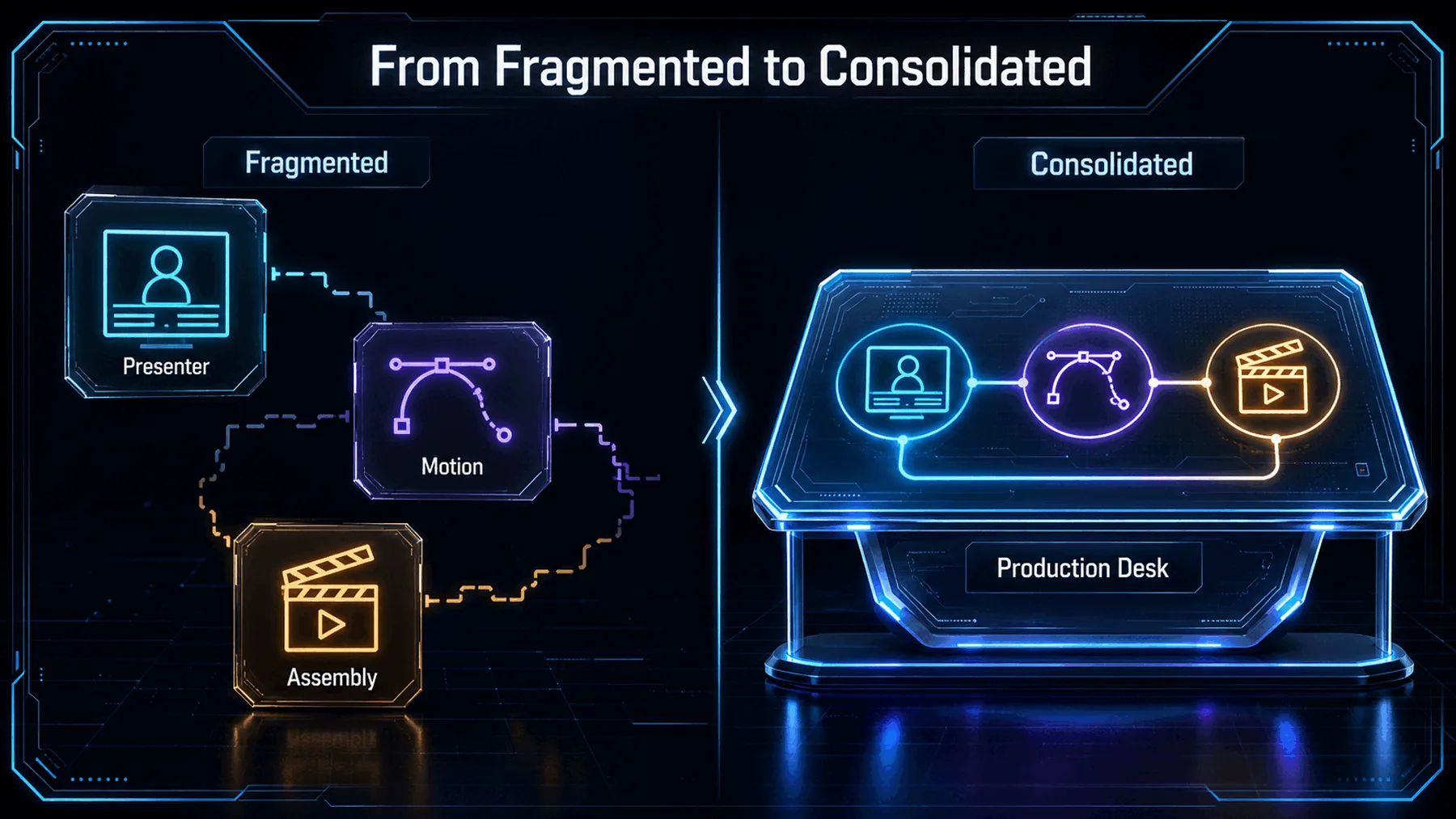
A short avatar clip solves only one part of the job. A longer performance changes the duration available to work with; motion control changes how a scene can be directed; a second host changes the format that can be attempted.
Those are separate capabilities, and HeyGen has not independently demonstrated how they perform together. Still, the direction of the announcement is clear: bring more of the production chain inside the same environment.
Three claims, one production pitch
HeyGen says July included eight launches, but its post identifies only three examples.
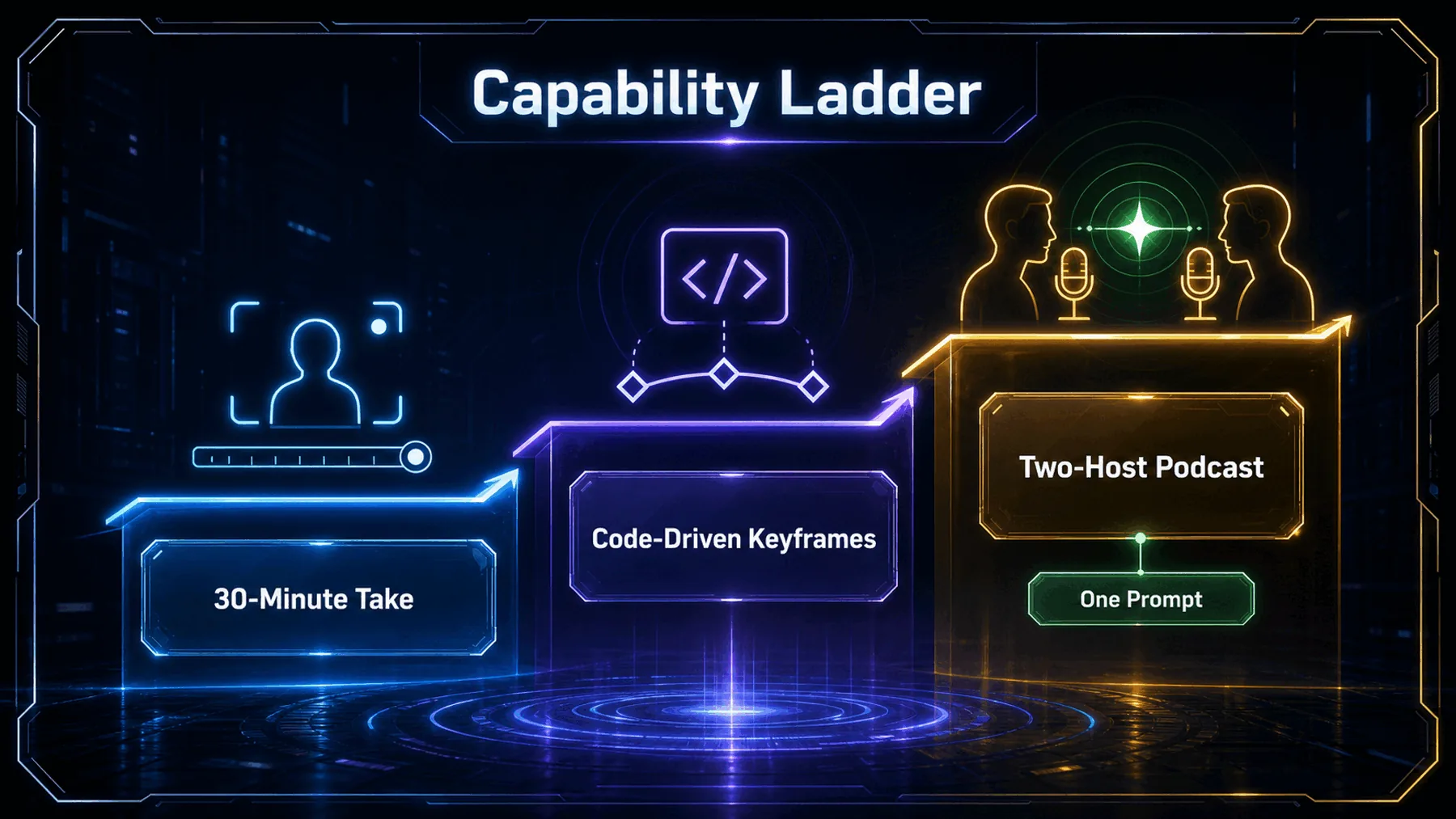
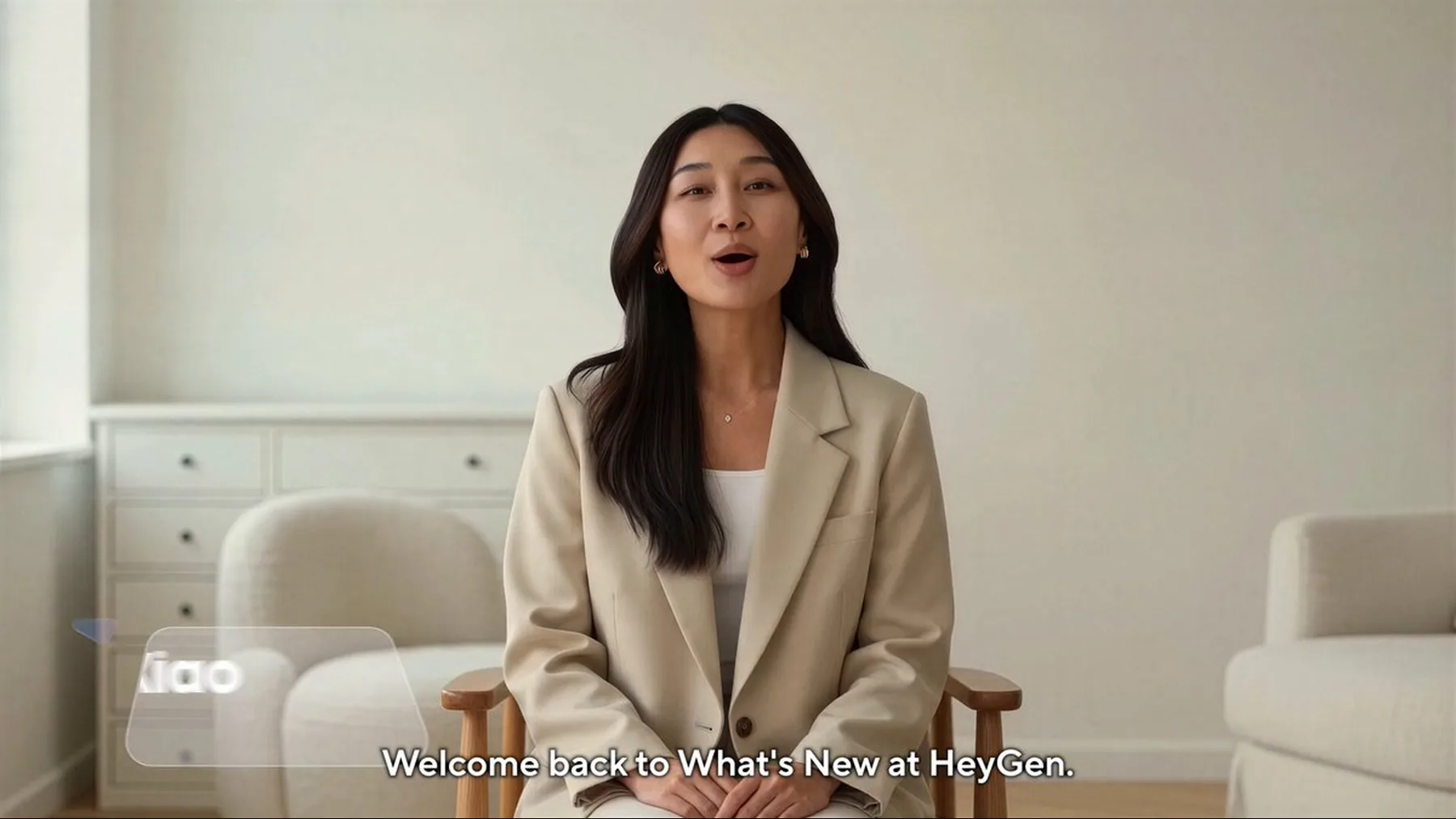
The 30-minute claim is about performance length. The keyframe claim is about directing movement through points on a timeline. The two-host claim is about starting with a conversational format rather than a single presenter.
HeyGen compares its keyframe system with the one professionals use in After Effects, rebuilt as code. That is its comparison, not evidence of feature parity. The post also gives no detail on the five other launches it says were live that day.
What HeyGen actually announced
The approved source is a HeyGen X post, so the strongest evidence is the wording HeyGen published there.
The post is concise but specific. HeyGen presents the three named capabilities as examples from a July release run: longer avatar takes, code-based keyframe animation and a two-host podcast from one prompt.
It does not provide test results, plan details, output examples we can independently assess, or a description of how the capabilities work together in production. The announcement proves the pitch, not the finished outcome.
“A two host video podcast from a single prompt.”
HeyGen
The proof has a boundary
HeyGen’s post establishes what it announced; it does not independently validate performance, quality or practical production use.
“Live today” is HeyGen’s time-bound wording in the 17 August post, not a fresh availability check. The source also names only three of the eight launches, leaving the other five undescribed.
The same restraint applies to every performance claim here. We can say HeyGen announced a 30-minute take, code-driven keyframes and a two-host prompt; we cannot turn those statements into verified speed, quality, access or commercial claims.
“Keyframe animation running the same system pros use in After Effects, rebuilt as code.”
HeyGen
How the production pitch fits together
The announcement links duration, direction and format into one conceptual path from prompt to programme.
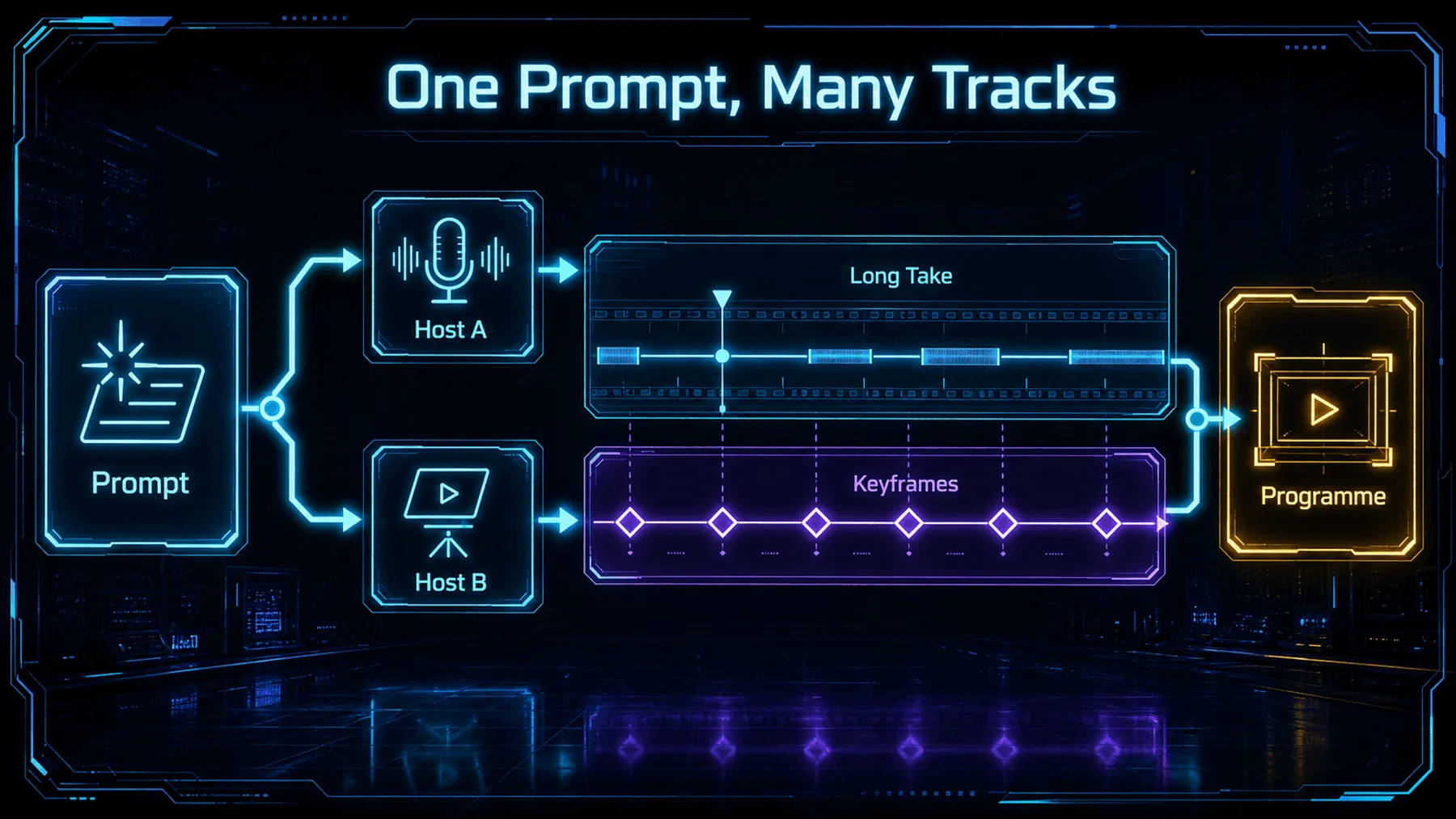
In plain language, a keyframe is a point on a timeline that tells an element where or how to move. HeyGen says it has rebuilt that kind of control as code, alongside longer avatar performances and a two-host prompt.
The useful reading is conceptual rather than architectural. The post suggests a creator could explore a longer, more directed programme inside one system; it does not document the exact sequence, editing work or constraints behind that result.
Perform
HeyGen says an avatar take can run for 30 minutes in a single pass.
Direct
HeyGen says code-built keyframes can control movement on a timeline.
Format
HeyGen says one prompt can begin a two-host video podcast.
Start with the workflow, not the promise
A practical first test can explore the announced format while keeping unresolved constraints visible.
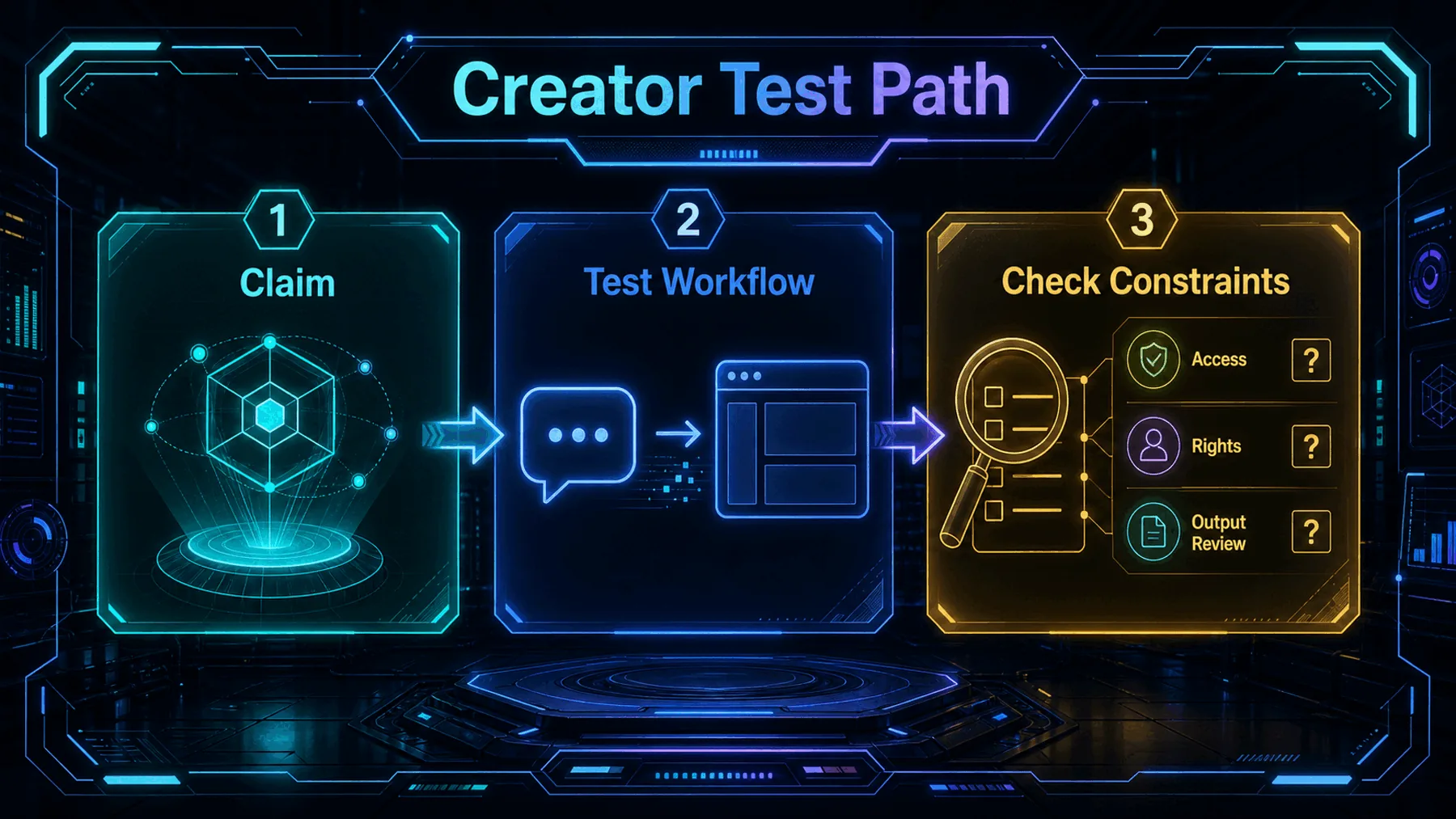
A sensible first experiment is modest: turn a short idea into a two-host exchange, then inspect whether the performance length and motion controls support the format we have in mind. The point is to test the workflow signal, not to assume the result is ready to publish.
Keep the unknowns in view. The approved post does not tell us which plans can use these capabilities, how quickly outputs arrive, what editing remains, or how consistently the three elements work together.
Access
Plan eligibility and regional availability are not stated in the approved source.
Output
Quality, reliability and editing requirements are not independently established.
Workflow
The post does not verify how the three capabilities operate together in practice.
The larger move is consolidation
HeyGen is presenting a broader production workflow, while the real-world result remains something to test.
The significant claim is not a longer avatar on its own. It is the attempt to hold performance, direction and format inside one production workflow.
Source-bounded synthesis from HeyGen’s July product recap
HeyGen’s post is a product announcement, not an independent production study. Its value lies in the shape of the pitch: a longer performance, a way to direct motion and a multi-host format are being presented as parts of one system.
That shift is worth watching because it changes the question. Instead of asking whether an avatar can deliver a short script, we can ask whether one AI-video environment can support a more complete programme without rebuilding the chain elsewhere.
Test a two-host episode concept
Create a 45-second two-host video podcast about a creator comparing a fragmented video-production workflow with a more consolidated one. Give each host two concise turns, include one clear transition, and end with the practical question: can one tool hold performance length, motion direction and a multi-host format? Keep every claim observational; do not state savings, quality guarantees, pricing, availability or feature parity with After Effects.Ready to copy
Test the workflow claim
Watch for evidence that the announced capabilities are available, produce usable output and work together as a practical production path rather than three separate release notes.
Try the promptSignals that would change the picture
- Availability is specified
- Output can be assessed
- Editing requirements are shown
- The capabilities work together