Haiku 5.5 Brings Lower-Cost AI Teamwork
Haiku 5.5 brings routine supporting work to Claude Platform and Claude Code, at around 75% lower run cost than Haiku 4.5 on average.

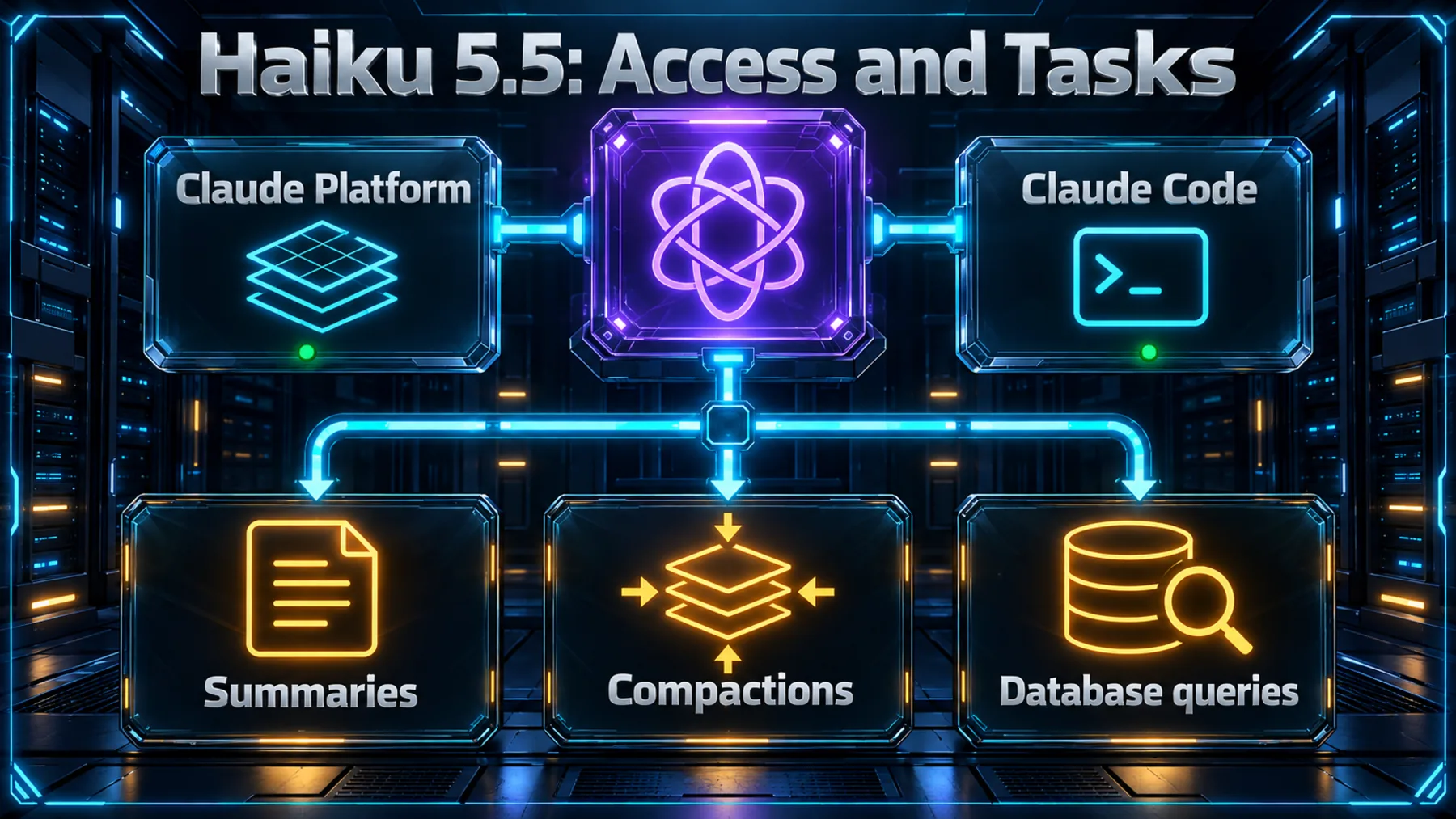
Haiku 5.5 is available in Claude Platform and Claude Code. It pairs with Opus 5.5 or Sonnet 5.5 as a subagent for high-volume, cost-sensitive work.
That puts summaries, compactions and database queries at the centre of this update: routine supporting tasks alongside the model handling the larger job.
Give Routine Work Its Own Helper
Summaries, compactions and database queries are the three named uses.
A subagent is a helper working on a smaller part of a task. Haiku 5.5 fills that role alongside Opus 5.5 or Sonnet 5.5.
The named uses are summaries, compactions and database queries. Compaction shortens the working context, keeping longer sessions manageable.

Around 75% Lower Average Run Cost
The comparison is with Haiku 4.5.
Haiku 5.5 is available in Claude Platform and Claude Code. The announcement was posted on 7 October 2026.
On average, it costs around 75% less to run than Haiku 4.5. That gives high-volume supporting tasks a lower-cost model within the Claude family.

The Update in Two Sentences
Availability, cost and the supporting role come together in the announcement.
The update combines access through Claude Platform and Claude Code with a lower average run cost than Haiku 4.5.
Its supporting role sits alongside Opus 5.5 or Sonnet 5.5, with summaries, compactions and database queries as the named tasks.
On average, it costs around 75% less to run than Haiku 4.5.
ClaudeDevs
An Egg-Drop Demo
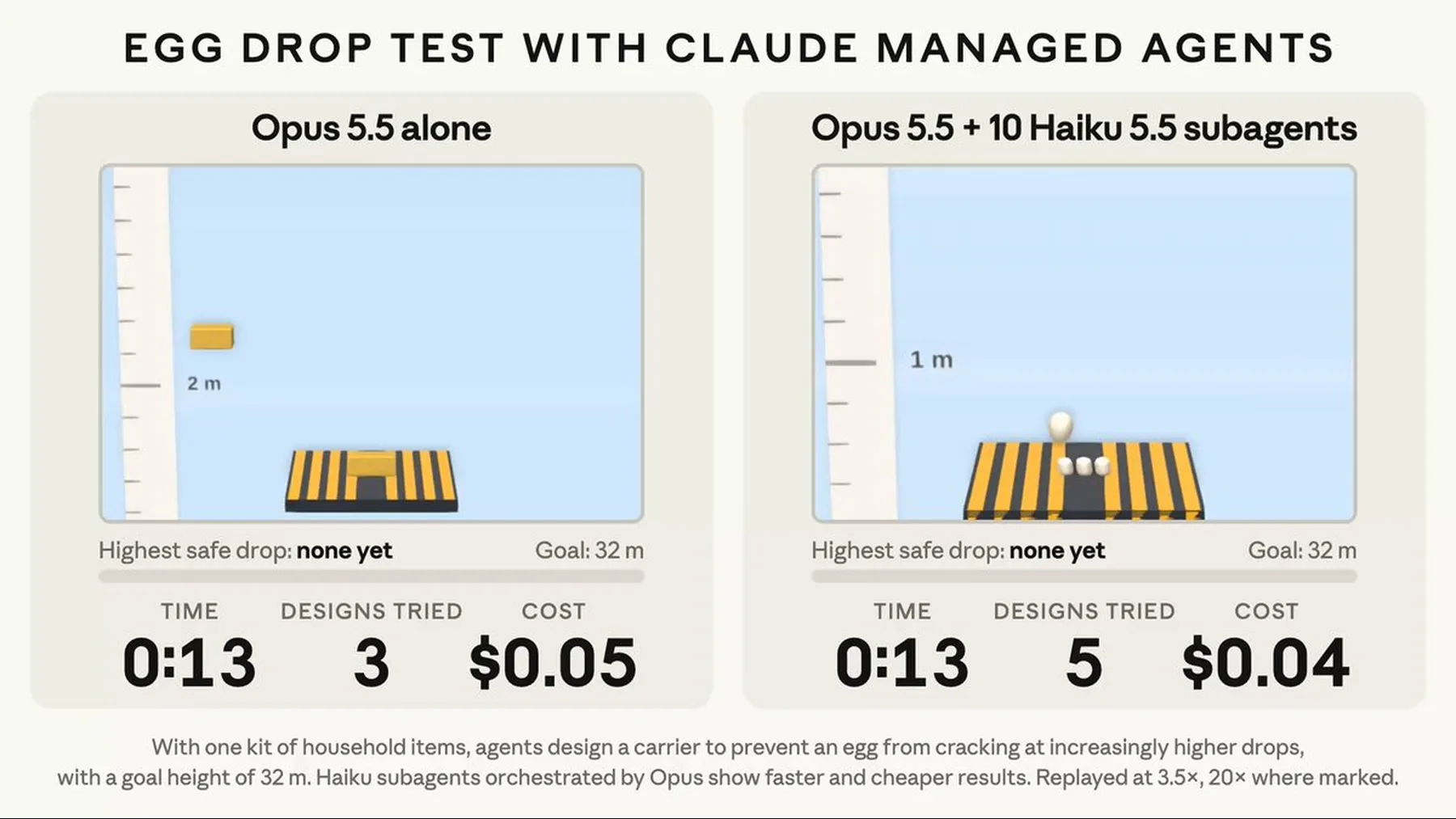
The announcement includes an egg-drop demonstration.
An egg-drop exercise gives the announcement a concrete visual setting. The poster places the experiment beside the product update.
A Smaller Job Within the Larger Task
A summary illustrates how supporting work fits inside a larger task.
While Opus 5.5 or Sonnet 5.5 handles a larger task, Haiku 5.5 can handle supporting summaries. The same division applies to the other named uses: context compaction and database queries.
A long set of notes becomes a shorter summary. Working context is compacted. A database query handles a specific information request. Each is a smaller job within the larger piece of work.

From Notes to a Useful Summary
A recurring task makes the supporting role easy to see.
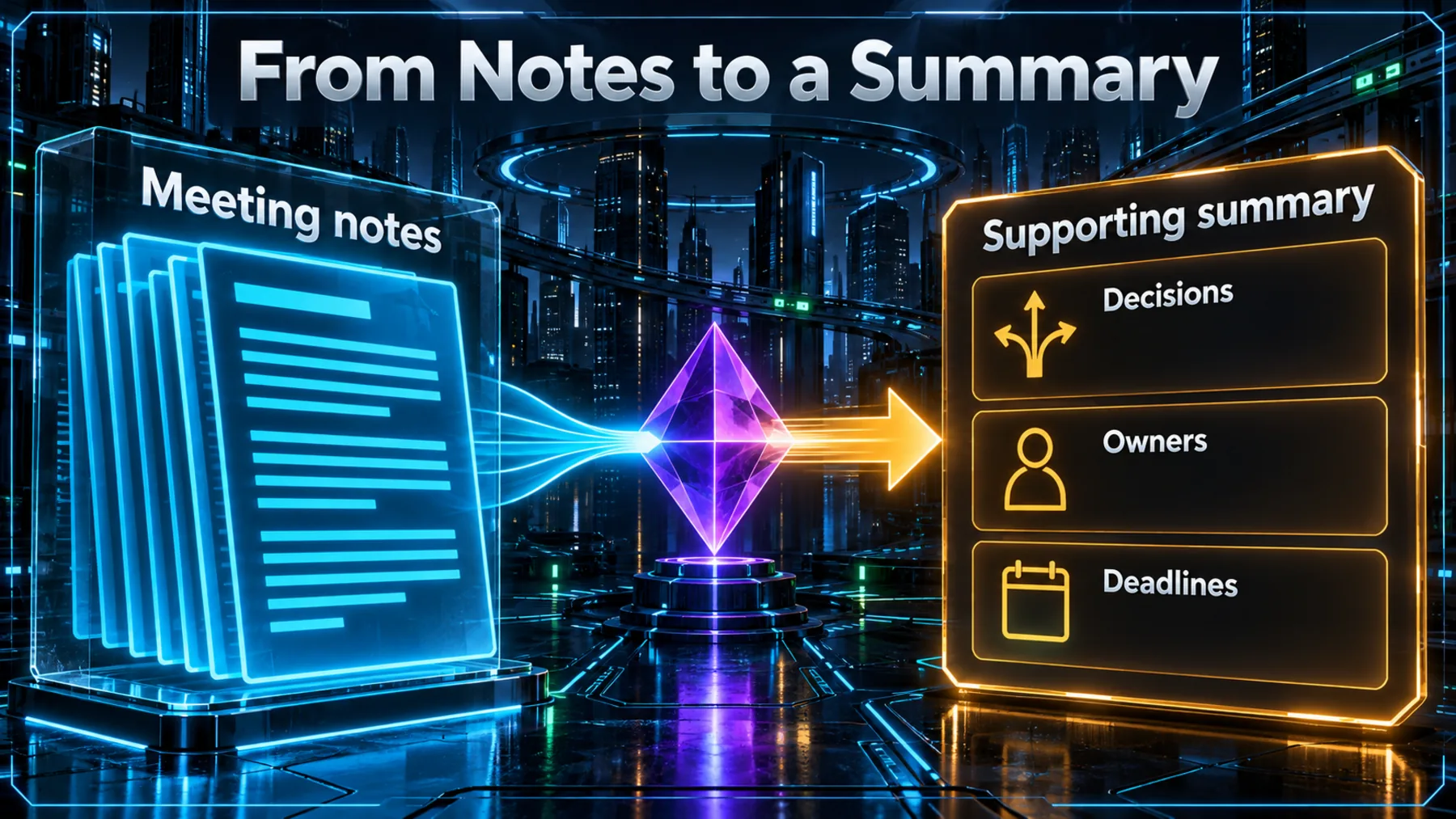
Take meeting notes containing decisions, owners and deadlines. A supporting summary brings those details together so we can use them in the larger task.
Haiku 5.5’s role is the routine summary; Opus 5.5 or Sonnet 5.5 handles the broader work. Summaries are one of the high-volume, cost-sensitive uses named in the release.
A Place for the Routine Work
Lower run cost and a clear supporting role are the practical changes.
The update brings Haiku 5.5 into Claude Platform and Claude Code, with around 75% lower run cost than Haiku 4.5 on average.
Its place alongside Opus 5.5 or Sonnet 5.5 gives routine summaries, compactions and database queries a model focused on supporting work.
Give the routine supporting tasks their own place in the AI team.
Altior editorial view
Bring the decisions together
Summarise these meeting notes in no more than 80 words. Preserve every decision, owner, deadline and unresolved question. Separate proposals from decisions. Notes: Our operations team agreed to trial a shorter enquiry form. Priya owns the draft and will circulate it by Thursday. We have not decided whether to remove the budget question. James suggested removing it; Lewis will review ten recent enquiries before Friday’s meeting. No change will go live before that review. An automatic acknowledgement email was discussed; its wording and implementation have not been approved. Return a short summary followed by three lists: decisions, actions with owners and deadlines, and open questions.Ready to copy
Put a Routine Summary to Work
Start with meeting notes: bring together the decisions, owners and deadlines in one supporting summary.
Try the promptThe release at a glance
- Available in Claude Platform and Claude Code.
- Around 75% lower run cost than Haiku 4.5 on average.
- Supports summaries, compactions and database queries alongside Opus 5.5 or Sonnet 5.5.