One still becomes a directed scene
OpenRouter says xAI’s model can turn an image and optional direction into video with motion, camera treatment and sound in the same generation.
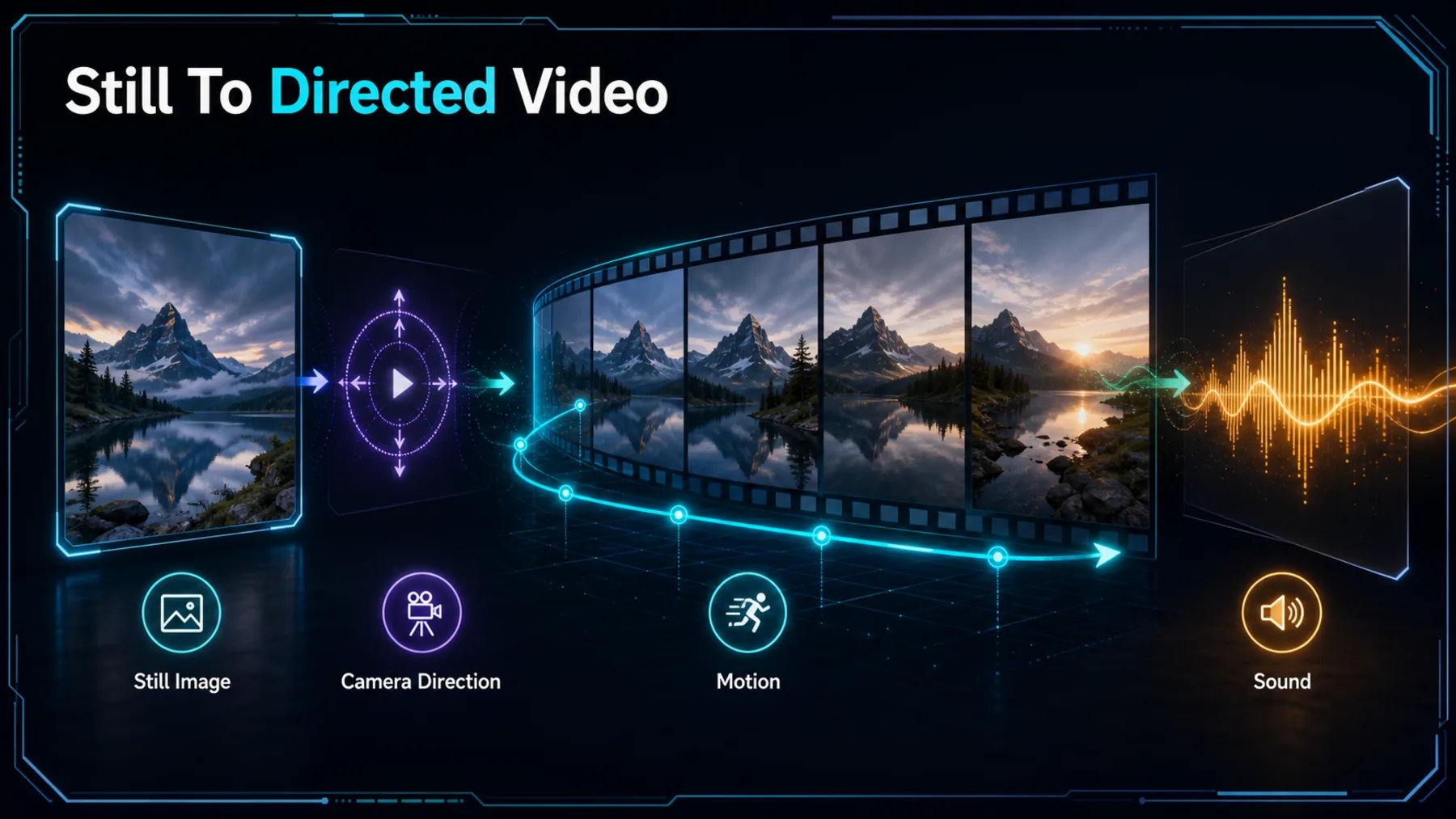
A still image is usually only the beginning. To make it move convincingly, we may need to shape the action, direct the camera and build the sound elsewhere.
Grok Imagine Video 1.5 is pitched as a shorter route. OpenRouter says we can start with an image, add optional direction and receive video with sound effects, ambience or dialogue. The announcement establishes that proposition and the route to it; it does not establish how well the result holds together.
The workflow gets shorter
The launch brings several creative instructions into one image-to-video request.
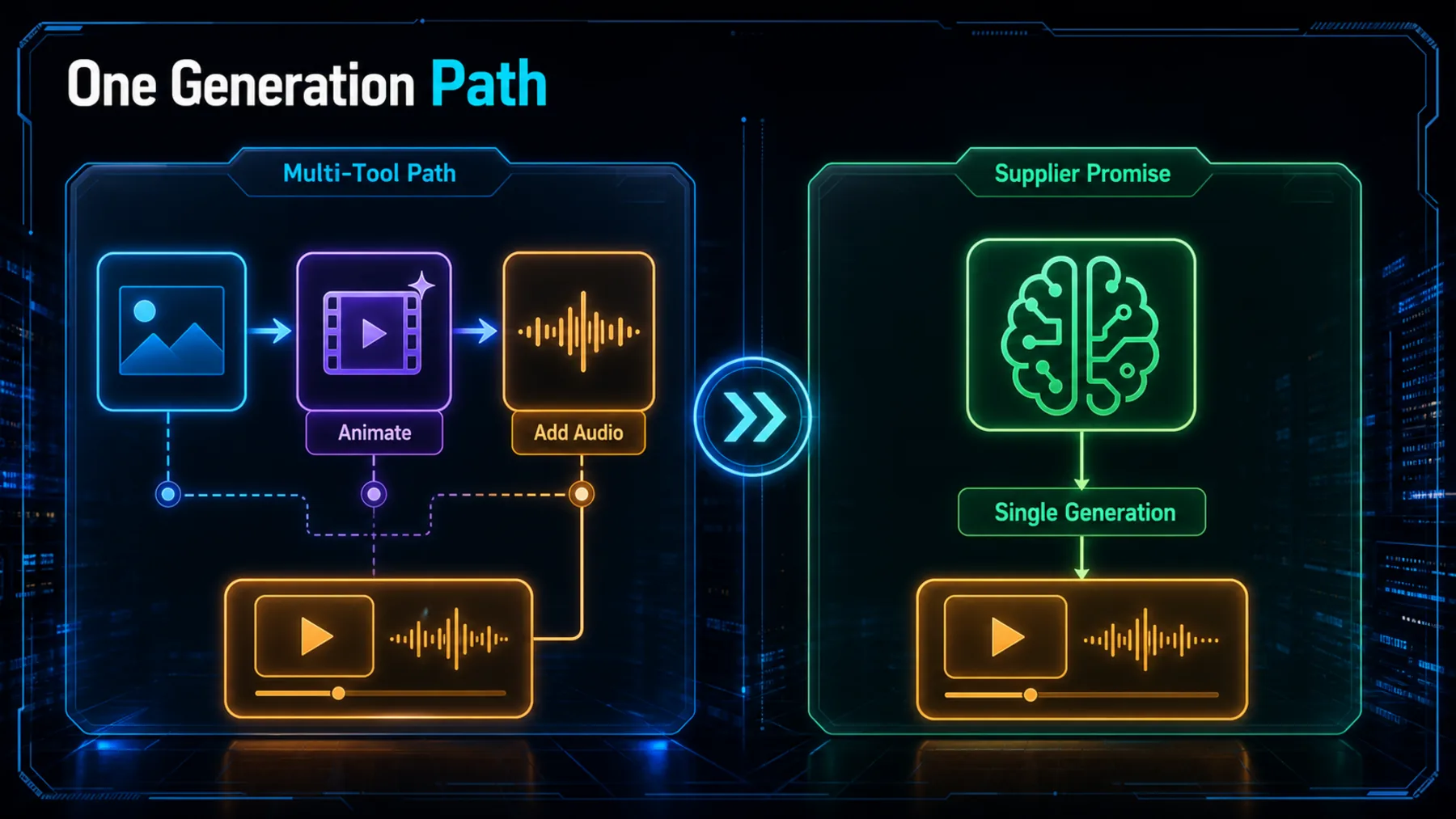
The appeal is not simply that a still can move. It is that motion, camera behaviour, atmosphere and sound can be directed together instead of assembled across a fragmented toolchain.
That could remove hand-offs for a creator or small team, but workflow compression is still a proposition rather than a measured efficiency gain. We have the model description, not evidence of time saved or work avoided.
What the listing establishes
The route, input class and output modality are visible; output performance is not.
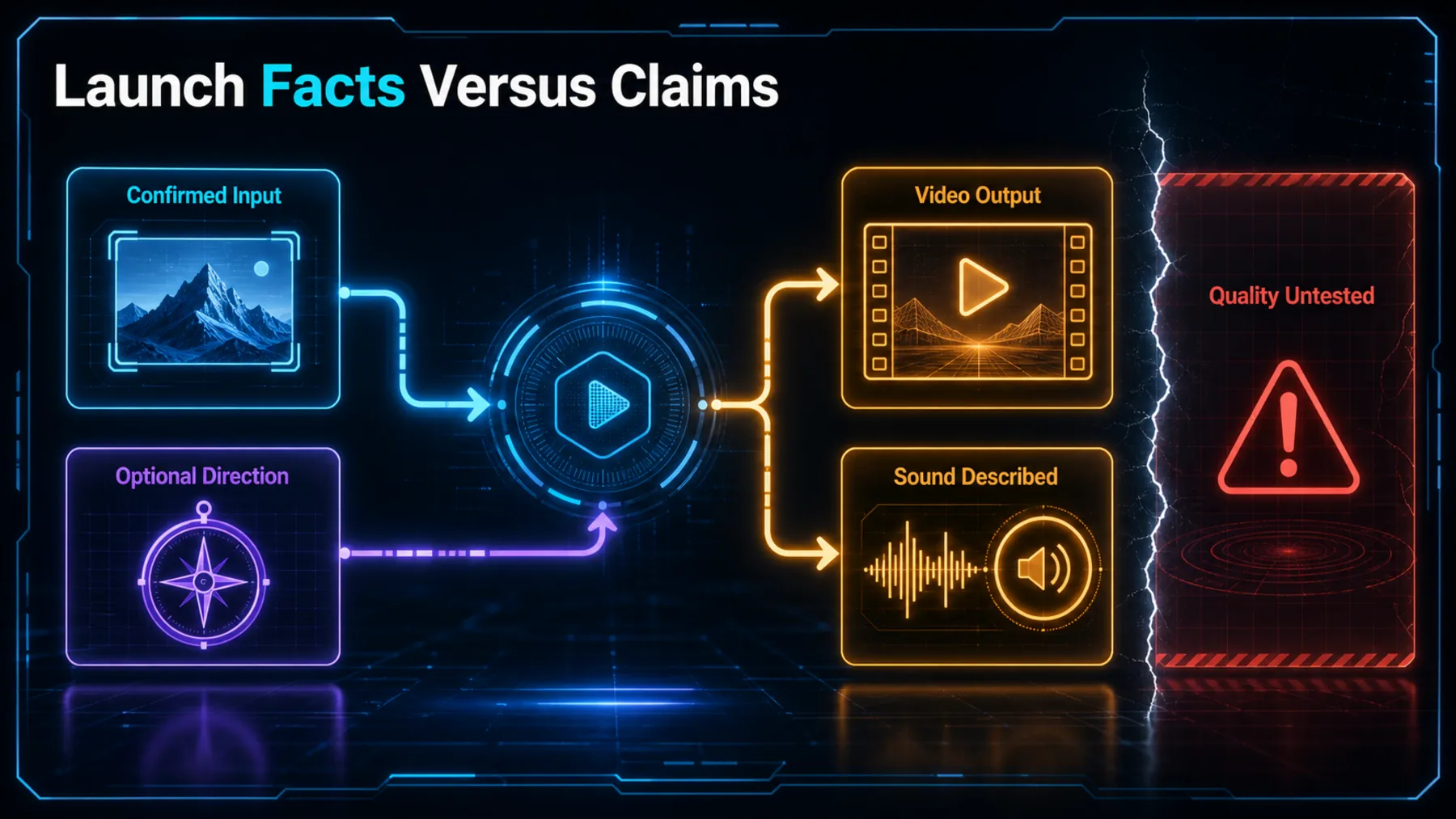
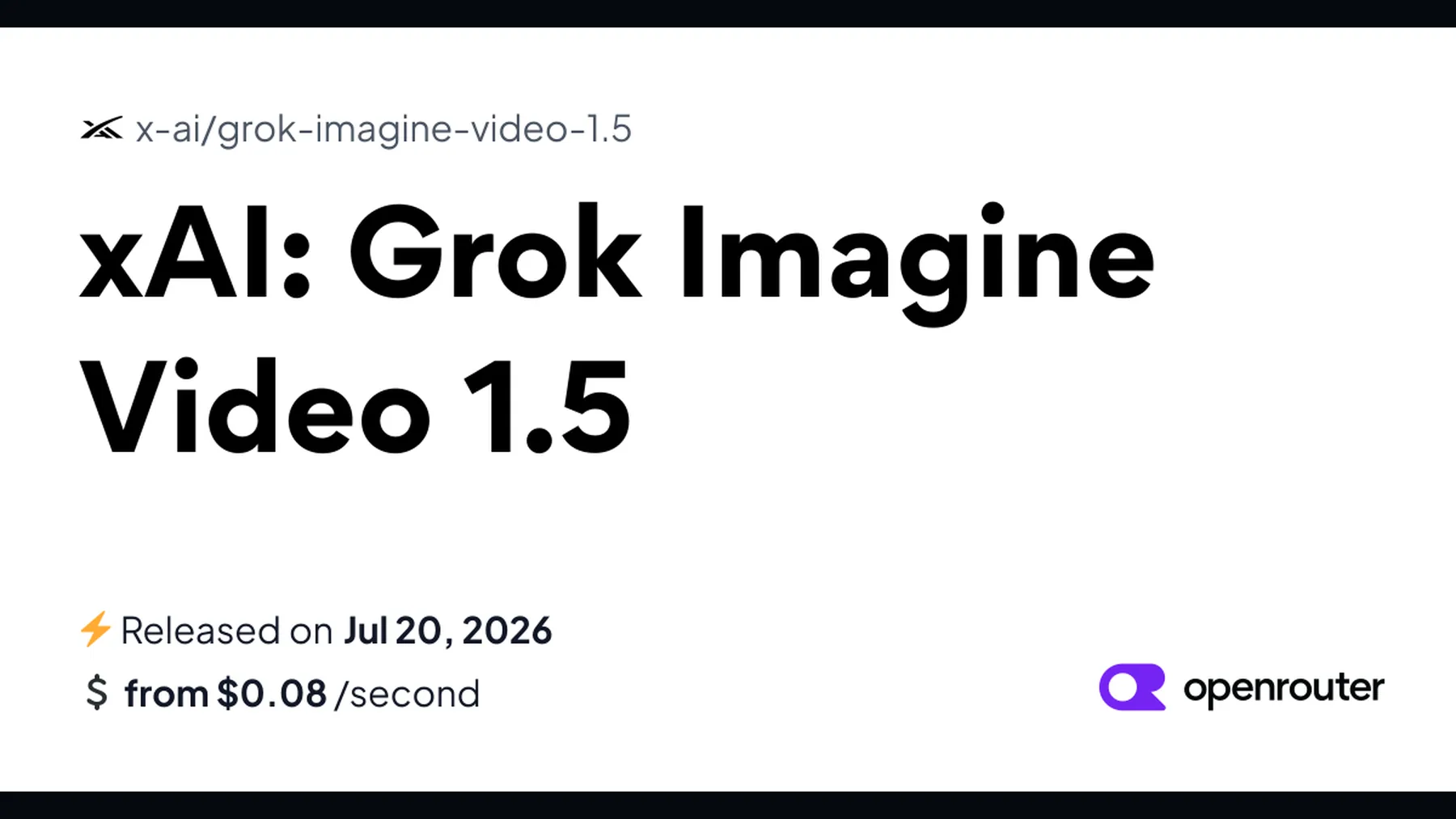
OpenRouter announced the model as live on 20 July 2026. Its product page identifies text and image as inputs, video as the output and x-ai/grok-imagine-video-1.5 as the exact route.
The same page says the model can maintain visual continuity and generate synchronised sound effects, ambience and dialogue. Those descriptions tell us what to examine, but they are not an independent assessment of continuity, control fidelity or audio sync. Pricing also remains unresolved in the approved evidence.
The launch in OpenRouter’s words
The announcement makes a broad creative promise without supplying an accepted output test.
“Bring any still image to life with an optional text prompt.”
OpenRouter, 20 July 2026
The post is unusually clear about the intended experience: start with a still, optionally direct the scene, then ask one model to handle both the visual movement and its soundscape.
It is equally important to keep the source in view. OpenRouter is announcing availability and describing capability. We have not accepted a demo clip or run an independent test that would turn those descriptions into demonstrated performance.
A promise is not a quality test
The launch materials define what the model is meant to do, not how reliably it does it.
We cannot infer smooth motion, faithful direction or convincing sound from a product description. There is no accepted clip here to inspect for visual drift, scene continuity, camera compliance or the timing between action and audio.
That distinction keeps the story useful. The announcement identifies a potentially valuable workflow; a generated result would tell us whether the workflow delivers on it. Until then, terms such as reliable, superior or production-ready would outrun the evidence.
How one generation is meant to work
An image anchors the scene; optional text directs it; the model returns video and supplier-described sound.
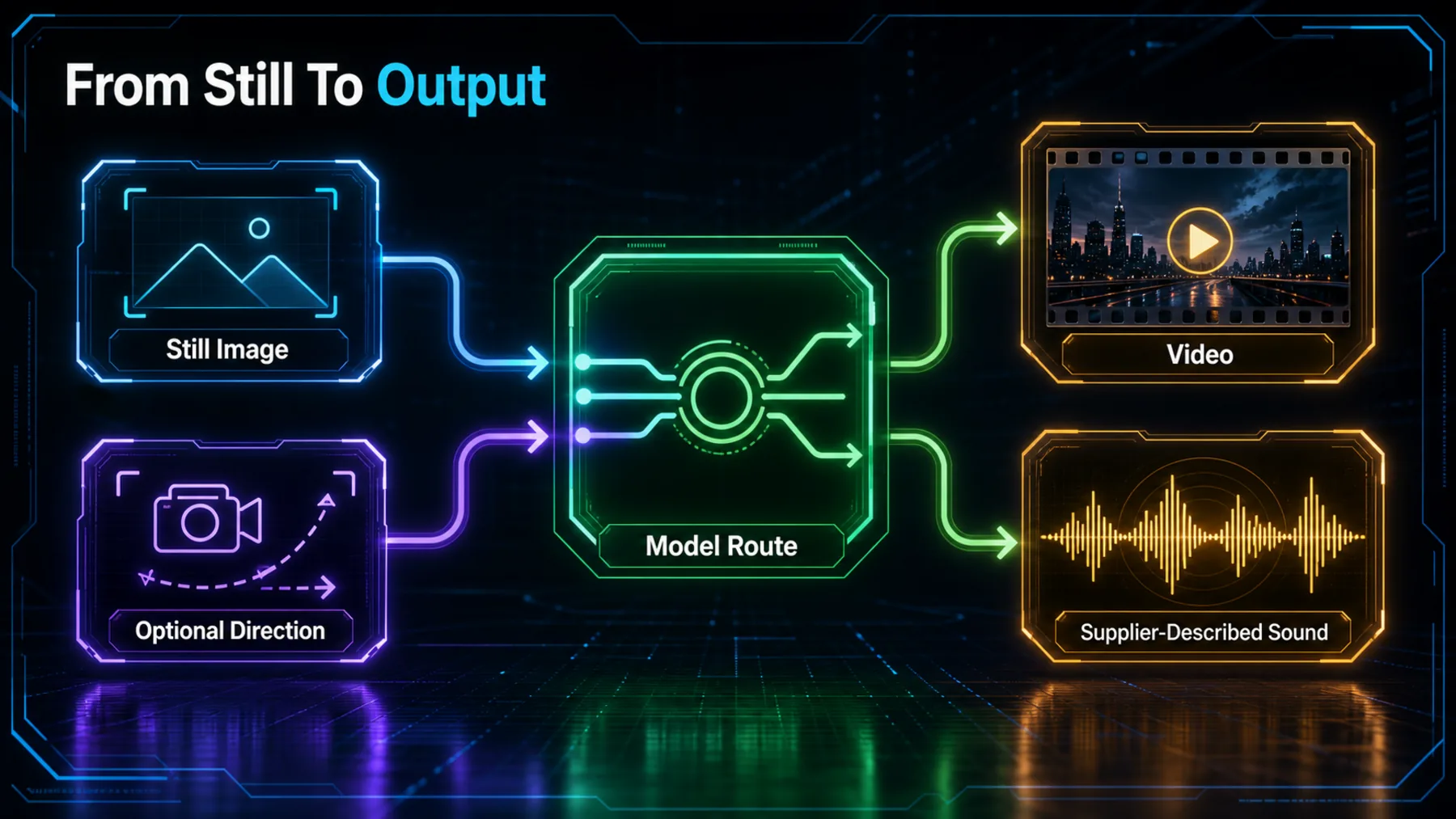
We begin with the image that should become the first frame. The optional prompt can describe subject movement, camera behaviour, pace, atmosphere and physical action, giving the model a compact piece of direction rather than a loose request to animate everything.
OpenRouter says the returned video can include synchronised sound effects, ambience and dialogue. The useful test is therefore not only whether something moves, but whether the image, direction, motion and sound remain coherent as one scene.
Confirmed input
Confirmed output
Claim to test
What we would actually do
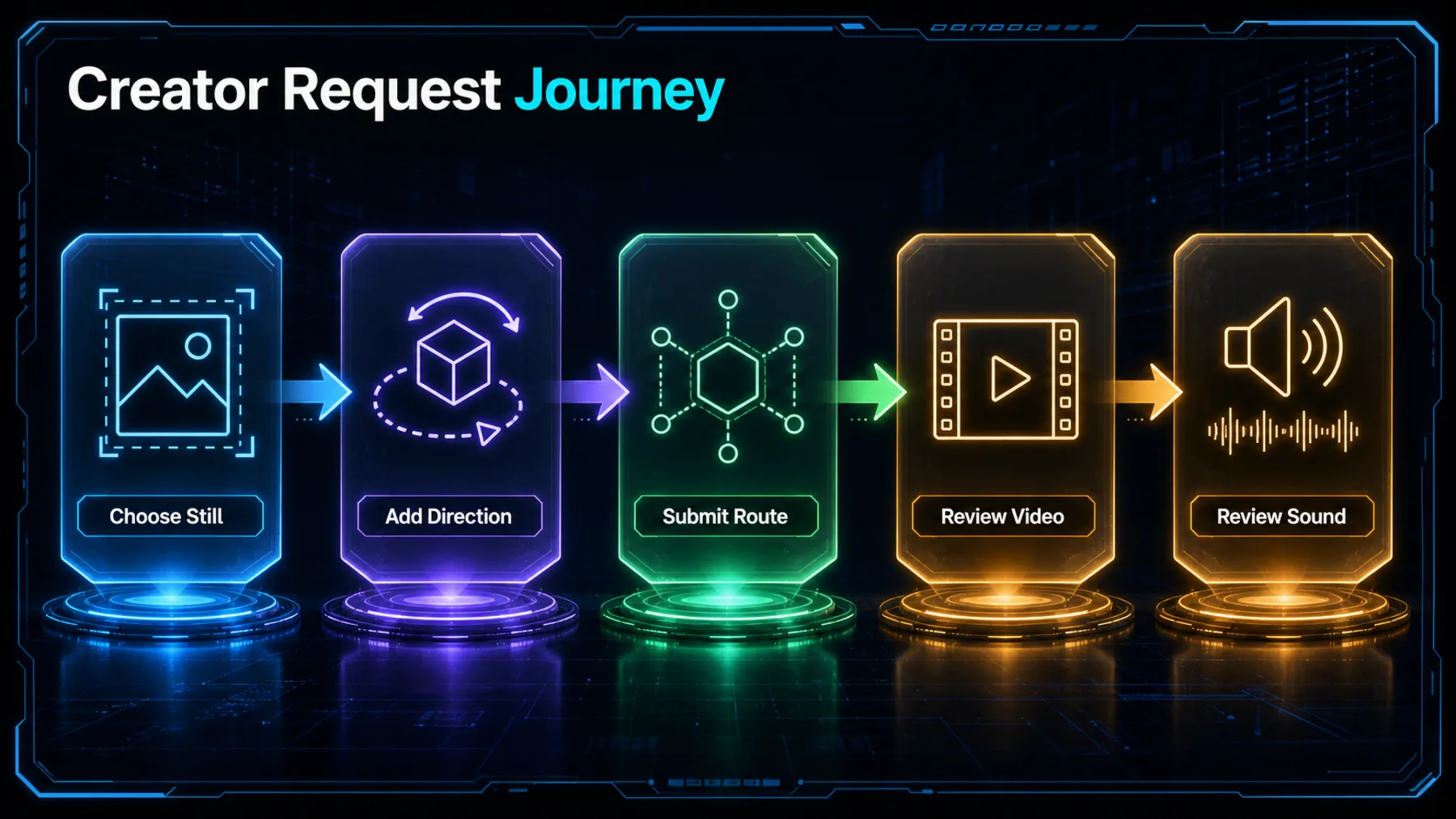
Choose the frame, direct the moment and inspect the returned scene against the brief.
Choose
Direct
Assess
For us, the model’s value would live in the gap between instruction and result. A good source image gives the scene its visual anchor; a restrained prompt makes the intended movement and mood observable rather than leaving success undefined.
Once the video returns, we still need to judge it. Did the subject remain recognisable? Did the camera follow the direction? Did motion preserve continuity? Did sound arrive at the right moment? Duration, format, latency, quality and verified pricing remain unresolved in the approved evidence.
The promise is workflow compression
The launch matters because it proposes one directed audiovisual generation where several creative steps often sit apart.
The headline is not simply that a still can move. It is that direction, motion and sound are being asked to become one coherent generation—and that coherence is the part we still need to see.
Altior synthesis from OpenRouter’s launch materials
OpenRouter has made the model route available and described an ambitious interaction. If the output follows the image, direction and sound brief together, the model could compress a scattered creative process into a more direct one.
The careful conclusion is also the more useful one: availability is confirmed, while quality remains open. The runnable prompt below turns the launch proposition into an observable test without pretending the result is already known.
Direct one still as a complete scene
Animate the attached still as a single continuous scene. Keep the subject recognisable and the composition coherent. Begin with near-stillness, then introduce a slow forward camera move as wind lifts the smallest details in the frame. Let the atmosphere grow from quiet tension into release without adding new people, objects or locations. Create restrained environmental sound, closely timed physical sound effects and no dialogue. Return one video whose motion, camera treatment and sound feel like parts of the same deliberate moment.Ready to copy
Test the whole scene
Run one controlled image-to-video request, then examine motion, camera fidelity, continuity and audio sync as parts of the same result.
Try the promptWhat could change the verdict
- Visible output quality
- Direction fidelity
- Continuity
- Audio sync and pricing