Grok Bot wants the task, the tools and time to keep working
Grok Bot is pitching early-beta delegated work across our tools, with persistence—not proof—the central promise.
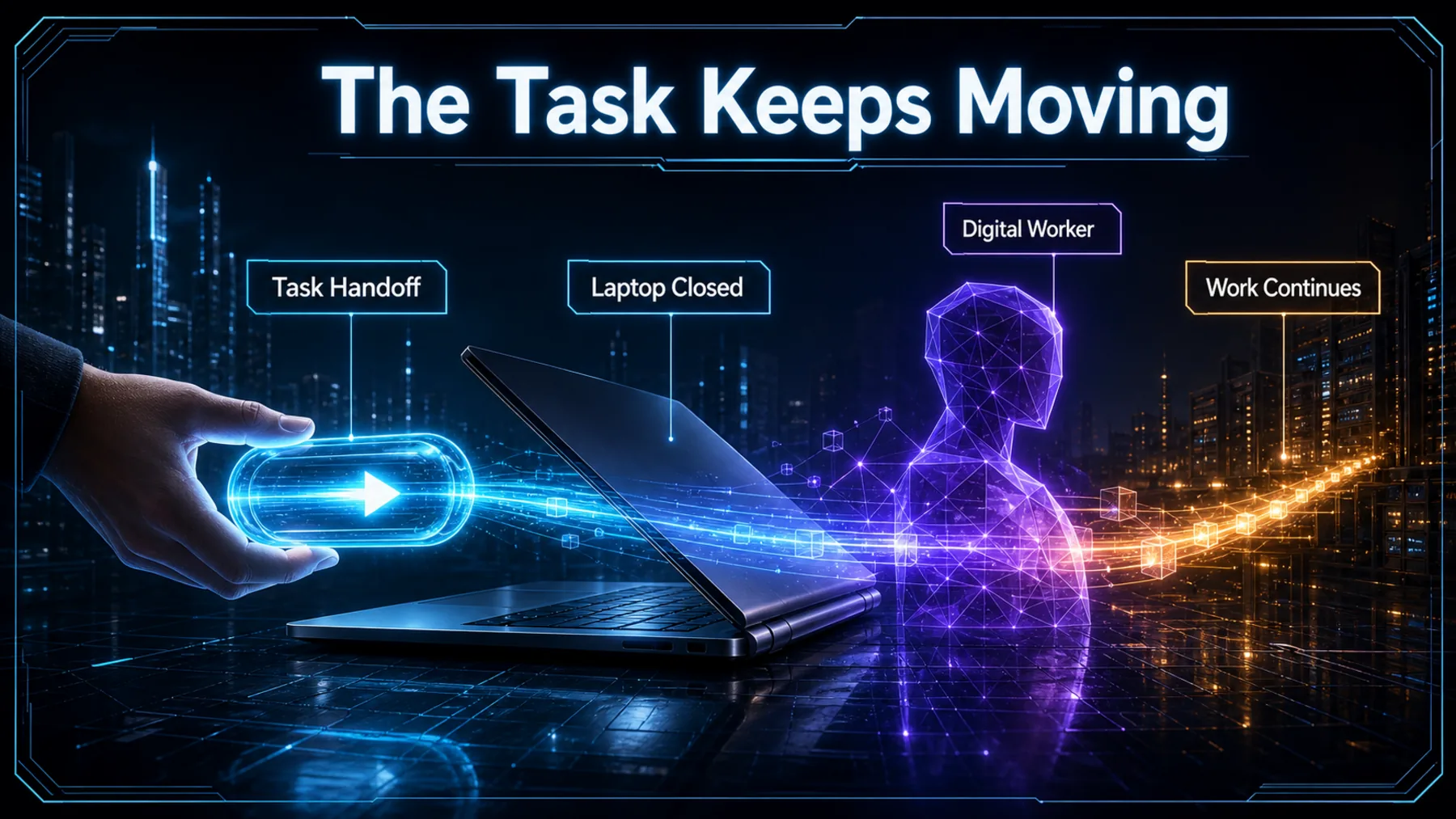
Grok Bot says its new early-beta product can sign into tools we already use, carry out an assigned job and return with finished work. That moves the pitch beyond a familiar chat window and towards delegated computer work.
Its source is a four-post launch thread, so the announcement is clear while reliability, security and results remain unproven. The claim deserves attention precisely because the trust required is higher.
From answers to action
Advice ends at the screen; delegated work is meant to continue beyond it.
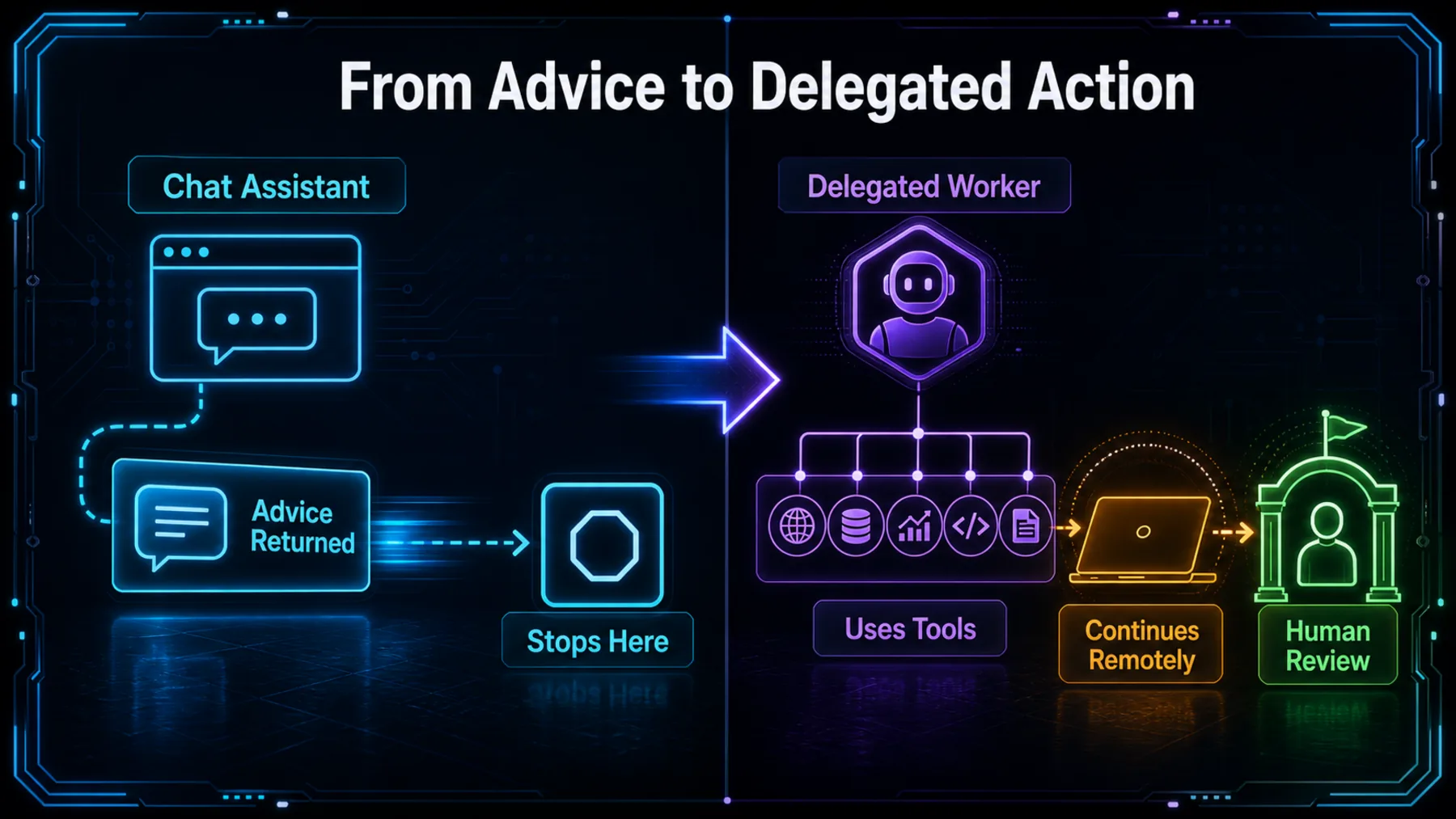
A chat assistant can help us think through a job. Grok Bot is presented as something we can assign the job to, with access to tools and the expectation that it will come back with work.
That distinction changes the stakes. The more a system acts across our working tools, the more we need to understand what it can access, how it records decisions and what happens when a task goes wrong.
What Grok actually announced
Early beta, named examples, named plans and two platforms are the facts on the table.
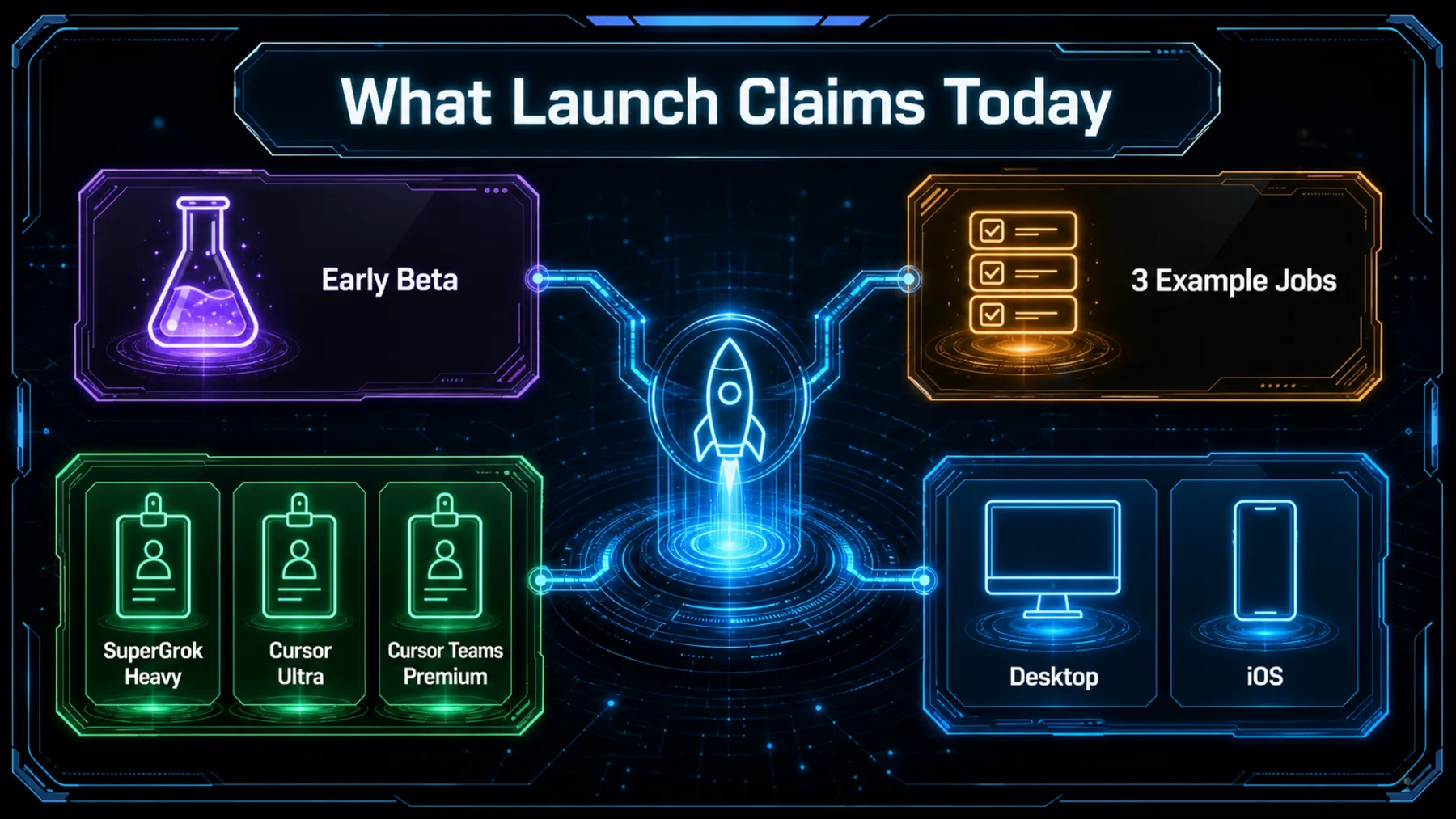
Grok Bot says the beta is available today for SuperGrok Heavy, Cursor Ultra and Cursor Teams Premium subscribers on desktop and iOS. Those are access conditions at the time of the post, not a price list or a claim of broad availability.
The thread gives no geography, deployment requirements or general-availability date. That makes the access line a useful boundary, not the story’s conclusion.
The supplier’s promise
An AI teammate that signs into tools and returns finished work is the proposition.
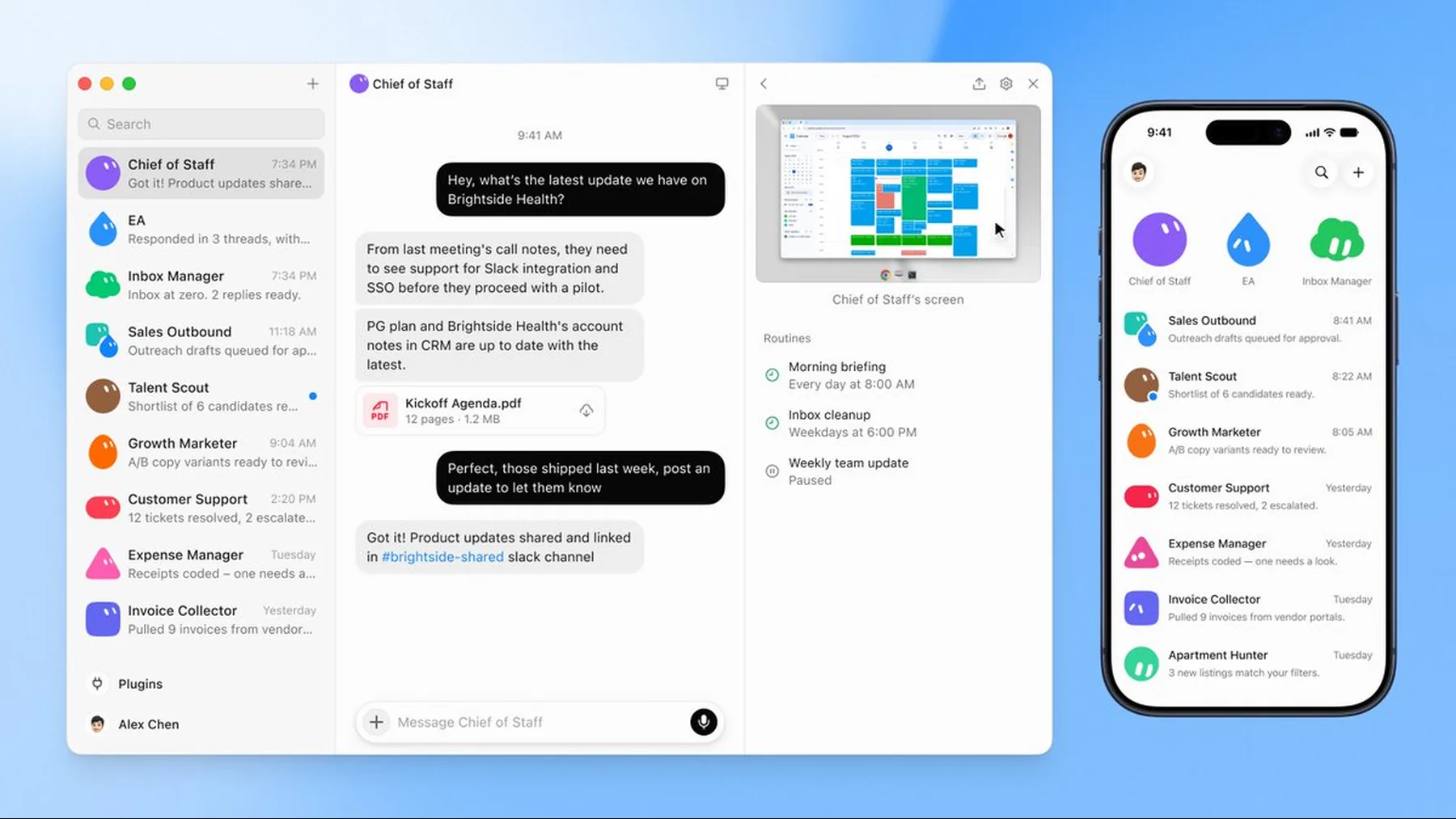
Bots are AI teammates that do real work for you. They sign in to your tools, use them just like you do, and come back with finished work.
Grok Bot, X launch thread
Grok Bot’s language is deliberately expansive: this is not presented as a feature that suggests the next step, but as a teammate that uses tools. The product ambition is clear.
What the thread does not establish is equally important. It does not show how dependable those actions are, what controls sit around them or how we recover when the work needs correction.
Work beyond the laptop
Grok Bot says an assigned task can continue after we close the computer.

The most consequential detail in the launch thread is persistence. Grok Bot says we can give it a task, close the computer and reach it from elsewhere while the work continues.
That is a more demanding promise than producing a response in one sitting. It shifts the question from whether an answer looks useful to whether the hand-off, the access and the returned work can be trusted.
The hand-off loop
Task, tool access, continuation, returned work, then human review.
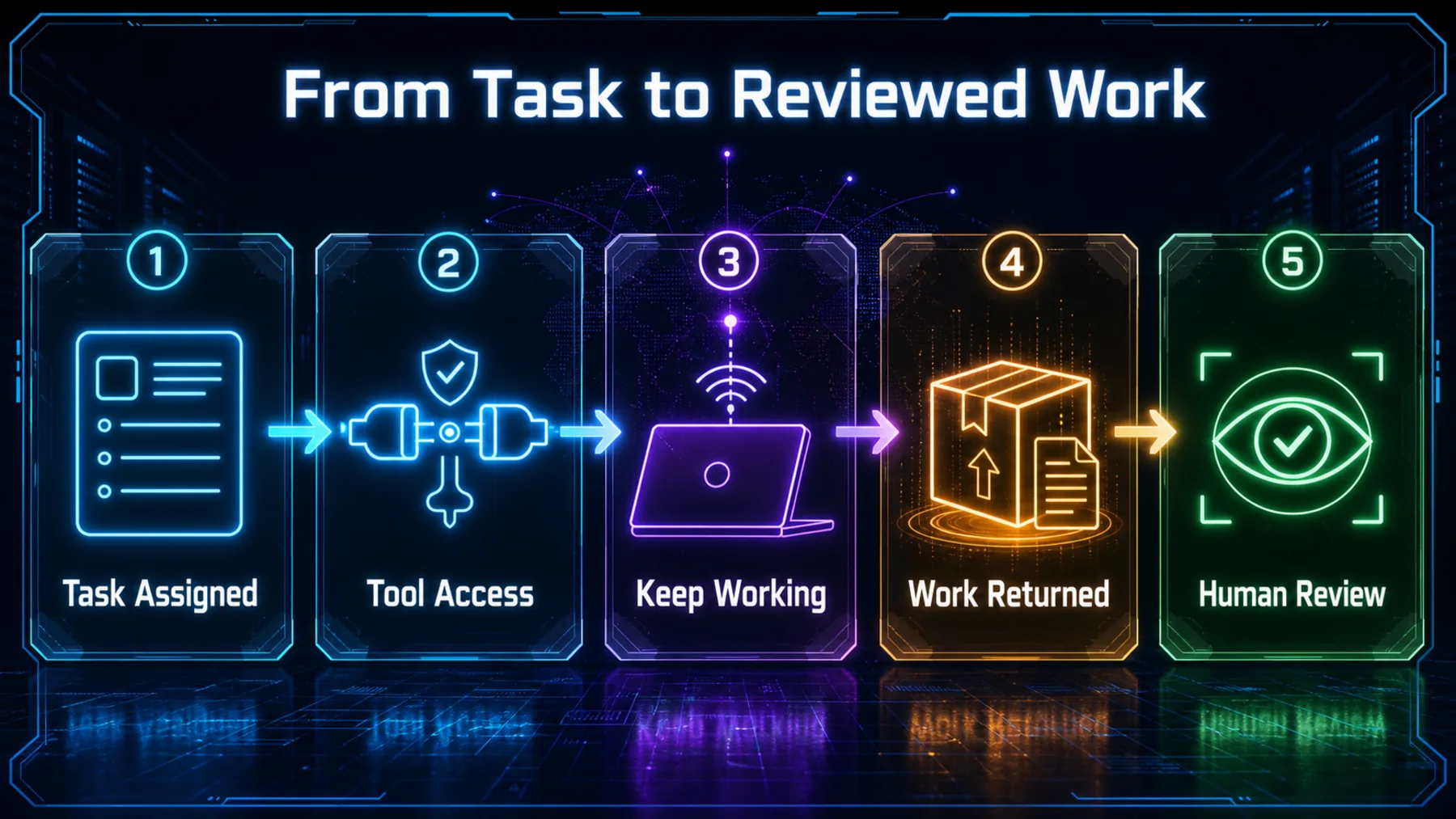
The launch describes a simple loop: we assign the task, Grok Bot uses tools, and the work returns later. The practical unknowns sit inside that apparently simple sequence.
Before a delegated task earns trust, we need clarity on permission boundaries, visibility into what happened and a workable way to stop, correct or recover from an error.
Three jobs, one trust gap
The examples are familiar; the controls around them are not yet described.
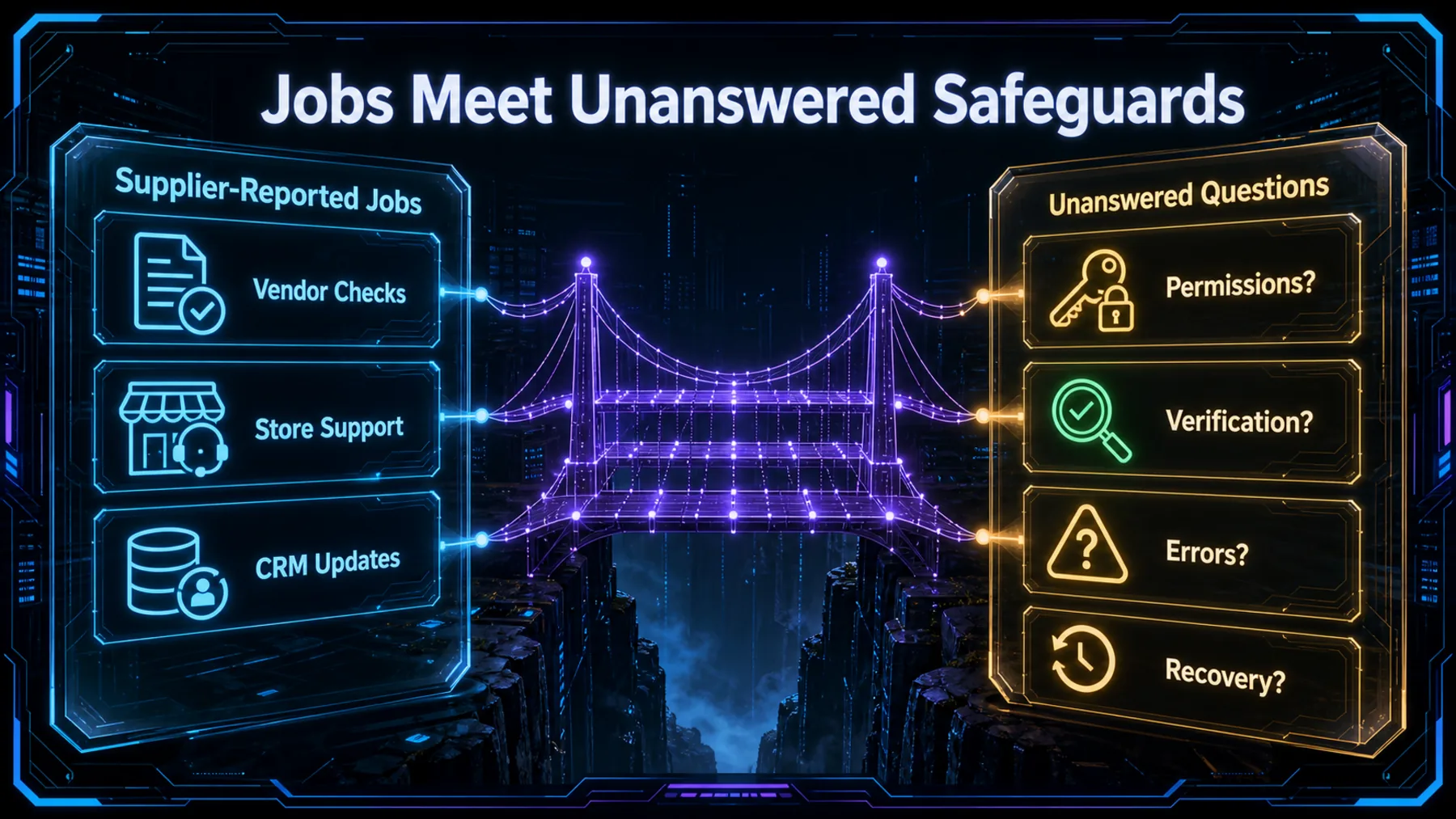
Grok Bot says people are using it to negotiate with vendors in their voice, manage online-store support and keep CRM records up to date. Those are recognisable jobs with real commercial consequences.
They also make the evidence gap tangible. A system acting in any of those places needs clear permission design, checks on the work it returns and a route back when it makes the wrong move. The thread does not describe those safeguards.
Delegation raises the bar
The value of action depends on the confidence we can place in it.
Conversational advice can be useful on its own. Delegated action has to earn trust through the work it touches, the evidence it leaves and the recovery it allows.
Altior synthesis from the Grok Bot launch thread and its stated gaps
Grok Bot has identified a compelling direction: less time prompting for answers, more time handing off bounded work. Early beta is the right moment to examine that direction without mistaking its pitch for proof.
The stronger test is practical. We should start with a contained task, limit what the system may touch, inspect the returned work and keep the final decision with us.
Test a bounded delegated task
Act as an operations assistant. Using only the information in this message, prepare a draft reply to a vendor asking for a delivery-date update. Do not send anything, access external tools or invent facts. First list the assumptions you need confirmed, then write a 120-word draft reply, followed by a three-item checklist of actions that require our review.Ready to copy
Watch the controls
The next meaningful evidence is not another claim of autonomy. It is proof of how delegated work is permitted, inspected, corrected and recovered when conditions change.
Try the promptWhat could change the picture
- Permission design
- Auditability
- Recovery
- Independent testing