Grok 4.7 Is Built for the Jobs That Last Hours
xAI says Grok 4.7 is designed to stay with difficult coding and knowledge-work tasks, retain context and check its work as the job unfolds. The proposition is endurance; independent proof is still absent from this launch record.
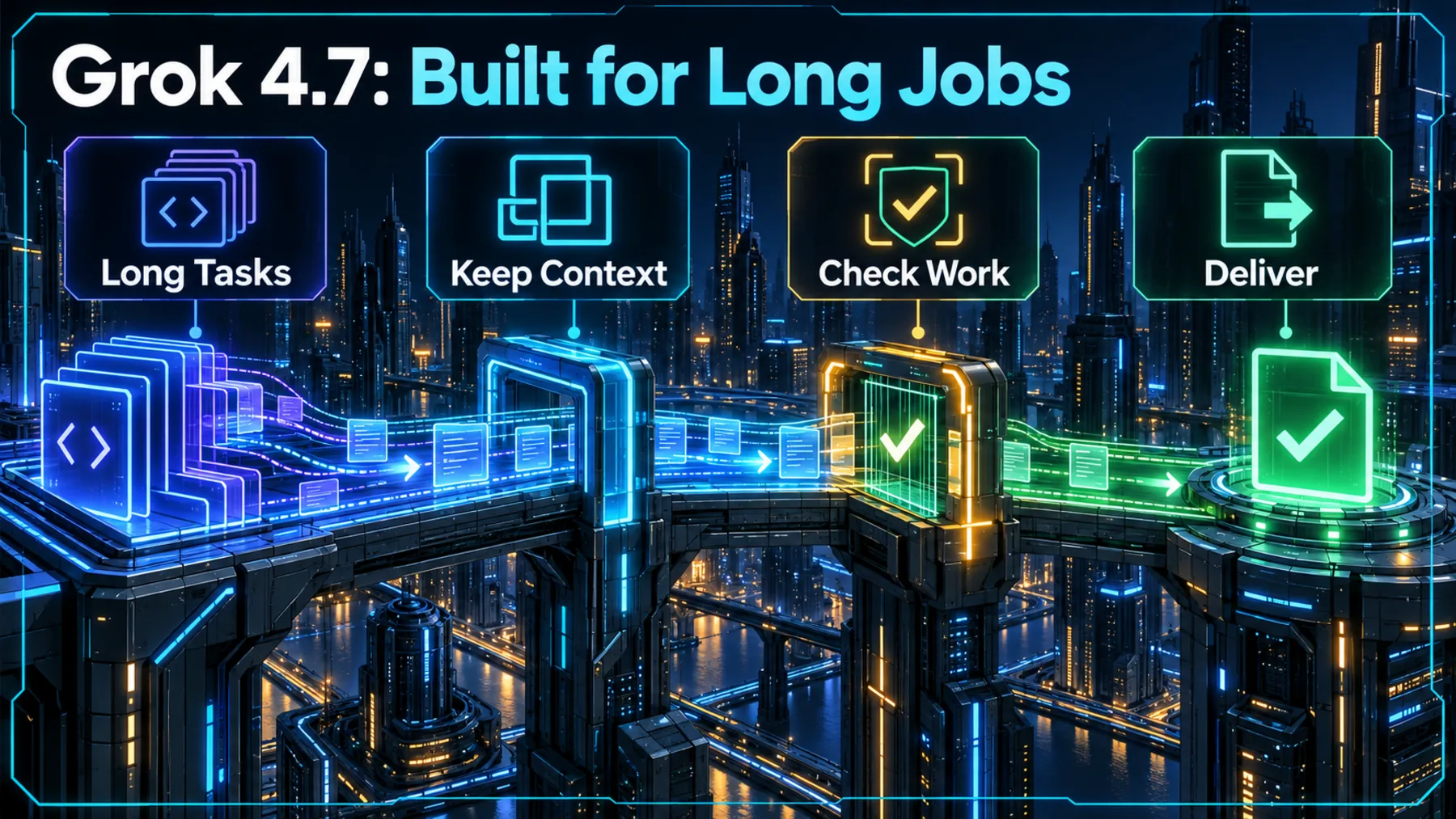
A short prompt can conceal a lot. A job that lasts hours cannot: an early misunderstanding can travel through every later stage, context can drift, and a polished final answer can still miss the brief.
xAI says Grok 4.7 is its response to that problem. Its launch centres on difficult coding and knowledge work, longer context management and more careful self-verification. That is a useful product thesis, but it remains xAI’s account of its own model.
Long Tasks Fail Differently
The risk in extended work is not only getting the first step wrong. It is carrying that mistake, losing the thread and failing to catch either before the final hand-off.
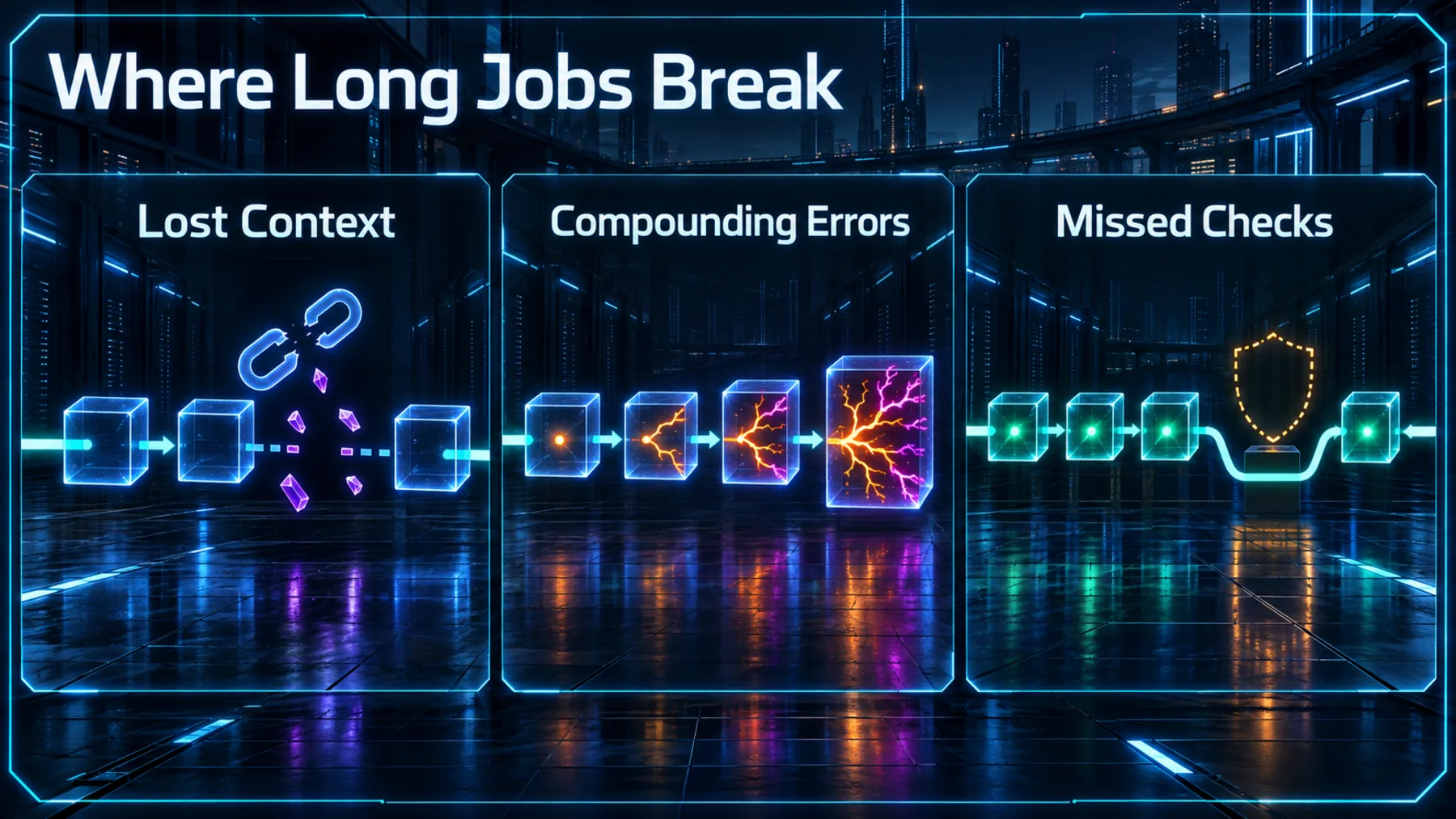
When we give an AI a substantial brief, the question is not whether it can produce a plausible opening response. It is whether it can keep the objective intact while the work branches into research, drafting, coding, checking and revision.
That is why xAI’s emphasis on work that takes many hours matters more than another isolated benchmark position. The launch asks us to judge the whole route through a task: understanding, continuity, verification and the quality of the final artefact.
The sensible test is practical. We should retain human review and see whether late-stage failures genuinely fall on our own demanding work, rather than treating a launch claim as a completed reliability finding.
What Changed—and What It Costs
xAI links its endurance claim to a larger base model, a longer reinforcement-learning run on harder tasks, longer-context management and self-verification. It also sets out a clear speed-for-price trade-off.
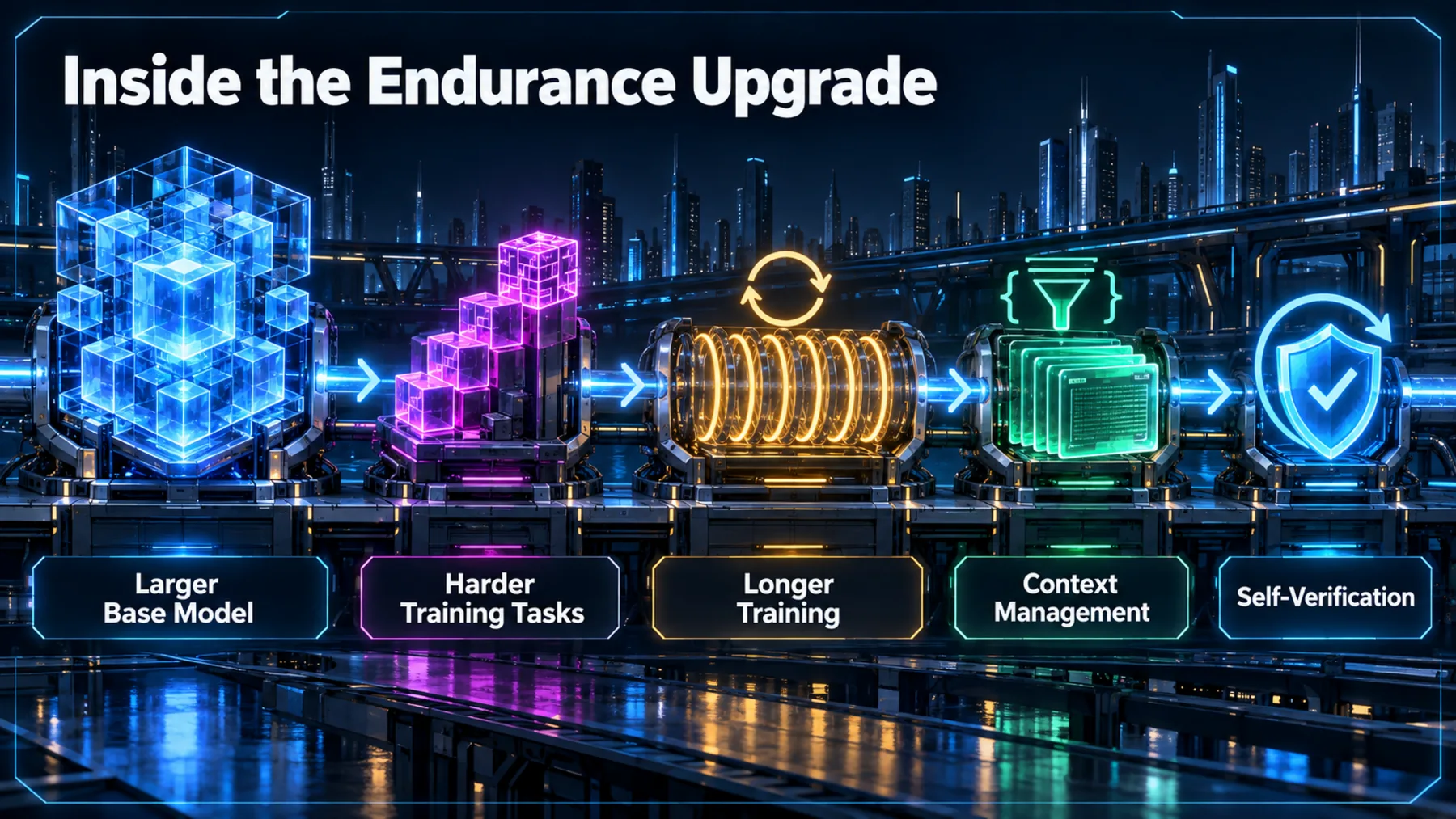

xAI says Grok 4.7 uses a new, larger base model than Grok 4.6 and was trained with a longer reinforcement-learning run on a harder mix of tasks weighted towards problems lasting many hours. The company also says the model is better at managing longer context and verifying its own work.
Those statements describe a direction of travel, not a disclosed architecture or a guarantee. The source pack does not establish parameter counts, a context-window size or how the model reaches its conclusions.
The commercial detail is simpler. xAI publishes starting standard prices of $2 per million input tokens and $6 per million output tokens. For work where elapsed time matters, its fast option offers 2× output speed at 2× price. We should weigh that choice against the actual cost and review burden of the job.
The Launch Receipt
The availability claim is narrow and useful: a SpaceXAI post says Grok 4.7 is available in Cursor, Grok Build and the Grok API.
The launch is not only a research claim. SpaceXAI says Grok 4.7 is available now through Cursor, Grok Build and the Grok API.
That tells us where to begin checking access, but not which route is right for every task, region or account. The captured materials do not establish universal availability, total deployment cost or a particular workflow outcome.
Grok 4.7 is available now in Cursor and Grok Build, and the Grok API.
SpaceXAI
The Demonstration—and Its Limits
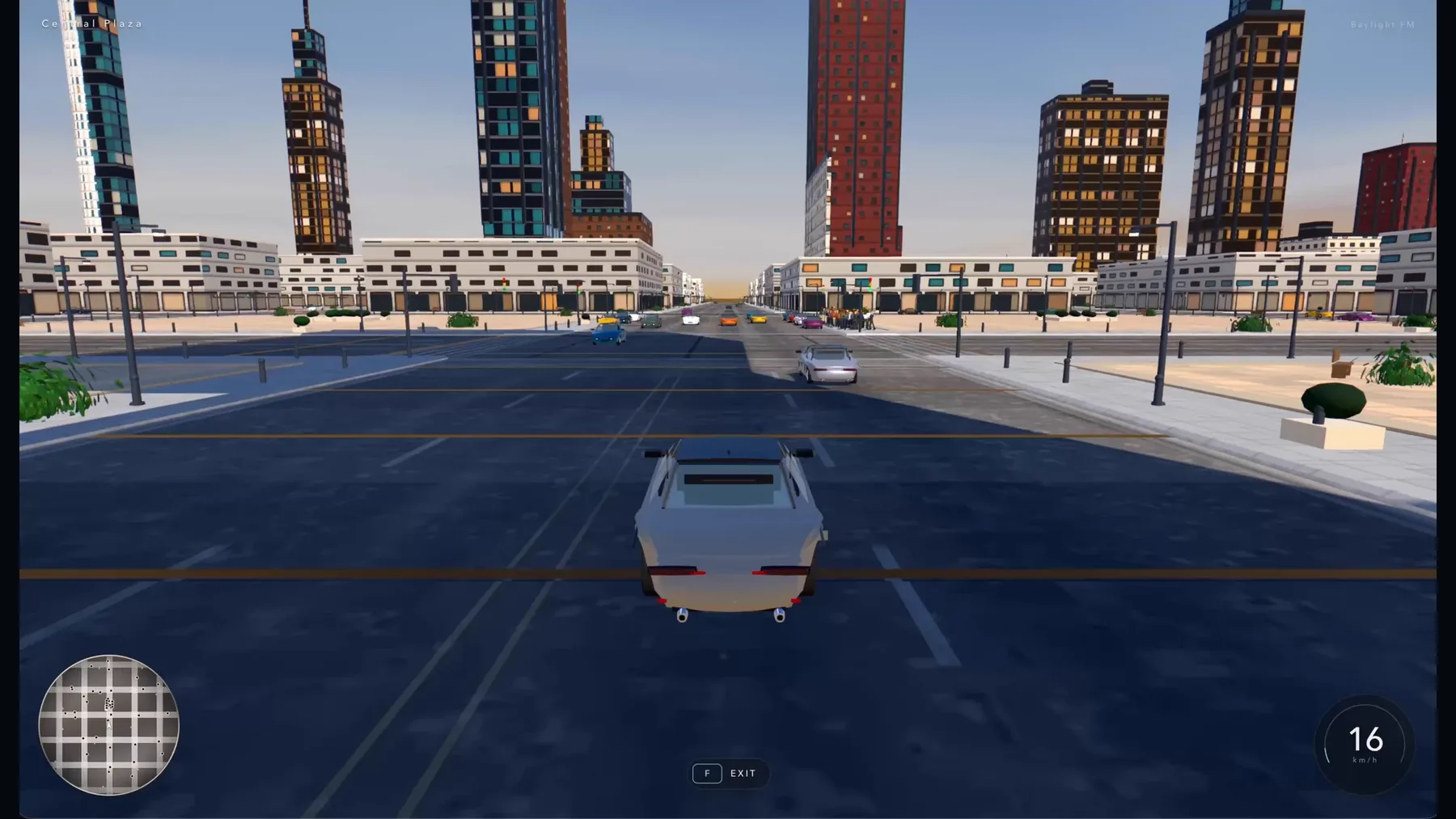
SpaceXAI published a Grok 4.7 versus Grok 4.6 city-game demonstration. It documents what SpaceXAI chose to show, not an independent or general performance test.
A demonstration can make a product thesis tangible. In this case, SpaceXAI asks us to compare Grok 4.7 and Grok 4.6 building an open-world city game.
It is reasonable to treat that post as a release artefact: it confirms that SpaceXAI published the comparison. It is not enough to establish broader coding performance, long-task reliability or an advantage across the work we actually need done.
The stronger reading is therefore cautious. The post may be worth inspecting, but a serious evaluation still needs representative tasks, clear review criteria and independent checks of the final output.
How the Long-Task Loop Works
The useful model is not hidden reasoning. It is a visible working loop: understand the brief, carry context, check intermediate output, correct mistakes and review the final delivery.
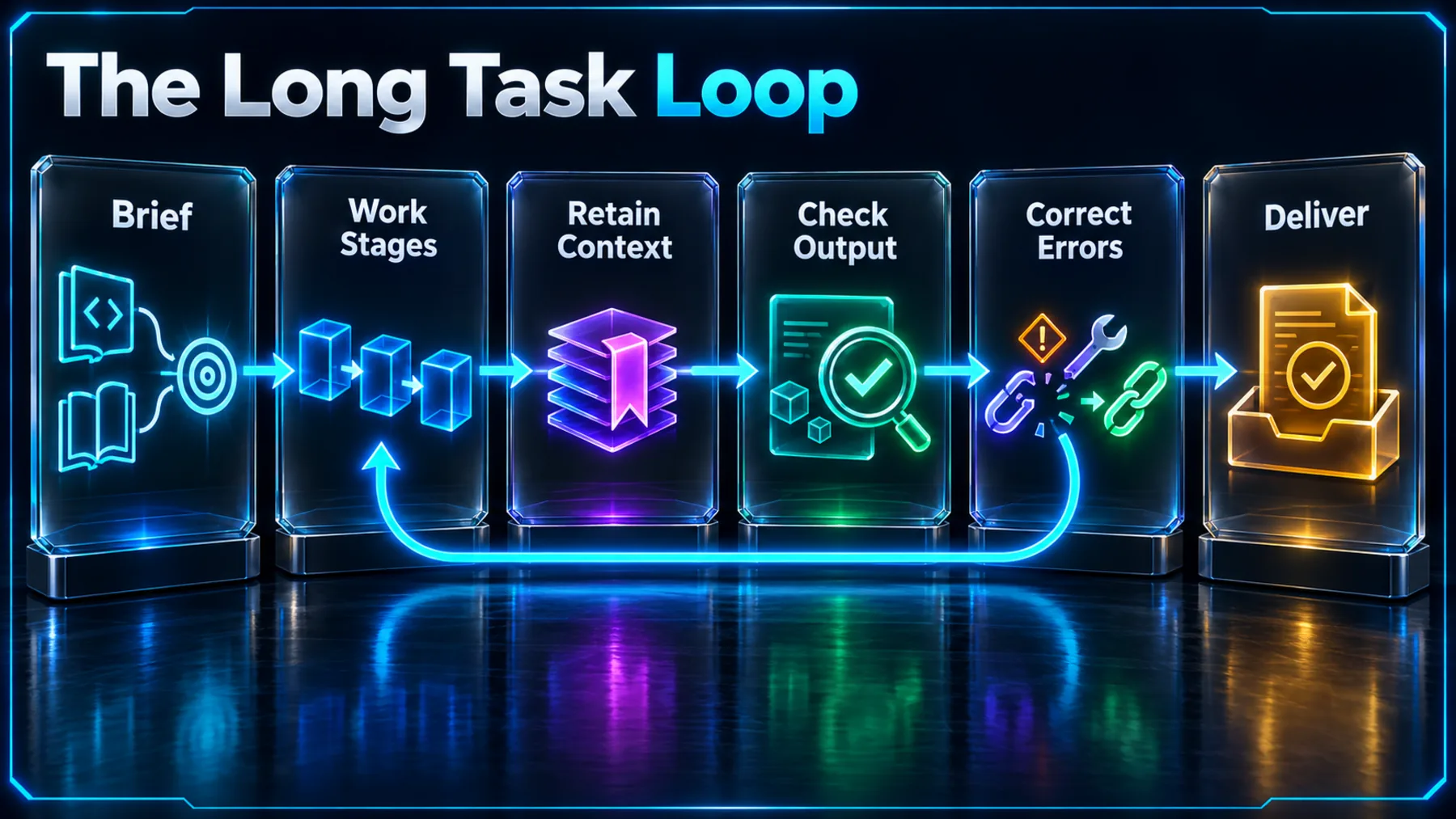
We can describe the intended benefit without claiming to know the model’s internal process. A long job begins with a clear brief, moves through several dependent stages, and needs the important decisions to remain available as the work develops.
At each stage, useful systems need opportunities to test what they have produced against the objective. If a check reveals an error, the work should be corrected before that error becomes embedded in the next stage.
xAI’s launch positions Grok 4.7 around that kind of endurance and self-checking. The practical standard remains external: does the completed work withstand review on a real task?
What We Actually Get
We get access routes, published token prices and a proposition to test—not a reason to remove review or assume that a long task will complete reliably.
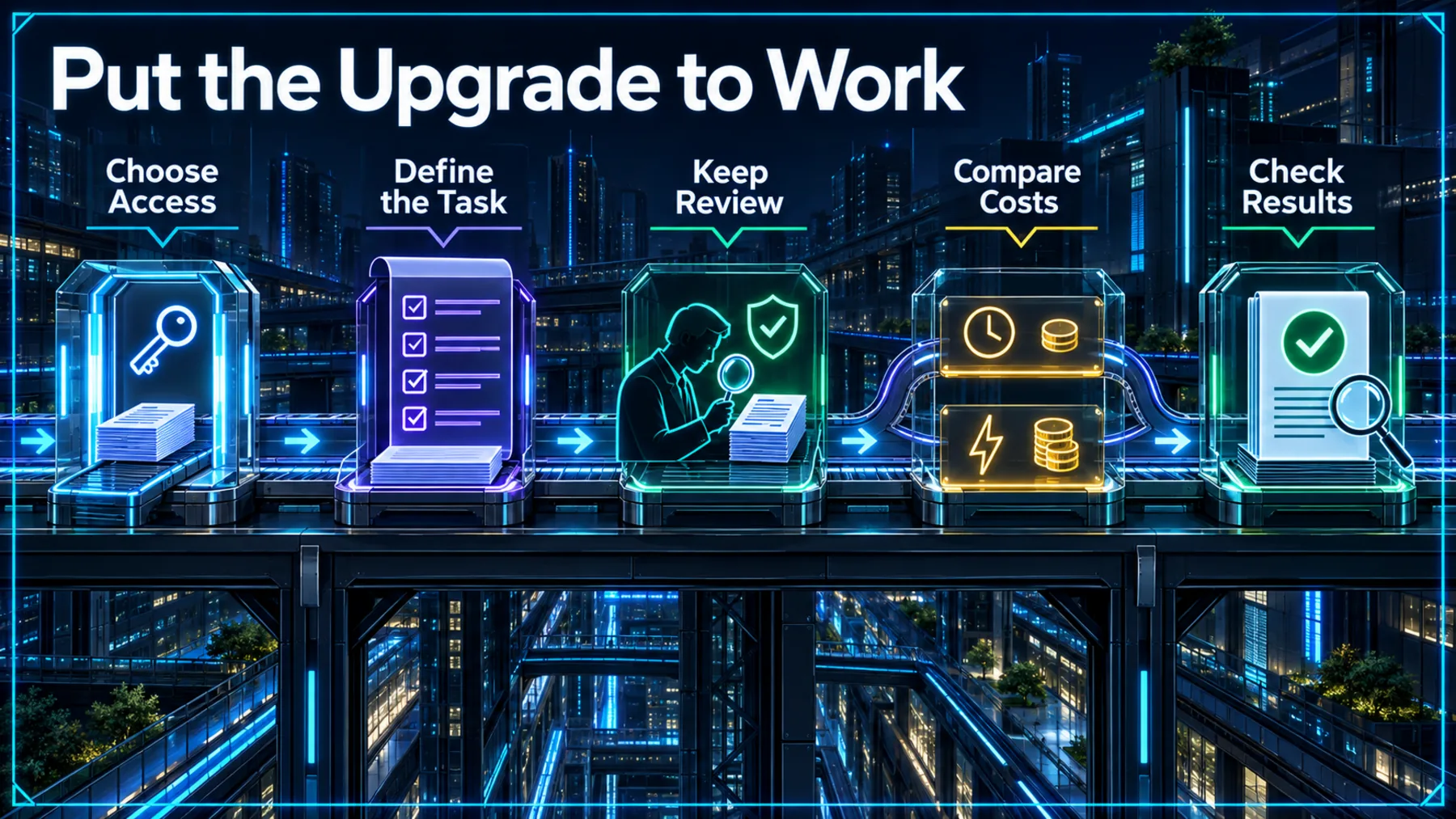
For a real evaluation, we should start with a job that is long enough for continuity and verification to matter. Define the outcome, provide the necessary context and decide in advance what a successful final artefact must contain.
Then keep the review process intact. Check the late stages as closely as the early ones, record where context was lost or assumptions changed, and compare the standard route with the fast route only where the extra speed justifies its published 2× price condition.
xAI’s claims make this worth testing in coding and knowledge-work settings. They do not establish that human review can be removed, or that the same result will appear across every task.
The Upgrade Is Endurance
Capability becomes more useful when the work can remain coherent across the whole job. Whether Grok 4.7 delivers that outcome in practice still needs independent, task-level evidence.
The upgrade that matters is not a better first answer. It is the chance to keep a difficult job coherent long enough for checking to matter.
Based on xAI’s Grok 4.7 launch materials
xAI’s launch gives Grok 4.7 a clear proposition: take on difficult work that lasts longer, maintain context and verify more carefully as the task develops.
That proposition is more useful than a generic capability claim because it maps to a familiar operational risk. We do not only need an answer; we need work that still reflects the brief when it reaches the final stage.
But the distinction between proposition and proof matters. The captured evidence is xAI and SpaceXAI material. The next meaningful evidence will come from independent, representative long-task testing and careful review of what happens near the end of the job.
Test a long task without trusting the first pass
I am giving you a task that may take several stages to complete. Before producing the final answer: 1) restate the objective and identify any missing information or assumptions; 2) break the work into ordered stages; 3) keep a running record of decisions and outputs from each stage; 4) verify each important claim, calculation, citation, or implementation detail before relying on it; 5) at the end, perform a separate final review for omissions, contradictions, and late-stage errors. Return: a concise plan, the completed work, a verification log, unresolved assumptions, and a final-review summary. Do not claim certainty where the evidence is incomplete.Ready to copy
Watch the Work, Not Just the Launch
Watch for independent long-task testing, clear benchmark effort settings, real task costs, safeguard evidence and durable availability across the routes we use.
The fast variant’s 2× output speed at 2× price is a concrete choice. The larger question is whether it helps us produce better-reviewed final work on the jobs that matter.
Try the promptWhat to watch next
- Independent long-task tests
- Benchmark conditions
- Real task cost
- Safeguard evidence
- Access and serving trade-offs