Google Gemma points to Phonon—but proof stops at the links
Google Gemma surfaced Phonon’s repository and a Gemma 4 MLX model page; the discovery trail is real, while the project’s capabilities remain unproven here.
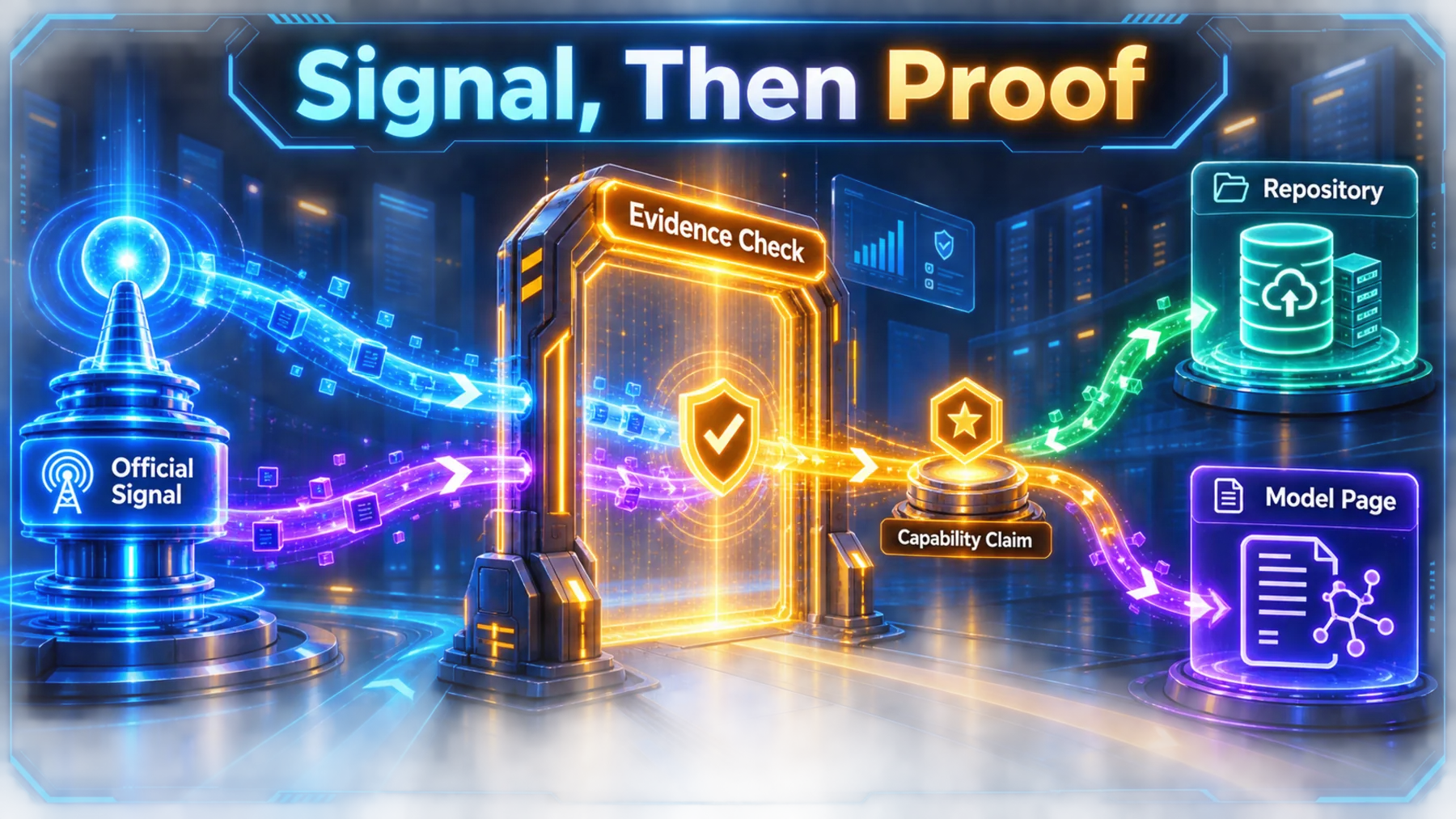
Google Gemma’s short X wrapper points to an original post by @elliotarledge, then provides two resources: the Phonon GitHub repository and a page labelled “Gemma 4 (MLX)”. That is enough to establish a trail worth inspecting.
It is not enough to tell us how Phonon works, how it performs, whether it is private, or whether it is available to us in any particular form. The links open an investigation; they do not close it.
A signpost is not a verdict
An official account can make a project worth a closer look without proving what the project can do.
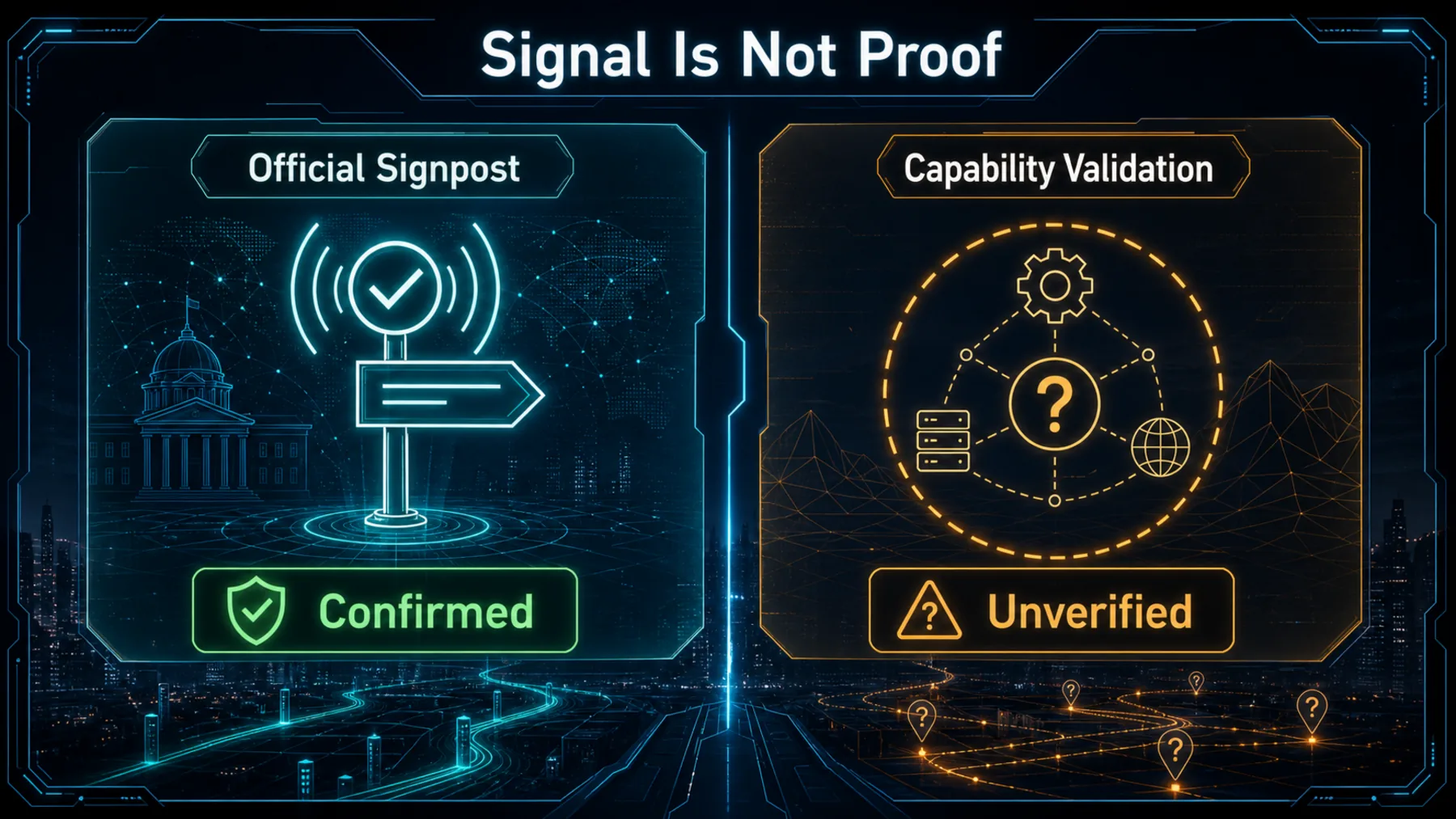
The difference matters because an official signal carries attention. We may reasonably notice that Google Gemma chose to share the trail; we cannot turn that choice into a claim of testing, ownership, partnership or approval.
Keeping that line intact gives us a more useful starting point. Curiosity has a destination, and certainty still has work to do.
What the post actually gives us
The confirmed record is compact: one wrapper, one named original post and two linked resources.
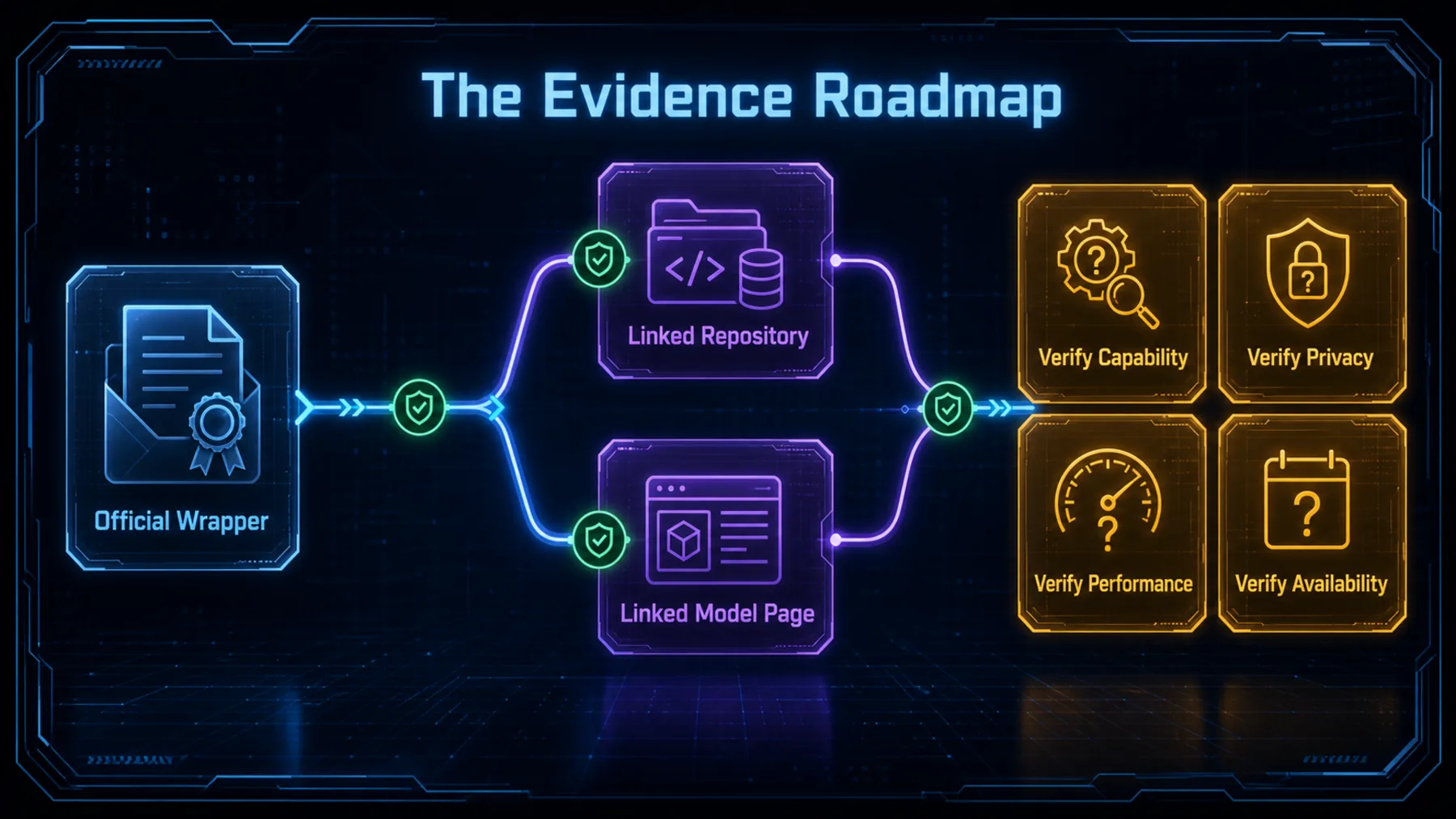
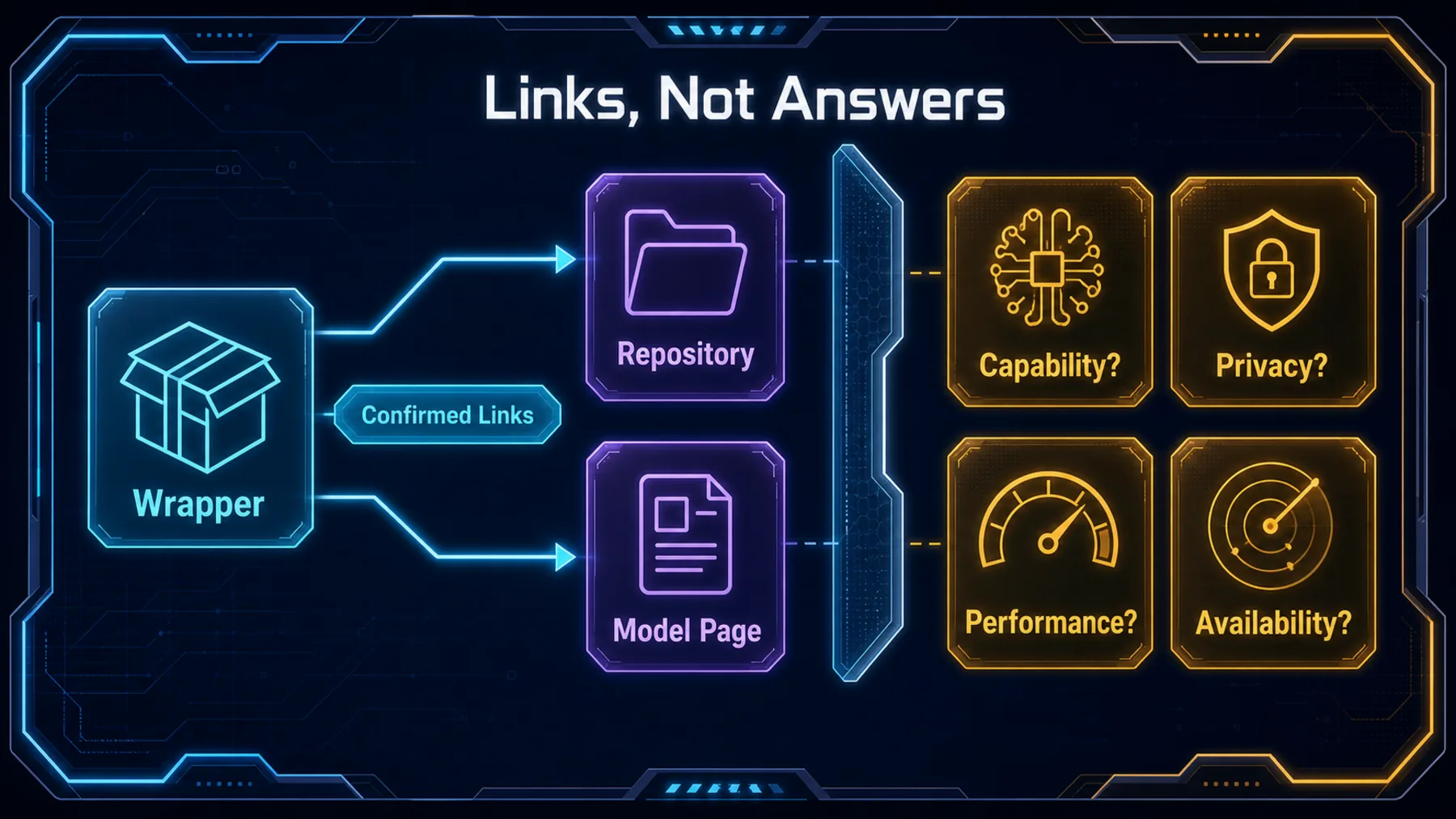
The post gives us a named source path: an original post by @elliotarledge, a GitHub repository at Infatoshi/phonon, and a Hugging Face destination labelled “Gemma 4 (MLX)”. Those are the facts carried by the wrapper.
Everything more ambitious remains open. We do not have source-backed grounds here to describe Phonon’s performance, privacy, architecture, compatibility, price, licensing or readiness.
The wrapper says less than the links suggest
Its value is precise: Google Gemma identifies the original post and supplies two destinations.
The wording is deliberately spare. Google Gemma names the original post, then lists a GitHub repository and a Gemma 4 MLX page as resources.
That makes the post a clean receipt for discovery. It does not make the embedded third-party post, its video, or either linked destination substantive evidence for a capability claim.
Resources: - GitHub Repo - Gemma 4 (MLX)
Google Gemma on X
What the evidence does not show
The wrapper contains links, not a product description, test report or access promise.
We cannot infer that Phonon is fast, local, private, accurate, offline, production-ready or suited to a particular setup. None of those conclusions appear in the approved source material.
We also cannot infer that Google Gemma endorsed, tested, certified, partnered with or owns the project. The official act evidenced here is narrower: it surfaced resources.
Follow the trail, then test it
Start with what the wrapper proves, inspect the destinations, and keep every larger claim on hold.
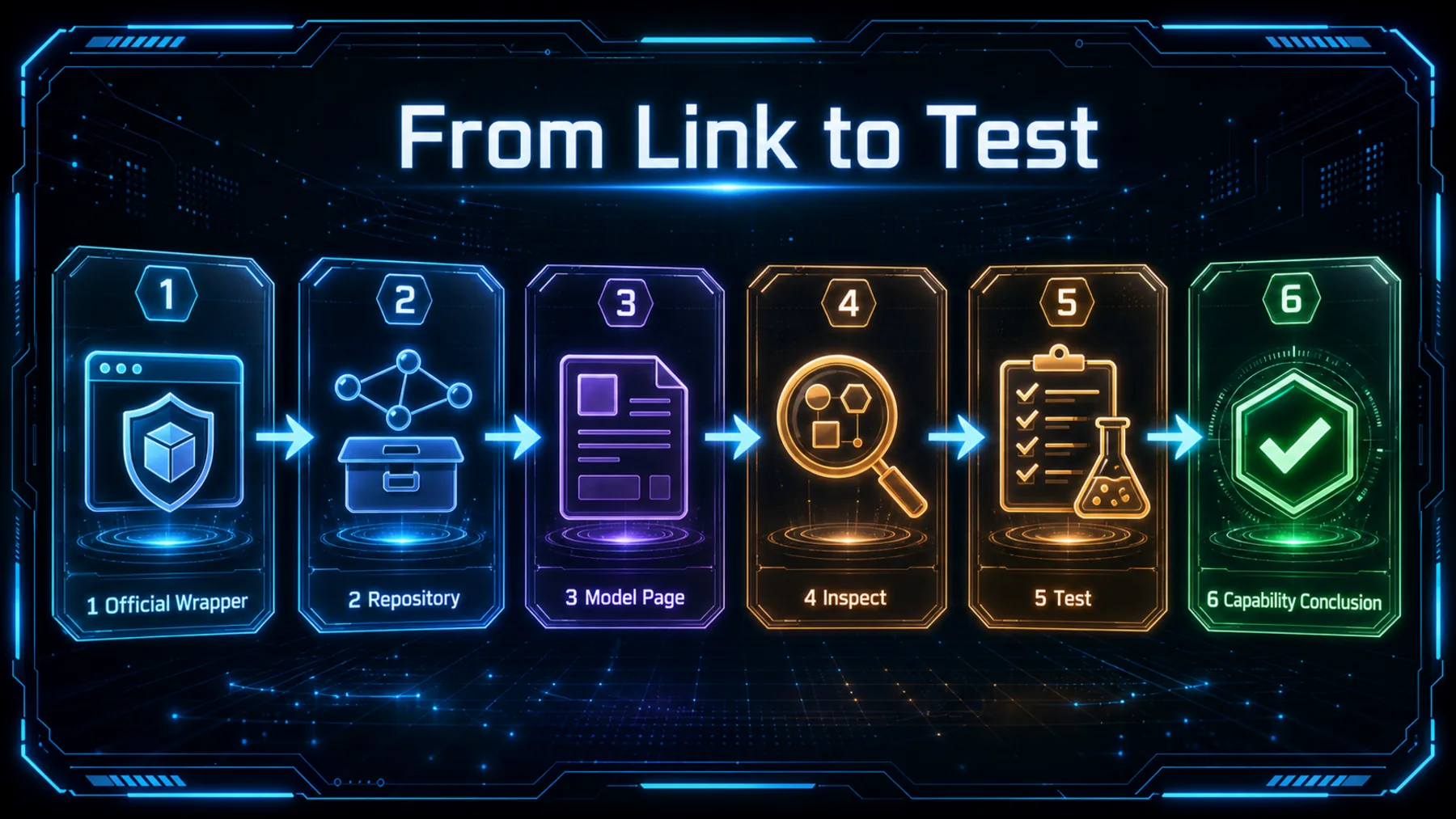
The practical sequence is simple. First, record the official wrapper and the two destinations it supplies. Next, inspect any material that is independently approved for use as evidence.
Only then can we assess whether a claim is supported. This preserves the value of the discovery signal without borrowing certainty from a link.
Open the links. Keep the questions.
A careful investigation begins with the trail Google Gemma supplied and ends only where evidence supports it.
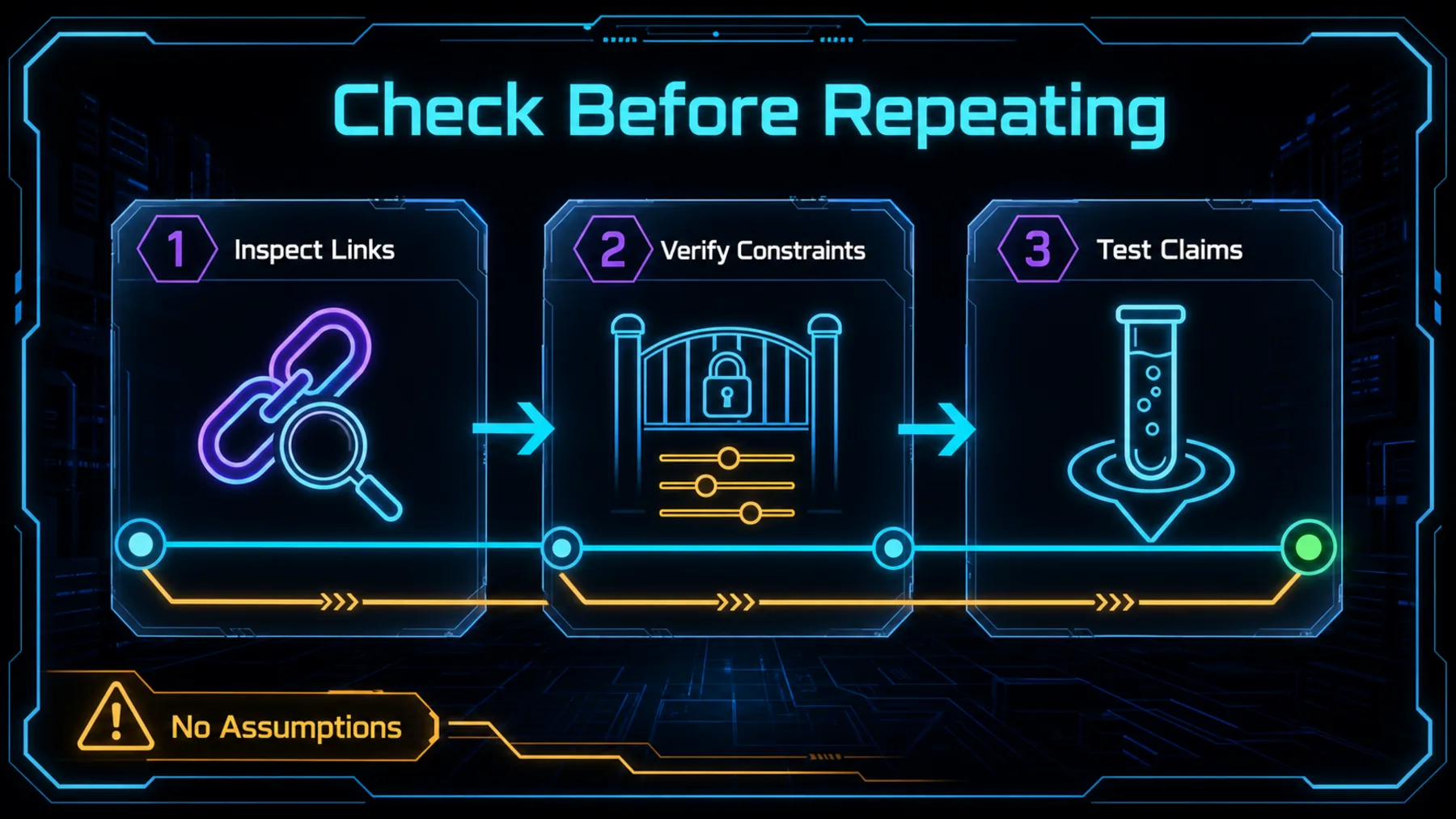
Inspect
Open the two linked destinations and separate their contents from the wrapper’s wording.
Verify
Check access, constraints and provenance before treating any assertion as established.
Test
Use a defined task and retain the result as evidence rather than repeating a promise.
The two links are useful because they give us somewhere concrete to begin. They are not a shortcut around the questions that matter when we consider a project for real work.
We should inspect the destinations, verify what applies to our environment, and test any consequential claim before repeating it. The discipline is modest; the difference it makes is not.
The signal is real; certainty is not
Google Gemma supplied a credible discovery trail. The rest of the story still needs evidence.
A link from an official account can earn our attention without earning a capability claim.
Google Gemma’s 25 August 2026 X wrapper
Google Gemma’s post is meaningful precisely because it is narrow. It places Phonon and a Gemma 4 MLX model page on a visible trail, giving us a defensible reason to investigate.
The stronger conclusion is also the more restrained one: discovery is confirmed; the project’s characteristics are not.
Classify the Phonon discovery trail
Assess this Google Gemma resource trail without assuming anything beyond the linked wrapper: https://x.com/googlegemma/status/2092274199230570767. The wrapper names @elliotarledge and links https://github.com/Infatoshi/phonon plus https://huggingface.co/mlx-community/gemma-4-e2b-it-4bit. Return four labelled sections: Confirmed by the wrapper; Linked destinations; Questions still open; Next checks. Keep every capability, privacy, performance and availability statement in the final two sections unless a supplied source directly proves it.Ready to copy
Inspect before we conclude
Open the supplied destinations, preserve the questions that matter, and let direct evidence determine what we say next.
Try the promptQuestions to resolve next
- Capability
- Privacy
- Performance
- Availability