GLM-5 is open to inspect—not proven yet
Zhipu AI’s latest GLM release is visible on Hugging Face. The evidence for how it performs still has to be earned.
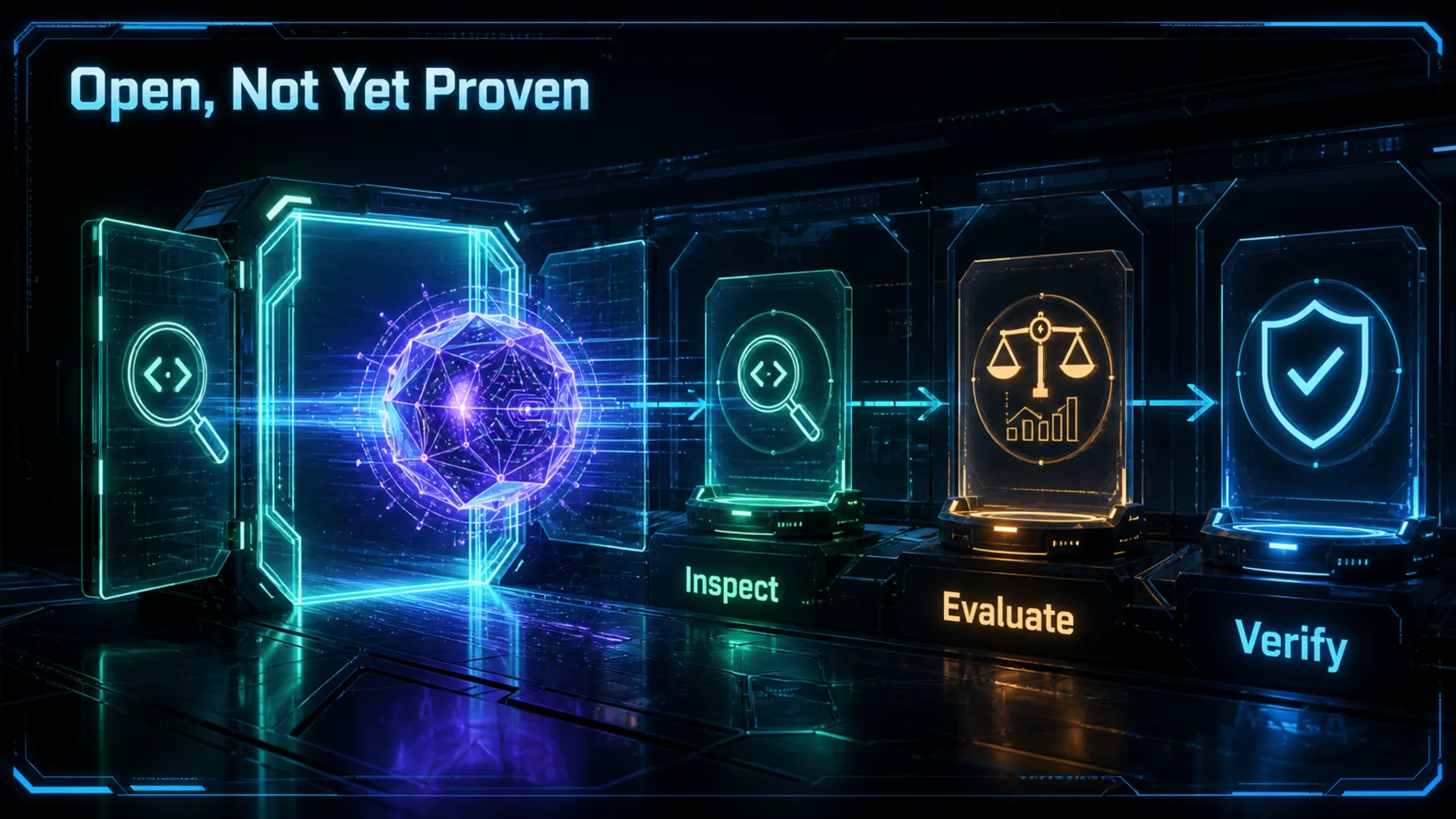
Zhipu AI’s GLM-5 has arrived with the ingredients that make an open-model release worth a closer look: a Hugging Face listing, familiar Transformers tooling, downloadable safetensors weights, and tags for mixture-of-experts and bilingual conversation.
But the useful distinction is simple. We can inspect the release shape now. We cannot yet treat that visibility as proof of real-world performance, deployment fit, or production readiness.
Open is not the same as proven
The listing gives us something concrete to examine. Independent evidence must decide what it is capable of.
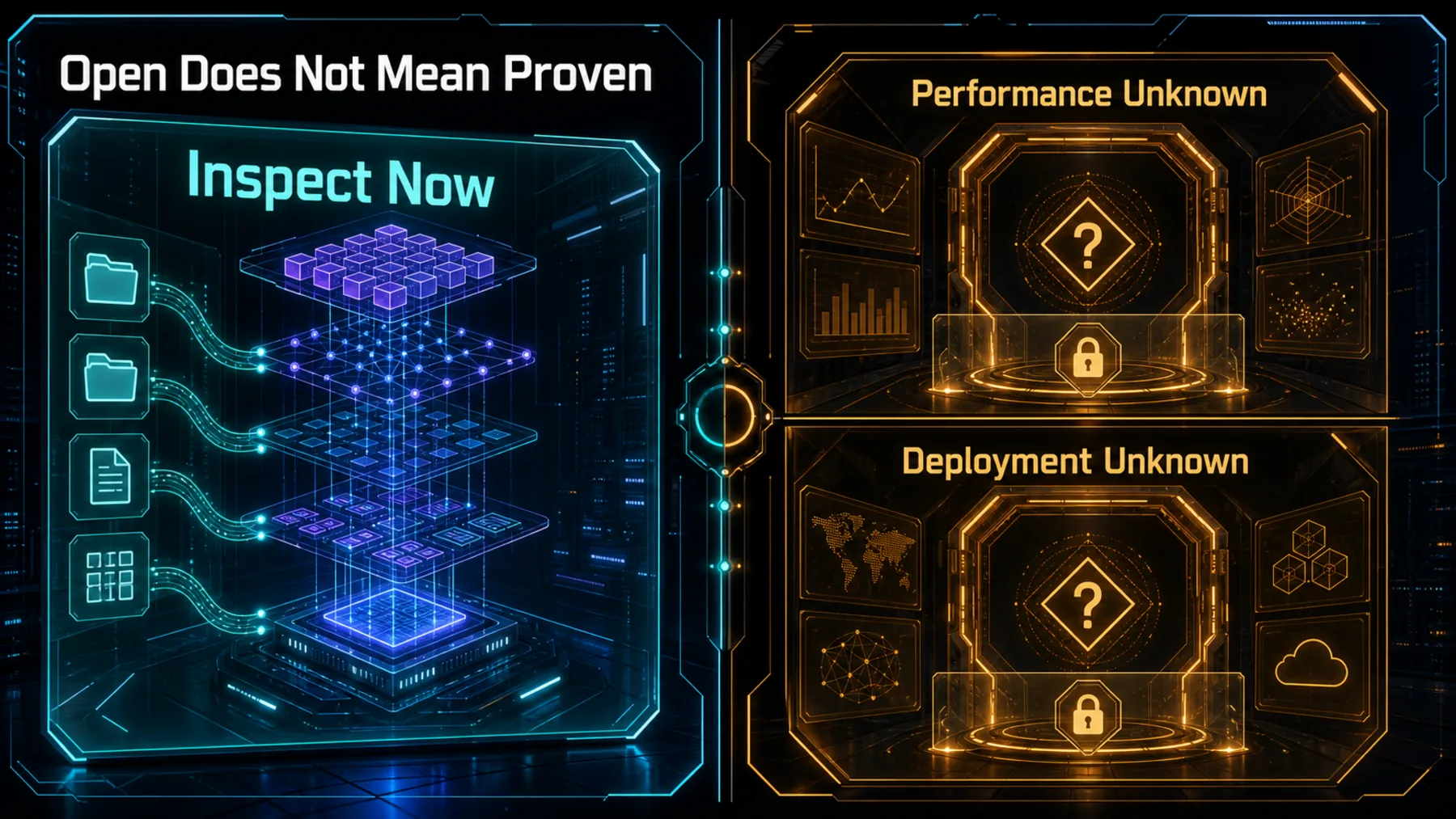
A model becoming easier to find and inspect changes the practical conversation. We can examine the published materials, test relevant workflows, and decide whether GLM-5 belongs on a shortlist.
That is different from declaring a winner. The approved source does not provide independent benchmarks, hands-on testing, or evidence on quality, speed, reliability, safety, cost, or deployment conditions.
Interest is visible; proof is not
The provider-reported figures show attention around the listing, not a verdict on the model.
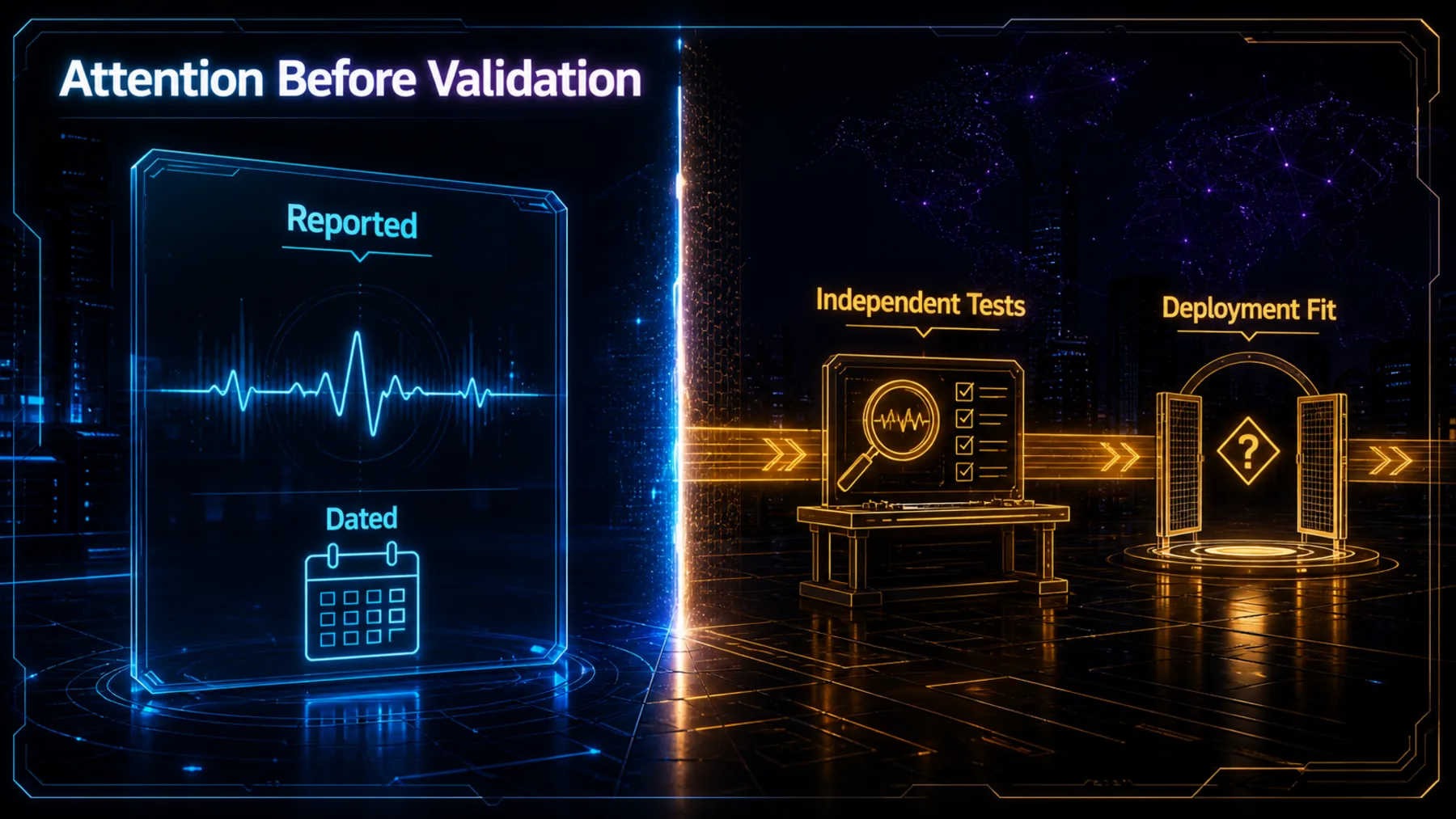

The figures are notable because they show that GLM-5 has drawn attention quickly. They do not tell us how many teams are using it, whether it works well in a particular setting, or whether it belongs in a deployed system.
The next evidence is more important than the first count: independent benchmarks, practical testing, clarity on commercial API access, and signs of a fine-tuning and deployment ecosystem.
What the listing says
The approved source describes a release package that is concrete enough to inspect, while leaving performance unanswered.
According to the provider article, GLM-5 is listed as a text-generation model for the Transformers library, with safetensors weights and tags pointing to mixture-of-experts architecture, conversational use, and Chinese-English support.
The source also says the listing links to an arXiv paper. Neither the Hugging Face page nor the paper was separately captured and assessed in this pack, so those references remain directions for further inspection rather than verified evidence here.
“Zhipu AI updated its official model registry on Hugging Face on August 11, 2026, publishing GLM-5.”
ZGLG
Proof, with limits
One provider article establishes the release account. It does not settle the questions that matter after launch.
ZGLG reports that Zhipu AI published GLM-5 to its official Hugging Face registry on 11 August 2026. That supports a narrow, useful claim: the model’s release materials are available to inspect.
It does not support a broader performance story. We have no independently verified benchmark result, model test, API detail, price, licence, hardware requirement, or production-readiness evidence in the approved material.
How mixture-of-experts works
The architecture can explain how work is routed inside a model. It cannot, by itself, prove the result will be better.
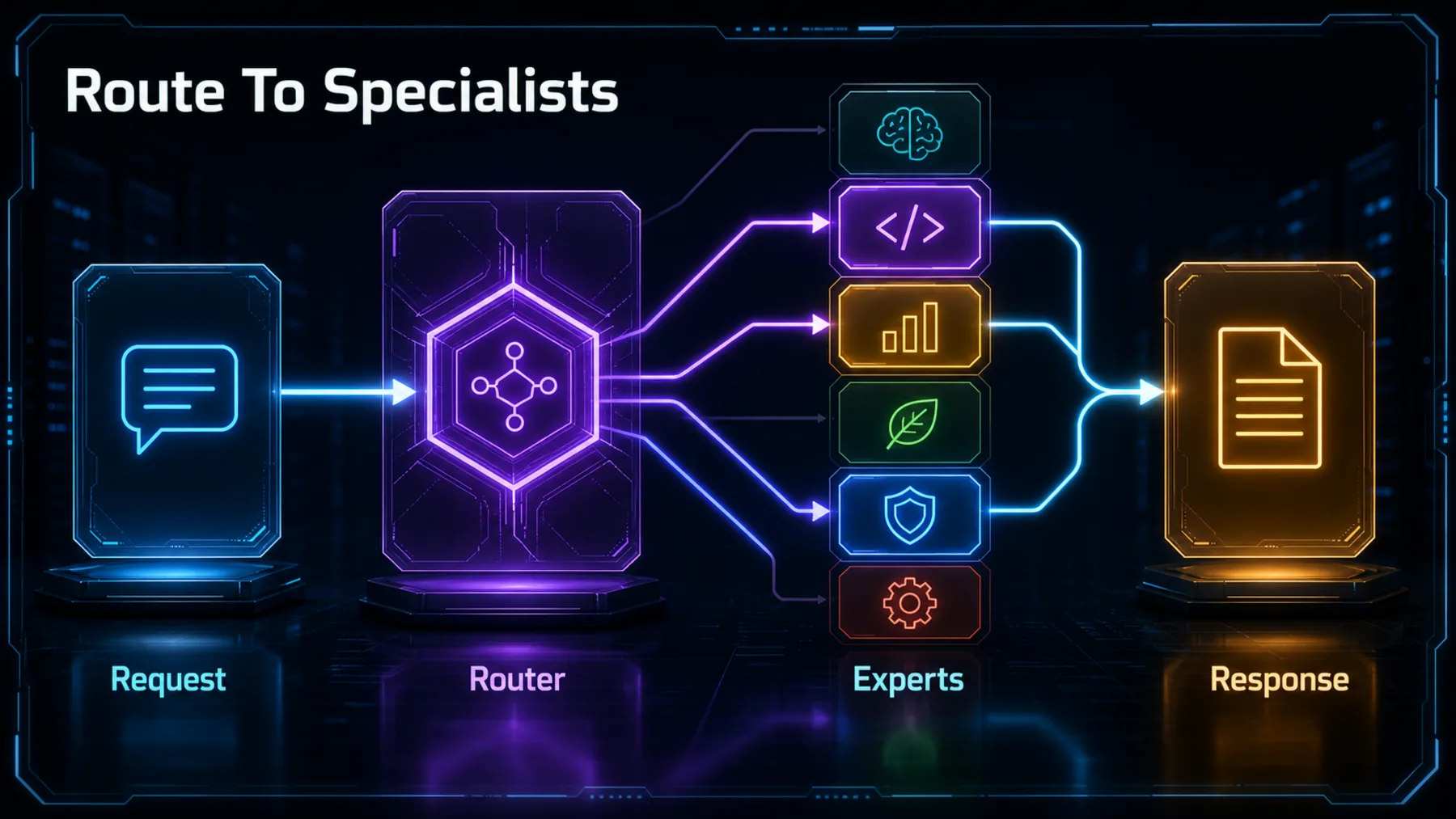
Mixture-of-experts, or MoE, means a request can be routed through selected internal specialist components rather than handled in exactly the same way every time.
That can be an important design choice to inspect. It is not a shortcut to a capability claim: the model still needs independent evaluation on the work we actually need it to do.
Request
A prompt enters the model.
Routing
Selected specialist components handle parts of the work.
Response
The model returns an output for evaluation.
Test before we trust
The release creates an option to investigate. A disciplined evaluation determines whether that option becomes useful.
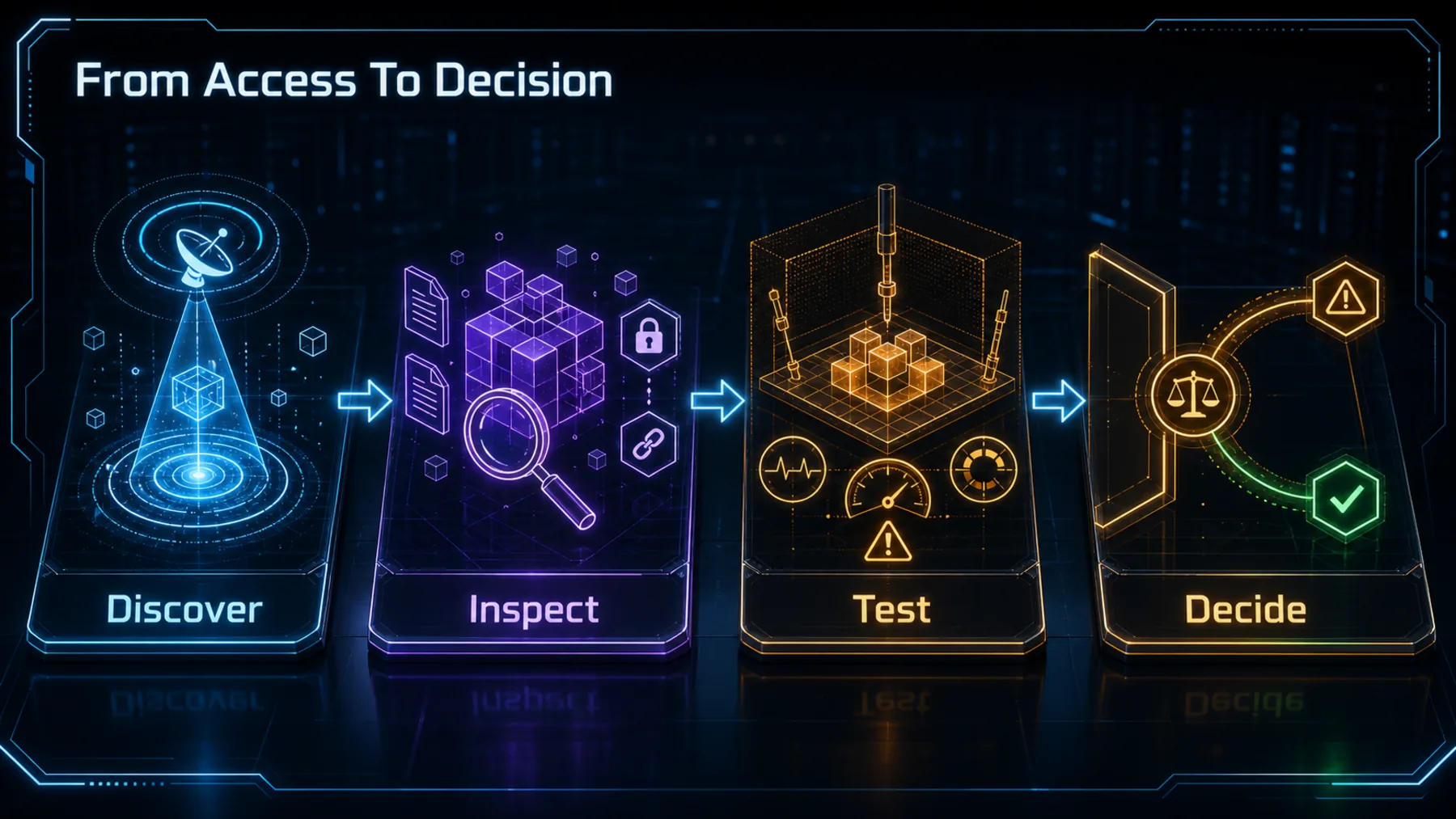
The sensible next move is not to make GLM-5 carry a reputation it has not earned. It is to inspect the published release, define the relevant tasks, and test them against clear criteria.
That sequence keeps the release in proportion. We can learn from the listing now while reserving confidence for evidence that is repeatable, relevant, and independently assessed.
Inspect
Review the published listing and linked materials.
Evaluate
Test relevant tasks with documented criteria.
Decide
Choose a deployment path only when evidence supports it.
Availability starts the test
GLM-5 is now visible enough to examine. Trust depends on what independent evaluation finds next.
GLM-5’s arrival on Hugging Face matters because inspectability changes the starting point. We can move from a release announcement to a set of concrete questions about the model, its tooling, and its fit for real work.
The stronger conclusion is also the more cautious one: an open listing creates an option. Independent evidence determines whether that option deserves confidence.
“Open to inspect” is a beginning, not a benchmark.
Altior synthesis based on the approved ZGLG source
Separate the release from the proof
Act as an AI model evaluator. Based only on these reported facts—GLM-5 was listed on Hugging Face on 11 August 2026 with Transformers text-generation support, safetensors weights, mixture-of-experts tags, and Chinese-English conversational tags; the provider reported 155,036 downloads and 2,119 likes—produce: (1) a two-column table separating inspectable release facts from unproven performance claims, (2) five independent evaluation tests needed before deployment, and (3) a one-paragraph recommendation that does not infer quality, speed, safety, cost, or API availability.Ready to copy
Follow the evidence
Watch for independent results, practical deployment evidence, commercial API clarity, and signs that a wider ecosystem is forming around the release.
Try the promptWhat could change the picture
- Independent benchmarks
- Practical testing
- Commercial API clarity
- Ecosystem growth