GLM-5.3 and the Feedback Loop That Made Its Infrastructure Work
Z.ai says GLM-5.3 helped move its Flash inference stack from first run to production in under two weeks. The useful lesson is not unrestricted autonomy, but feedback engineers can verify.
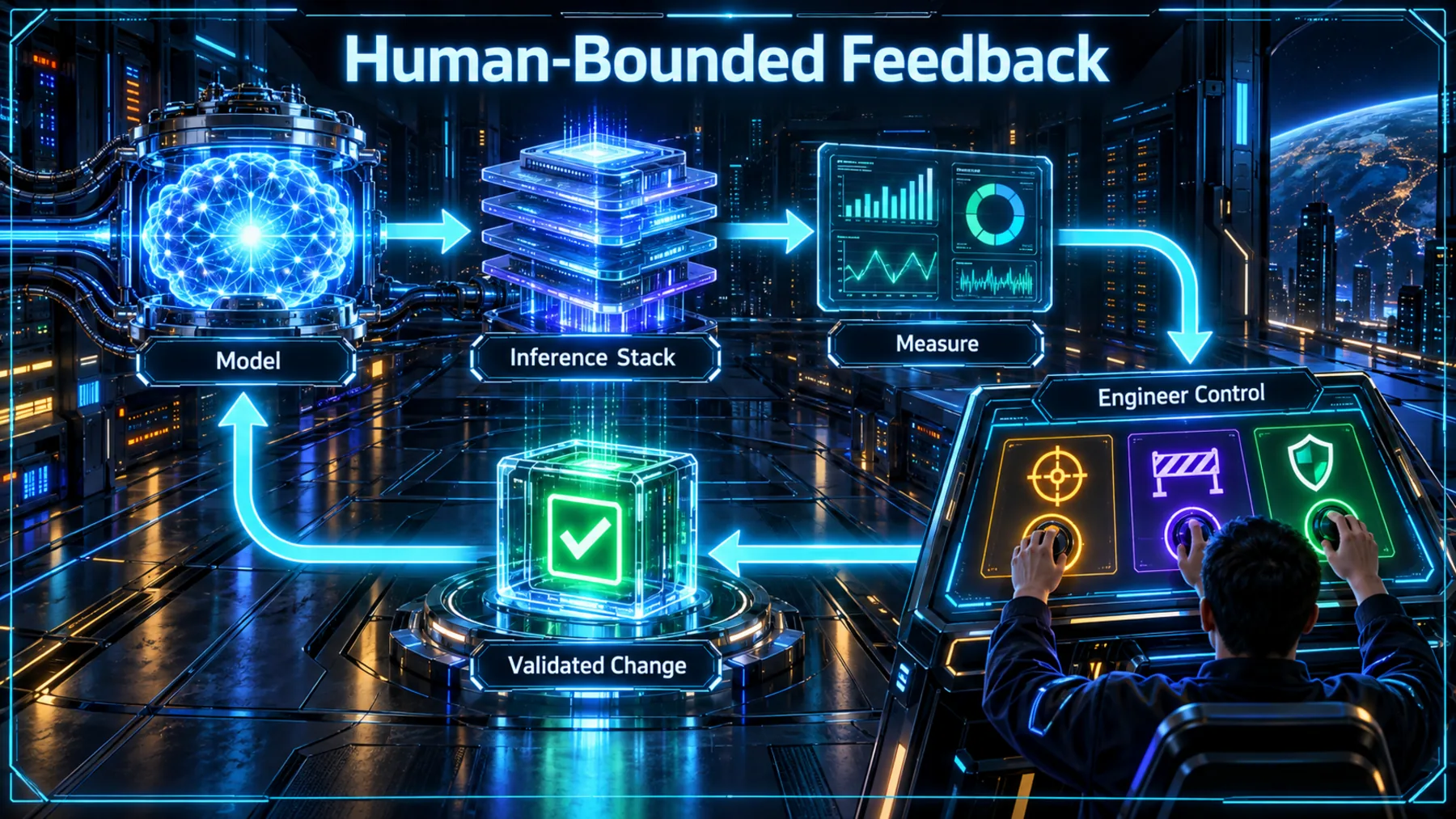
There is a striking loop at the centre of Z.ai’s account: the model optimises the system, and the system runs the model. Z.ai says GLM-5.3 helped improve the inference infrastructure serving GLM-5.3-Flash, taking it from a first successful run to production readiness in less than two weeks.
The headline result needs its boundary. Z.ai attributes a tripling of end-to-end throughput to its own baseline, hardware and workload; it is Z.ai-published evidence, not independent validation. More importantly, Z.ai says humans retained responsibility for objectives, boundaries and risk.
The Missing Ingredient Was Feedback
The story becomes more practical once we move past the spectacle of a model helping to build its own serving stack.

A slow aggregate result tells us that something changed, but not why. Z.ai’s useful move was to give its Infra Agent smaller, repeatable signals: whether the computation remained correct, where execution time was going, and whether a proposed fix survived a broader system test.
That distinction matters because Z.ai explicitly says it has not achieved recursive self-improvement. The stronger reading is narrower: an agent can become more useful when its work is surrounded by timely, objective feedback and human-owned decisions.
From First Run to Production
Z.ai says the stack reached production readiness in less than two weeks through dense iteration rather than a single dramatic intervention.
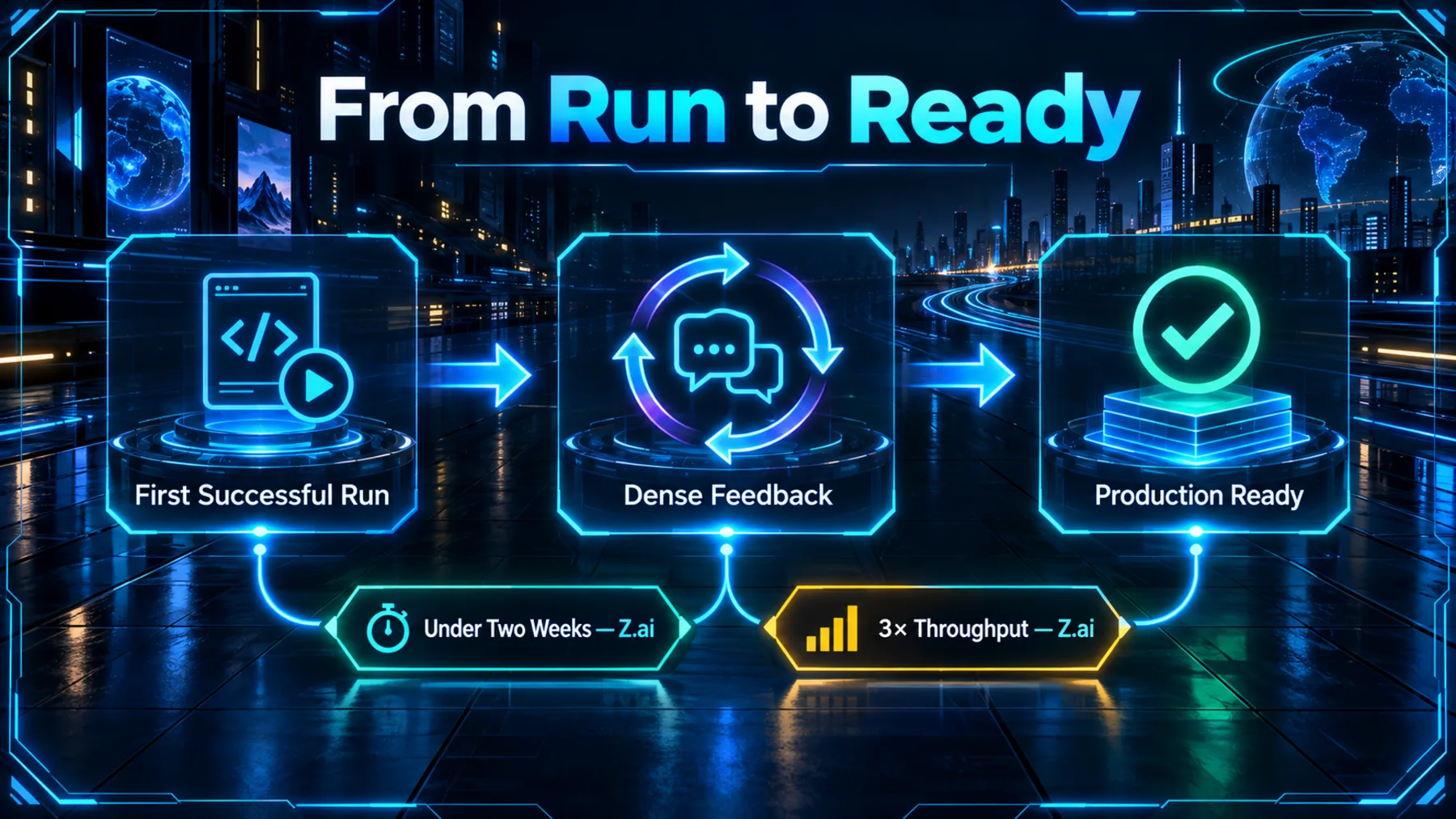
The pace is notable, but the sequence is the more transferable part. Z.ai says local checks and targeted measurements let the team test hypotheses instead of relying on aggregate performance figures alone.
We should not read the timeline as a universal benchmark. It belongs to Z.ai’s environment and stated baseline. What travels better is the operating pattern: make each proposed change legible enough to test, then keep only the changes that survive wider validation.
What Z.ai Actually Claims
The strongest claims come from Z.ai’s own account, so they should be treated as attributed evidence with clear limits.
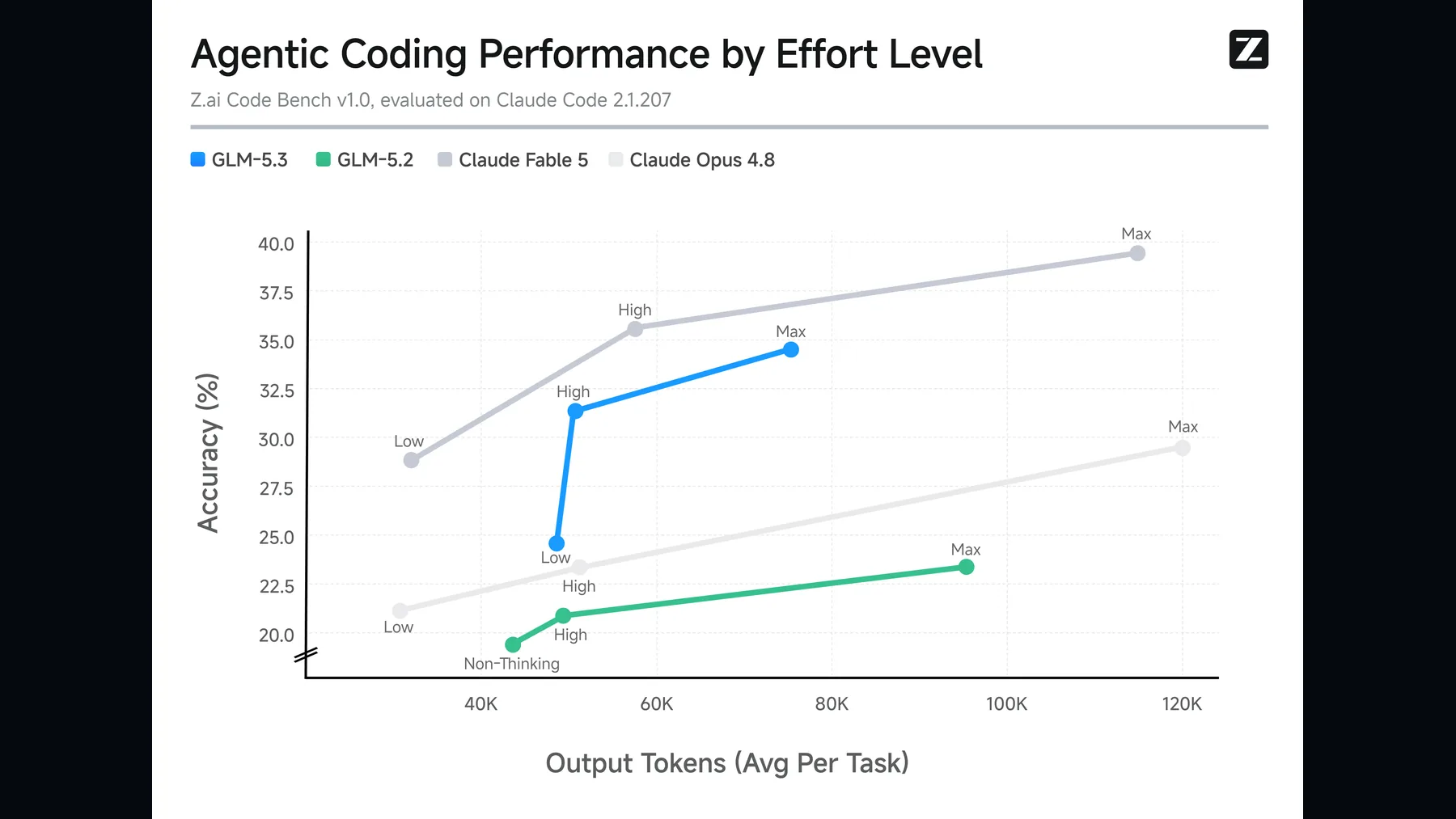
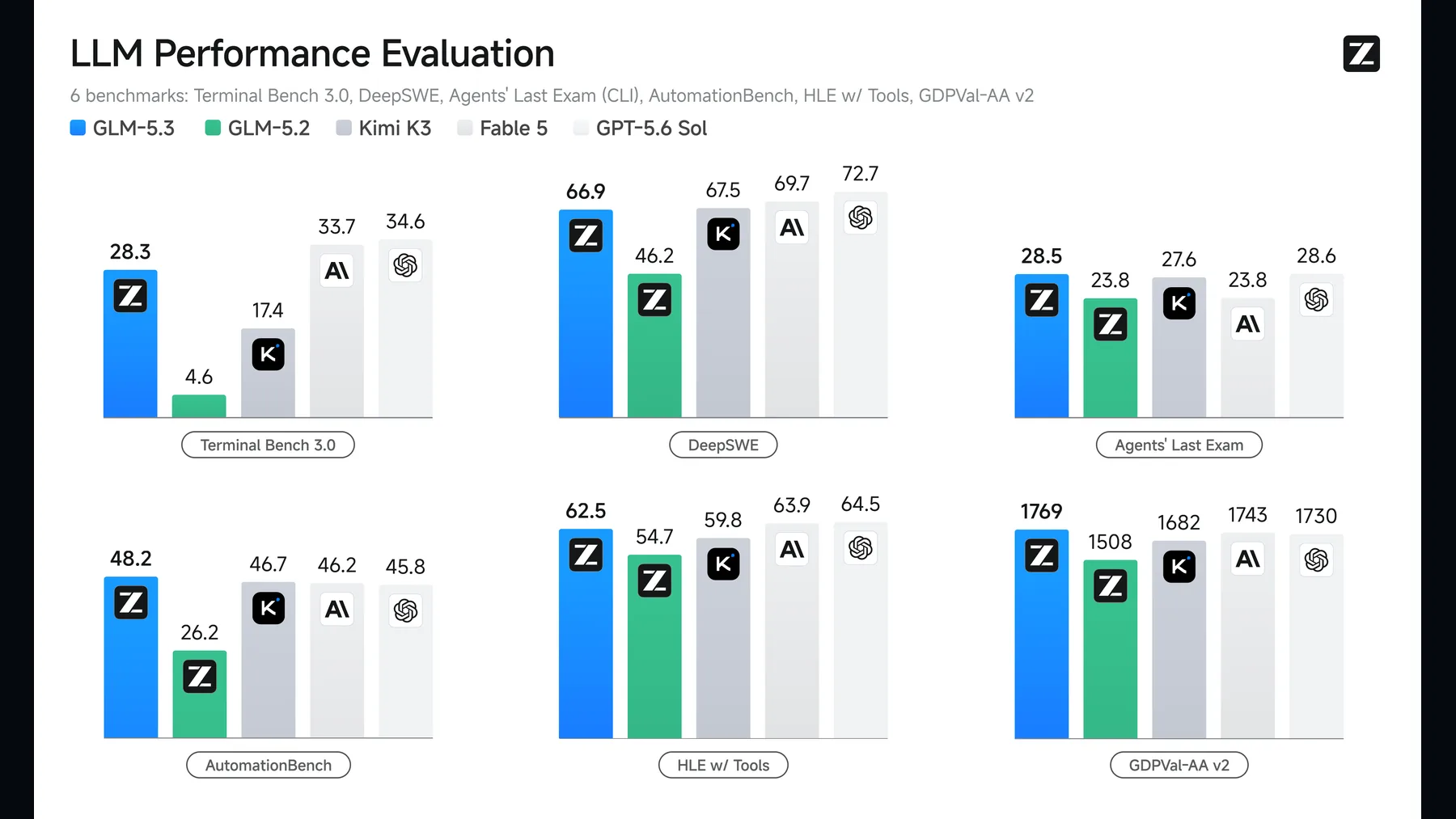
Z.ai’s account is specific enough to separate the claim from the interpretation. It says the agent worked alongside engineers in an experimental environment, where a change could be checked at more than one level before it was trusted.
That is not proof that every coding agent will reproduce the result. It is evidence of a particular system design: human-set direction, bounded experimentation and feedback that makes a failure informative rather than merely expensive.
“The model optimizes the system; the system runs the model.”
Z.ai
The Published Evidence—and Its Limits
Z.ai’s published material explains the mechanism and outcome, but it is not an independent performance assessment.
The published evidence supports a focused claim: Z.ai built a workflow in which an agent could propose and test infrastructure changes against increasingly meaningful checks. It does not establish an autonomous system that can set its own goals or safely widen its own remit.
That limit is not a footnote. It is the operating condition that makes the account useful. We can evaluate an agent’s contribution when the objective, constraints and acceptance tests remain clear.
How Dense Feedback Works
A useful agent loop turns each change into a hypothesis that can be checked before it becomes a production conclusion.
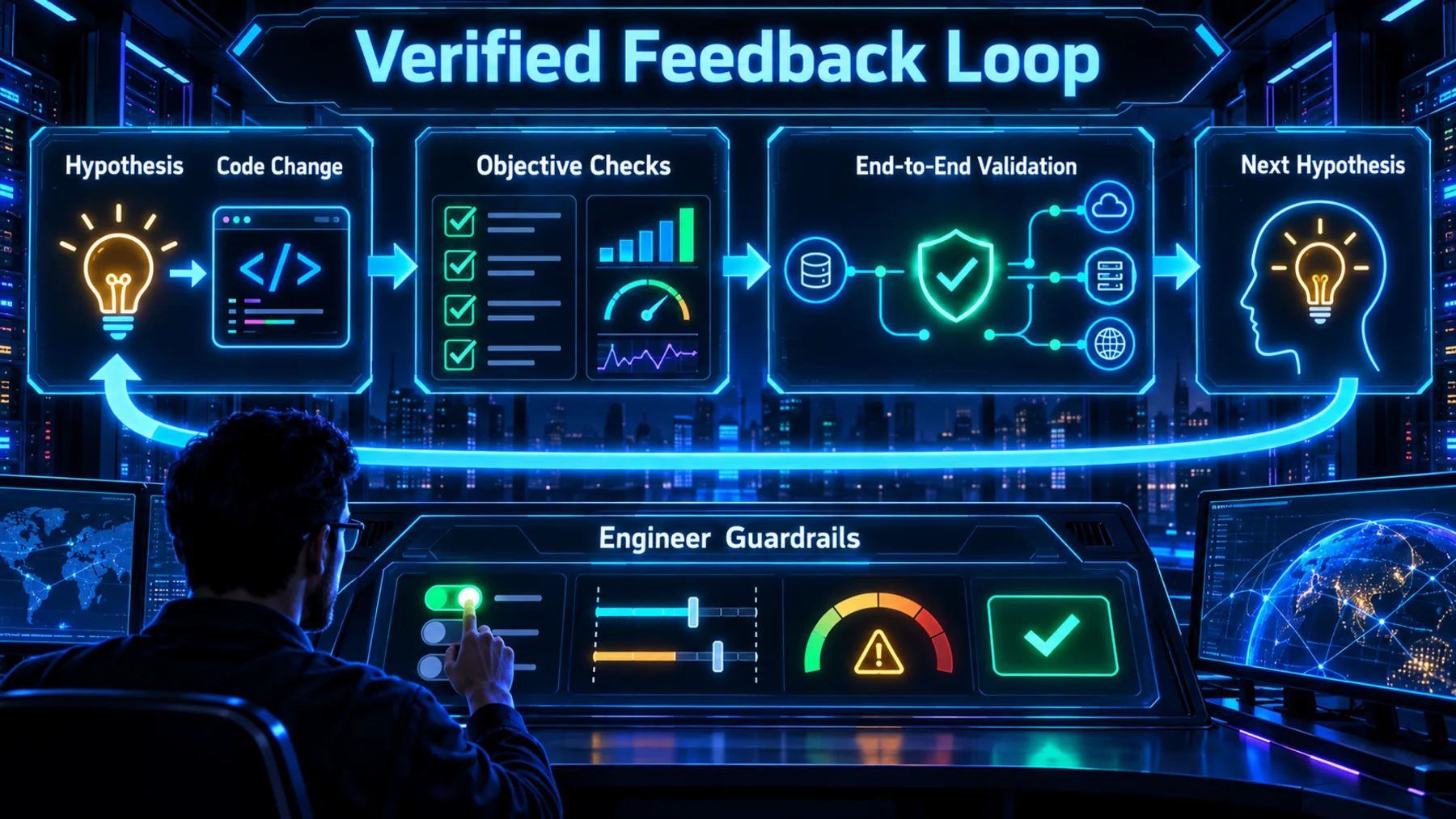
The loop starts before the agent writes code. Engineers define the target, the boundaries and the risks that cannot be traded away. The agent can then diagnose a narrow problem and propose a change inside that frame.
Local correctness tests ask whether the result is right. Traces and microbenchmarks help isolate where time is going. End-to-end validation asks the harder question: did the local gain survive contact with the full system?
Correctness
Confirm that an optimisation preserves the intended computation before treating speed as progress.
Diagnosis
Use traces or microbenchmarks to distinguish a plausible cause from a convenient guess.
System validation
Check whether a local improvement still holds in the end-to-end workload that matters.
What the Agent-and-Engineer Loop Looks Like
The effective unit is not an unconstrained model. It is a team system with clear ownership and checks.
Humans set the frame
Define the objective, constraints and risk boundary before experimentation begins.
The agent investigates
Inspect the available evidence, form a narrow hypothesis and propose a change.
Evidence decides
Keep, revise or reject the change using objective checks and end-to-end validation.

Z.ai’s account gives us a practical way to think about agentic engineering. The agent does not need a broader mandate to be useful; it needs a well-instrumented environment in which its suggestions can be checked quickly and meaningfully.
That is why better feedback can outperform more autonomy. A bounded agent with clear evidence can learn from a failed hypothesis. An unconstrained agent with vague signals can only generate more ambiguity.
The Bigger Shift Is Better Feedback
The transferable advance is not a claim of autonomous recursive self-improvement. It is a stronger feedback architecture for engineering work.
“Choosing objectives, setting boundaries, and assessing risk remain human responsibilities.”
Z.ai, GLM Built Its Inference Infrastructure
Z.ai’s story is most valuable when we resist the biggest interpretation. Z.ai says recursive self-improvement has not been achieved, and its own account keeps humans responsible for the decisions that set direction and manage risk.
What remains is still consequential: agents can contribute more reliably when we make progress measurable at the point of work. Good feedback does not remove judgement; it gives judgement better evidence.
Build a verifiable optimisation loop
We are improving a production inference or software-performance workflow. Help us design one bounded optimisation experiment. First, ask us for the objective, the non-negotiable constraints, the current baseline and the component we suspect is limiting performance. Then produce: (1) one testable hypothesis, (2) a smallest safe code or configuration change, (3) a local correctness test, (4) a trace or microbenchmark that can distinguish the hypothesis from alternatives, (5) an end-to-end validation against the baseline, and (6) explicit pass, fail and rollback criteria. Do not make changes or broaden scope without our approval. Treat engineers as owners of objectives, boundaries and risk.Ready to copy
What to Watch Next
Look for evidence that the feedback loop travels beyond a single supplier environment: clearer baselines, reproducible methods, disclosed human boundaries and proof that local gains survive production-level tests.
Try the promptFour signs the claim is getting stronger
- Reproducibility Can another team inspect the method and repeat a comparable result?
- Clear baselines Is the before-and-after comparison tied to a defined workload and environment?
- Human boundaries Are objectives, constraints and risk ownership plainly disclosed?
- System-level survival Do local gains remain after end-to-end production testing?