The brain in the middle
Gemma 4 31B is being placed inside an open voice cascade, while the promised speed remains unmeasured.
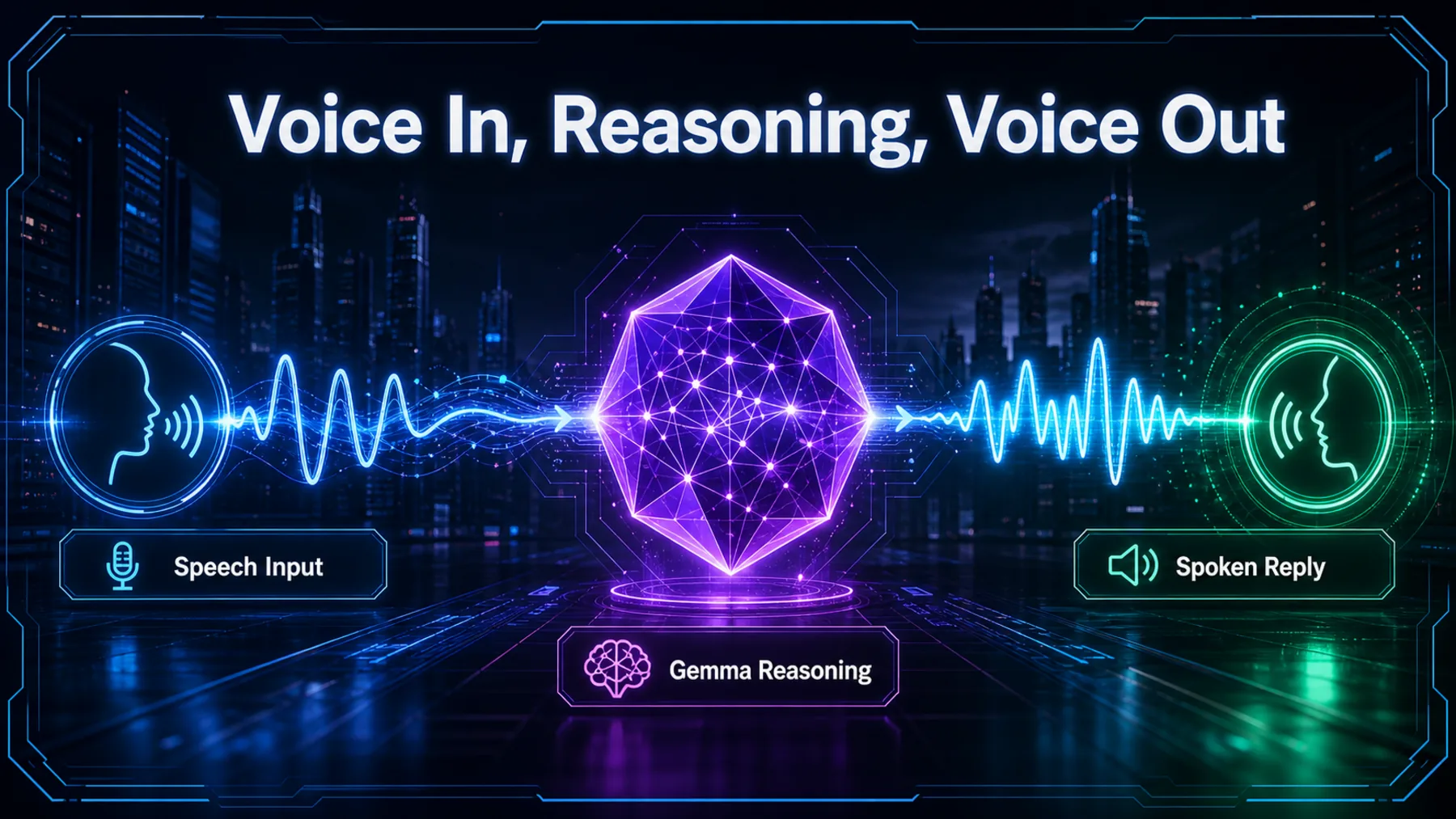
The awkward pause is what makes many voice assistants feel artificial. Google Gemma’s answer is not one model doing everything, but a chain in which Gemma 4 31B works out the response between listening and speaking components.
That architecture could give existing voice apps a reusable reasoning core. The announcement calls it fast and open, but does not provide the measurements or licence evidence needed to test either claim independently.
Open parts, one reasoning core
The useful shift is architectural: the voice experience becomes a chain we may be able to inspect, replace and improve.
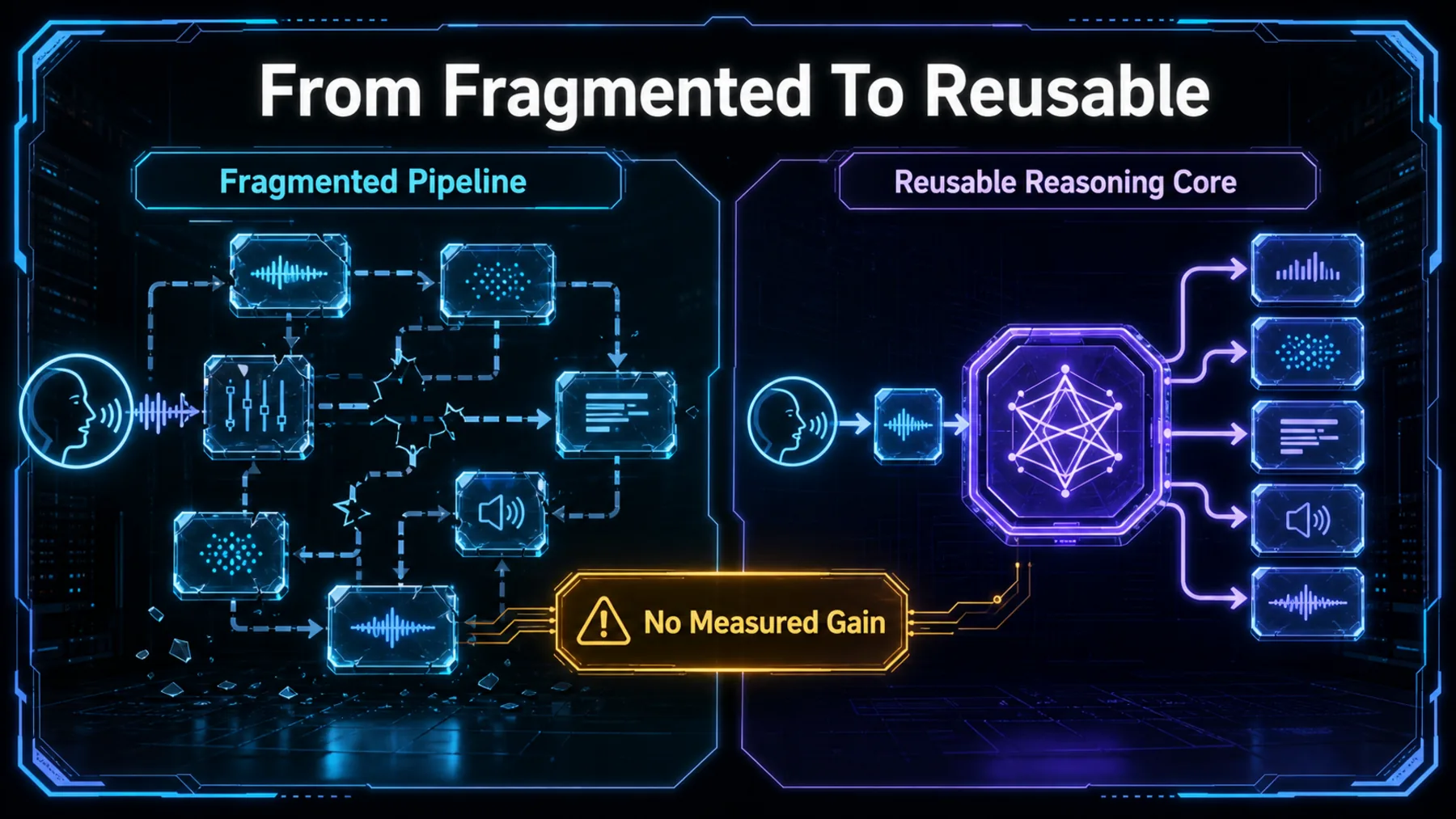
Voice AI is often presented as a single capability. This announcement makes the seams easier to see: one part handles incoming speech, Gemma decides what should be said, and another part produces the spoken reply.
Google Gemma describes the surrounding cascade as fully open-source. If that description is borne out by repositories and licence terms, the design could offer more control than a sealed end-to-end system. Those supporting details are not included in the approved announcement.
What we know — and do not
The architecture is specific; the performance and commercial evidence are not.
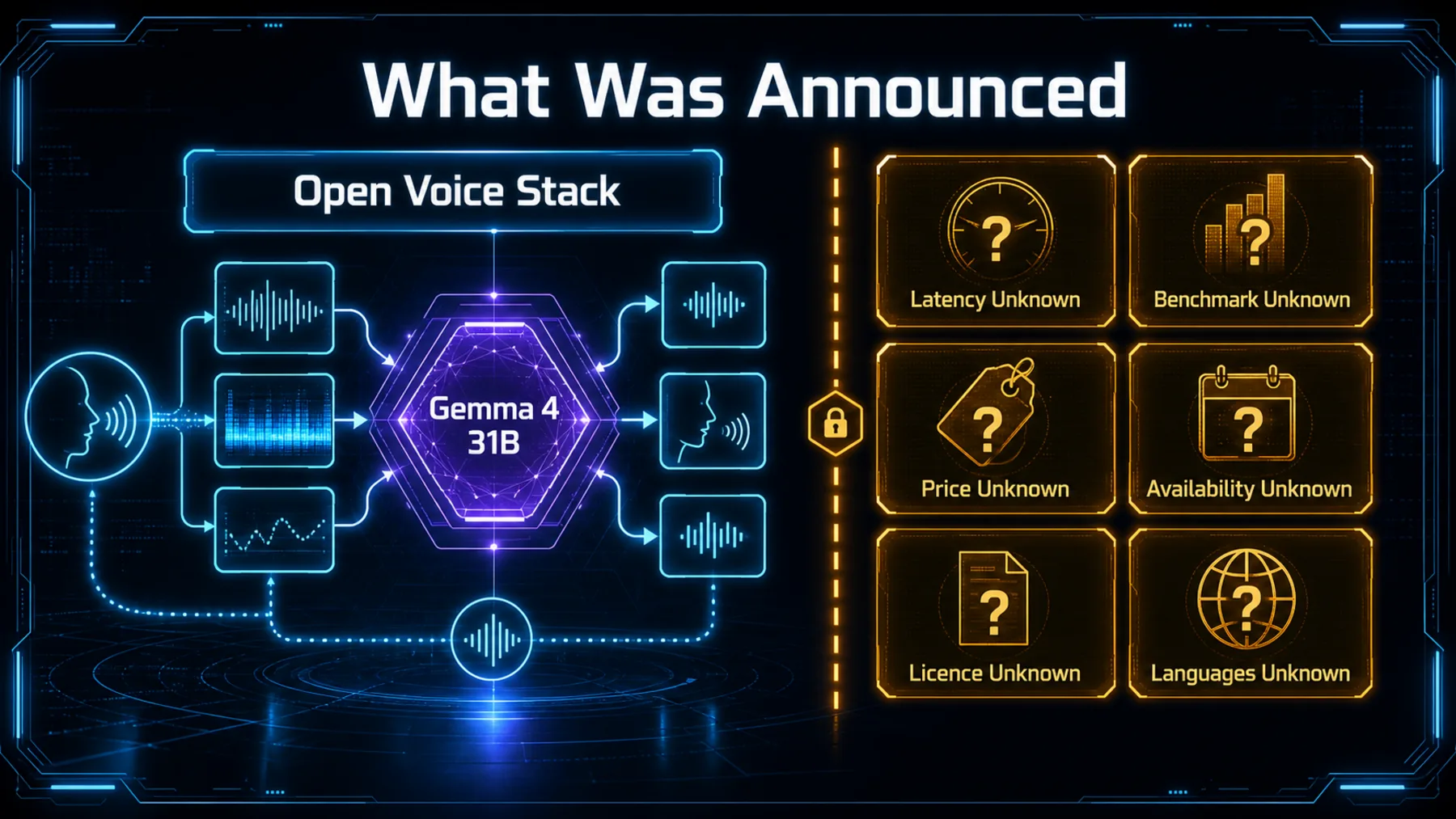
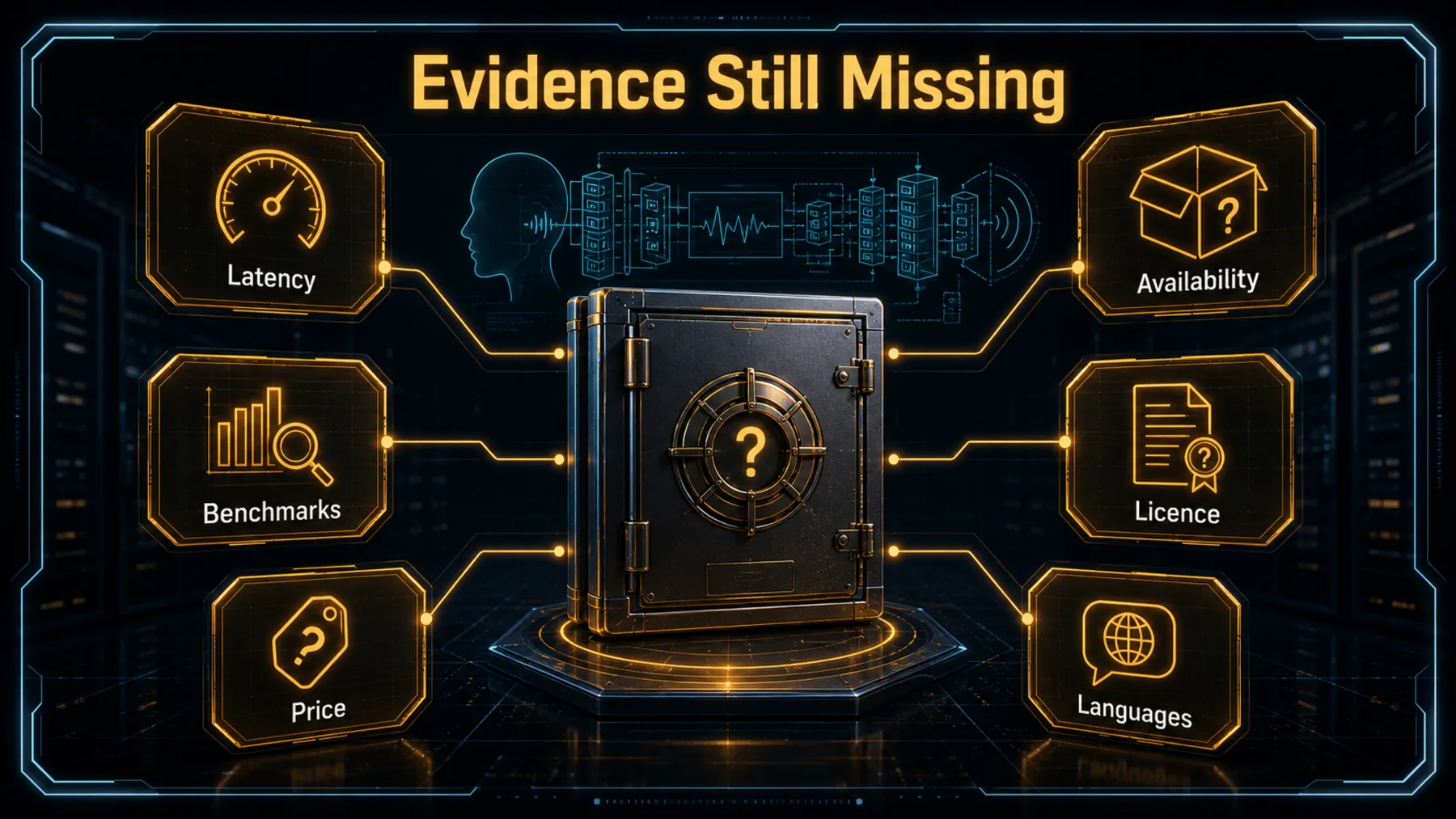
The post makes a clear structural claim. Thanks to Hugging Face and Cerebras, Google Gemma says developers can place Gemma 4 31B at the centre of a cascaded speech-to-speech stack for existing voice apps.
It does not tell us how long a response takes, how the system performs against alternatives, what it costs, when it is available, which licence terms apply or which languages it supports. “Ultra-fast” therefore remains Google Gemma’s description, not a measured finding.
Google Gemma’s exact claim
The post supplies the architecture, the named contributors and the speed promise in one compact announcement.
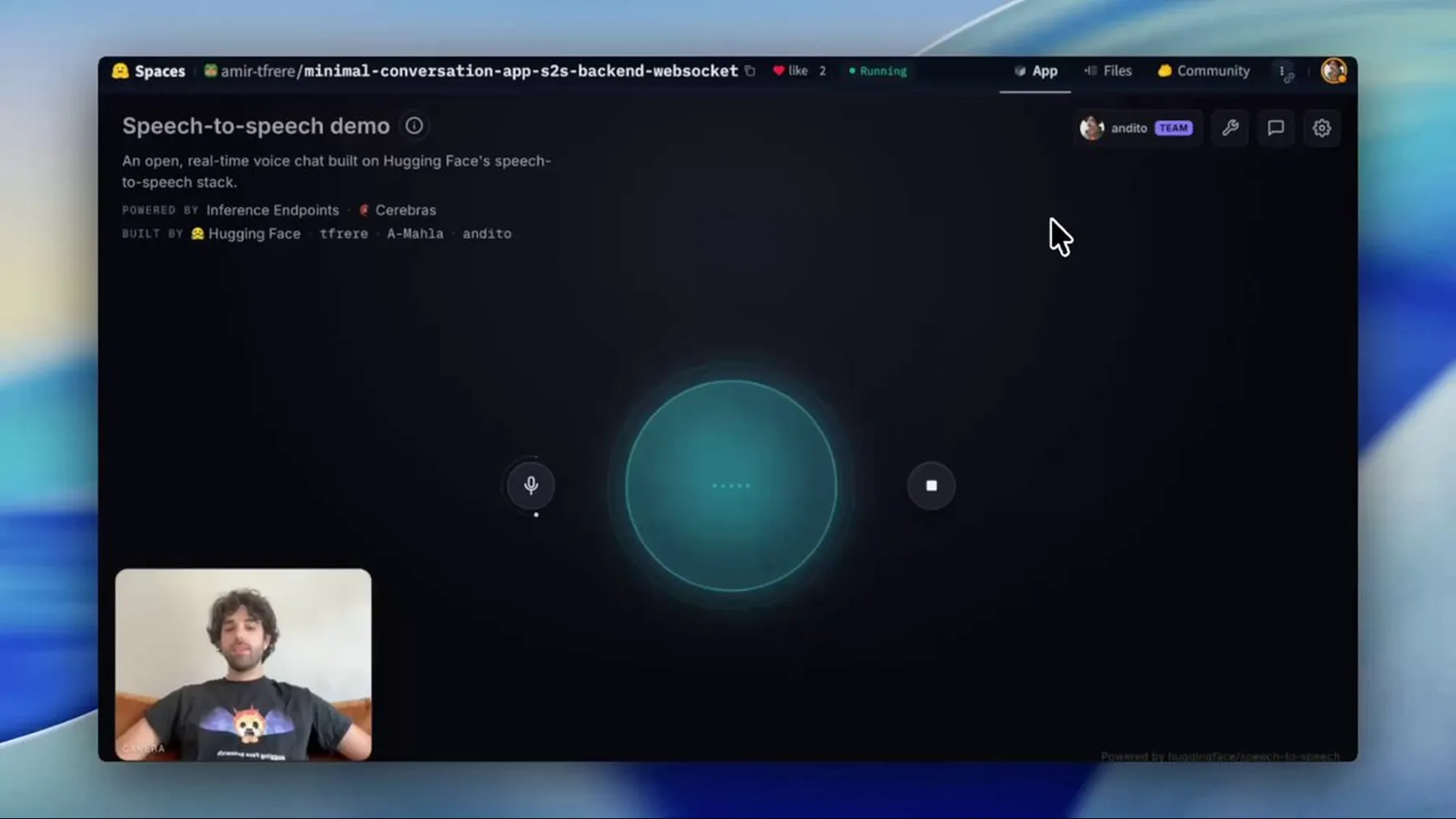
The wording matters. Google Gemma does not present Gemma 4 31B as the whole voice system; it calls the model the brain inside a larger cascade.
The same post calls the inference speeds “ultra-fast” and the stack “fully open-source”. Those phrases establish Google Gemma’s position, but the post alone cannot establish measured latency or verify the licences behind the stack.
Thanks to Hugging Face and Cerebras, developers can now use the Gemma 4 31B model as the brain for voice AI at ultra-fast inference speeds. Add it to a fully open-source, cascaded speech-to-speech stack that can be used to power existing voice apps! 🗣️
Google Gemma on X, 20 July 2026
Visible flow, limited proof
The video makes the proposed conversation tangible, but it does not turn the headline claims into measurements.
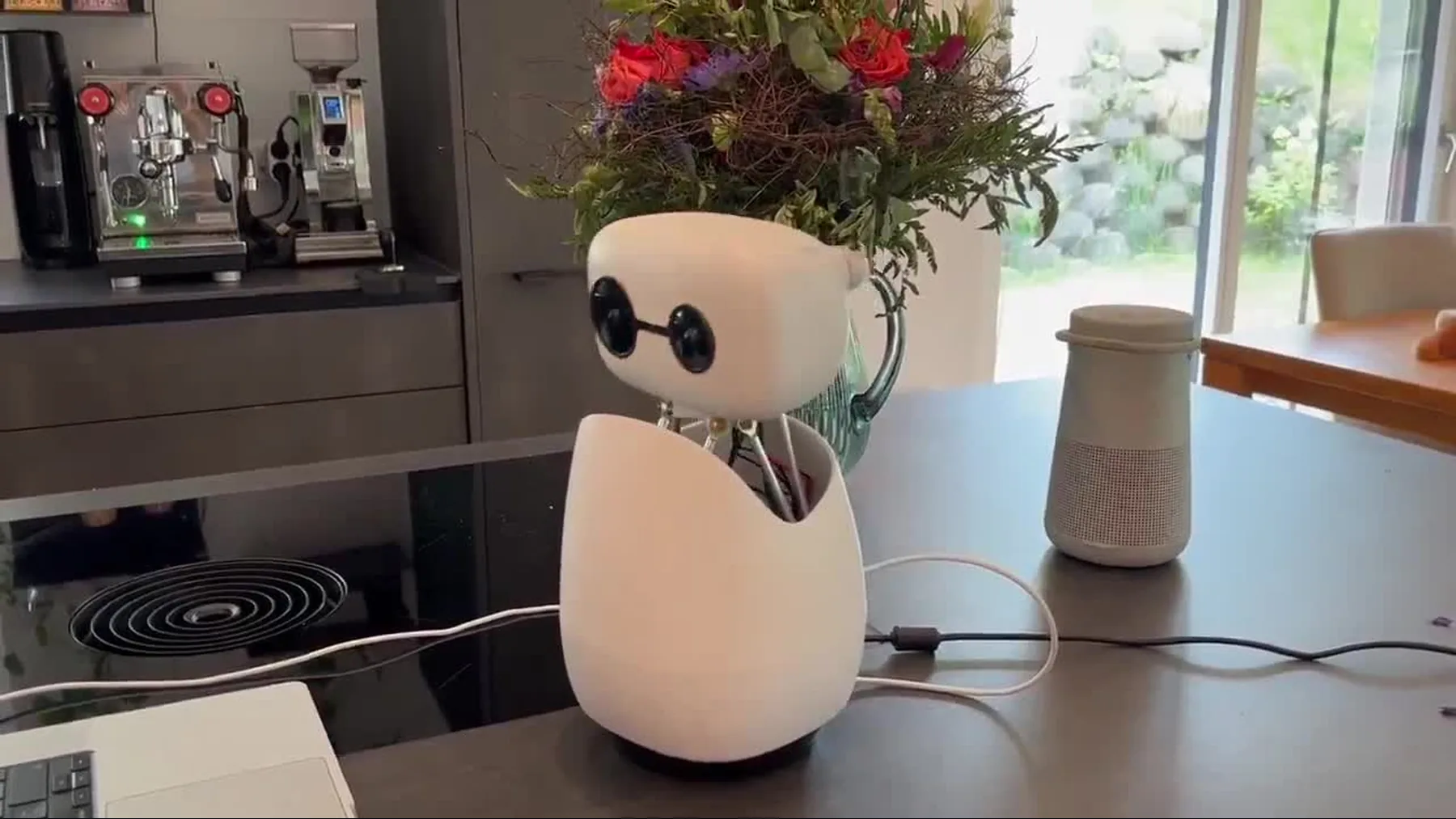
A live-looking exchange is useful because it shows what the stack is trying to achieve: we speak, the system processes the request, and a spoken response returns. The demonstration gives the architecture a recognisable human scene.
What it cannot tell us is how consistently the system performs, which delays occur at each stage or how it behaves under real workload. A demonstration is evidence that an experience was shown, not a benchmark for the experience.
How the voice chain works
Speech enters at one end, Gemma reasons in the middle, and speech returns at the other.
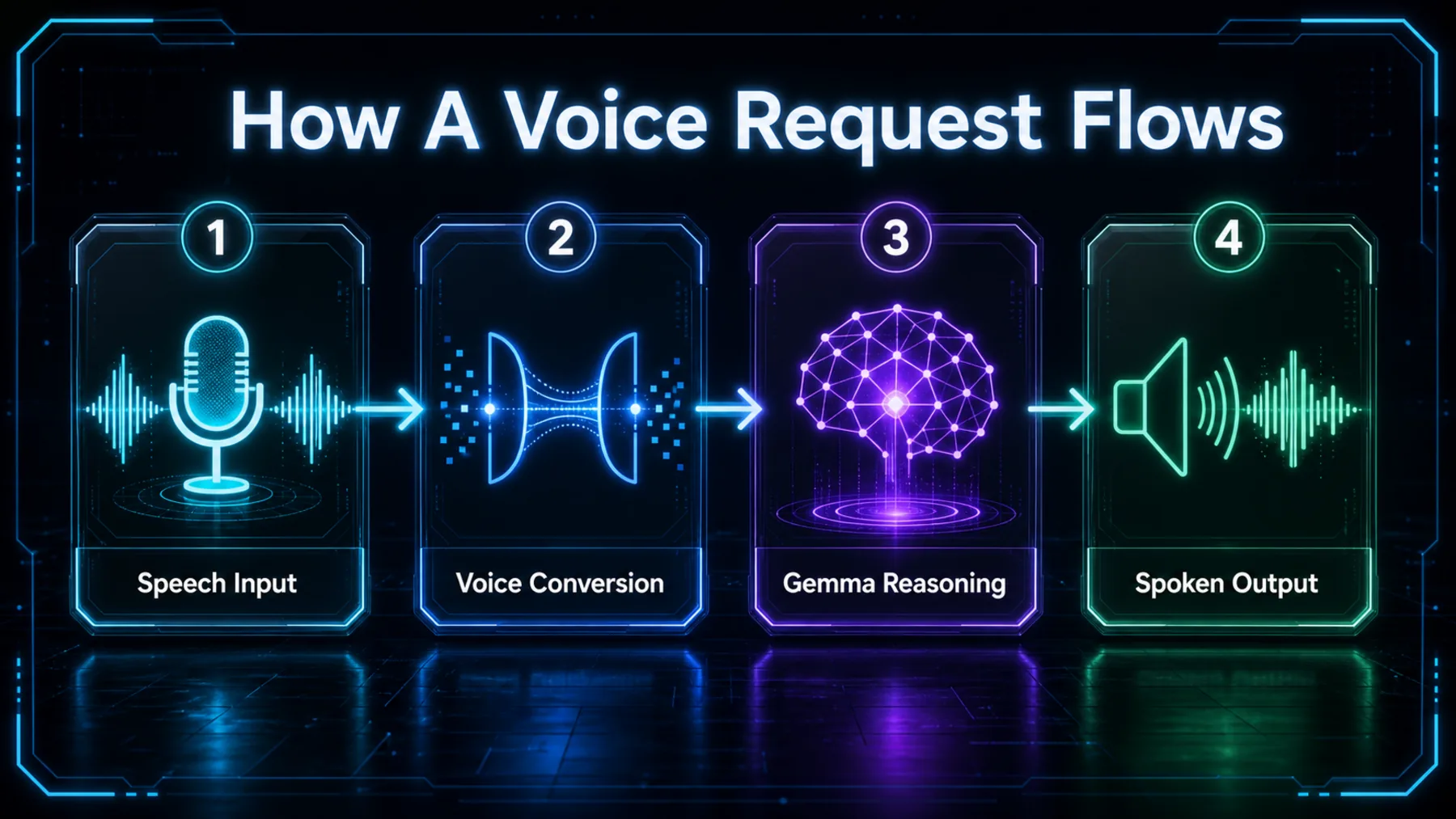
We speak first. An input layer turns that sound into something the reasoning model can use. Gemma 4 31B then determines the response, before an output layer turns it back into speech.
This division of labour is the point. Gemma is the brain in the middle, not the microphone, the entire listening system and the voice at once. A cascade makes those responsibilities distinct, even though the announcement does not name every component.
Listen
Reason
Speak
Reuse the middle, test the rest
The announcement suggests a new reasoning core without proving that every surrounding component or constraint will fit.
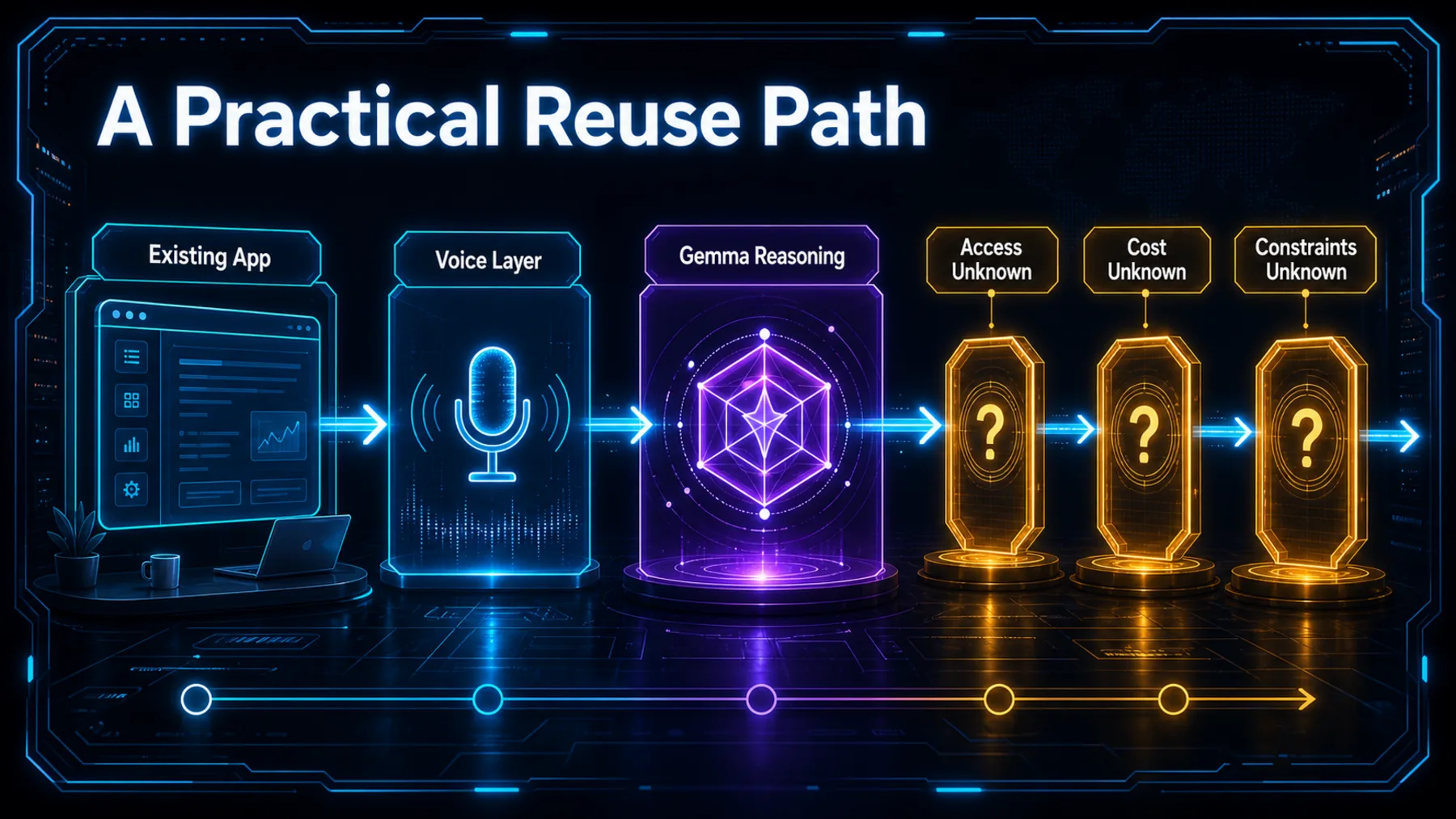
For an existing voice product, the practical attraction is not necessarily a complete rebuild. The app may be able to keep the parts that capture speech and deliver audio while testing Gemma 4 31B as the decision-making layer.
That remains a proposed path, not a compatibility guarantee. Before we treat it as reusable infrastructure, we need the access method, licence terms, operating cost, language coverage and evidence that the full chain performs reliably in our intended setting.
Access
Economics
Constraints
Architecture first, breakthrough later
The open cascade is the substantive reveal; the performance case still needs evidence.
The strongest part of the announcement is also the least theatrical. It shows Gemma as one important component in a voice system rather than pretending the model performs every job by itself.
That gives us a more useful way to evaluate the release. We can examine the reasoning layer, the surrounding speech components and the joins between them separately. Until measured results and implementation details arrive, however, the design is more convincing than the claim that it removes the wait.
The architecture is credible enough to investigate. The breakthrough is not credible enough to measure yet.
Creator Broadcast synthesis, grounded in Google Gemma’s announcement
Stress-test the open voice stack
Act as a voice-product architect. Assess this announced system: Google Gemma says Gemma 4 31B can act as the brain inside a fully open-source, cascaded speech-to-speech stack for existing voice apps, with Hugging Face and Cerebras named. The announcement provides no latency measurement, benchmark, price, availability detail, licence evidence, supported-language list or production-readiness evidence. Produce a concise implementation memo with four sections: proposed input-to-output flow; components an existing app could retain or replace; evidence required before a pilot; and a pilot acceptance table with measurable criteria but no invented thresholds. Label every statement as Announced, Inferred or Unverified.Ready to copy
Measure the missing middle
Treat the open cascade as a testable design: verify the components and licences, then measure the complete exchange before accepting the speed promise.
Try the promptEvidence that could change the verdict
- Published latency and throughput results
- Access, price and availability details
- Repositories and licence terms
- Language and production evidence