Gemini Notebook’s cloud computer is the real upgrade
Gemini Notebook can now run code against supplied sources, although access remains tiered and part of Google’s wider ecosystem plan is still forthcoming.

NotebookLM is now Gemini Notebook, but this is not merely new branding. Google says an update gives each eligible notebook a secure cloud computer that can write and execute code natively for analysis grounded in supplied sources.
That could turn a collection of documents or data into a more active research workspace. For now, the claim and its security, accuracy and performance language come from Google; this source pack contains no independent testing.
Why this is more than a rename
The product keeps its focused, standalone form while gaining a new analytical capability and a route into more Google surfaces.
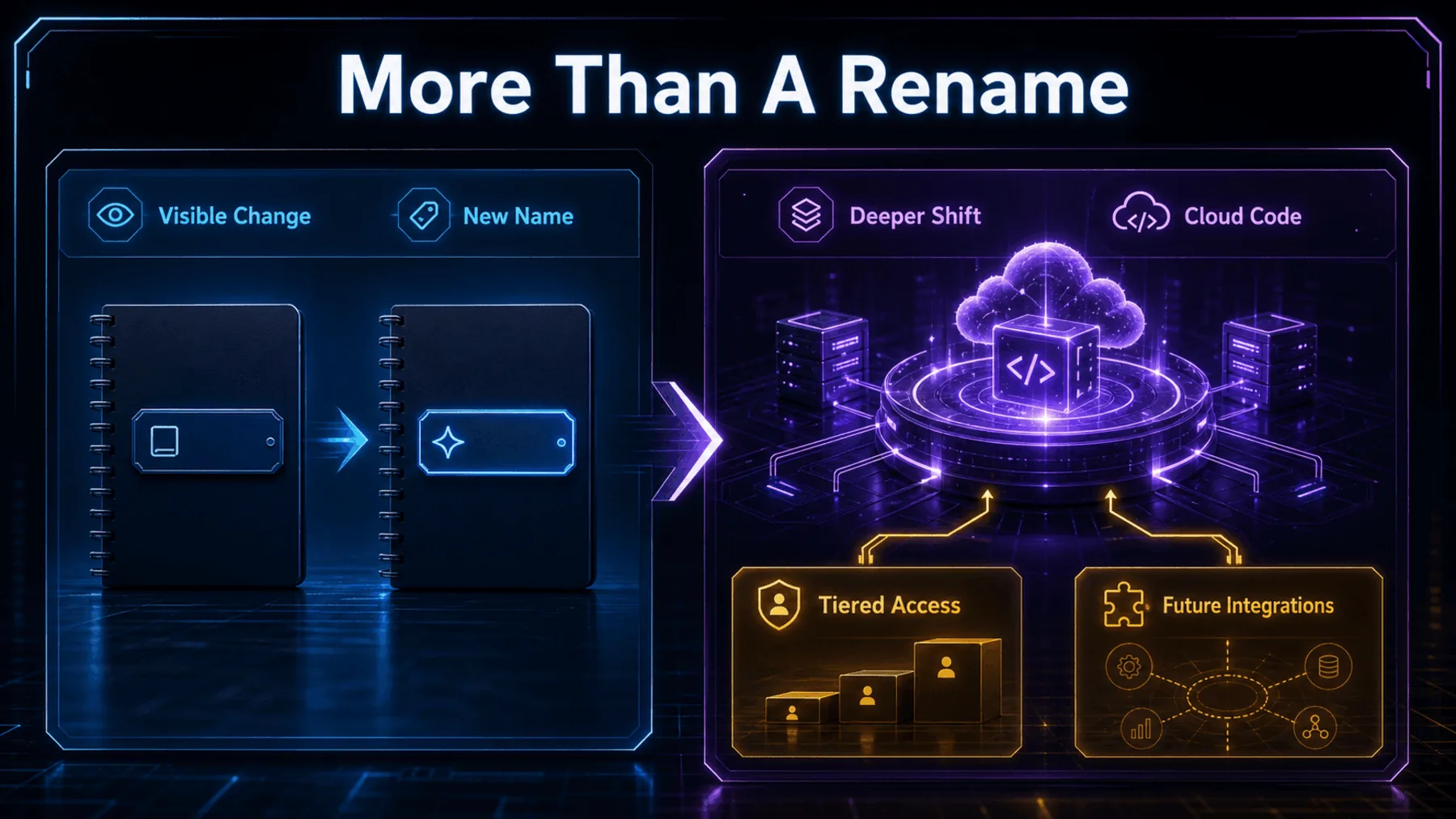
A rename-only reading misses the useful part. Google says Gemini Notebook can write and run code natively, enabling more complex analysis grounded in the material we supply.
The boundaries matter just as much as the capability. Access is not yet universal, and the promised move into AI Mode in Search is not live.
From Tailwind to Gemini Notebook
The product has moved from a 2023 learning experiment to a research notebook Google says is used at substantial scale.
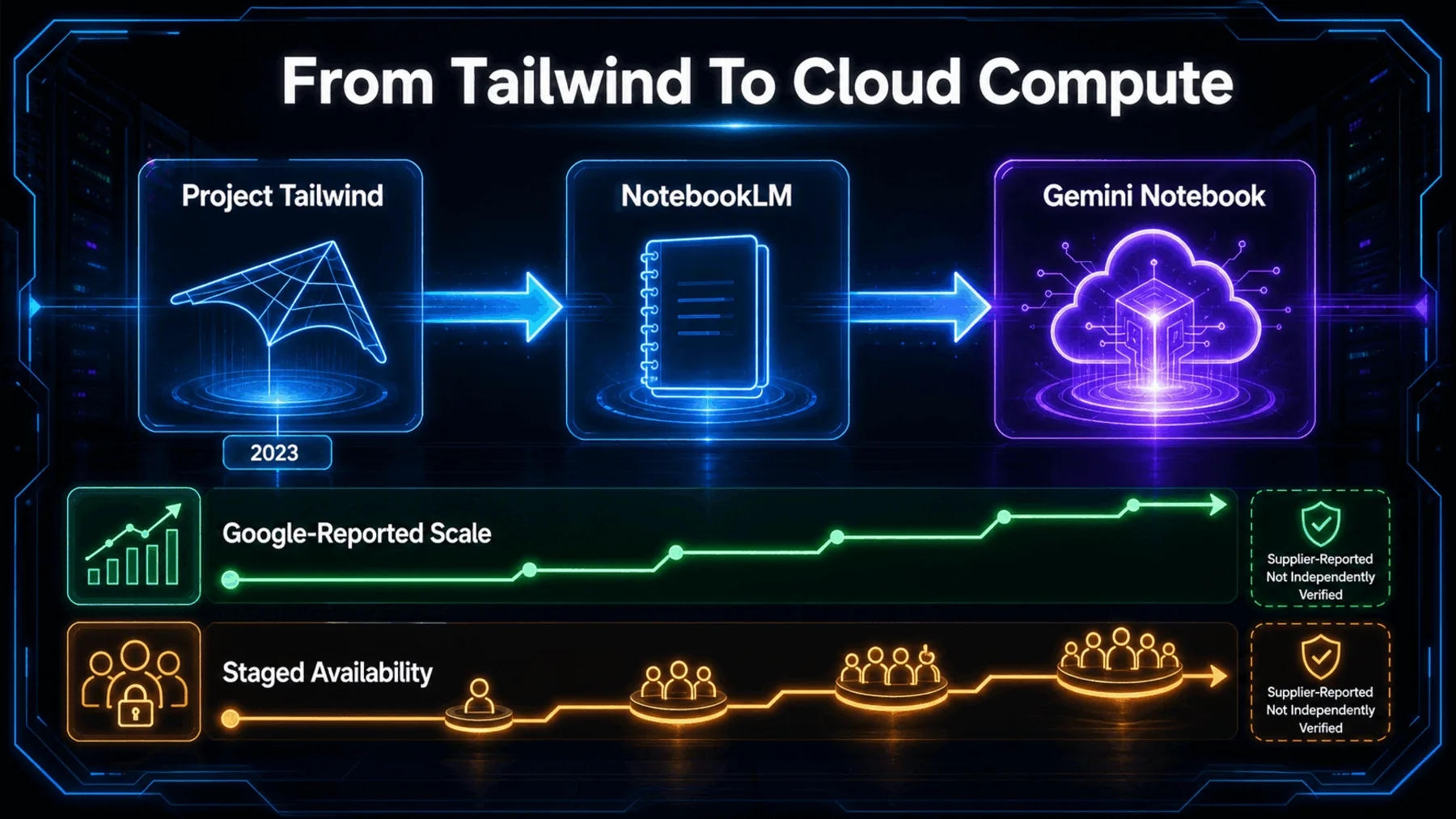
Google introduced the product as Project Tailwind at Google I/O 2023 with a goal of helping people learn. It later became NotebookLM and now carries the Gemini name.
Google says more than 30 million people and over 600,000 organisations use the product. Those are Google-reported scale figures, not audited measures of active or paid use.
A cloud computer inside the notebook
Google says eligible notebooks can now write and execute code natively against the sources we provide.
In plain language, we can place documents or data in a notebook and ask it to perform analysis that benefits from code. The notebook can then use its cloud-computer capability to produce an answer grounded in those materials.
That does not establish unrestricted browsing, arbitrary code execution or error-free results. It describes Google’s announced capability within the source-grounded notebook experience.
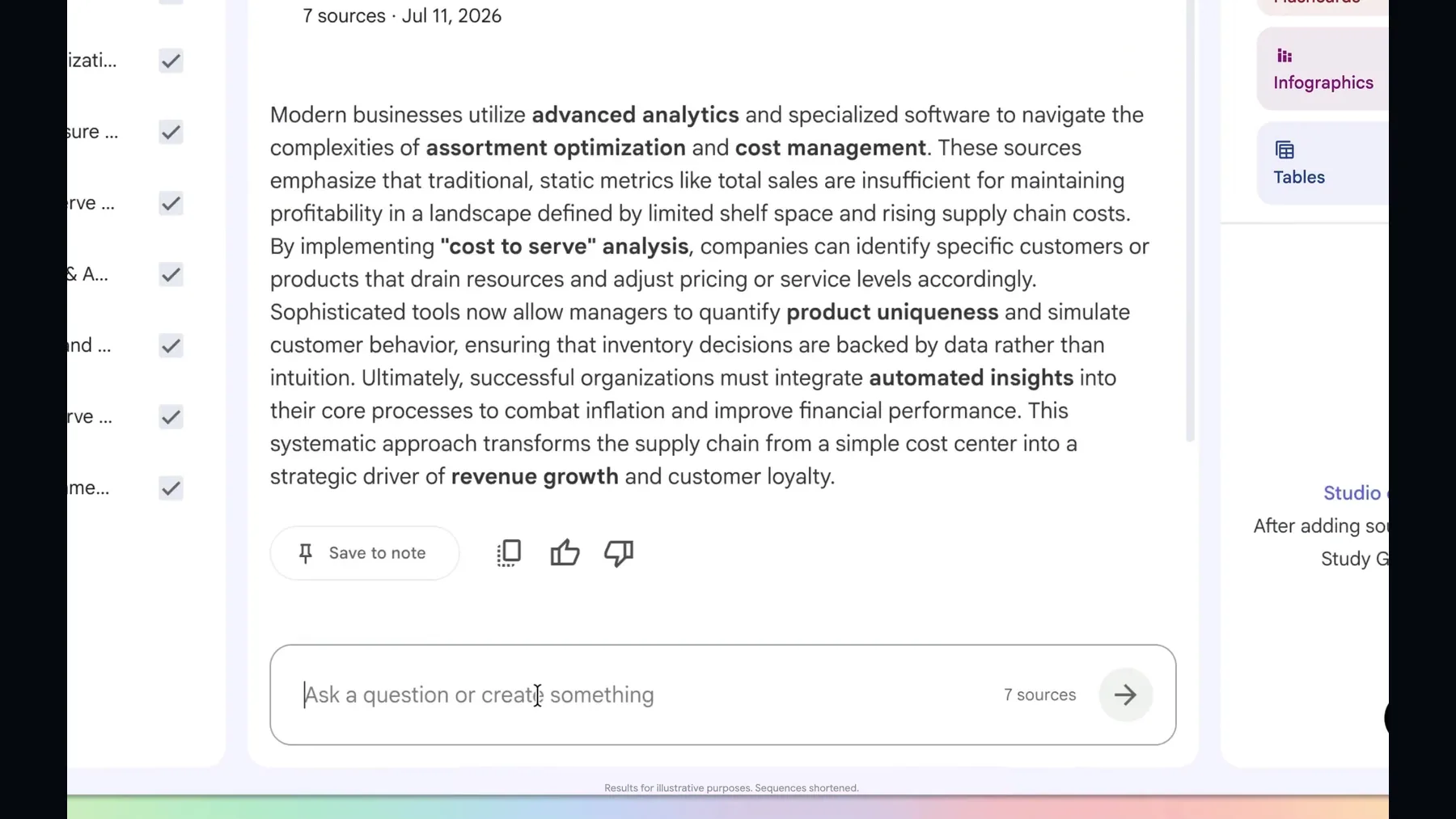
This allows Gemini Notebook to write and execute code natively, helping you conduct complex data analysis grounded in your sources.
Google, “NotebookLM is now Gemini Notebook”
What the announcement does not prove
Google’s materials establish what the company announced, not independent security, accuracy or performance.
The supplied article and media are useful primary evidence for the announcement: the rename, the cloud-computer claim, the rollout terms and the planned integrations all come directly from Google.
They cannot tell us how reliably the feature performs in practice. There is no independent testing in this source pack, so claims about security, accuracy, grounding and capability remain attributed to Google.
How source-grounded analysis works
The notebook moves from supplied material to code-assisted analysis, then returns a result that can be checked against those sources.
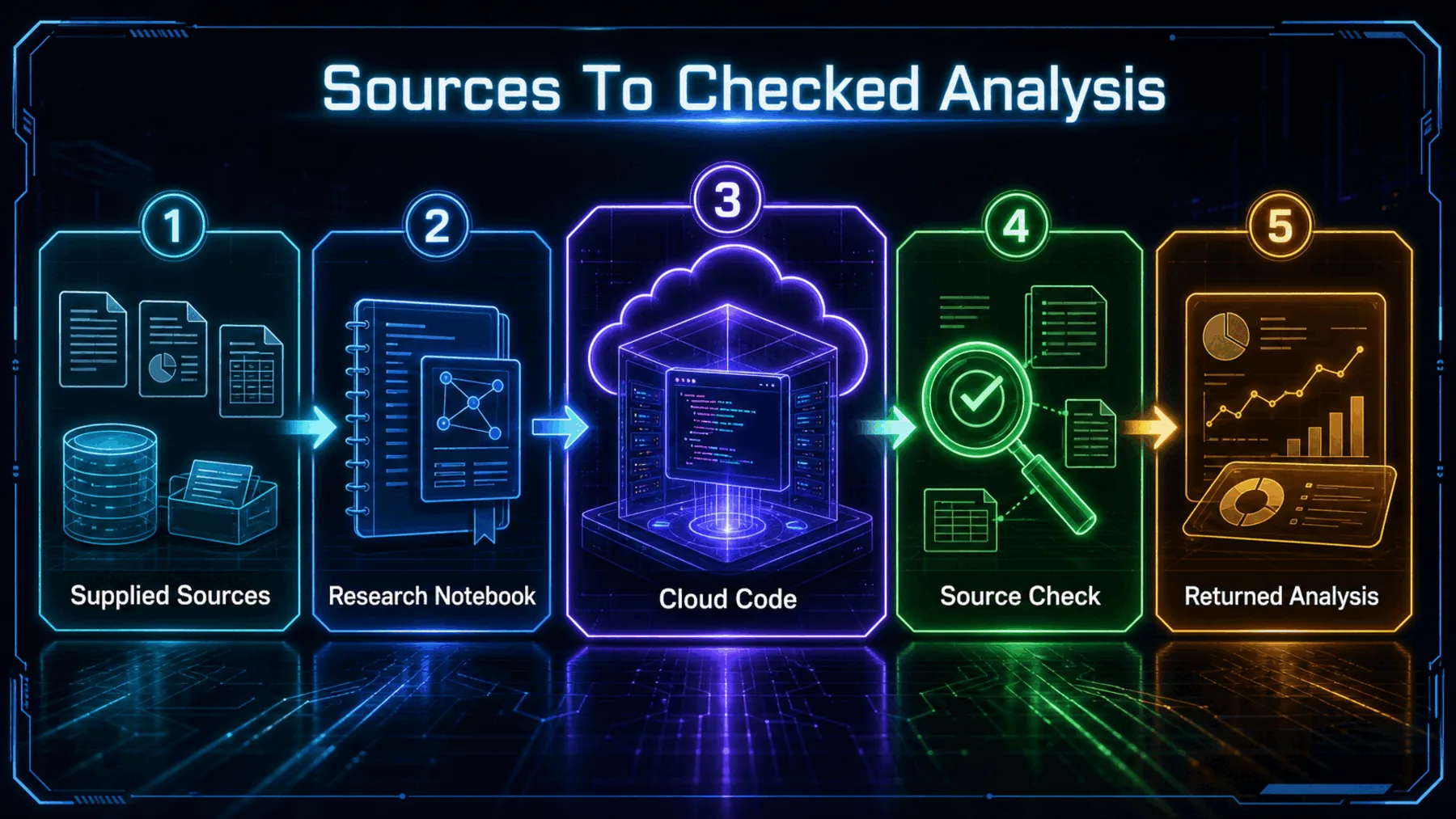
The important constraint is the source boundary. The announced workflow begins with material we have placed in the notebook, not an implied licence to browse or act without limits.
Code can make calculations and structured analysis more useful, but it does not remove the need to inspect assumptions, trace conclusions to their sources and check the output.
Where the notebook follows us
Gemini Notebook already connects with the Gemini app, while its move into AI Mode in Search remains a future step.
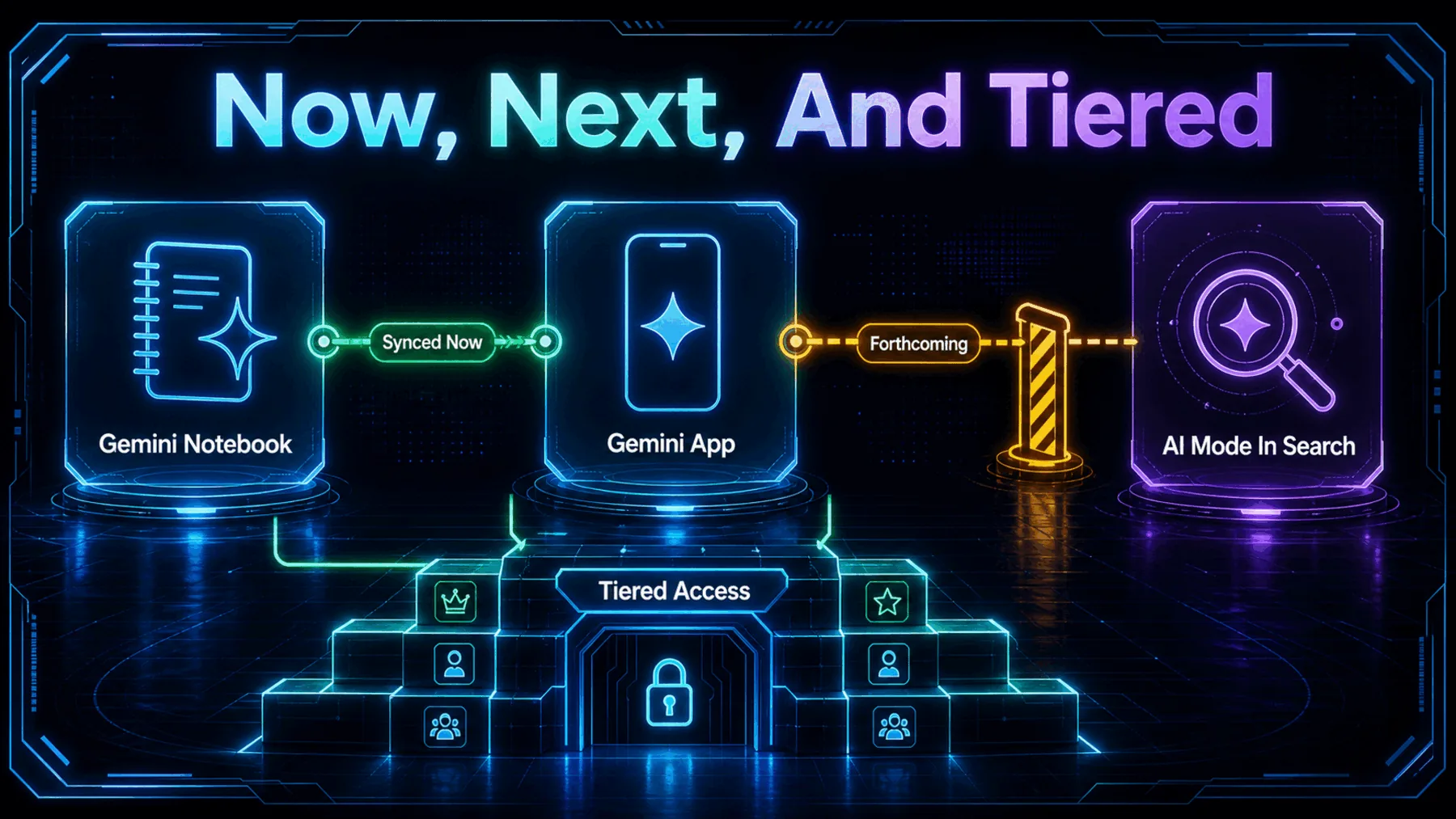
Google says we can already access and create notebooks in the Gemini app, with full syncing between that app and the standalone Gemini Notebook experience.
AI Mode in Search is different: Google describes it as coming soon. The broader ecosystem story is therefore partly available today and partly still a promise.
A focused tool becomes portable
Gemini Notebook is keeping its standalone identity while becoming available across more of Google’s AI environment.
The real shift is not that the notebook has joined the Gemini family. It is that a focused research space can now do more with our sources and begin to travel with us.
Altior analysis, based on Google’s announcement
That combination is the strategic tension to watch. The standalone product preserves a dedicated place for research, while syncing and planned Search integration make the same notebooks more portable.
Whether that balance holds will depend on execution. Today, the clearest advance is code-assisted analysis for eligible access tiers; the complete cross-Google vision has not arrived yet.
Test source-grounded analysis in Gemini Notebook
Using only the sources already attached to this Gemini Notebook, analyse the central claim across them. Write and execute code where it materially improves the analysis, but do not introduce outside information. Return: (1) a three-sentence conclusion, (2) a table of the strongest supporting and conflicting evidence with source references, (3) any calculations with assumptions shown, and (4) five unresolved questions. Clearly label every statement as supported, inferred or unknown.Ready to copy
Watch access catch up
The next signal is not another name change. It is whether Pro availability arrives as described, Search integration becomes real, and the standalone notebook keeps its focus as distribution widens.
Try the promptThree signals to watch
- Pro web rollout: whether access expands over the coming weeks as Google says.
- AI Mode in Search: when notebook integration moves from forthcoming to available.
- Standalone focus: whether wider distribution preserves the dedicated research experience.