Three models, three bottlenecks
Google has turned Flash into a workhorse, a volume engine and a cyber specialist behind a permission gate.
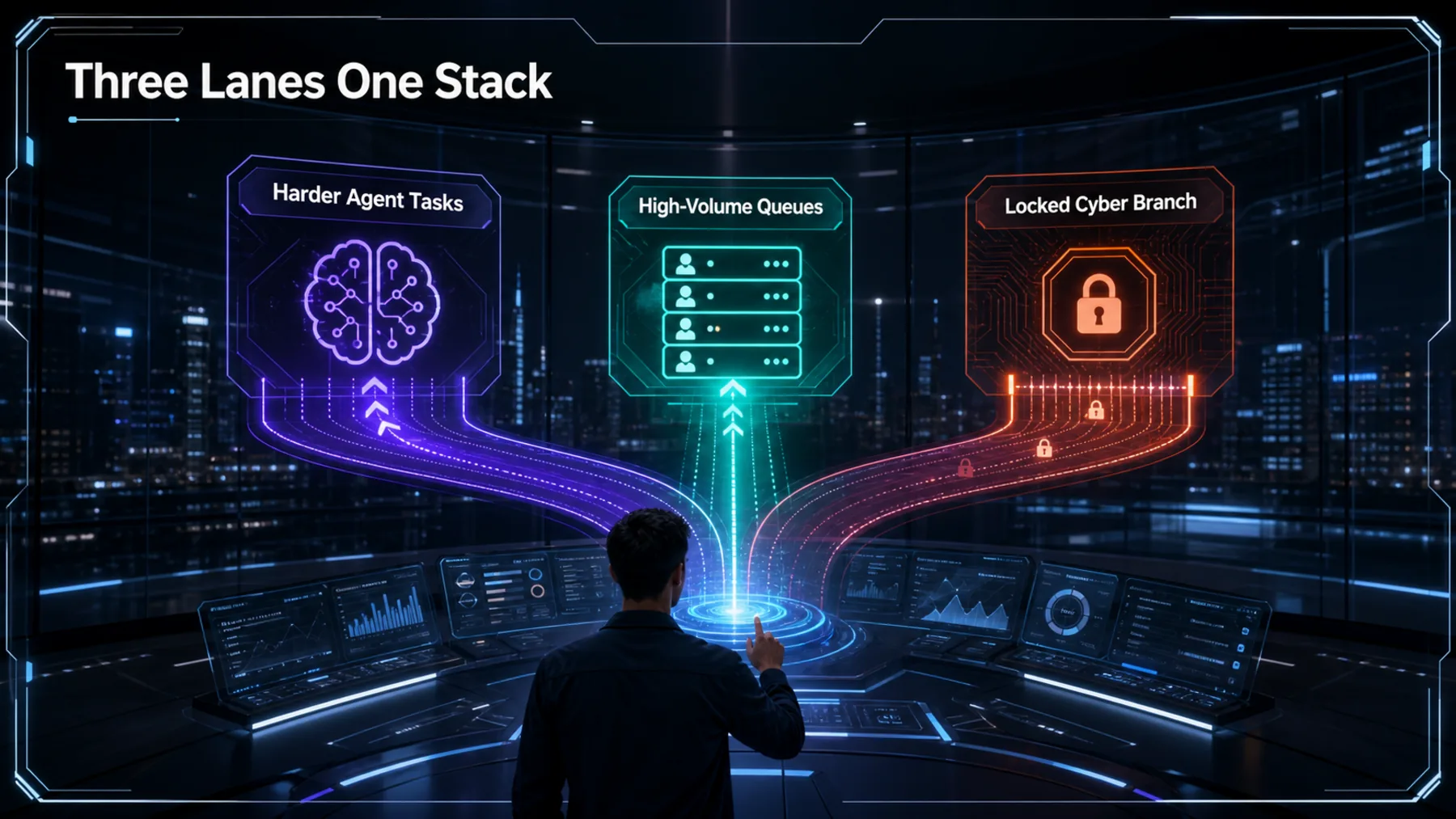
Google’s release is easier to understand as a team than a version list. Gemini 3.6 Flash takes the harder coding, knowledge and multimodal work; Gemini 3.5 Flash-Lite is built for large, repetitive queues; and Gemini 3.5 Flash Cyber specialises in vulnerability work inside CodeMender.
That division gives us a clearer routing decision, but not three equally available options. The first two models are available now across Google-listed surfaces. The cyber branch is reserved for governments and trusted partners in a forthcoming limited pilot.
The routing choice now matters
Each branch trades on a different combination of task difficulty, volume and access.
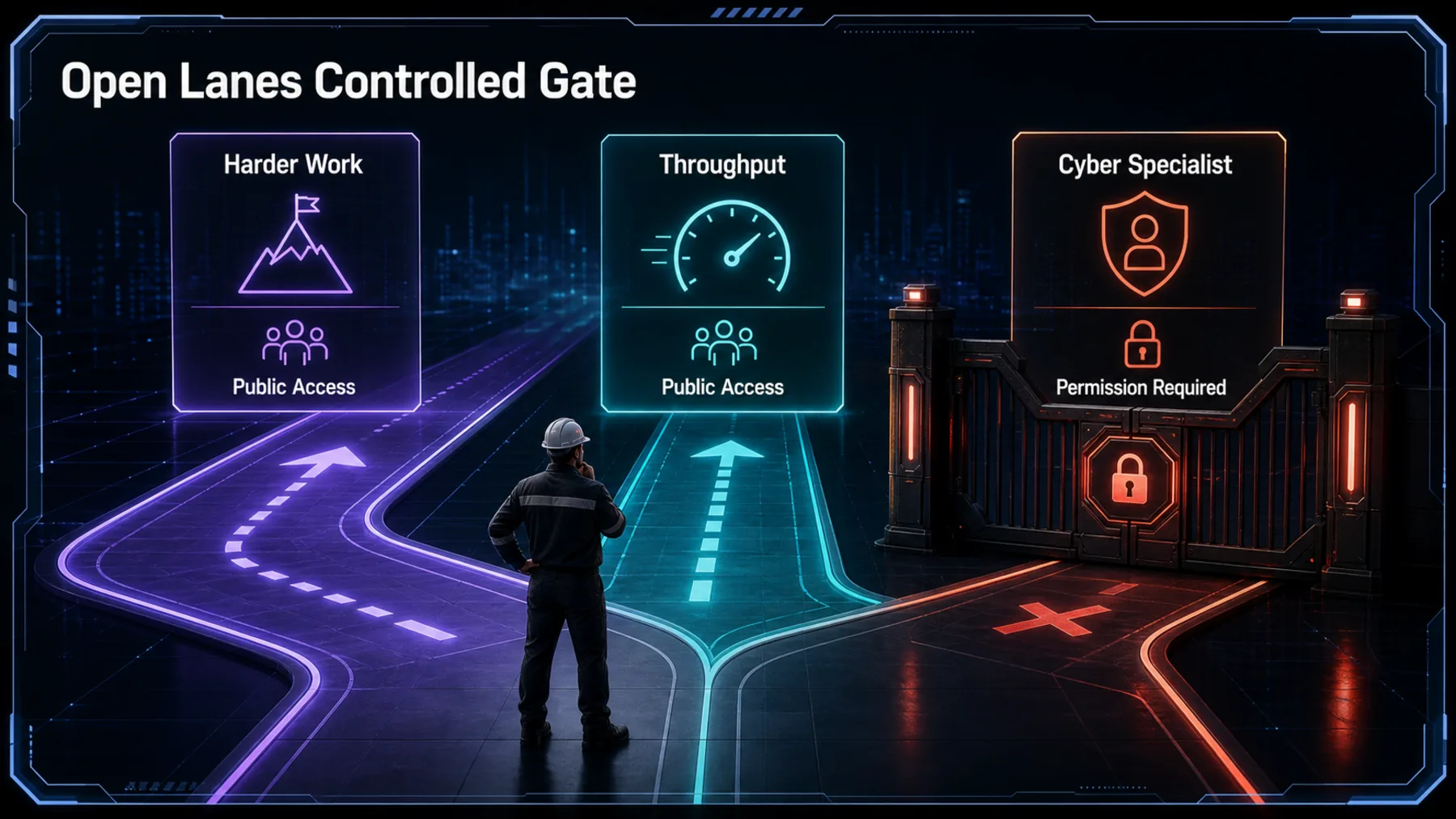
For us, the practical question is not which model wins in the abstract. It is whether harder reasoning, repetitive throughput and sensitive security work should share the same route at all.
Google’s benchmark and efficiency figures can help us form a testable hypothesis. They cannot replace testing on our own task mix, especially when output quality, token use and latency can shift together.
What each Flash model is for
The family now spans harder agent work, high-volume processing and controlled cyber defence.
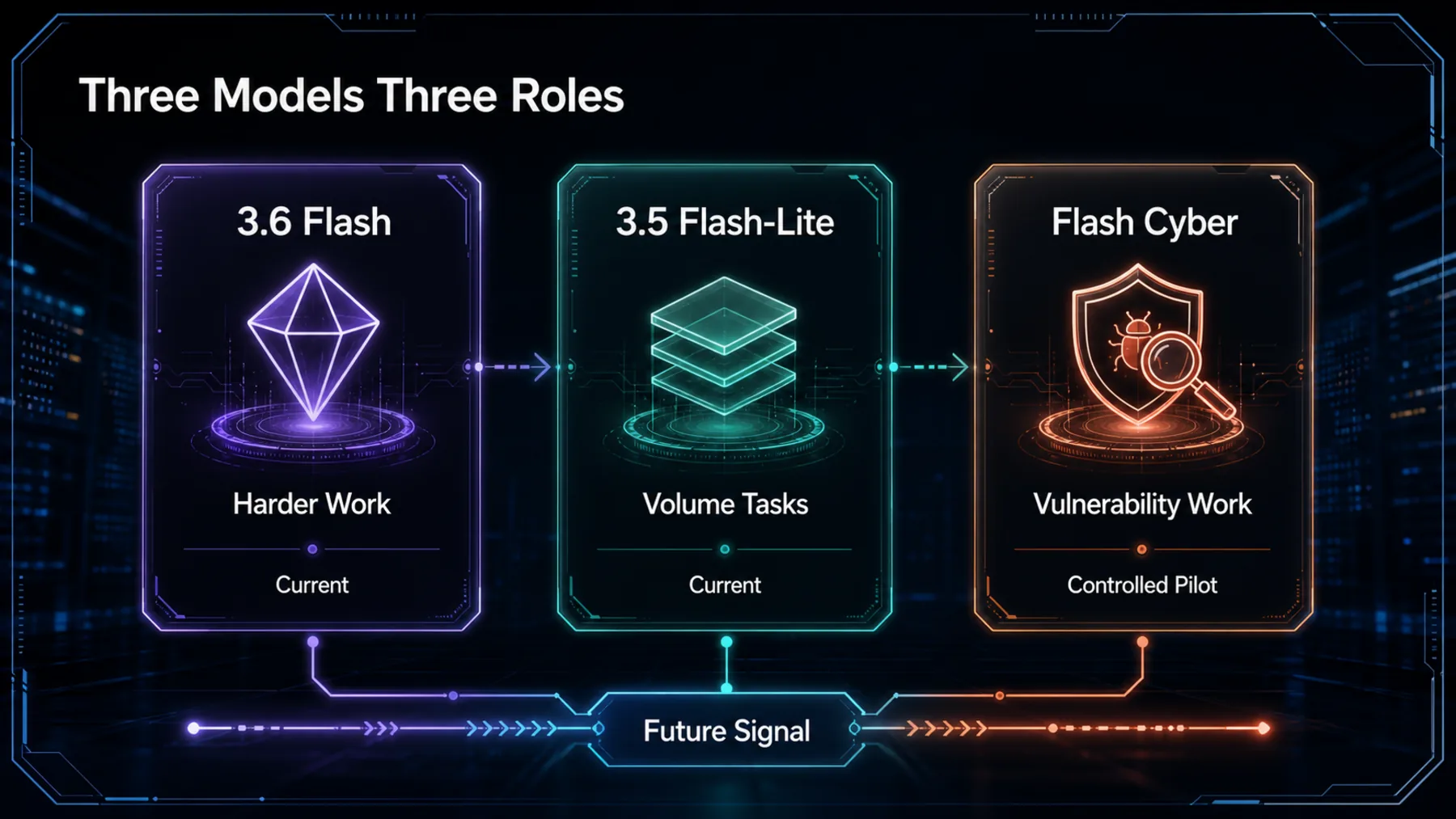
Google positions 3.6 Flash as its workhorse for coding, knowledge, multimodal and computer-use tasks. Its published price is $1.50 per million input tokens and $7.50 per million output tokens; Google also links its reported token efficiency to a lower cost per agentic task.
Flash-Lite is aimed at agentic search, document processing and other high-throughput work. Google cites an Artificial Analysis result of 350 output tokens per second and lists prices of $0.30 per million input tokens and $2.50 per million output tokens. That output-rate measure is not the same as end-to-end application latency.
Google’s three-model release
The official announcement establishes the workhorse, volume and controlled cyber branches.
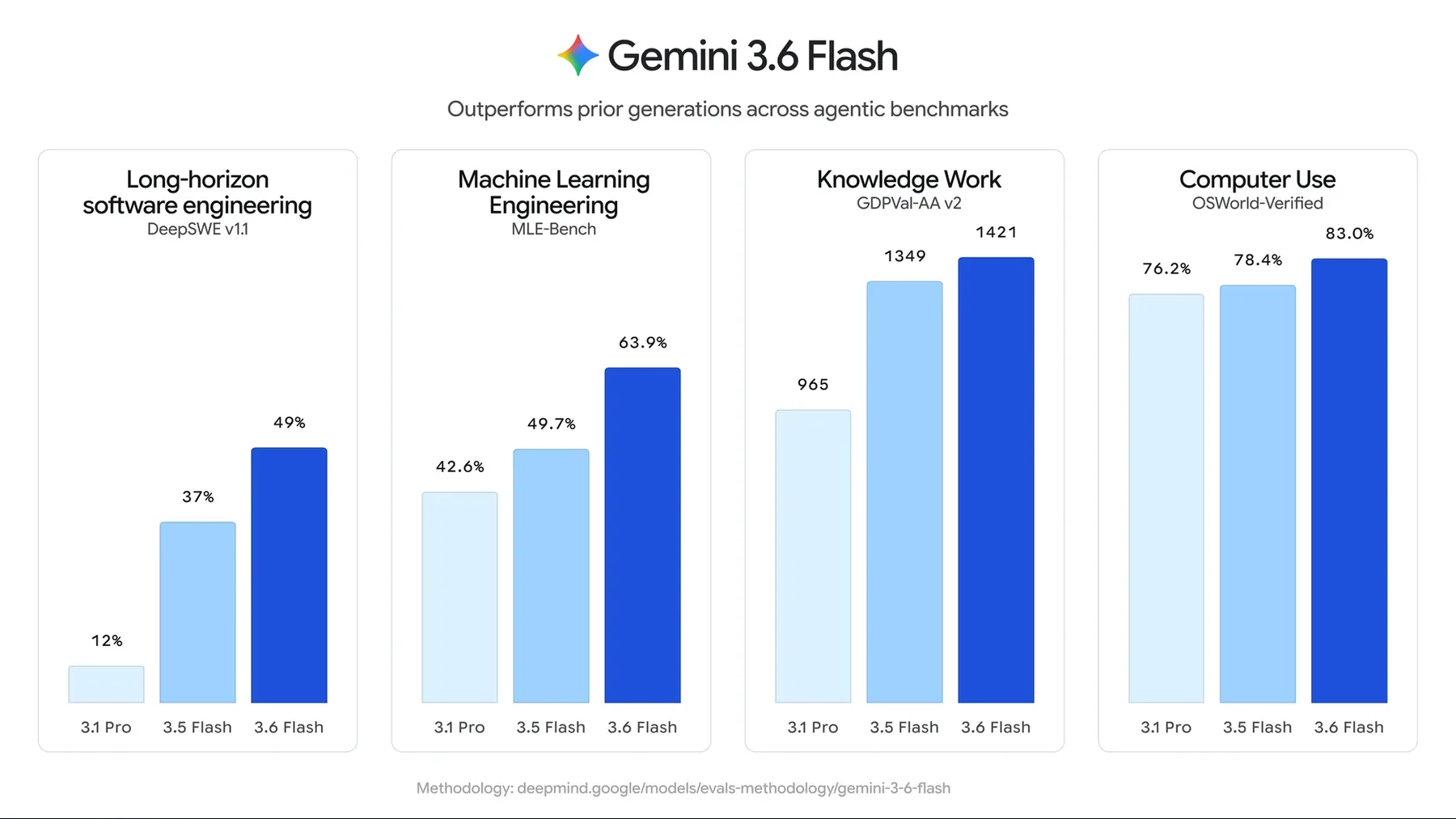
The announcement supports the shape of the stack and its stated availability. Gemini 3.6 Flash and 3.5 Flash-Lite are rolling out now, including in the Gemini app, while developer and enterprise access varies by Google surface.
The performance, efficiency and reliability language remains Google’s account of the release. The evidence tells us what Google has announced; it does not independently establish how the models will perform in our systems.
Our newest Gemini models deliver the efficiency, latency, and reliability to build AI agents at scale.
Google Blog
The cyber model is gated
Flash Cyber’s specialist capability arrives with an explicit access boundary.
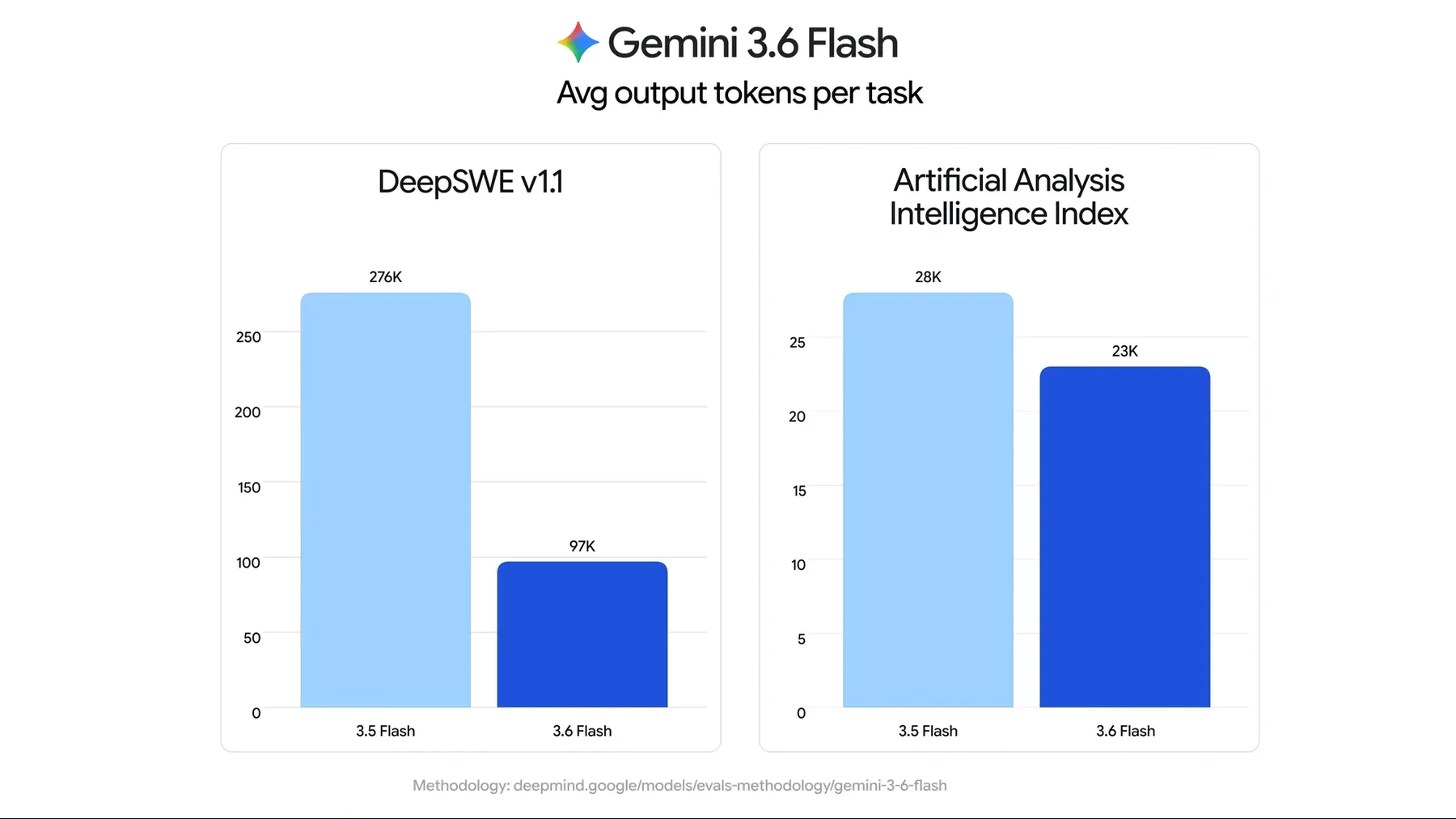
Google describes Flash Cyber as a specialised model for finding and fixing vulnerabilities, paired with its CodeMender security agent. It says multiple Flash Cyber agents can work together inside CodeMender to produce a combined report.
The access restriction is part of the story, not a footnote. Google cites the technology’s dual-use nature for its controlled deployment, so we cannot treat Flash Cyber as a public API option or a model available for general testing.
Route work by its bottleneck
Difficulty, repetition and sensitivity point towards different branches of the stack.
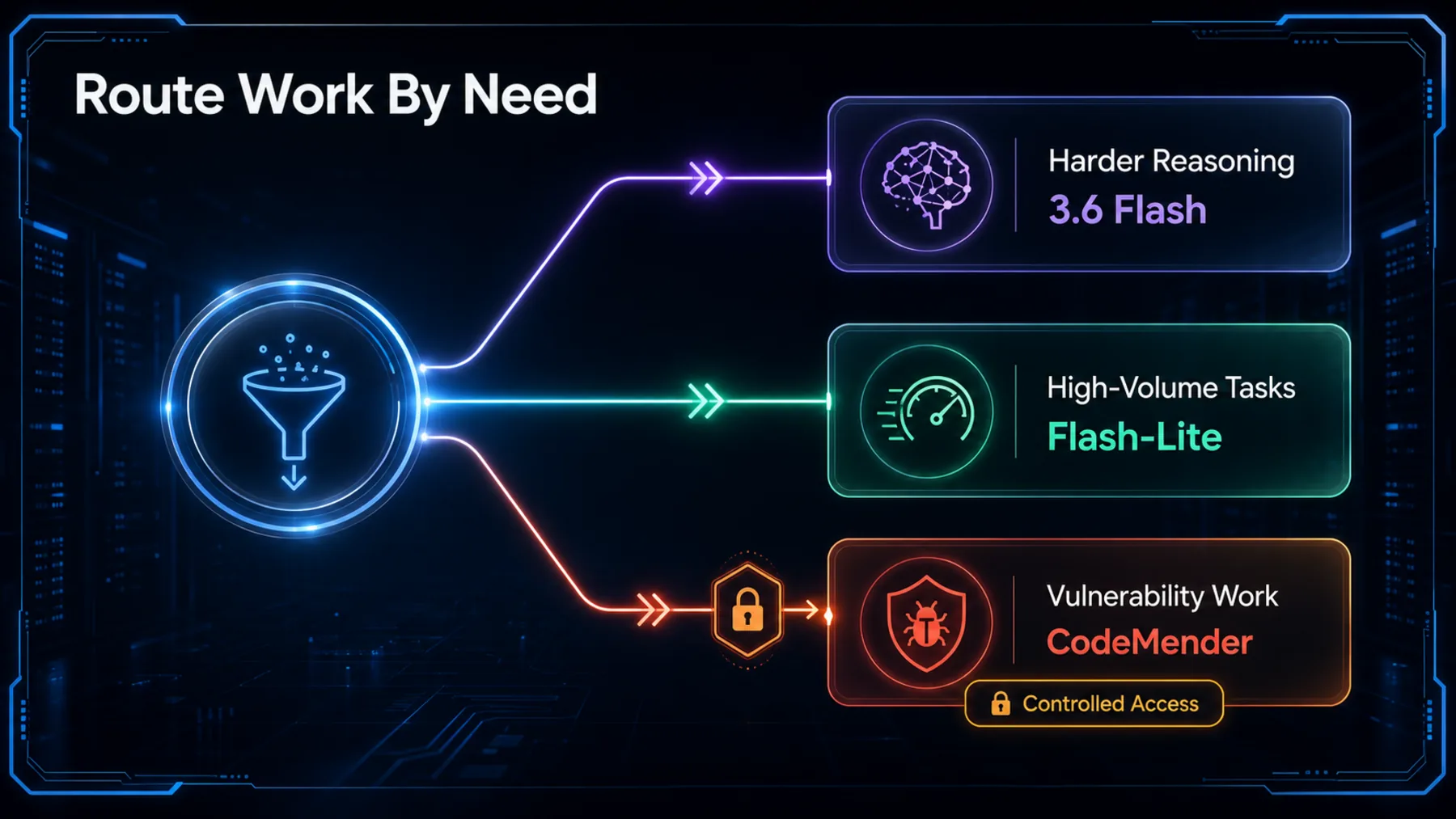
We can treat 3.6 Flash as the colleague given the knottier case: multi-step coding, research, multimodal interpretation or tool-heavy work. Flash-Lite takes the long queue of repeatable jobs where throughput and unit cost matter.
Security work forms a separate branch. Flash Cyber may fit vulnerability discovery and remediation, but its route ends at an access check: unless we are participating as an approved government or trusted partner, that branch is not available to us.
What we can use—and what we cannot
Start with access, match the workload, then test the published claims under real conditions.
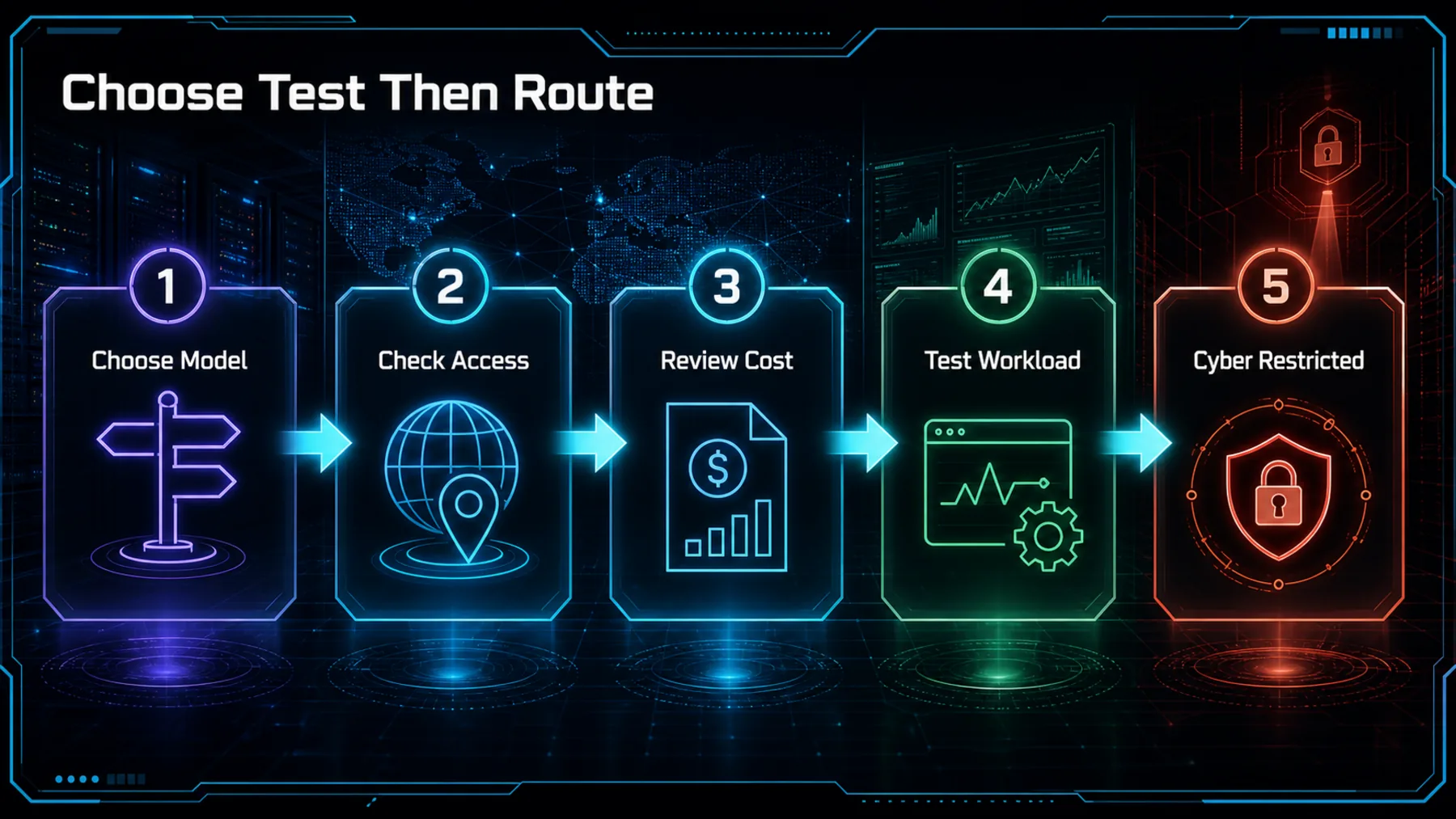
We can use 3.6 Flash and 3.5 Flash-Lite now through the Google-listed developer, enterprise and consumer surfaces, with some surface-specific differences. We should choose an initial lane from the workload, not from the headline number alone.
Then we can measure quality, output-token use, throughput and total task cost on representative work. Flash Cyber remains outside that path unless Google grants access through the limited CodeMender pilot. Gemini 3.5 Pro is only in partner testing, while Gemini 4 is in pre-training.
Flash is becoming a stack
The release makes model routing more important than chasing one universal default.
The useful unit is no longer one model. It is the route from each job to the right balance of capability, volume, cost and control.
Altior analysis, grounded in Google’s release
The stronger interpretation is also the more cautious one: Google is offering three answers to three operating constraints, not proof that one family will dominate every agent workflow.
Our advantage comes from making the split explicit and testing it. If Flash-Lite can clear routine volume while 3.6 Flash handles the difficult tail, the combination may matter more than either model’s headline result. That remains a workload hypothesis until our own evidence supports it.
Route a real agent workload
Act as an AI systems architect evaluating Gemini 3.6 Flash and Gemini 3.5 Flash-Lite for a customer-support agent. The system must classify and summarise 10,000 tickets each day, extract order details, draft routine replies and investigate the 5% of cases involving conflicting records or multi-step reasoning. Propose which model should handle each task, then design a controlled comparison using 200 representative tickets. Return: a routing table; quality, output-token, throughput and cost measures; pass/fail thresholds; an escalation rule; and a short decision note. Treat Google's published prices and performance figures as claims to test, not guaranteed results. Exclude Gemini 3.5 Flash Cyber because it is restricted to a limited CodeMender pilot.Ready to copy
Test the route, not the claim
Choose one representative queue, separate routine volume from harder cases, and compare the available Flash models against quality, token, speed and cost thresholds before changing production routing.
Try the promptWhat could change the decision
- Flash Cyber pilot access
- Gemini 3.5 Pro
- Gemini 4
- Our workload results