Gemini API computer use leaves preview behind
The tool is generally available, with no breaking changes from preview and production-ready stability for browser, mobile and desktop agents.
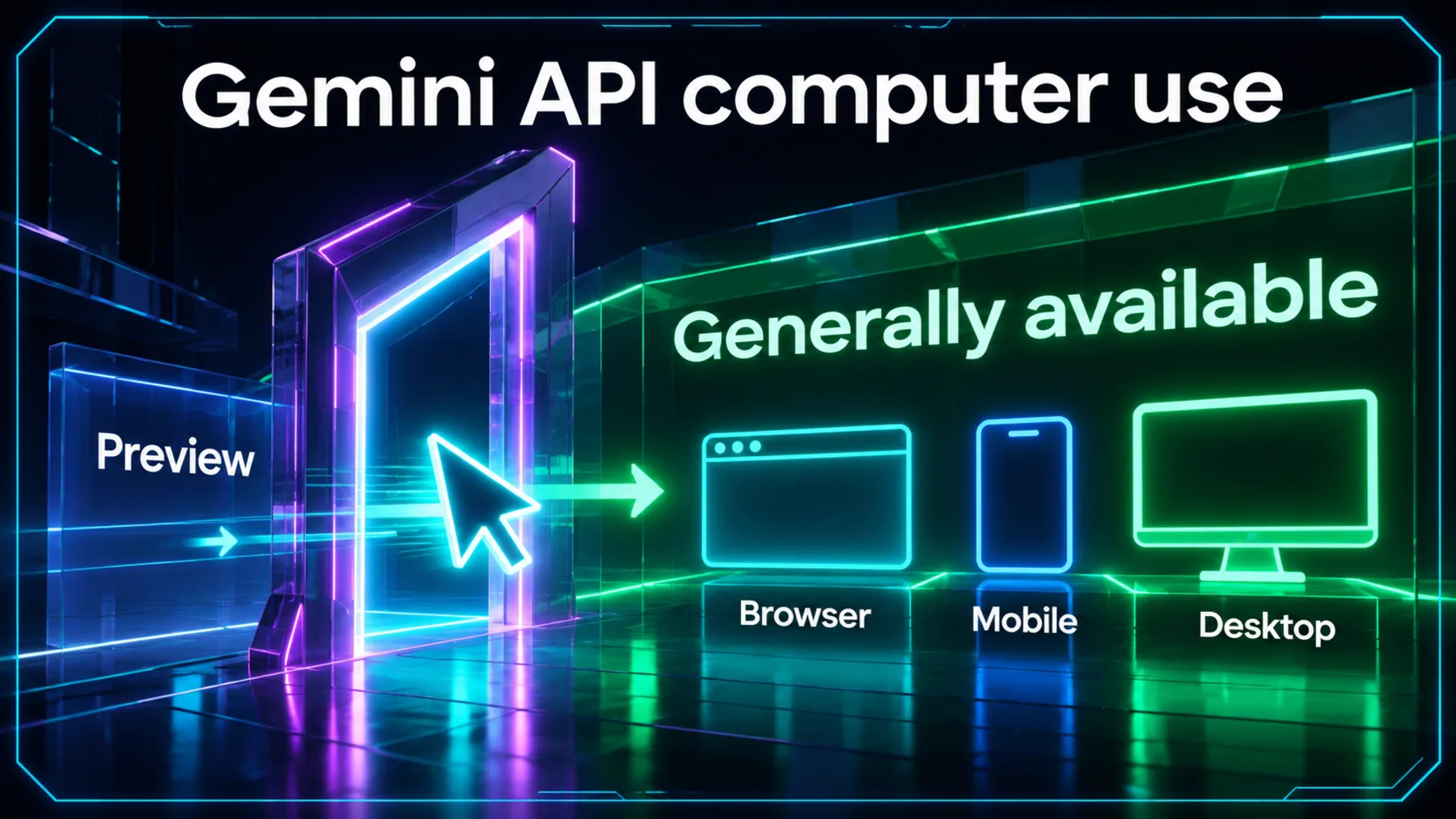
When our agent needs to work with a computer rather than stop at a text answer, the tool’s release status matters. Gemini API computer use has moved beyond preview. The news is its move to general availability, with continuity from the preview release.
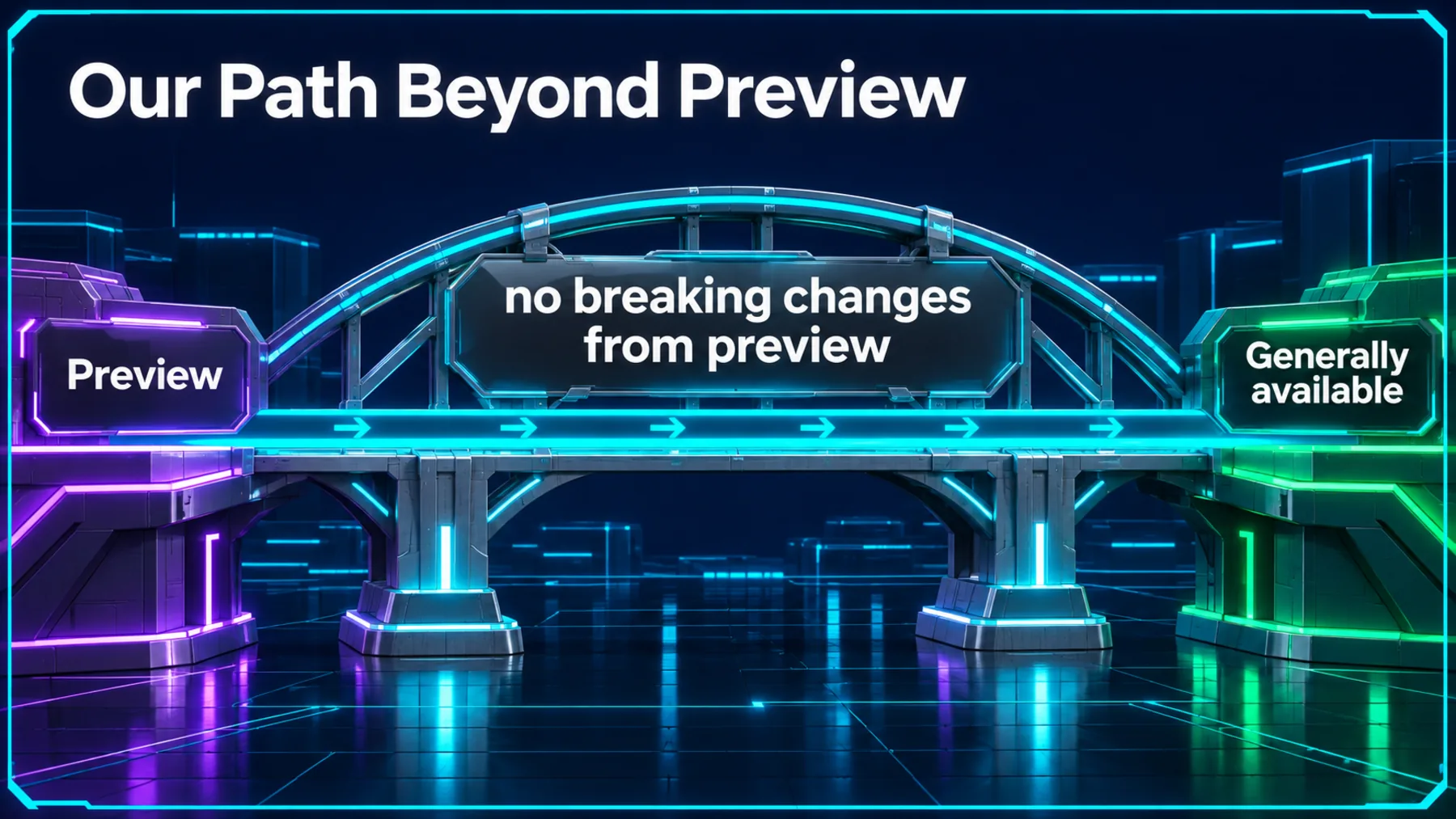
We move beyond preview, without breaking changes
The release status changes; the announcement preserves continuity with preview.
We get a clearer answer about the tool’s maturity: Gemini API computer use is generally available. Alongside that change, Google has kept the comparator explicit: no breaking changes from preview.
Those two points belong together. General availability marks the release milestone; continuity tells us how it relates to the tool that was already available in preview.
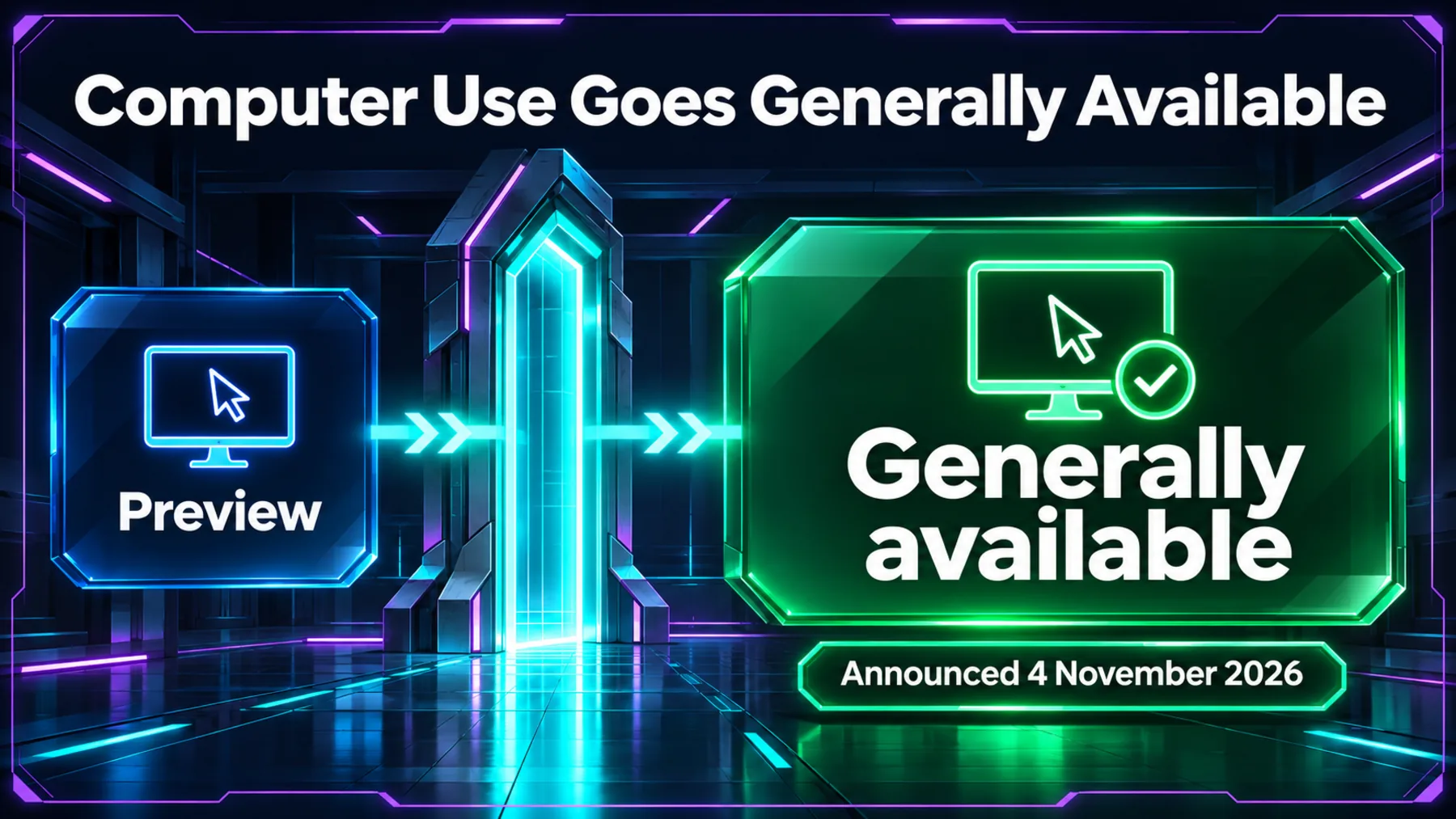
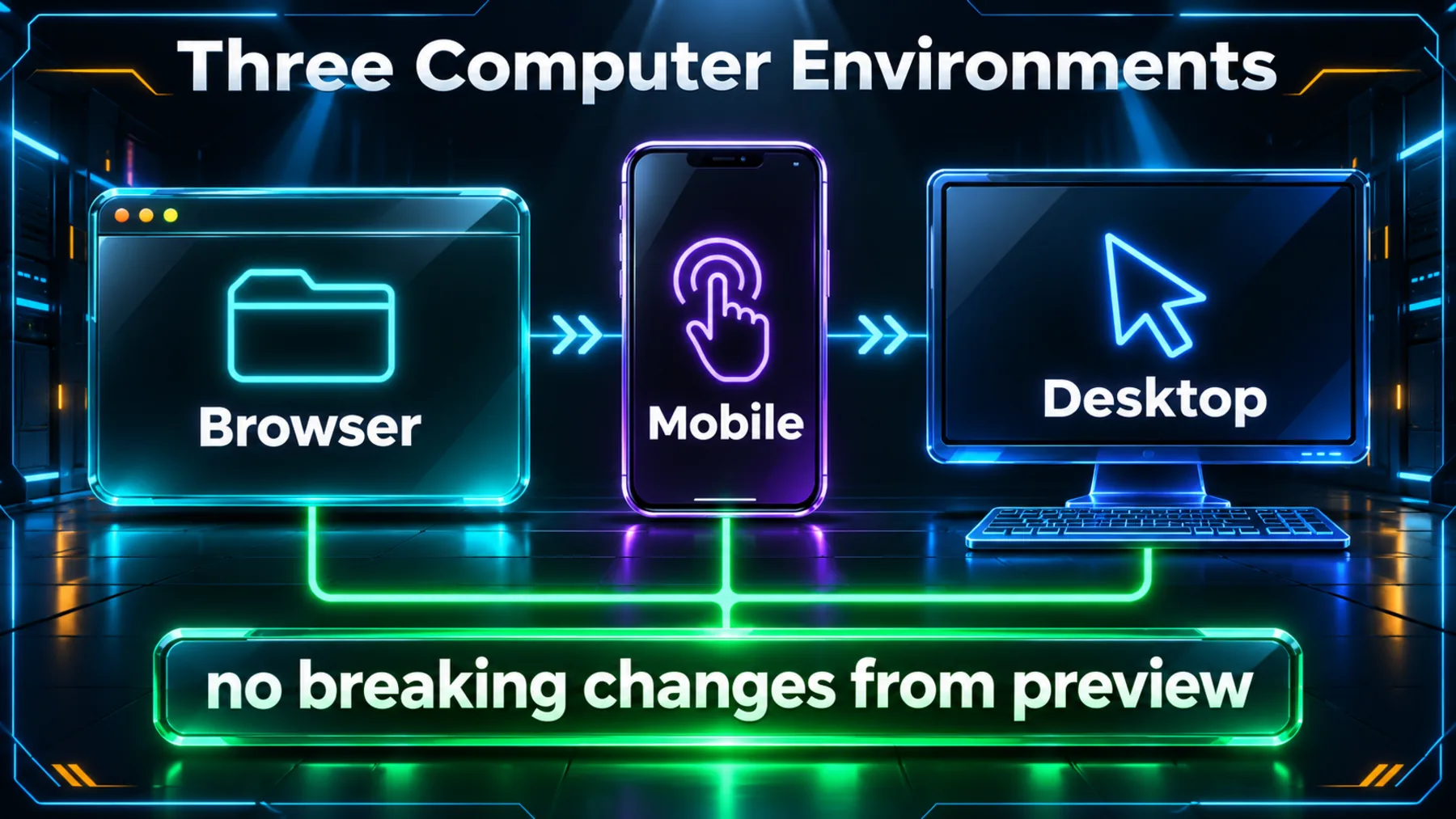
Generally available across three agent environments
The 4 November 2026 announcement names browser, mobile and desktop agents.
Google AI Studio announced general availability on 4 November 2026. Gemini API computer use brings production-ready stability to browser, mobile and desktop agents, with no breaking changes from preview.
The scope is broader than a browser-only description would suggest: mobile and desktop agents are named too. The announcement centres on the computer-use tool’s release maturity, rather than a new model.
The release change in Google’s own words
Google AI Studio opens with a direct statement of general availability.
The opening line of [Google AI Studio’s announcement](https://x.com/GoogleAIStudio/status/2118025709146829218) establishes the change plainly. It names the computer-use tool in the Gemini API and confirms that it is now generally available.
The next line makes continuity explicit
No breaking changes from preview accompanies the move to production-ready stability.
Google’s next line joins the release milestone to its practical scope: production-ready stability for browser, mobile and desktop agents. The wording also keeps the comparison precise—no breaking changes from preview.
Together, the two lines give us the substance of the update: the tool leaves preview while retaining continuity with that release.
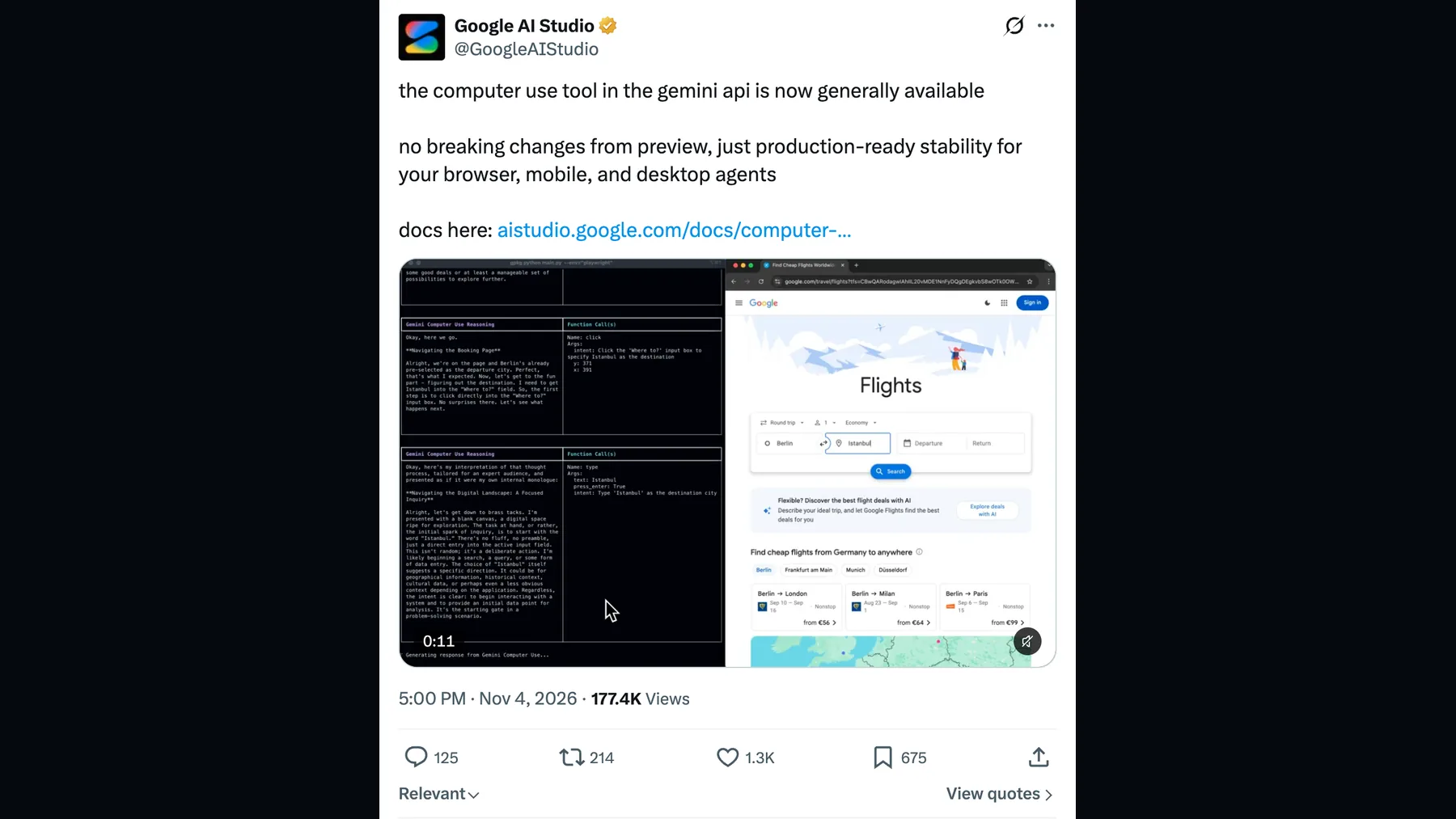
Keep the computer-use tool at the centre
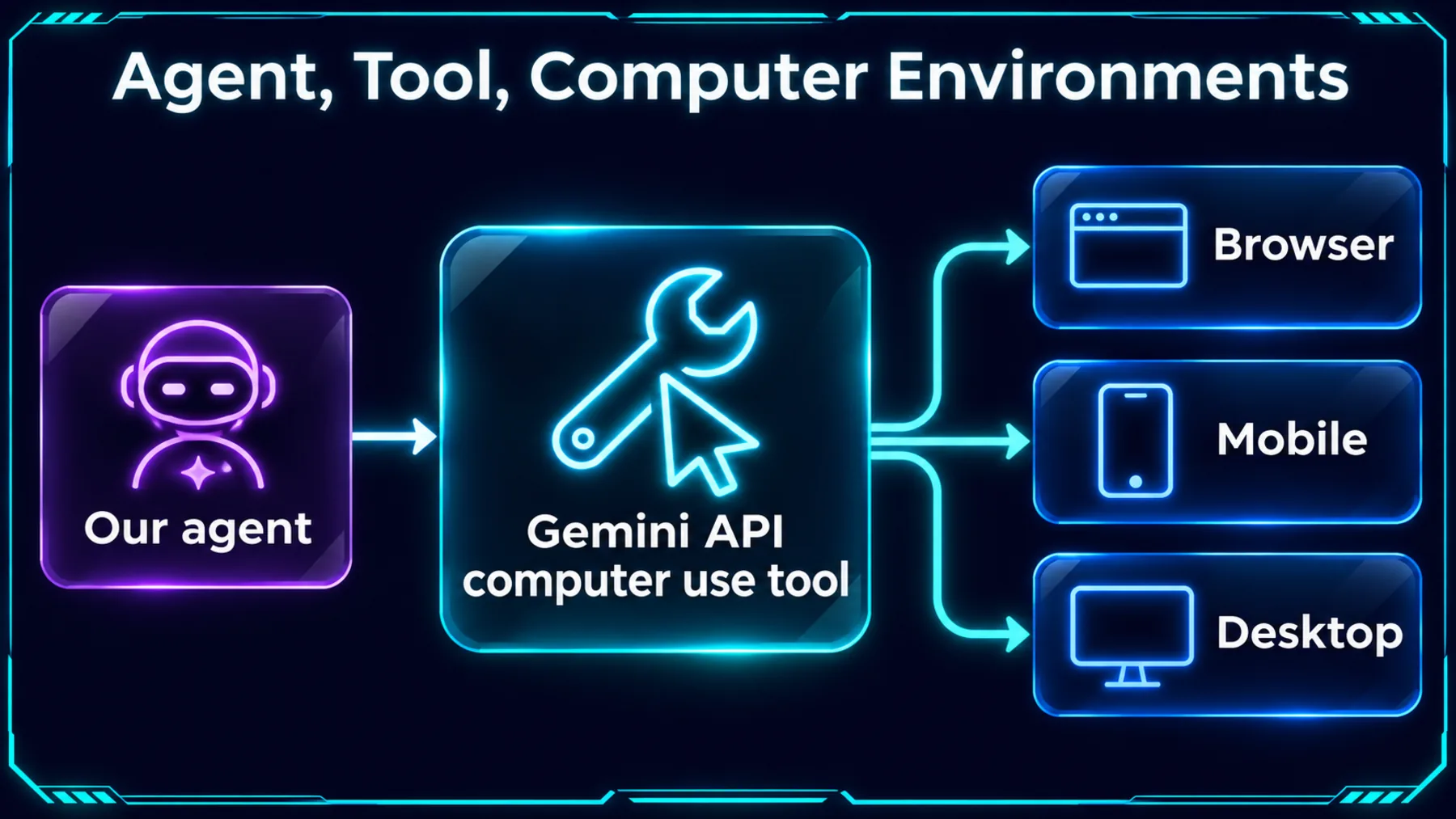
Think of our agent, the Gemini API computer-use tool and the environments in which the agent works.
A useful way to picture the relationship is to start with our agent and its need to interact with a computer. Gemini API computer use is the tool in that picture; browser, mobile and desktop are the environments named in the announcement.
That keeps the focus on computer interaction rather than conversation alone. It also explains why the move out of preview matters to this particular kind of agent.
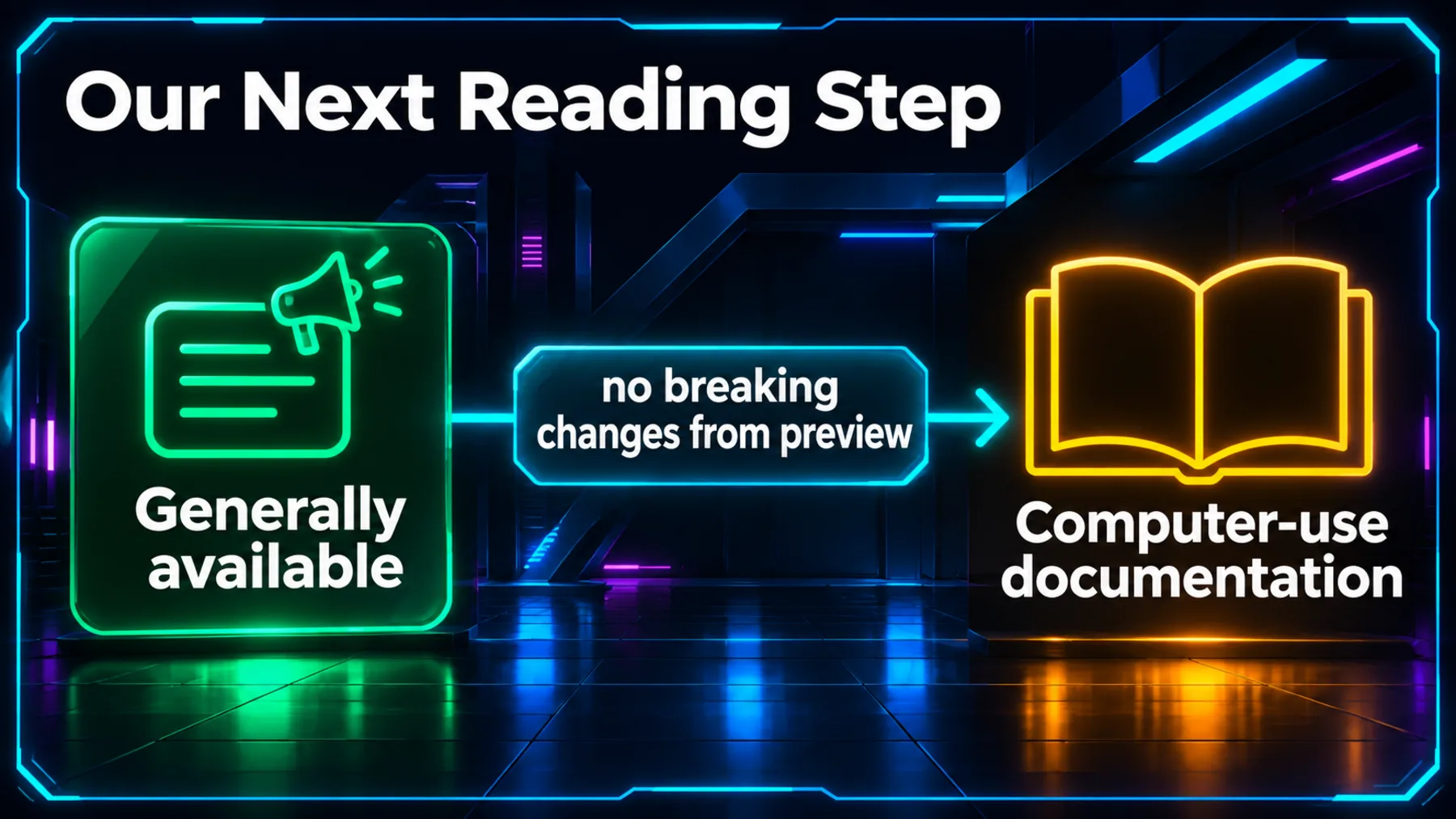
From the announcement to the documentation
We have the release change and its preview comparator; the linked documentation is the next place to go.
We can take two points into our next look at the tool: it is generally available, and there are no breaking changes from preview.
Google’s post also links to the [computer-use documentation](https://aistudio.google.com/docs/computer-use). That gives us a direct route from the release announcement to the documentation.
The same tool, beyond preview
General availability is the change to remember, alongside continuity from preview.
Gemini API computer use has reached general availability with production-ready stability for browser, mobile and desktop agents. No breaking changes from preview keeps the relationship to the earlier release clear.
We can carry that distinction into a short release brief: what changed, what stayed compatible and which environments are named.
no breaking changes from preview, just production-ready stability for your browser, mobile, and desktop agents
Google AI Studio · https://x.com/GoogleAIStudio/status/2118025709146829218
Turn the announcement into a release brief
Write a concise release brief in British English using only this Google AI Studio announcement, published on 4 November 2026: “the computer use tool in the gemini api is now generally available” “no breaking changes from preview, just production-ready stability for your browser, mobile, and desktop agents” Source: https://x.com/GoogleAIStudio/status/2118025709146829218 Linked documentation: https://aistudio.google.com/docs/computer-use Produce three short paragraphs under the headings “What changed”, “What stayed compatible” and “Which environments”. Explain the move from preview to general availability, preserve the exact wording “no breaking changes from preview”, and name browser, mobile and desktop agents. Include production-ready stability without turning it into a guarantee. Treat 4 November 2026 as the announcement date. Finish with the documentation link. Do not add facts, infer documentation contents or describe this as a new model or newly invented capability.Ready to copy
Take general availability into our next look
Gemini API computer use is generally available, with no breaking changes from preview. That is the update to keep in view as we consider browser, mobile and desktop agents.
Our next step: [open the computer-use documentation](https://aistudio.google.com/docs/computer-use).
Try the promptWhat we’ll follow
- Further computer-use release announcements.
- Future compatibility notes, measured against the current no-breaking-changes-from-preview statement.
- Updates concerning browser, mobile and desktop agents.