Gemini 4 Argon turns 80,000 archive files into one Slides deck
CSVs, images, PDFs, web articles, XML logs and raw videos from NASA’s open archives become a Google Slides presentation shaped by strict design guidelines.
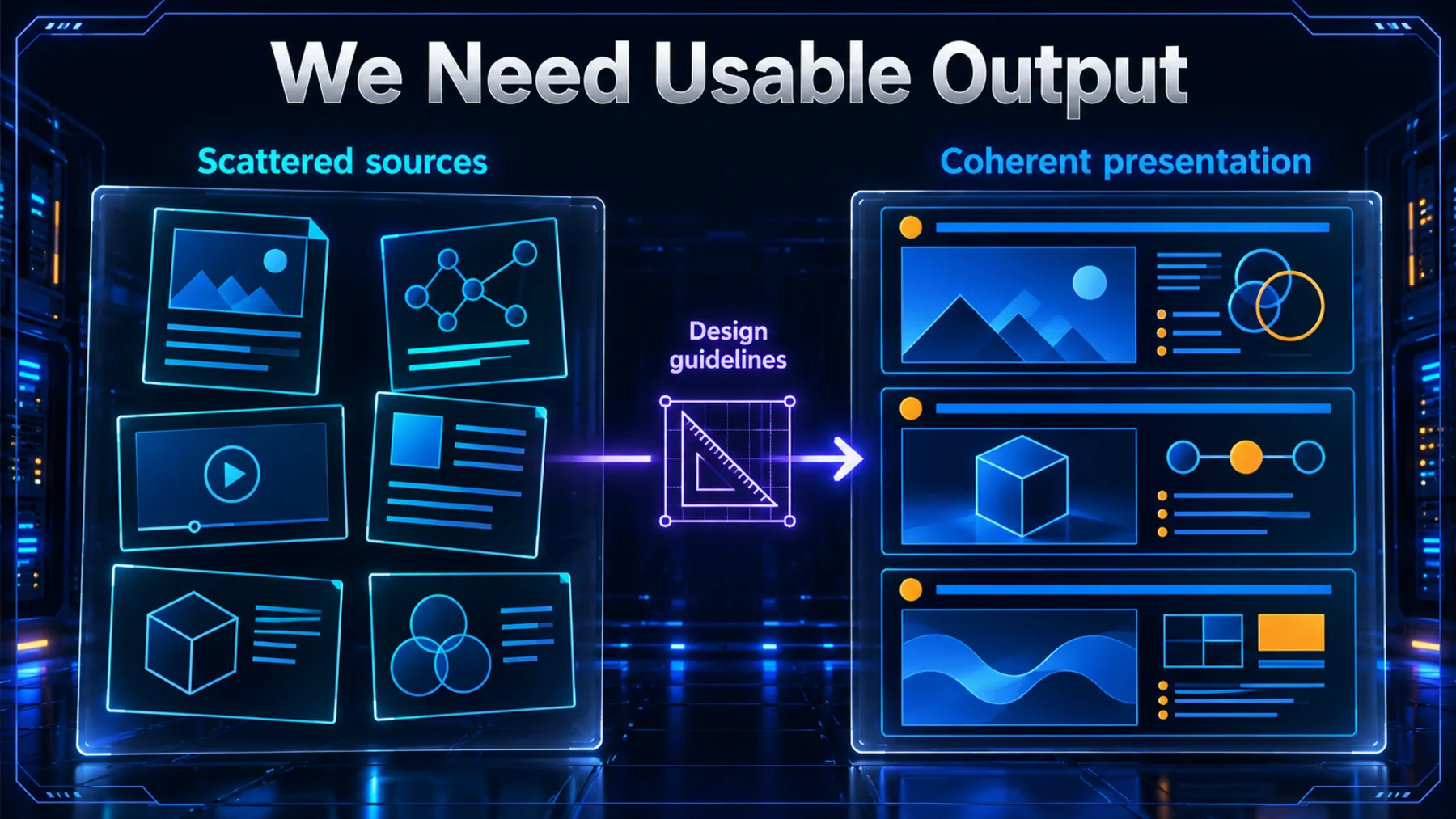
We can have a folder full of useful material and still be a long way from having a presentation. The files differ in format, the information needs a structure, and the finished deck has to follow a design brief.
Gemini 4 Argon processed 80,000 files from NASA’s open archives to build a Google Slides deck. That puts a concrete output at the centre of the story: archive material becomes a presentation, with strict design guidelines shaping the result.
We need a presentation, not another pile of summaries
The task is to give mixed material a coherent shape we can use.
We might understand each document separately and still struggle to explain the whole. A presentation needs a sequence, a clear emphasis and a visual treatment that holds together from slide to slide.
The design guidelines matter for that reason. They make the intended result part of the task from the start. In Google’s archive example, processing the files serves a specific destination: a Google Slides deck.
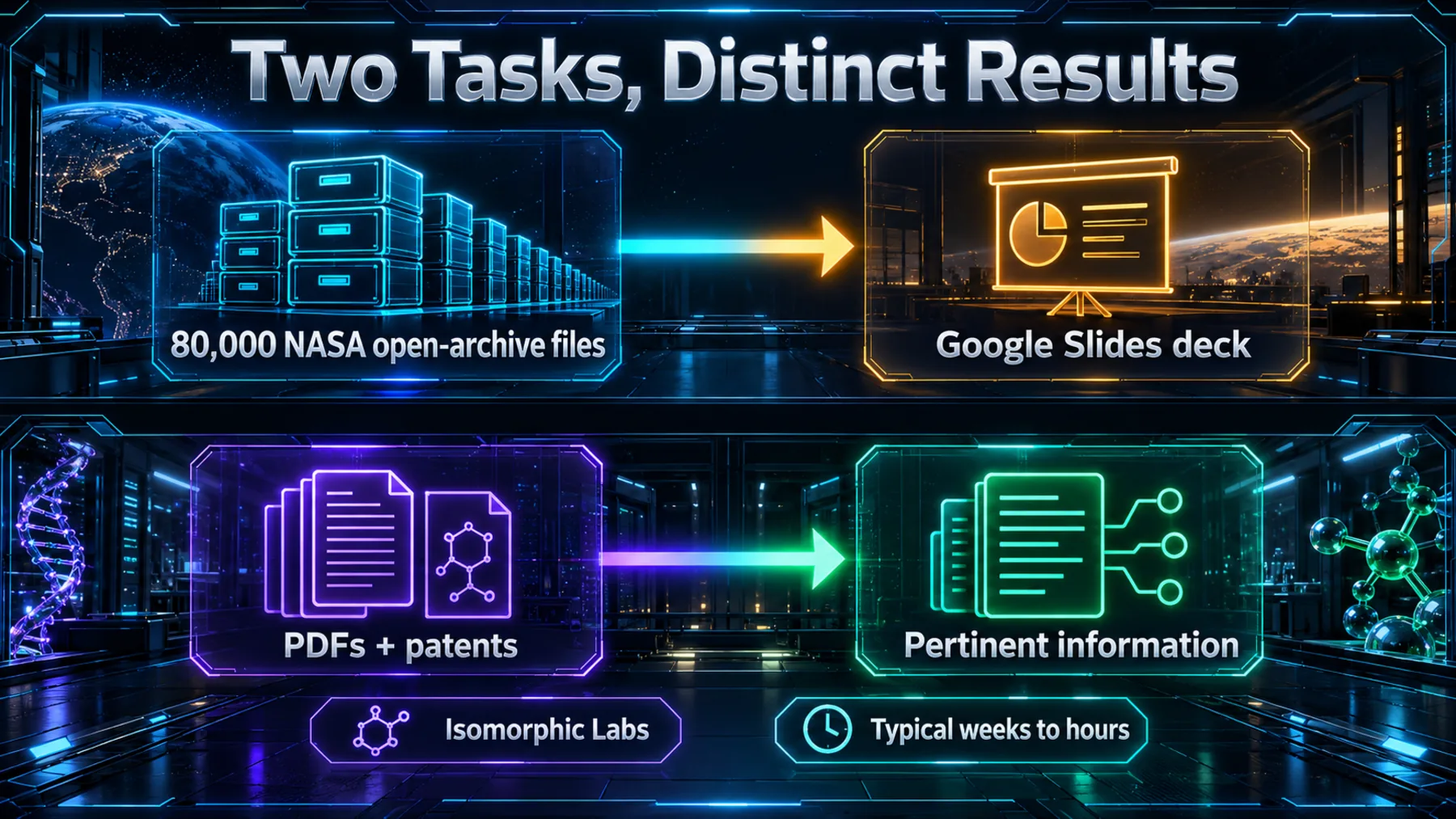
80,000 files become slides. Research documents yield pertinent information.
The archive example establishes scale and format range; Isomorphic Labs supplies the separate weeks-to-hours synthesis comparison.
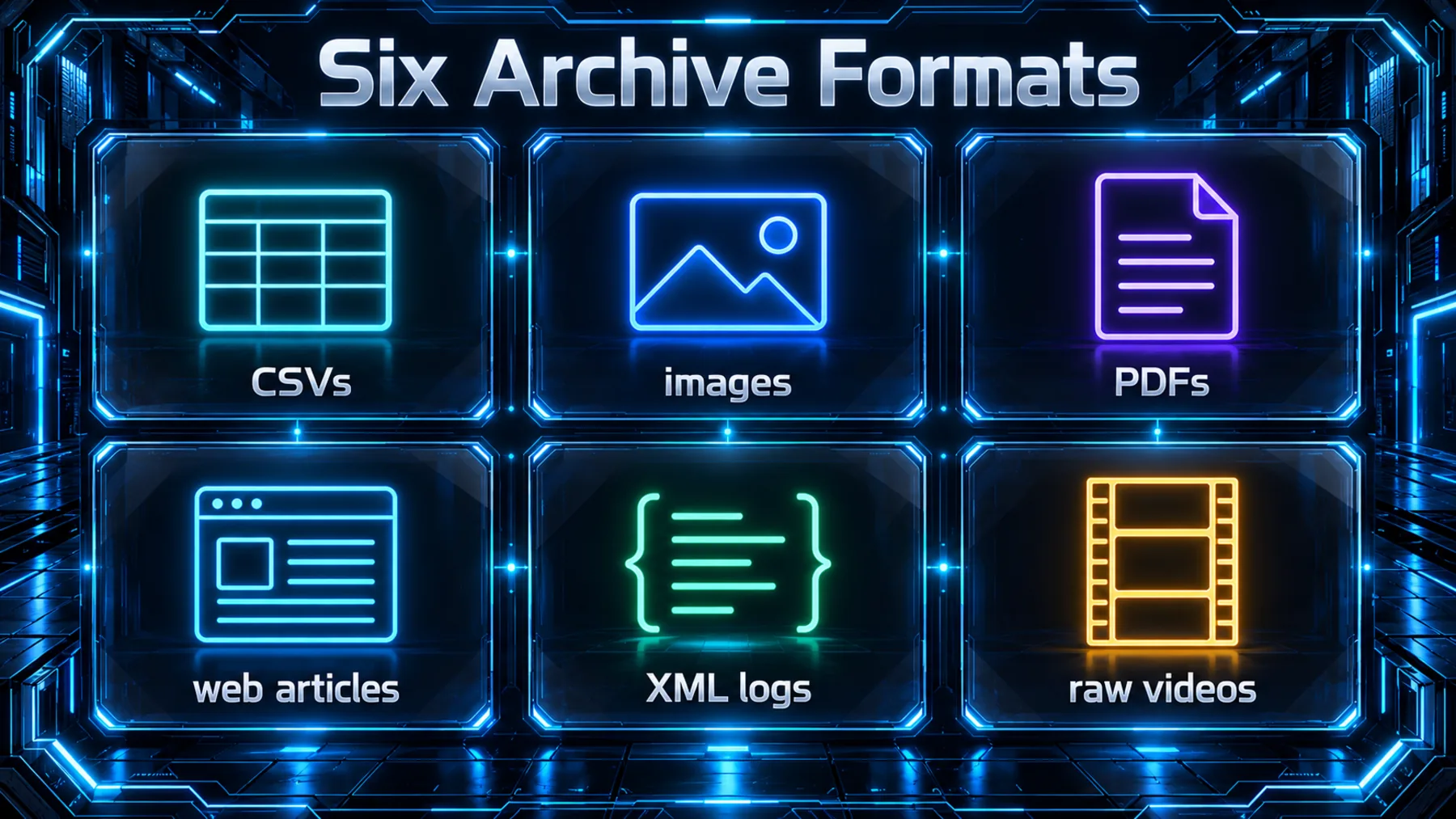
The NASA open-archive example spans six formats: CSVs, images, PDFs, web articles, XML logs and raw videos. Argon processed 80,000 files to build the deck around strict design guidelines.
At Isomorphic Labs, the material and destination are different. Argon synthesises complex PDFs and patents to extract pertinent information for drug-discovery and design research. That synthesis process falls from typical weeks to hours.
These are two distinct outputs. One is a presentation assembled from archive material; the other is pertinent information drawn from research documents.
The deck follows a design brief
Google’s description connects the 80,000-file archive directly to a Google Slides deck and strict design guidelines.
The wording joins the input scale to the finished work. Argon processed files from NASA’s open archives to build a presentation, with the design requirements already specified.
That final detail gives the example its practical shape. We are looking at a task with a defined output and constraints, rather than an open-ended request to summarise an archive.
Gemini 4 Argon can turn messy data into clean, visual narratives in just minutes
Google · https://x.com/Google/status/2110791397573845265 · paragraph 1
Document synthesis moves from typical weeks to hours
Argon extracts pertinent information from complex PDFs and patents for drug-discovery and design research.
Research brings a different version of the information problem. At Isomorphic Labs, Argon synthesises complex PDFs and patents so researchers can obtain pertinent information.
The time comparison applies to that synthesis process: work that typically takes weeks is reduced to hours. The output here is information supporting drug-discovery and design research, rather than a completed discovery.

Files plus design guidelines become a deck
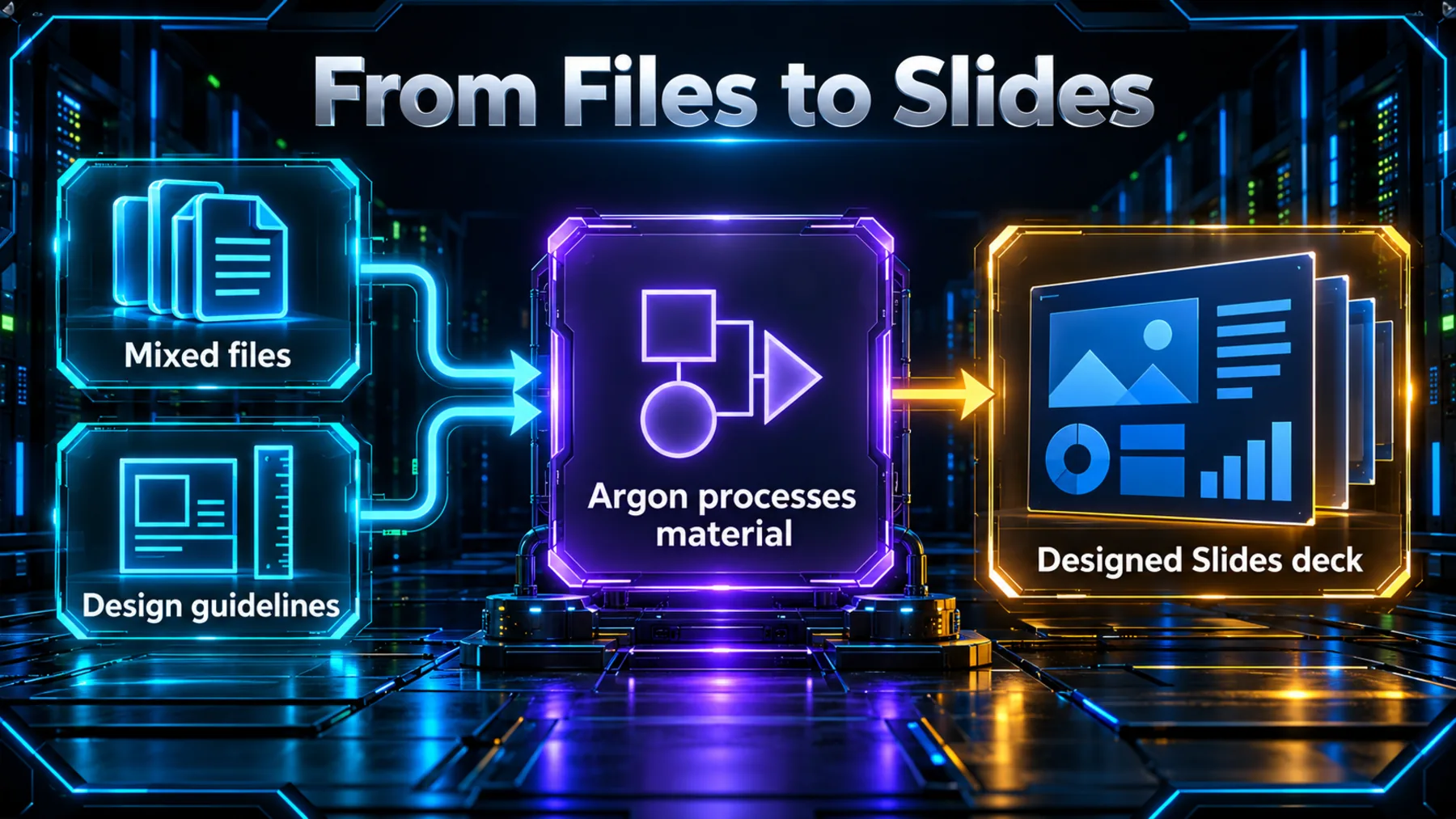
The archive example gives us a plain sequence: mixed material, an output brief and a designed presentation.
The visible task begins with mixed archive files and strict design guidelines. Argon processes that material to build a Google Slides deck. The guidelines describe the required form of the work alongside the source material it must draw on.
The research example has a different destination: pertinent information extracted from PDFs and patents. Keeping that destination explicit helps us understand what each task is meant to produce.
Decide what we need before gathering more files
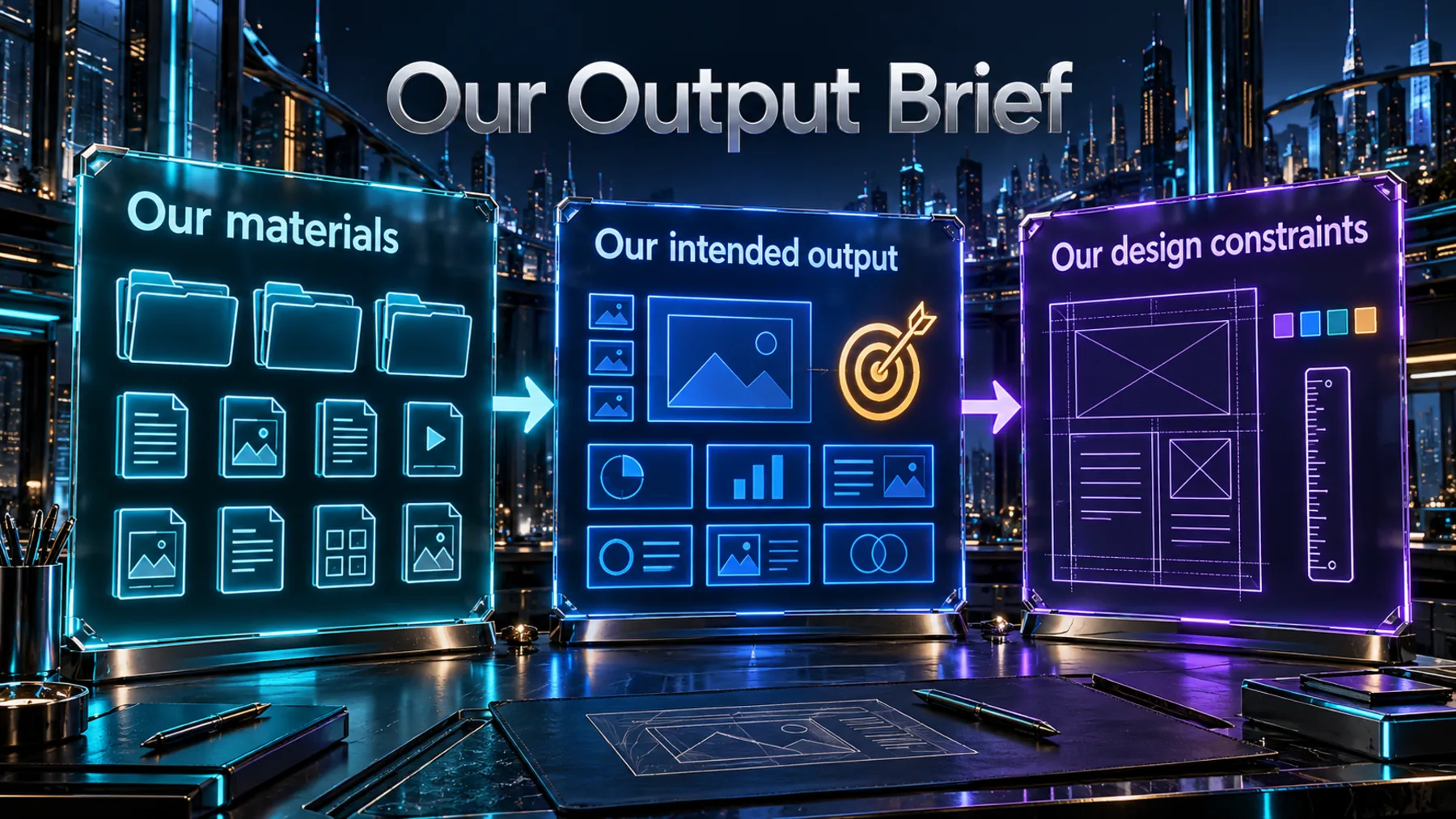
A useful brief names our material, the intended output and the constraints that shape it.
For our own work, the first question is what we need to have at the end. A presentation calls for a different brief from a research synthesis, even when both begin with a large collection of documents.
We can describe the material we have, specify the output and set the constraints that matter. For a deck, those might include its purpose, length and visual style. For a synthesis, we can define the question and the information we need to extract.
That preparation gives us a clearer task to bring to a tool. Access terms, pricing and detailed product limits are separate questions to follow as Google provides more detail.
Brief the output as carefully as the input
The deck and research examples both begin to make sense once the destination is clear.
The archive’s size catches our attention, but the designed deck gives the example its purpose. At Isomorphic Labs, pertinent information is the useful output, and document synthesis is the process reduced from typical weeks to hours.
We can carry that distinction into a better brief. The prompt below uses these two examples to produce a six-slide storyboard, with the materials, intended output and design constraints specified in advance.
A folder tells us what we have. The brief needs to say what we want to make from it.
Altior editorial
Turn the Argon examples into a presentation brief
Create a six-slide presentation brief in British English explaining Gemini 4 Argon's two examples below. Produce an actual slide-by-slide storyboard, not a checklist or advice about writing one. Source material: 1. Google: https://x.com/Google/status/2110791397573845265 — Gemini 4 Argon processed 80,000 files from NASA's open archives, comprising CSVs, images, PDFs, web articles, XML logs and raw videos, to build a Google Slides deck based on strict design guidelines. Google's accompanying description refers to visual narratives in minutes, with no exact duration. 2. Google: https://x.com/Google/status/2110766445940572599 — At Isomorphic Labs, researchers use Gemini 4 Argon in drug-discovery and design research. It synthesises complex PDFs and patents to extract pertinent information, reducing a process that typically takes weeks into hours. Our intended output: a concise presentation for a business team deciding how to brief work that starts with mixed source material. Explain the archive-to-deck example, keep the research-synthesis example separate, then show how to specify an intended output and its design constraints. Design constraints: one main idea per slide; a headline of no more than ten words; no more than three short supporting sentences; legible, high-contrast visuals without small text. Use plain diagrams rather than invented product screens. Keep 80,000 attached to the NASA archive example and typical weeks to hours attached to document synthesis at Isomorphic Labs. Do not invent actual NASA slide contents, processing architecture, exact timings, prices, access terms or product limits. Do not imply NASA endorsement or completed drug discovery. For each slide, write its headline, finished supporting copy, suggested visual composition, relevant source URL and one sentence explaining its purpose. End with a single paragraph that states our materials, intended output and design constraints as a reusable project brief. Return the storyboard and that paragraph directly; do not claim to have created a Google Slides file.Ready to copy
Remember the deck and the research synthesis
Gemini 4 Argon turns 80,000 NASA open-archive files into a Google Slides deck. At Isomorphic Labs, it extracts pertinent information from research documents, reducing synthesis from typical weeks to hours.
Subscribe to Altior AI Advantage for more practical AI updates.
Try the promptWhat we’re watching next
- Access terms and detailed product limits.
- Pricing and the periods or usage measures it covers.
- Fuller demonstrations of the archive-to-deck and research-synthesis tasks.