Gemini 3.8 Flash splits Googles agent bet in two
Google DeepMind has announced a generalist Gemini model for software and agent work alongside a Cyber specialist it says can detect vulnerabilities and automate patching.
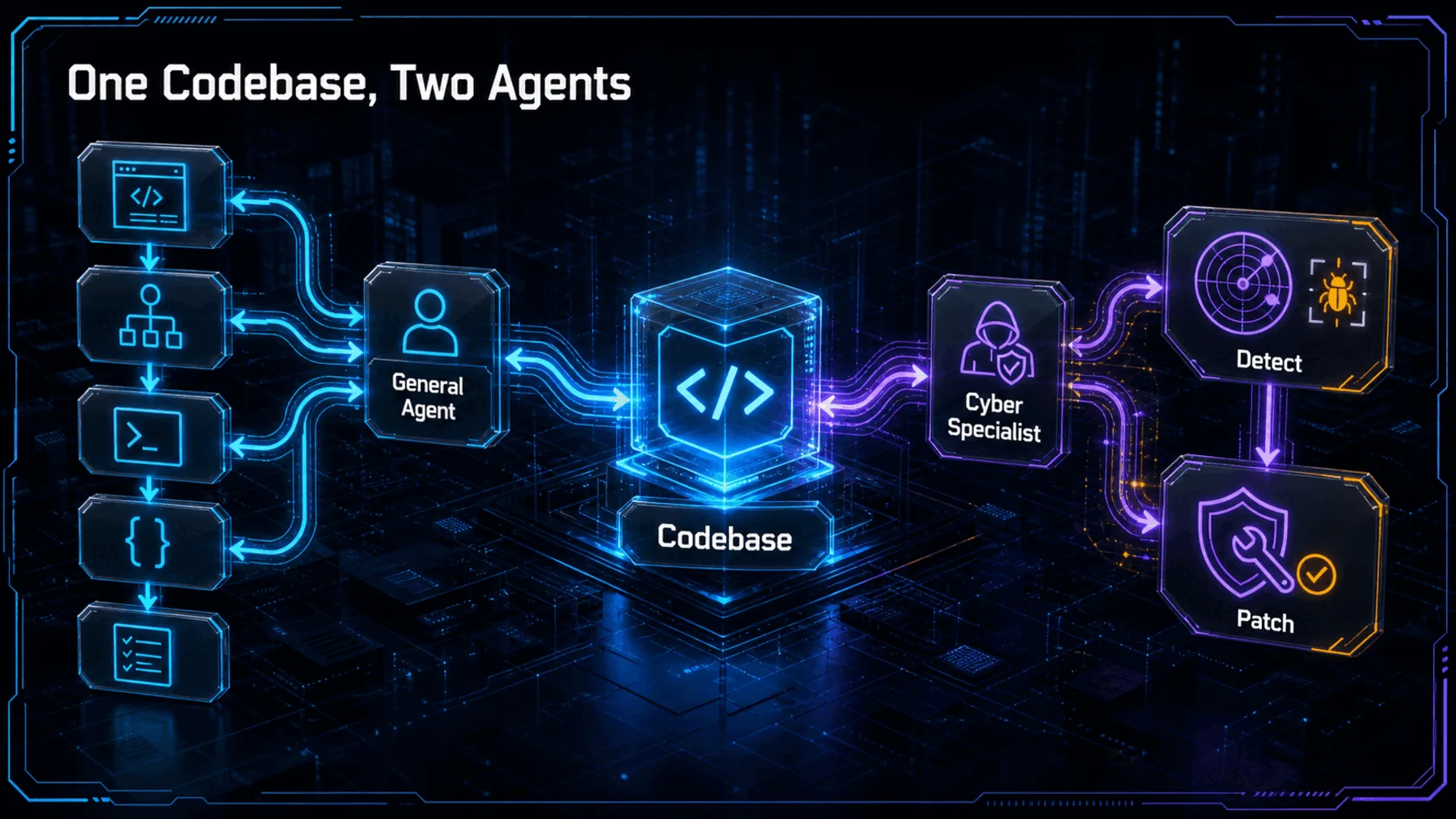
Google DeepMind says Gemini 3.8 Flash brings gains across software engineering, agentic tasks and multi-step reasoning. Alongside it, Flash Cyber is positioned for vulnerability detection and automated patching.
That pairing points at a harder question than whether an agent can complete a task: whether we can trust the work around security-sensitive code. The announcement names the roles, but does not yet show the proof needed to answer that question.
Code changes raise the proof bar
A model that can suggest or alter code needs more than a strong claim behind it.
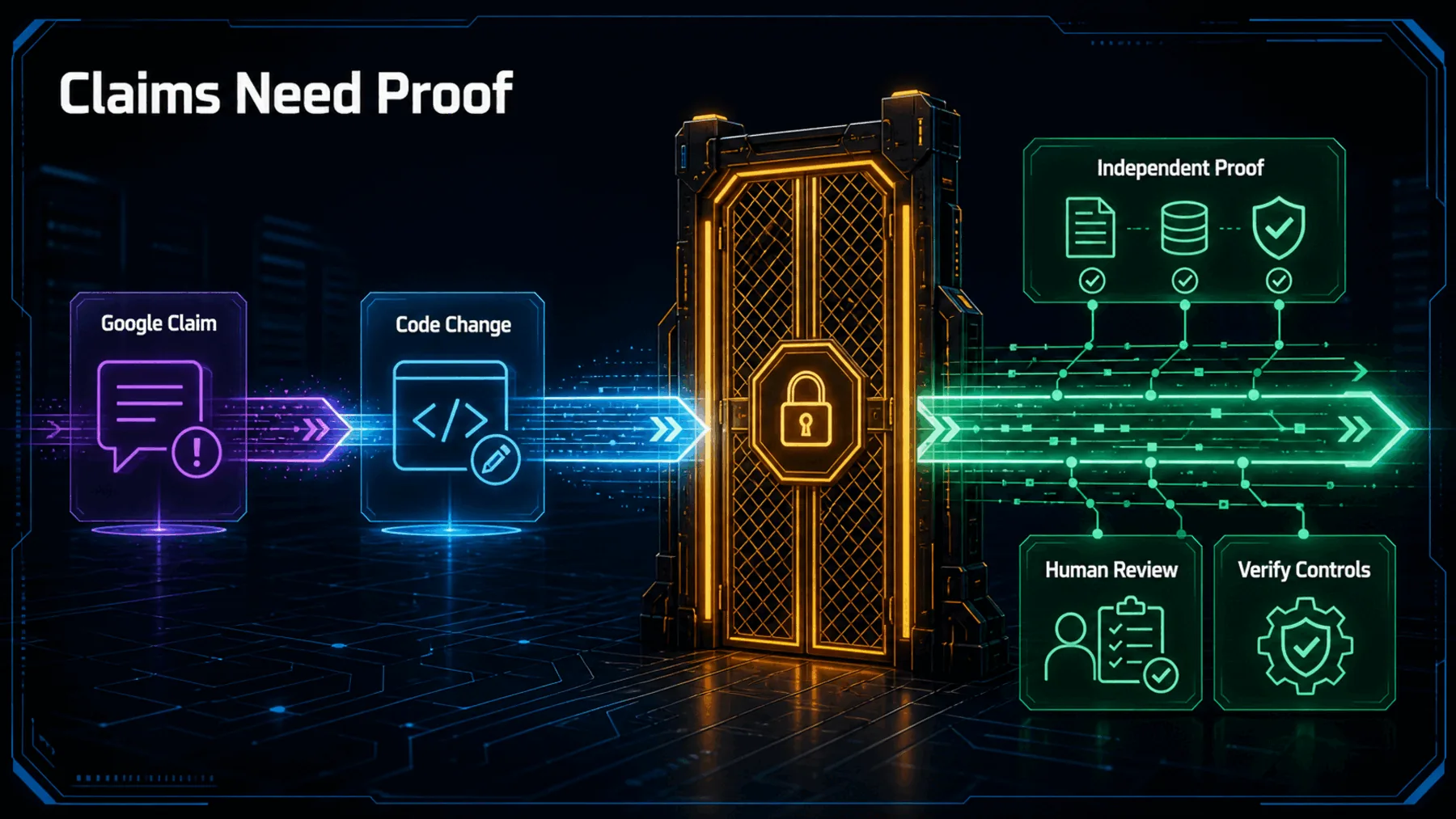
Finding an answer is one thing. Finding a flaw, proposing a patch and placing that patch near a live codebase is another. The possible consequence is higher, so the evidence standard has to rise with it.
Google DeepMind’s post gives us a product claim, not an independent demonstration. There are no approved benchmarks, safety results, access details or documented controls to close that gap.
Two models, two claimed jobs
One is framed as the broad worker; the other as the security specialist.
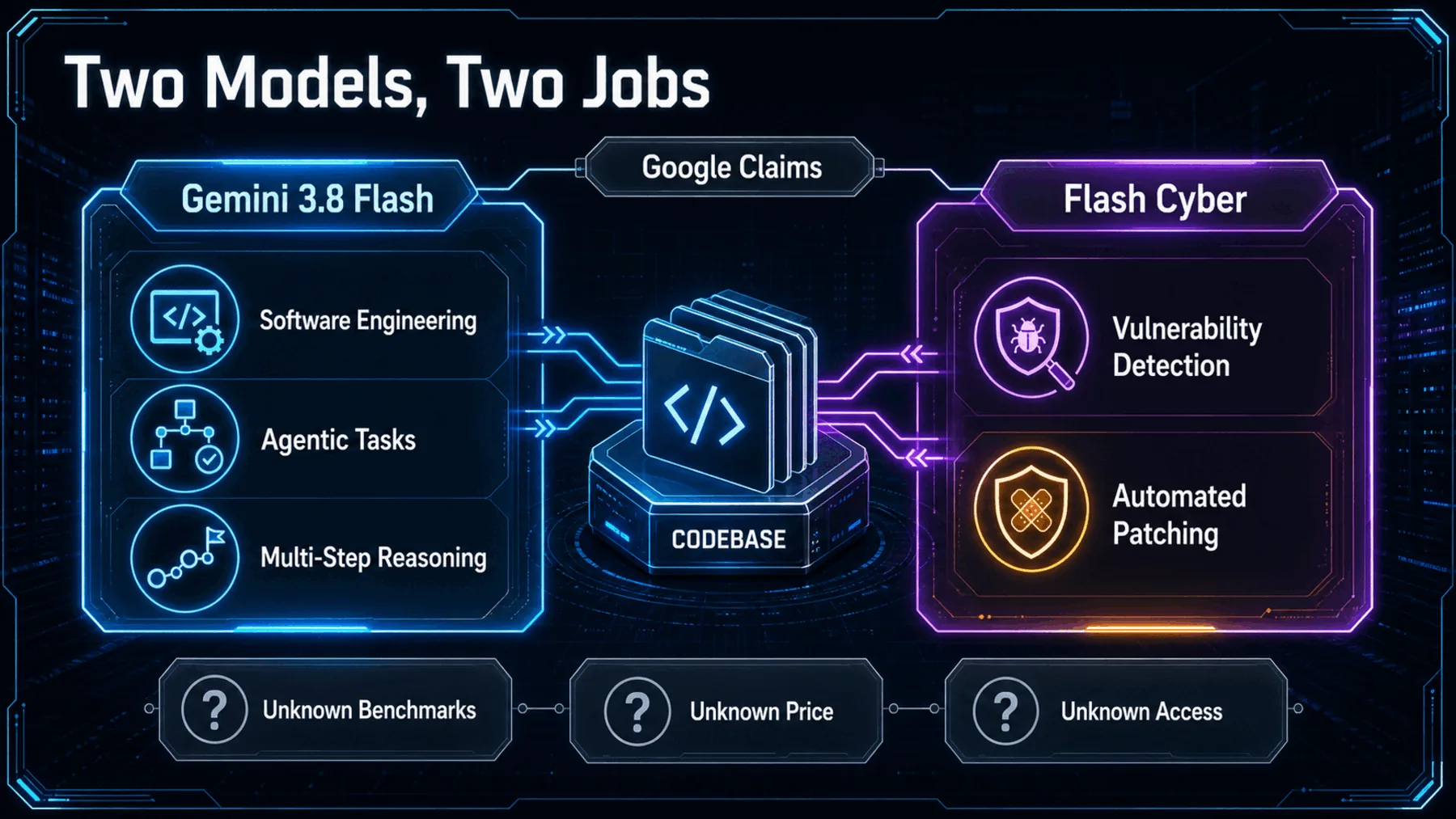
Google DeepMind calls Gemini 3.8 Flash its “most intelligent model yet”, citing gains from 3.7 Flash in software engineering, agentic tasks and multi-step reasoning. That is a broad brief: carry work forward across several steps and contribute to software tasks.
Flash Cyber has a narrower, more consequential brief. Google DeepMind says it offers “frontier-level vulnerability detection and automated patching”. Neither claim comes with the benchmarks, pricing, availability or release terms needed to judge how these roles work in practice.
What Google actually announced
The public evidence is concise, but its wording matters.
The announcement is explicit about the pairing: a general Gemini model for software and agent work, and a Cyber model for security work. It does not set out a product workflow, a deployment pattern or the controls that sit between a detected issue and a code change.
That distinction is worth keeping clean. A division of labour can be a useful design direction without becoming evidence that the system has already earned operational trust.
“3.8 Flash Cyber: our most capable cybersecurity model with frontier-level vulnerability detection and automated patching.”
Google DeepMind X post
The proof—and where it stops
The announcement gives us a claim to inspect, not a performance record to rely on.
The source supports a clear product position, and no more. It does not provide independent tests, benchmark figures, API terms, availability, regions, pricing, safety controls or a documented human-review process.
That restraint is not a minor footnote. Until those details exist, the announcement is useful for understanding Google DeepMind’s direction, not for concluding that automated patching is ready for unsupervised production use.
How the two roles could connect
The practical shape is conceivable, even though Google DeepMind has not documented the workflow.
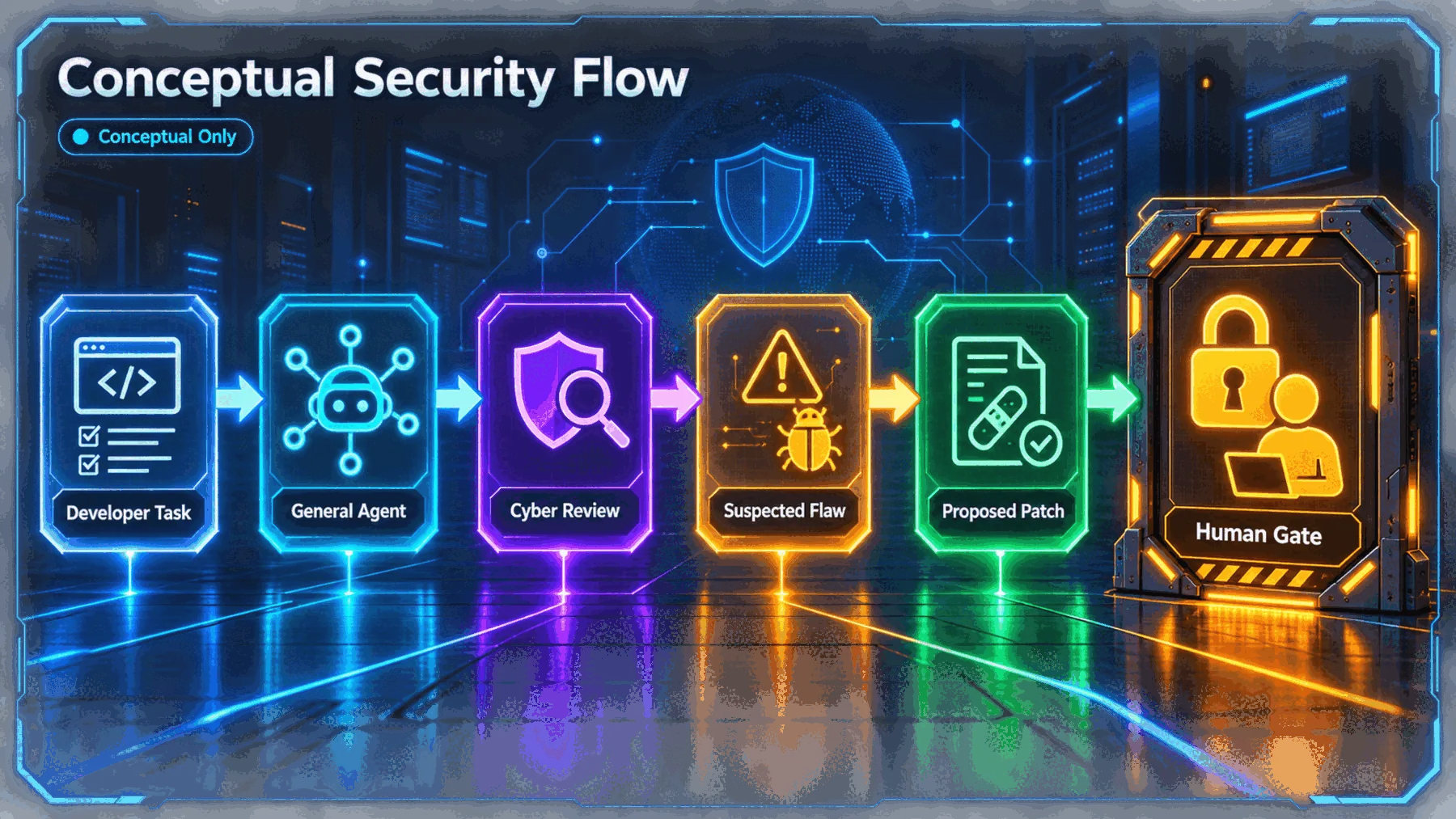
We can imagine a general agent taking a development task forward, then handing a change to a security-focused review. A suspected flaw could lead to a proposed patch—but the meaningful control is what happens next.
The approved source does not describe those steps or their safeguards. Any real workflow still needs clear evidence, review boundaries and a person accountable for the decision to merge or reject a change.
Claimed role
Google DeepMind assigns broad agent work and cyber work to separate models.
Unknown controls
The announcement does not document hand-offs, safeguards or approvals.
Human gate
A proposed patch still needs accountable review before it reaches production.
What we can test—and what we cannot
Start with the stated jobs, then demand evidence where the announcement is silent.
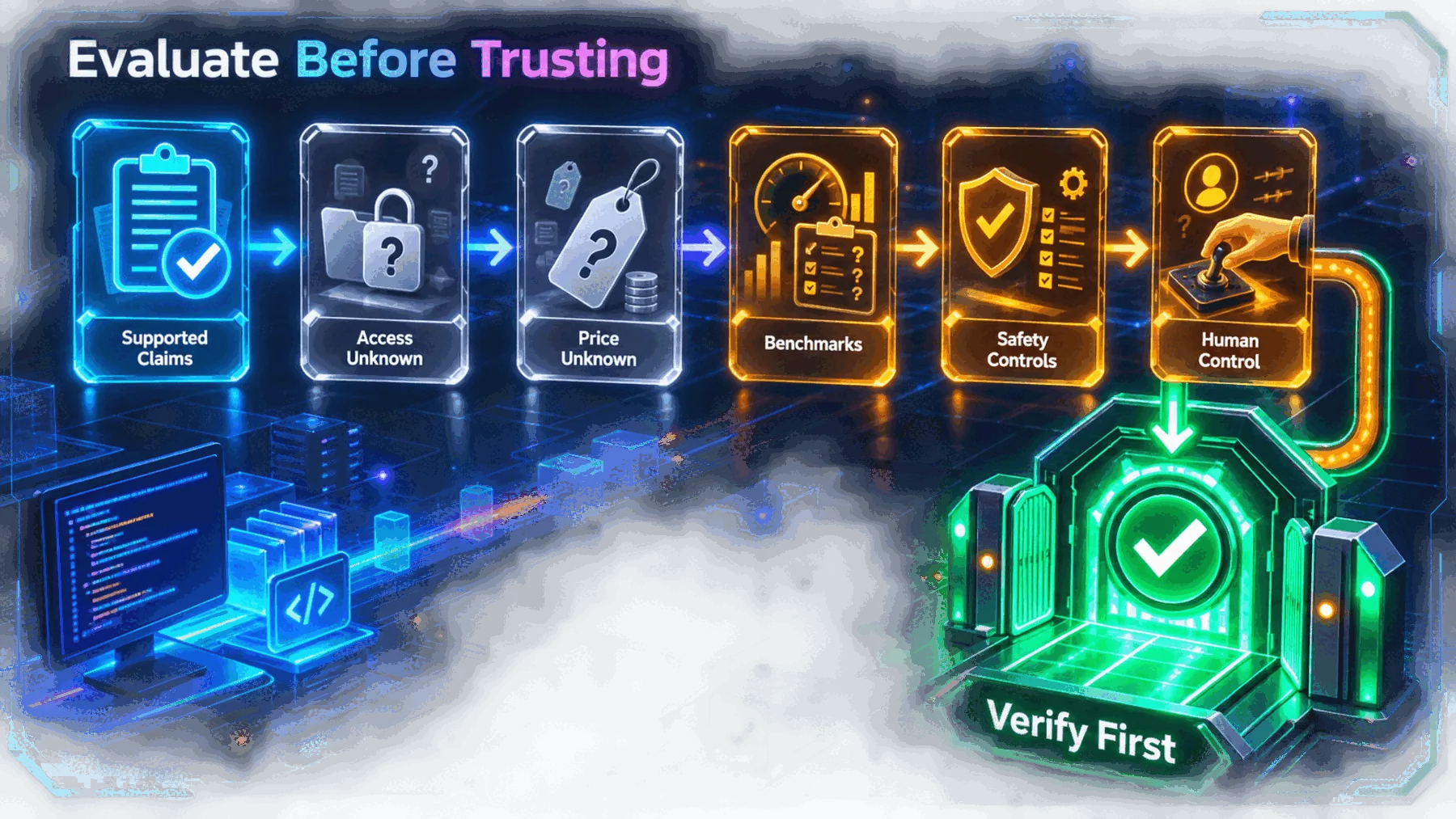
The first useful test is conceptual: does separating general software work from specialist security work produce a clearer review path for our code? That is a reasonable question raised by the announcement, not an answer supplied by it.
The next questions are harder and remain open. We need independent benchmarks, practical access terms, safety controls and proof that human review remains meaningful when the system proposes a patch.
Stated jobs
Google DeepMind names general software and agent work alongside cyber detection and patching.
Missing terms
Access, pricing, API terms and availability are not in the approved source.
Needed proof
Independent tests and clear human controls would change the practical assessment.
The agent stack is starting to specialise
The announcement suggests complementary roles, while leaving the operational case unproven.
The interesting shift is not one agent doing everything. It is whether complementary agents can make higher-stakes code work more accountable.
Altior analysis of the Google DeepMind announcement
Google DeepMind’s pairing makes a sensible distinction: broad agent work and specialised security work should not be treated as identical jobs. That is the strongest idea in the announcement.
The weaker leap would be to treat a stated division of labour as proof of a reliable system. We should keep the two separate until independent evidence shows how capability, controls and human judgement hold together.
Test the two-role code-review hypothesis
Act as a senior engineer and security reviewer. Given a small code change, first produce the implementation plan, then list the security checks a specialist should perform. Separate facts from assumptions, flag any proposed patch requiring human approval, and return a concise review table with risk, evidence needed, and next action.Ready to copy
Watch the evidence, not the label
Treat the announcement as a signal of direction. Before we rely on automated patching, look for independent tests, clear access terms and evidence of meaningful human control.
Try the promptWhat could change the assessment
- Independent benchmarks
- Access and pricing
- Safety controls
- Operational evidence