Clone a Voice. Direct the Performance.
Fish Audio says S2.1 Pro can work from five seconds of speech and alter how individual words feel, sound and move.
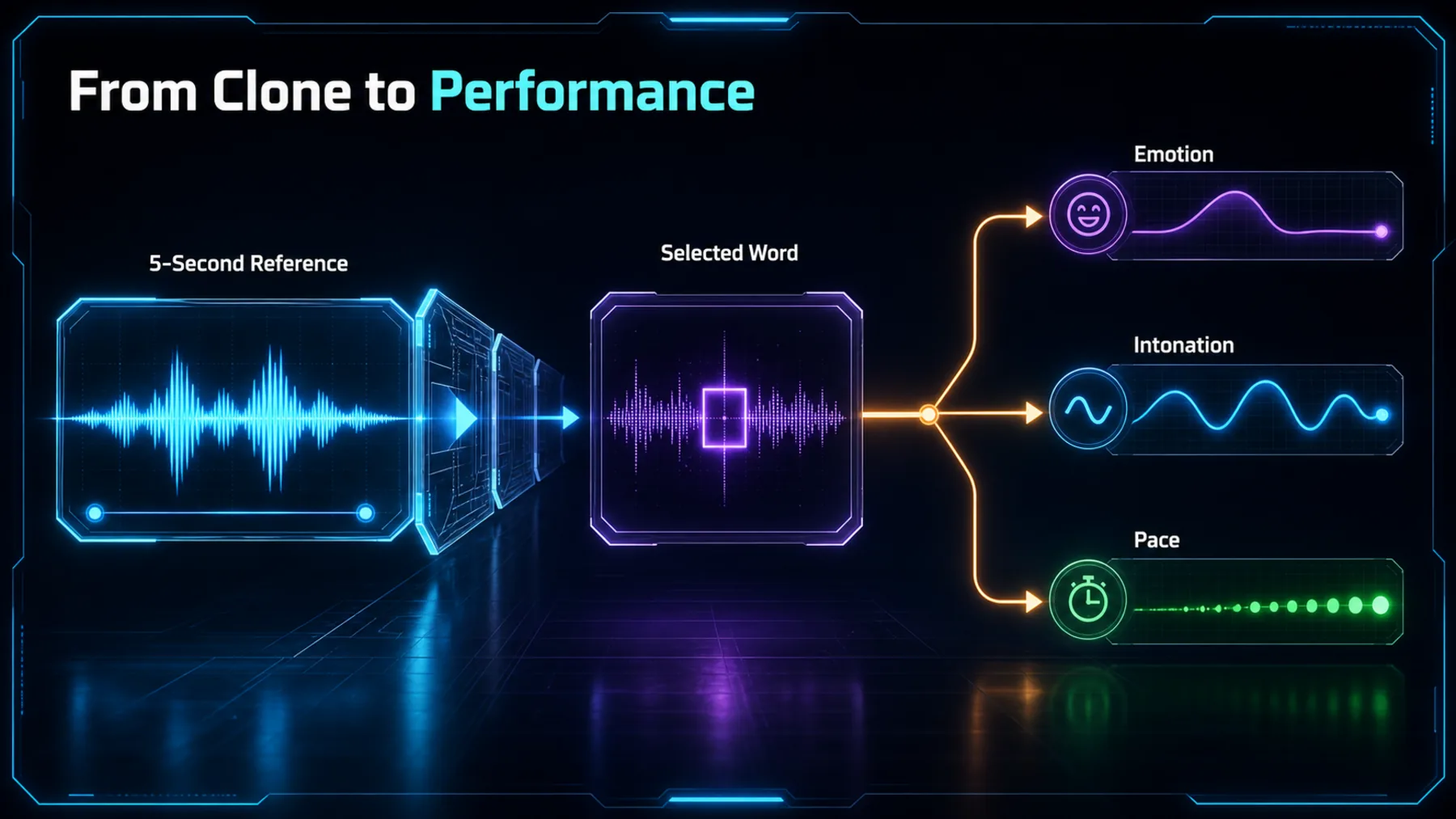
Five seconds is a strikingly small starting point for a voice clone. The more consequential claim, though, is what comes after: Fish Audio says S2.1 Pro gives us word-level control over emotion, intonation and pacing.
That shifts the idea from generating a voice to directing a performance. The approved evidence establishes the announcement, not whether the control is reliable, faithful or safe in practice.
The Control Surface Changes
The claim is not simply a new voice; it is a new place to make a correction.
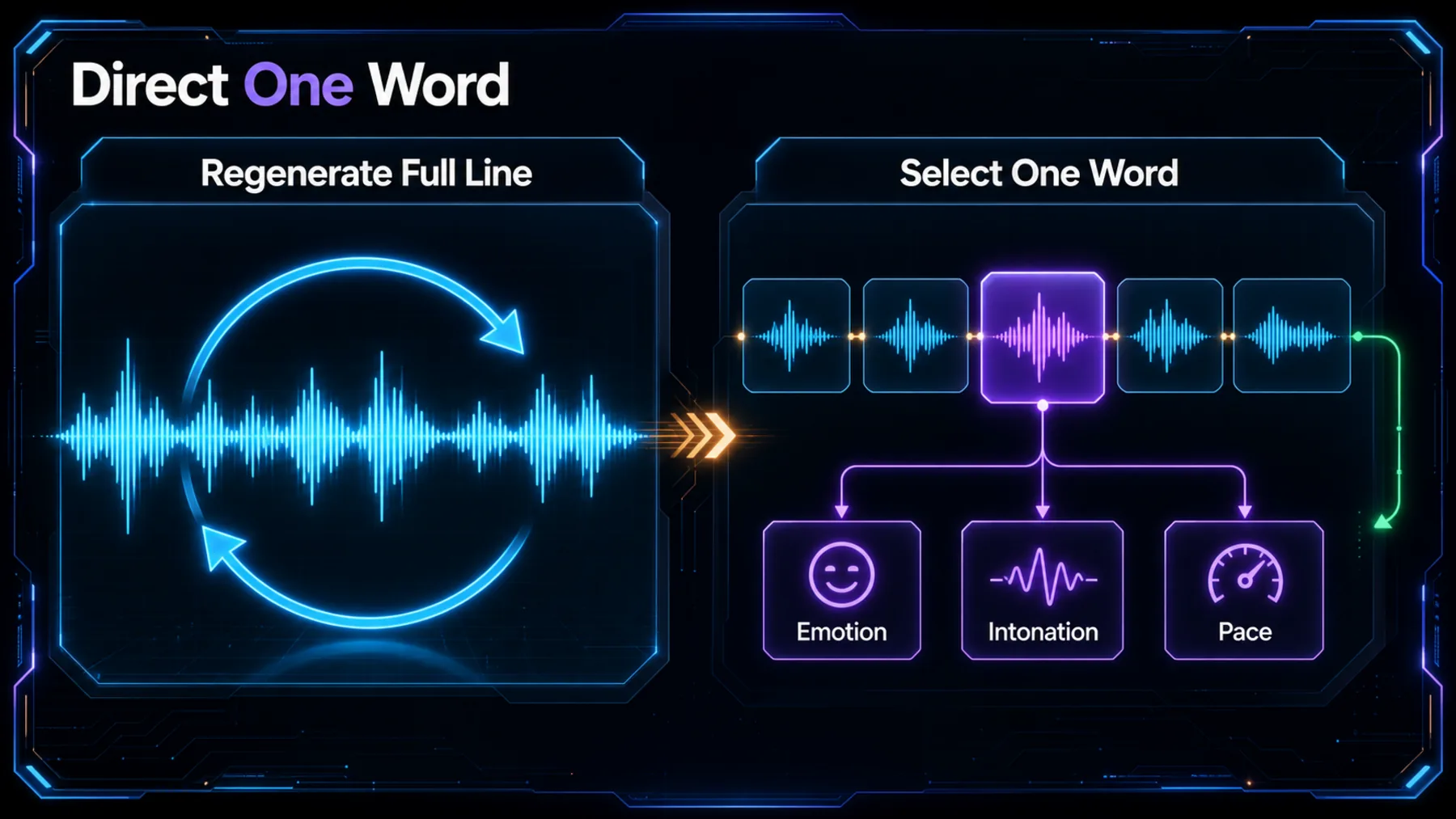
For a creator or voice-app team, the practical appeal is easy to see. If one word lands flat, the claimed workflow is to adjust that word rather than throw away the whole take.
That is a useful product direction, but it remains a direction described by Fish Audio. We have no approved benchmark, fidelity study or independent comparison to show how consistently the control holds up.
What Was Actually Announced
A public launch and a set of capability claims are not the same thing as a complete evidence base.
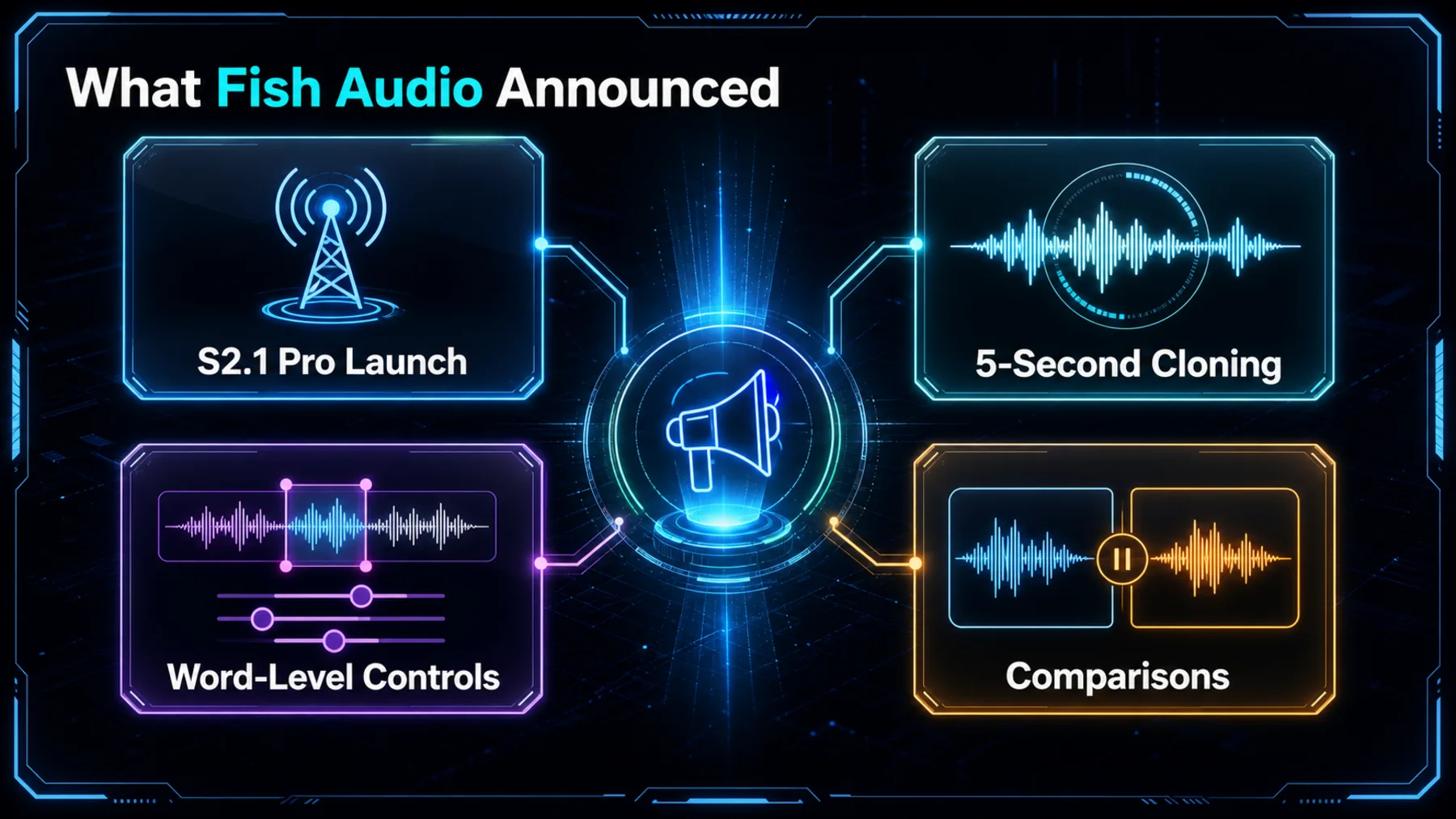
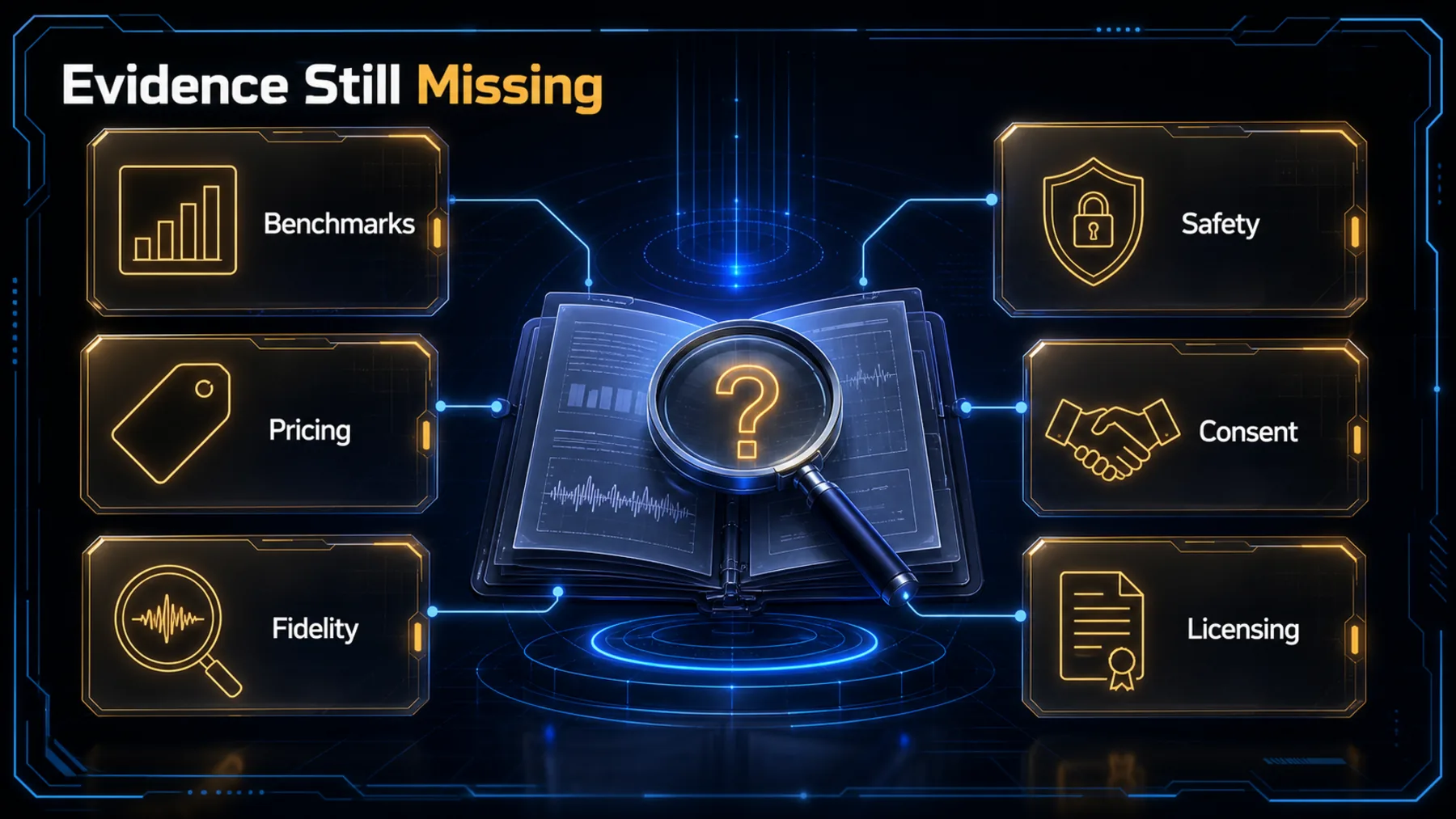
Fish Audio’s post also makes claims about speed, cost, production use, funding and ARR. Those may matter commercially, but the supplied source does not provide the method, pricing basis or independent corroboration needed to treat them as settled facts.
The clean reading is narrower: S2.1 Pro has been publicly announced, and Fish Audio is presenting word-level performance direction as its central capability.
Fish Audio’s Launch Claim
The official post establishes the announcement and the language Fish Audio chose to make its case.

The approved evidence set is one Fish Audio X thread and its attached media. That is enough to establish what Fish Audio announced, but not enough to verify the broader performance and commercial claims made alongside it.
Keeping that distinction visible matters here. A launch post can describe an ambition clearly without answering every question required to judge it.
Today we’ve raised $52M Seed and we are announcing the public launch of S2.1 Pro.
Fish Audio, public X post
What the Post Actually Shows
The strongest supported point is the language of the launch, not an independently tested result.
The post gives us a clear proposition: start with a short voice sample, then shape selected words. It does not show a benchmark protocol, measured fidelity, latency definition or evaluation across different voices and conditions.
Nor does the supplied material establish safety controls, consent mechanisms, licensing terms, general availability or pricing. Those are not minor footnotes for voice cloning; they are part of the value test.
A Four-Step Performance Flow
The announced workflow can be understood without assuming anything about the underlying architecture.
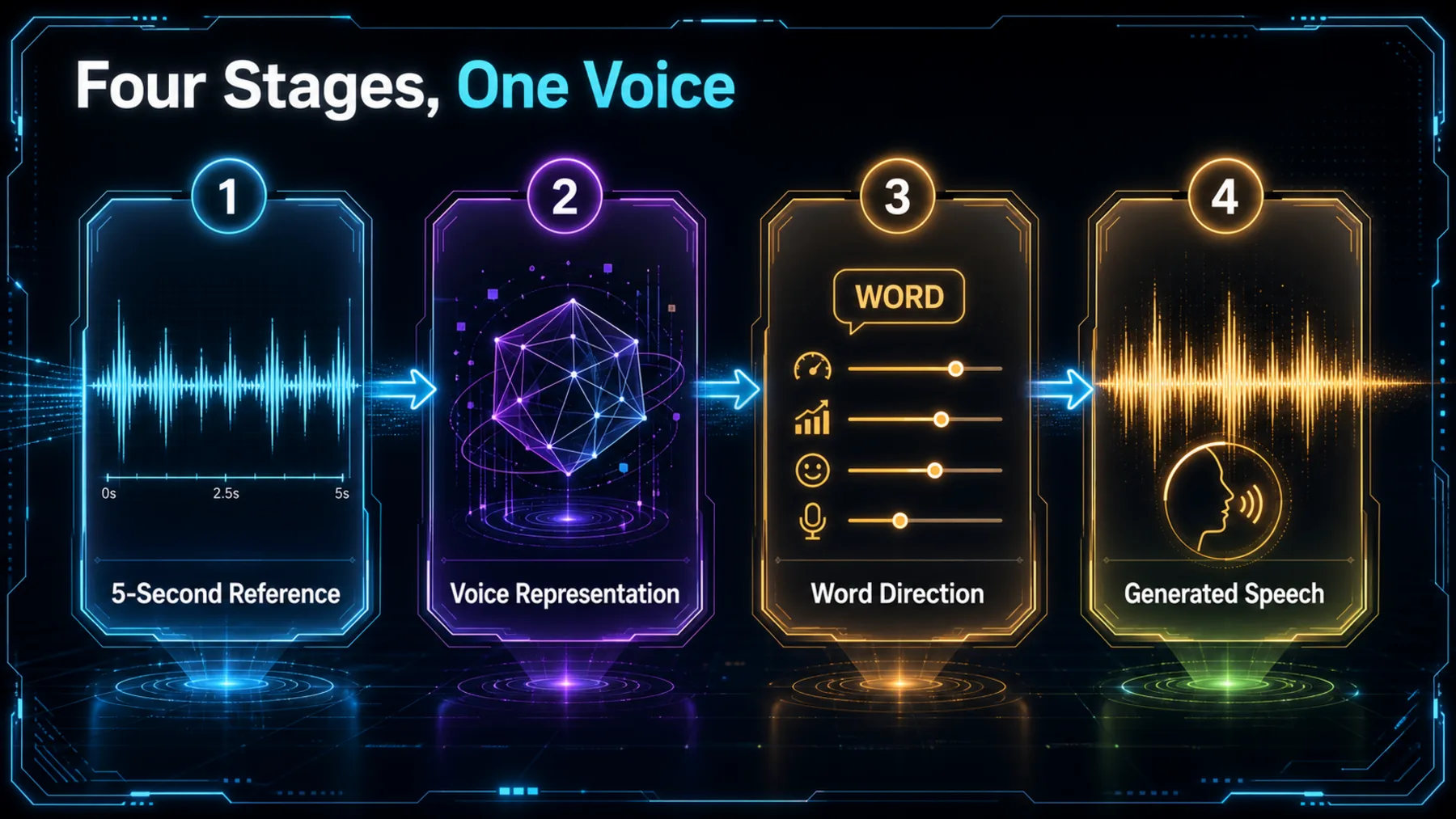
Fish Audio has not disclosed the technical path between the reference audio and the finished output in the approved material. We should not fill that gap with an architecture story.
What the announcement does support is a simple workflow claim: a short reference creates the starting point, and word-level adjustments are intended to influence the generated performance.
How We Would Test It
A useful trial would focus on repeatable performance changes, not a single polished demonstration.
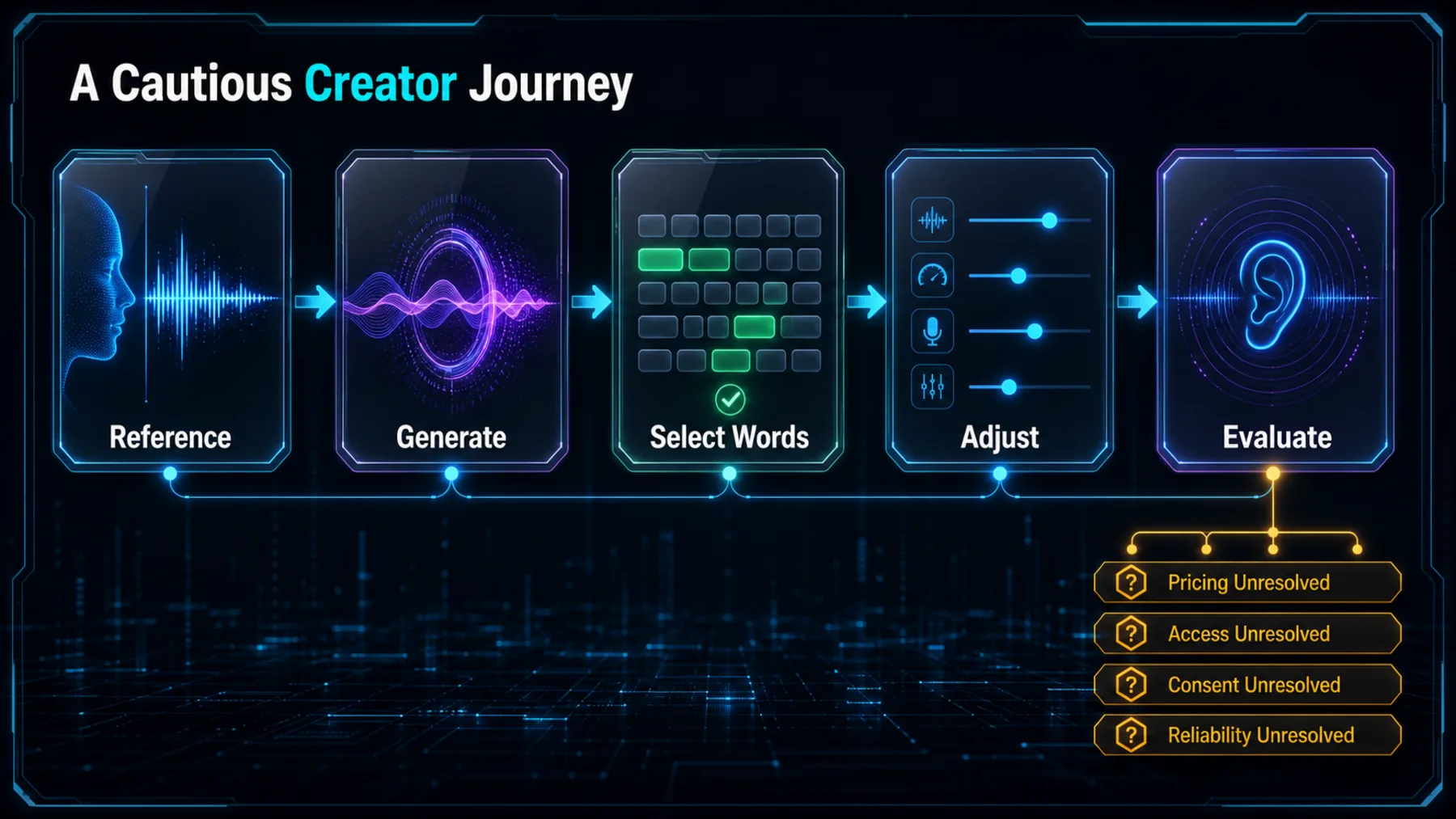
We would begin with a voice reference we are entitled to use, then choose a short line where one word genuinely changes the meaning of the delivery. The point is to see whether a targeted adjustment changes the performance without unsettling the rest.
We would also keep the unanswered questions in view: access conditions, pricing, consent controls and reliability are not established by the announcement.
Control Is the Real Story
The interesting promise is not merely a copied voice, but a voice whose delivery can be revised with intent.
The meaningful claim is a move from generating a voice to directing a performance—provided the control proves dependable, permitted and worth the trade-offs.
Creator Broadcast interpretation of Fish Audio’s public announcement
If Fish Audio’s claimed control works as described, it could make synthetic speech feel less like a one-shot output and more like an editable take. That is a meaningful distinction for anyone shaping spoken work.
But the evidence supplied here does not establish the result. The announcement makes the product idea worth watching; it does not close the case for fidelity, safety, consent or value.
Test one-word performance direction
Using a five-second voice reference recording that I have permission to use, generate this line: “The project is ready, but the final decision changes everything.” Create three versions that change only the word “changes”: first calm, then urgent, then reflective. Keep the remaining words as consistent as possible. Label each version with its intended emotion, intonation and pace.Ready to copy
Watch the Evidence Arrive
The next useful proof is not another superlative. It is a clear methodology, testing evidence and practical detail on how this capability behaves when we need it to matter.
Try the promptWhat could change the assessment
- Benchmark methodology Comparable tests could clarify the stated speed and cost claims.
- Fidelity testing Repeatable results could show whether targeted changes preserve the rest of a take.
- Consent and safety controls Clear safeguards would shape whether voice cloning can be used responsibly.
- Pricing and licensing Published terms would show what access and commercial use actually require.