DeepSeek V4-Flash Gives Agents Vision—With a 384-Token Ceiling
DeepSeek says its experimental V4-Flash vision model can inspect images inside familiar workflows, with up to 384 billed image tokens per image after resizing.
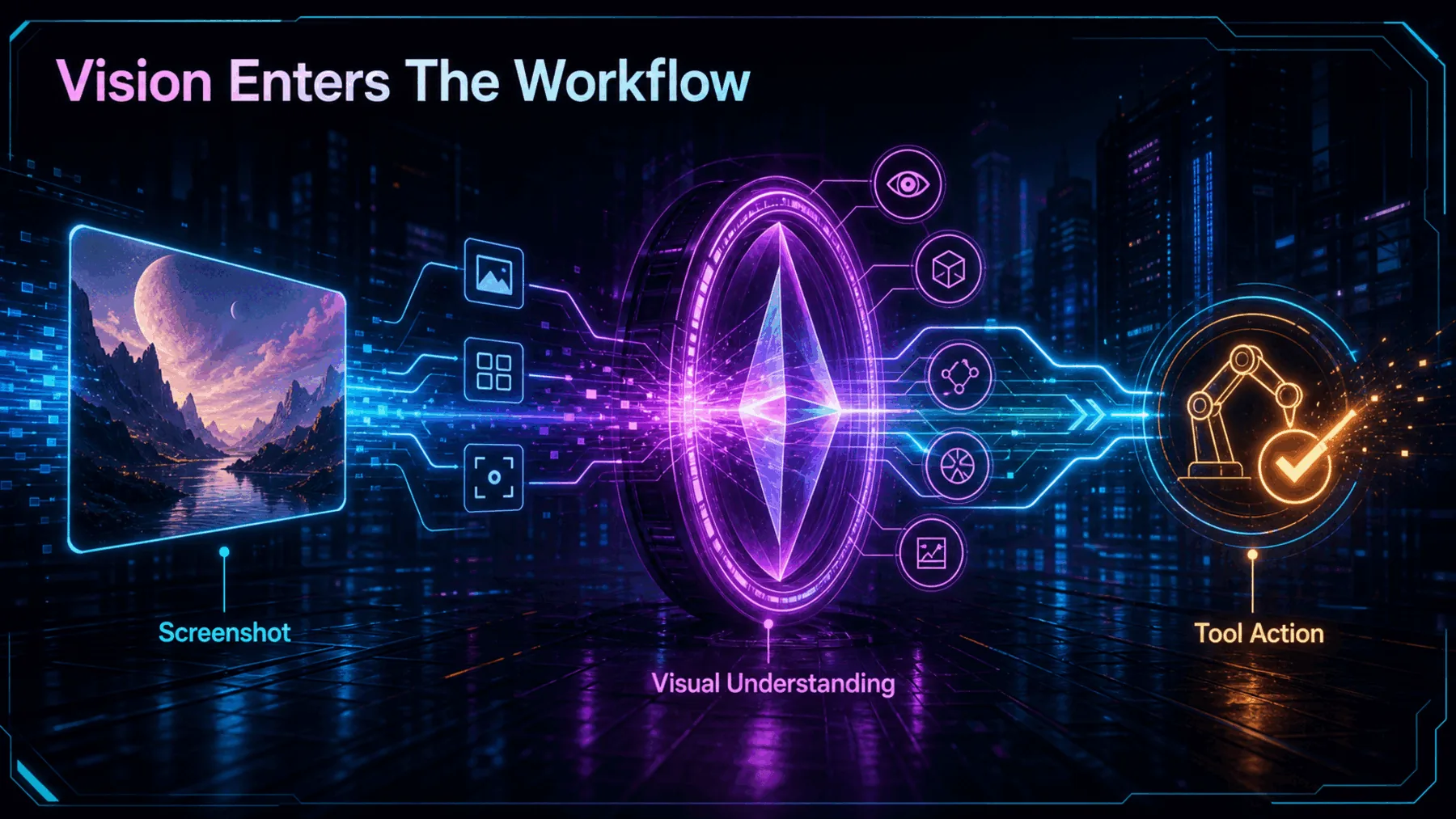
DeepSeek has added image input to deepseek-v4-flash-vision-exp. Its documentation says the model can describe pictures, read text from screenshots and analyse charts alongside text.
The practical appeal is clear: visual evidence can enter a familiar request path rather than demanding a separate vision stack. DeepSeek’s own claims still sit beneath an experimental label, with no independent benchmark, SLA or production-readiness evidence in the approved sources.
Visual evidence enters the workflow
A screenshot, chart or picture can become part of the same request path as text and tool use.
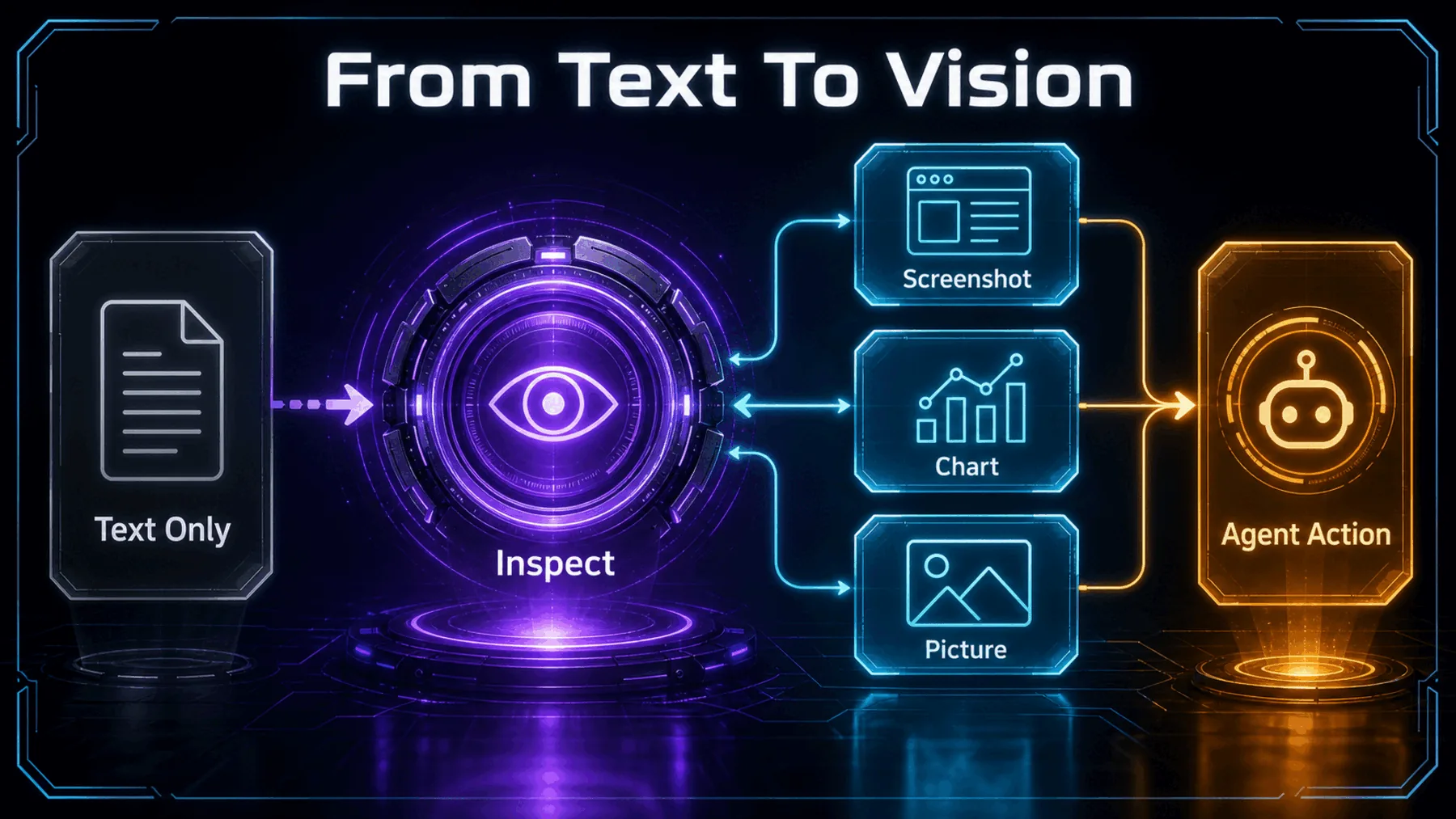
Text-only workflows break when the relevant evidence lives inside a chart, a screen or a photographed document. DeepSeek says this model can take those images alongside text, making the visual material part of the conversation rather than an attachment left outside it.
That does not establish how well every image or workflow will perform. It describes the documented route by which visual input can reach the model.
What 384 tokens really means
The figure is an upper bound per image after resizing, not a fixed price or a measure of quality.
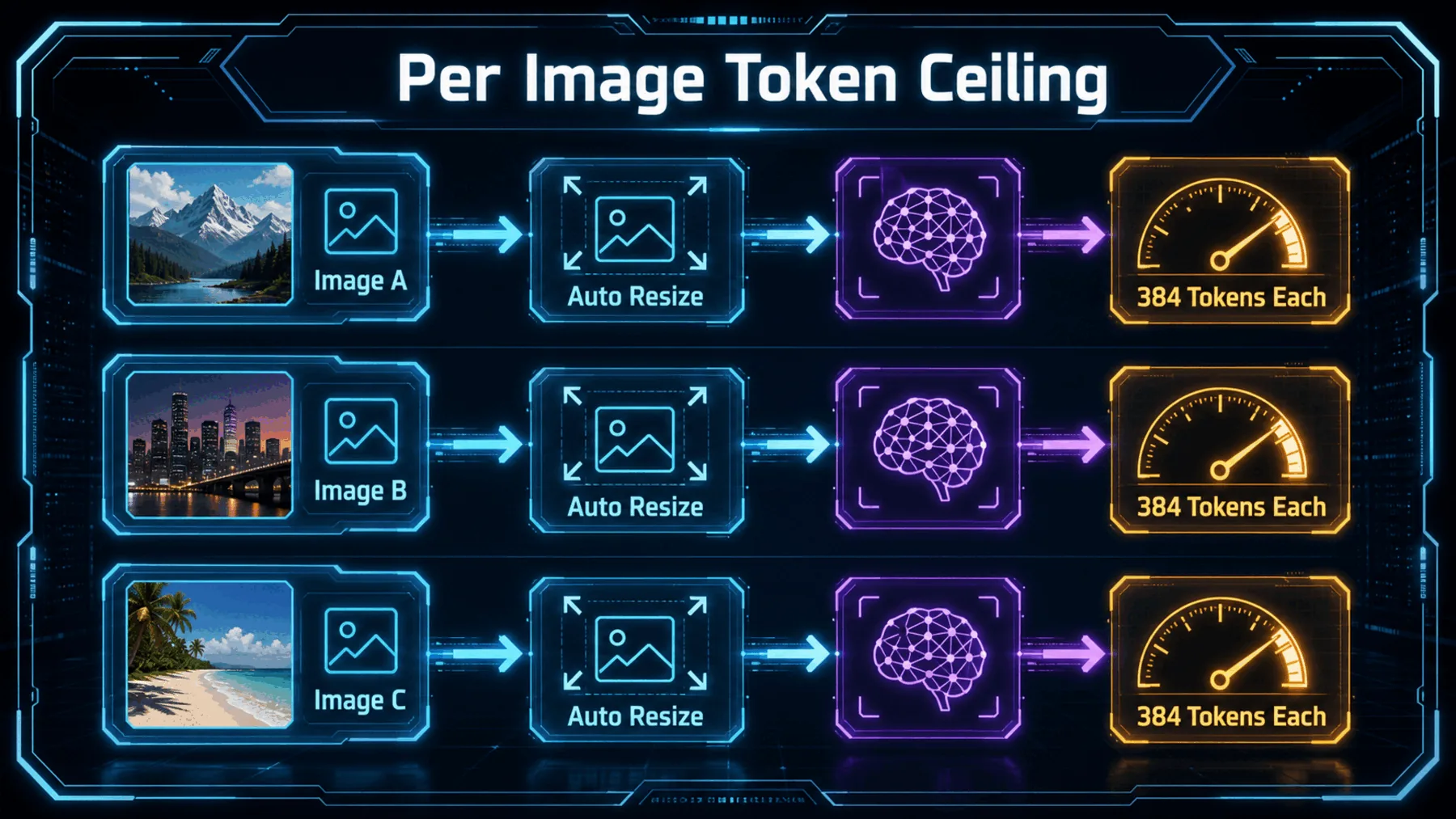
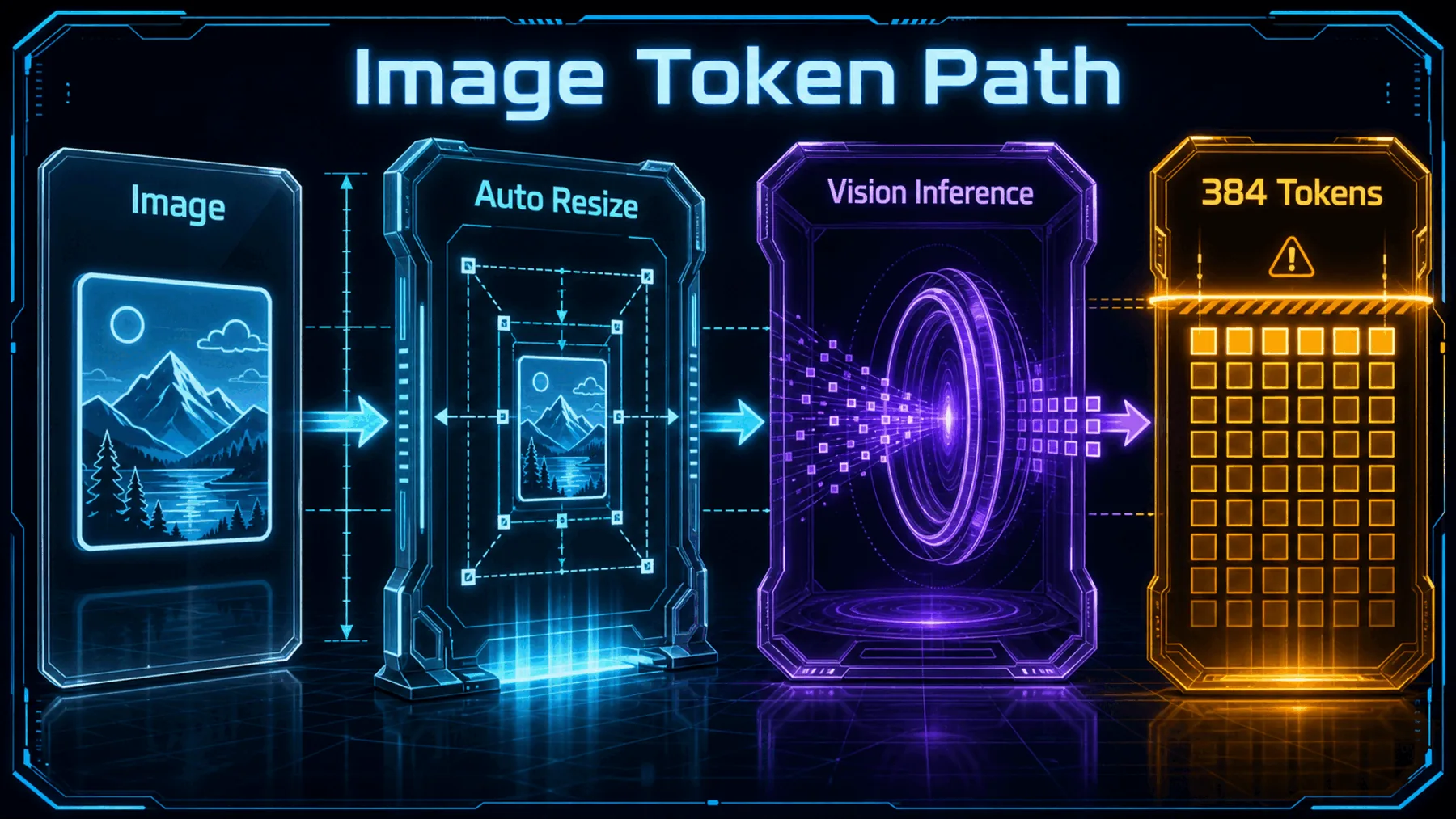
“Up to 384 tokens each” is a billing boundary, not a price tag. DeepSeek references V4-Flash pricing, but the approved source set contains no price table, so no monetary cost follows from the number alone.
The word “each” matters as much as 384. DeepSeek documents that images are counted independently, while automatic resizing means the ceiling says nothing on its own about image accuracy, detail retention or total request cost.
DeepSeek published the guide
The source proof establishes that DeepSeek published Vision API documentation; it does not independently validate model quality.
The official guide is the strongest source in this package for the mechanics. DeepSeek documents image-and-text input, screenshot reading, chart analysis, supported formats and the resizing rule behind the per-image token ceiling.
It is still supplier documentation. The guide supports what DeepSeek says the model accepts and how it is billed; it does not supply an independent test, benchmark, SLA or proof of production behaviour.
“The deepseek-v4-flash-vision-exp model accepts images alongside text, so you can ask the model to describe pictures, read text from screenshots, analyze charts, and more.”
DeepSeek Vision API Guide
What the evidence shows
The approved sources establish documented capability and constraints, while performance and permanence remain open questions.
DeepSeek says V4-Flash-Vision-Exp works across agent frameworks and combines visual understanding with tools. That frames the release as more than image description: the image can be part of an agent task.
The evidence stops there. “Works smoothly” is DeepSeek’s claim, and the supplied materials provide no independent benchmark, latency result, durability commitment or proof that every framework and tool behaves the same way.
Three ways to send an image
DeepSeek documents three ordinary routes into the same experimental vision model.
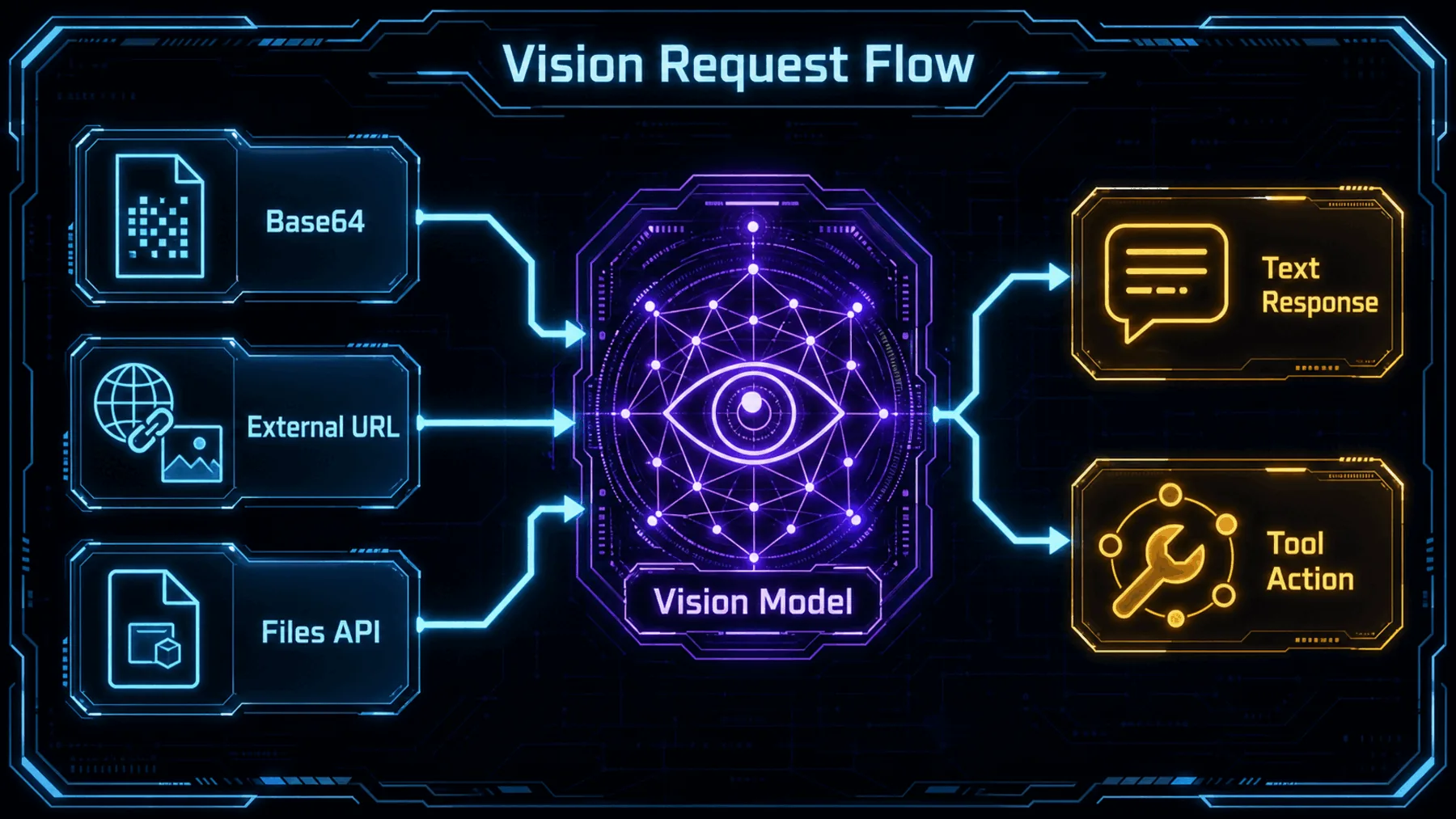
DeepSeek documents three ways to put an image into a request: embed it as base64, point to an external URL or reference an uploaded file through the Files API. Each route changes how the image arrives, not the core claim that the model receives image and text together.
The API surface is familiar too. DeepSeek documents Chat Completions, Anthropic-compatible Messages and Responses API patterns, with the specific restriction that Chat Completions images belong in user messages.
Base64
Embed the image data directly in the request.
External URL
Point the request to a publicly accessible image.
Files API
Reference an uploaded image by file_id.
What using it involves
We send a supported image, accept the documented resize path and keep the experimental limits in view.
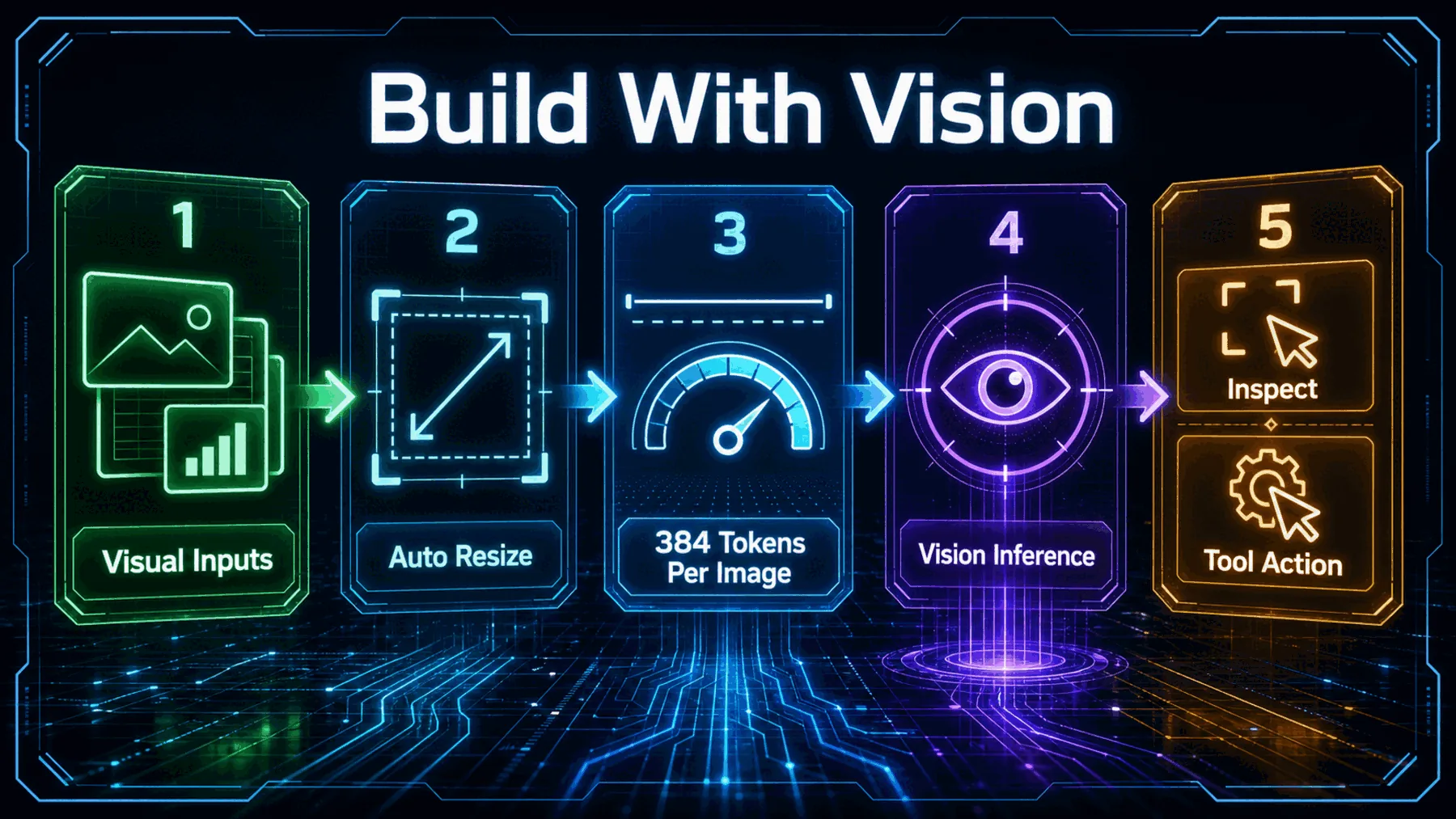
Send
Use JPEG, PNG, GIF or WebP through a documented input route.
Resize
DeepSeek resizes the image before inference and counts it per image.
Assess
Treat the output as experimental until our own evaluation proves otherwise.
If we choose this model for a visual task, the first constraint is the input itself. DeepSeek documents JPEG, PNG, GIF and WebP support, along with route-specific limits and the rule that Chat Completions images sit in user messages.
The second constraint is interpretation. We can use the documented path to inspect a screenshot or chart, but the source pack does not establish permanence, quality under fine detail, latency, price or production reliability.
Vision becomes a normal input
DeepSeek’s announcement matters because images can join the request path without changing the shape of the surrounding workflow.
The meaningful change is not simply that the model can see an image. It is that visual evidence can enter a familiar agent workflow with a stated per-image ceiling and clearly documented limits.
Based on DeepSeek’s X posts and Vision API Guide
DeepSeek has made a narrow but useful promise: deepseek-v4-flash-vision-exp can accept images alongside text, and those images can arrive through routes teams already recognise. That makes screenshots and charts viable inputs to the same working conversation.
The stronger conclusion remains cautious. A 384-token ceiling gives us a clearer billing shape, while the experimental label and missing independent evidence keep performance, permanence and production fit unresolved.
Test a screenshot with V4-Flash Vision
Using deepseek-v4-flash-vision-exp, inspect a screenshot of a dashboard or chart that I provide. First list only the visible facts, labels, values and uncertainties. Then give a concise explanation of the chart or screen, followed by three practical next actions. Do not invent unreadable text, hidden data, pricing, performance claims or details that are not visible in the image.Ready to copy
Keep the limits visible
Follow the documented input rules and token ceiling, then wait for stronger evidence on price, performance and production reliability before drawing a broader conclusion.
Try the promptSignals that could change the takeaway
- Experimental status
- Official pricing
- Independent evaluation
- Documented limits