Claude Gets a Mirror
Anthropic’s Reflect feature turns Claude usage into a personal dashboard, but the sharper question is what we still want to keep human.

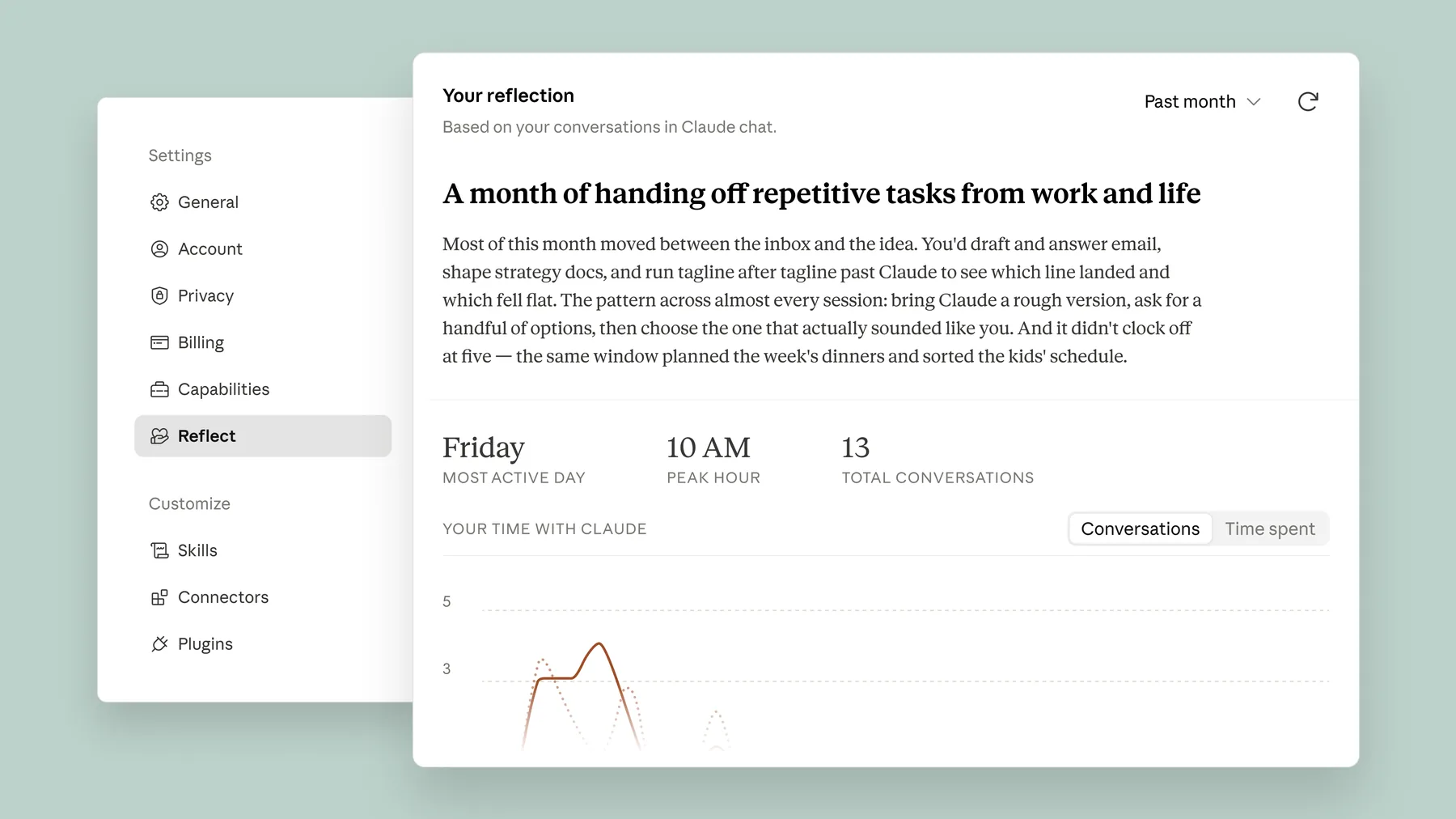
Anthropic says Reflect helps us track and visualise how we use Claude, then decide whether that time matches our goals. That makes the feature more intimate than a normal usage report: it turns the assistant back towards our own habits.
The useful tension is not whether Claude can produce another dashboard. It is whether seeing the pattern changes what we choose to automate, delegate, slow down, or keep doing ourselves.
Productivity now has a mirror
Reflect matters because it makes AI use inspectable, not just faster.
Anthropic frames Reflect around a common question from its own interviews: how often should we use AI, when is it effective, and when is a task better left to a human? That claim is not independent evidence of behaviour change, but it does set the product’s ambition clearly.
If the dashboard works, it gives us a way to notice dependency before it becomes invisible. The benefit is not a score. It is a pause: are our Claude habits helping the work, or quietly replacing judgement we meant to keep?

The dashboard is specific
Anthropic’s post gives a narrow set of product facts: patterns, task types, lookback windows, nudges, and exclusions.
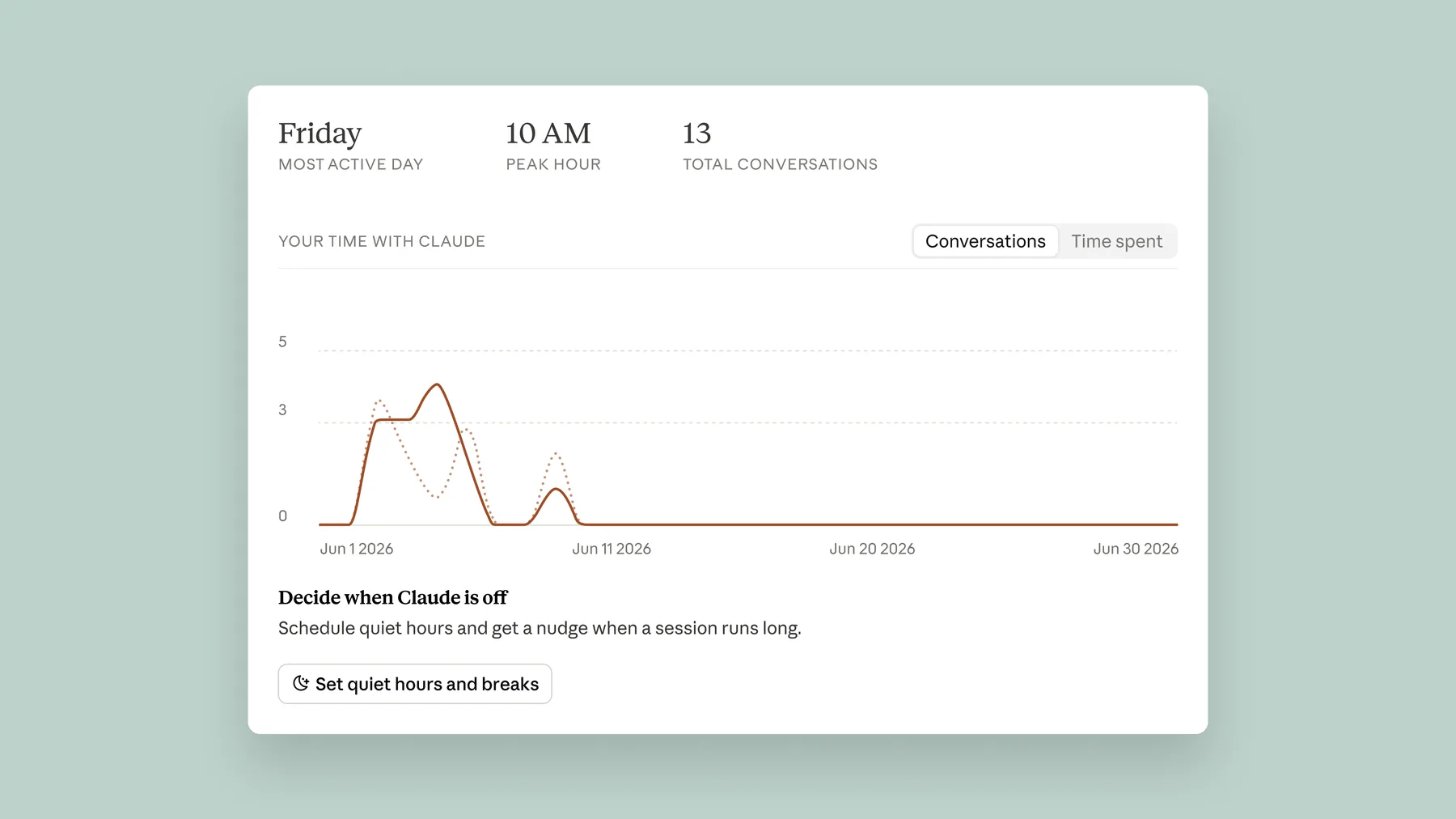
Reflect starts with a summary of Claude activity, including key topics, usage patterns, and the types of tasks we often work through. It can look back over 1, 3, 6, or 12 months, and Anthropic says a time-spent view will be added soon.
The product also links those patterns to the 4D AI Fluency Framework: Delegation, Description, Discernment, and Diligence. That is useful as a reflection frame, but it should not be read as proof that our AI fluency has improved.


The human line is explicit
Reflect’s strongest copy is the question that asks what we do not want to hand over.
Anthropic’s most revealing line is not a feature description. It is the prompt Reflect may surface: a question about what we want to keep doing ourselves, even when Claude could do it faster.
That matters because speed is not the only measure of a good AI habit. Some work is valuable because we do the thinking, choose the language, or take responsibility for the judgement behind it.
What's one thing you want to keep doing yourself, even if Claude could do it faster?
Anthropic
Evidence is not outcome
The announcement shows what Anthropic says Reflect can display, but it does not prove that habits improve.
The strongest supported claim is concrete: Anthropic says the dashboard can summarise topics, usage patterns, task types, and examples of how we collaborate with Claude. It can also suggest practical changes, such as starting a Project instead of repeatedly explaining context.
The limit is just as important. Source media can show the product frame, but it cannot show that we become more deliberate, less dependent, or better at AI work. Those are outcomes we would still need to observe ourselves.
The pipeline has boundaries
Reflect turns Claude activity into summaries and prompts, but Anthropic names important exclusions.
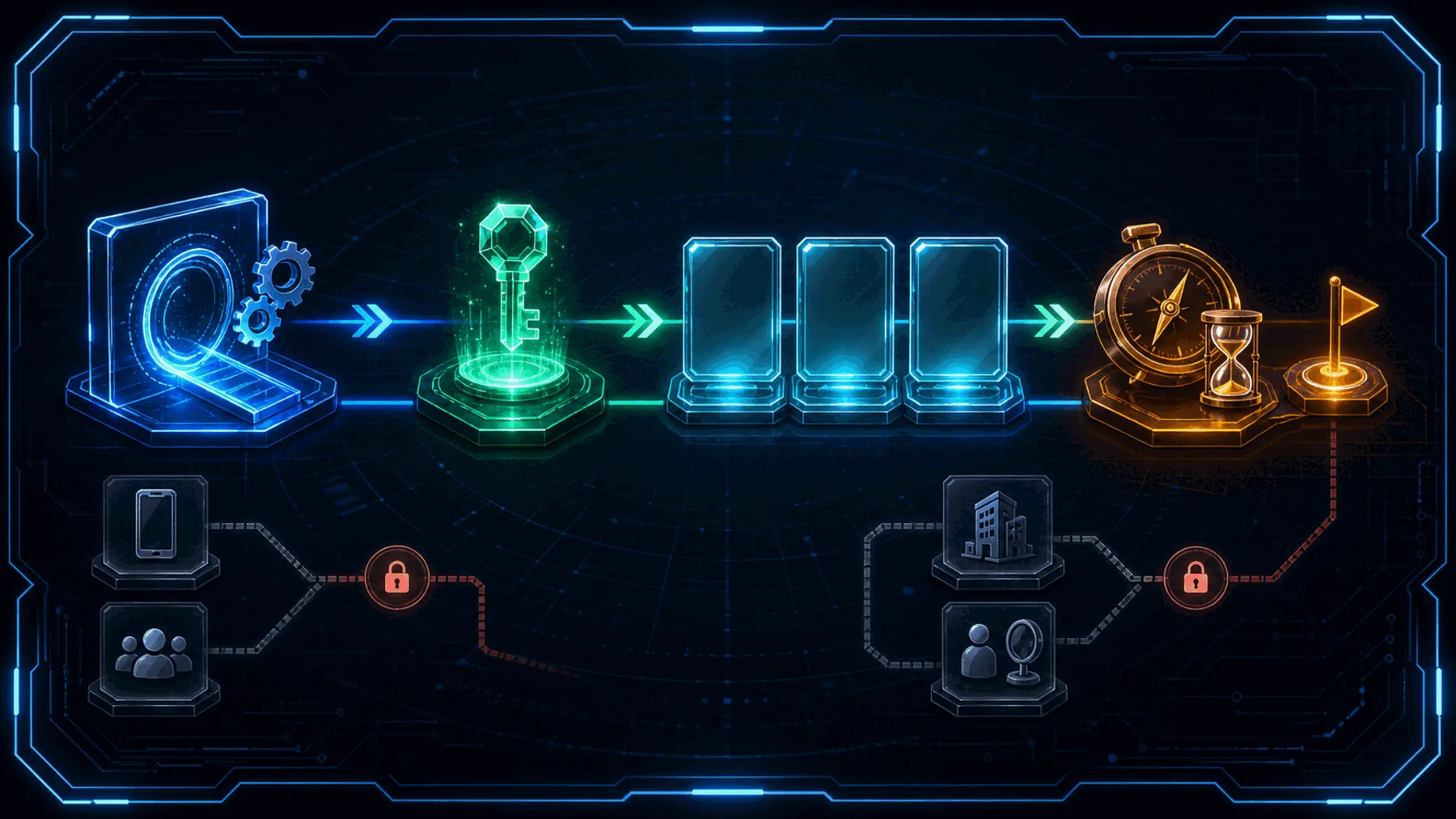
The mechanism is straightforward: Claude activity becomes a reflection summary, the summary highlights patterns and task types, then Reflect can surface questions, quiet hours, break nudges, and fluency suggestions. The nudge is meant to support a choice, not replace it.
Anthropic also draws a privacy boundary. Reflect does not draw from incognito chats, does not pull in underlying files from connected tools, and leaves out conversations connected to a health integration tool. Sensitive conversations may still appear only at a high level, according to Anthropic.

Start with access, then intent
Reflect is available in beta only under the access conditions Anthropic names.
Anthropic says Reflect is available in beta for Free, Pro, and Max users with Memory turned on. It is found in Claude Settings on web or the desktop app. If we cannot generate a report, Anthropic says Memory may be the reason.
That turns the first session into a practical check rather than a grand productivity exercise: confirm access, read the pattern summary, then choose one boundary and one delegation habit to test. Cowork reflection is coming soon, so it should not be treated as live in this version.
AI use becomes inspectable
Reflect makes the assistant part of the audit, not only the work.
The interesting shift is that Claude is no longer only helping us complete tasks. With Reflect, Anthropic is asking Claude to help us inspect the pattern of asking itself for help.
That is powerful and uncomfortable in the same breath. The better our tools become, the more we need a record of where they enter the work, where they genuinely help, and where they start to dissolve the parts of thinking we meant to keep.
The point of Reflect is not to make every habit faster. It is to make the habit visible enough that we can choose what still deserves our own hands.
Altior synthesis from Anthropic’s announcement
Run a Claude habit audit
Act as a careful work-pattern analyst. Using only the Claude activity summary I paste below, identify three recurring ways I use Claude, one task I should keep doing myself even if Claude could do it faster, one task I can safely delegate earlier, and one quiet-hours or break-nudge rule that would protect my attention. Keep the answer practical, caveated, and under 300 words. Activity summary: [paste your Reflect summary here]Ready to copy
Watch the boundaries
The feature to watch is not just Reflect itself, but whether Anthropic keeps the line between usage insight, personal context, and product nudging clear.
Track the next updateWhat to watch next
- Time-spent view
- Cowork reflection
- Privacy wording