Claude Commerce Agents: The Blueprint Is Out
Anthropic says its open-source kit turns a broad commerce-agent promise into material builders can inspect, adapt and test.
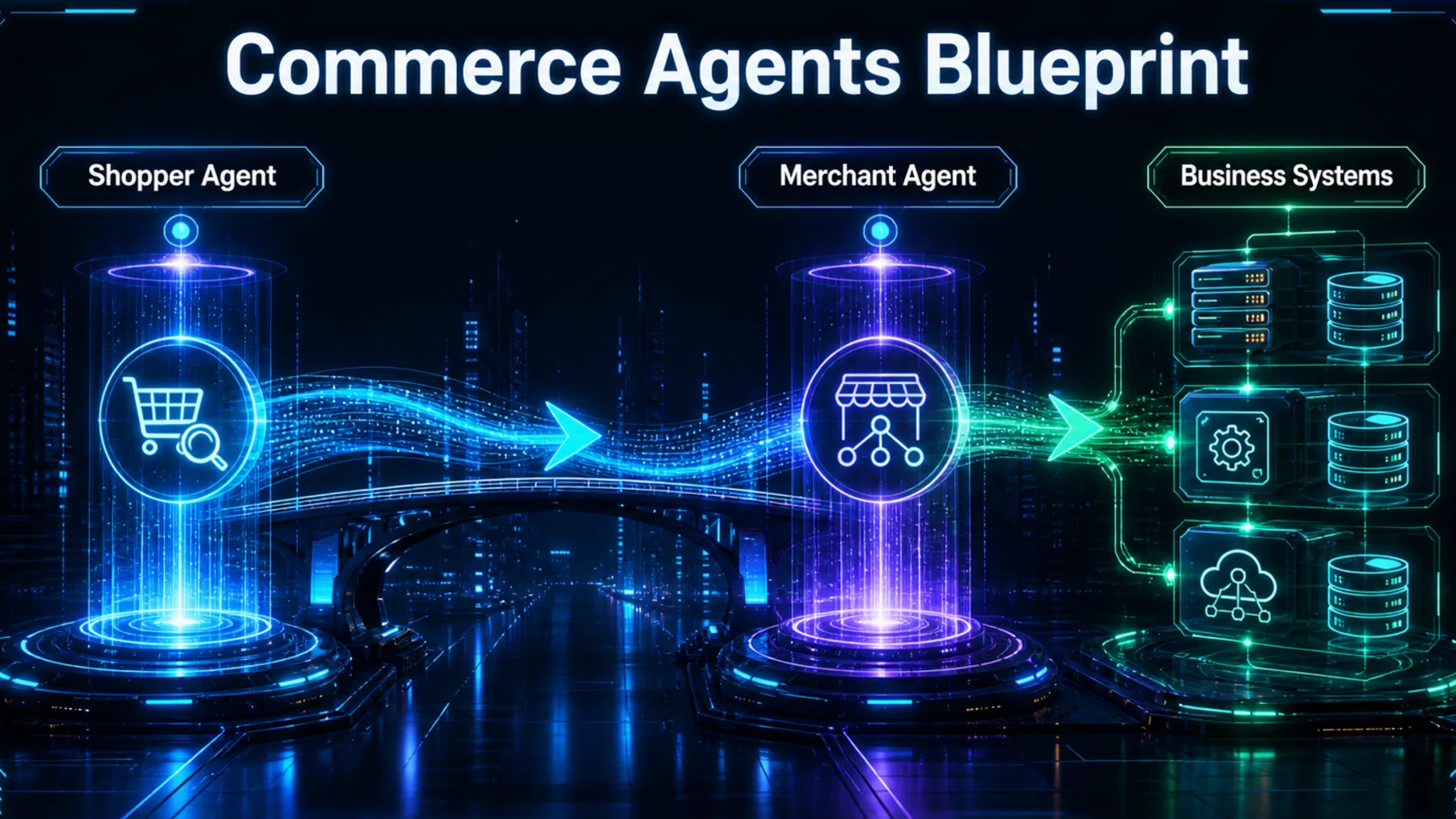
Anthropic says it has open-sourced Claude Commerce Agents: a blueprint for building shopping and merchant agents. The release gives the idea a more concrete shape, but it does not settle the harder question of whether a particular business can make the system work safely in its own environment.
The useful distinction starts here. A shopping agent helps move through a purchase; a merchant agent represents the business side of that exchange. The kit is a starting point for that relationship, not proof that the journey is ready to run everywhere.
A Promise Needs Proof
Anthropic reports encouraging outcomes, while the source pack leaves their independent validation unresolved.
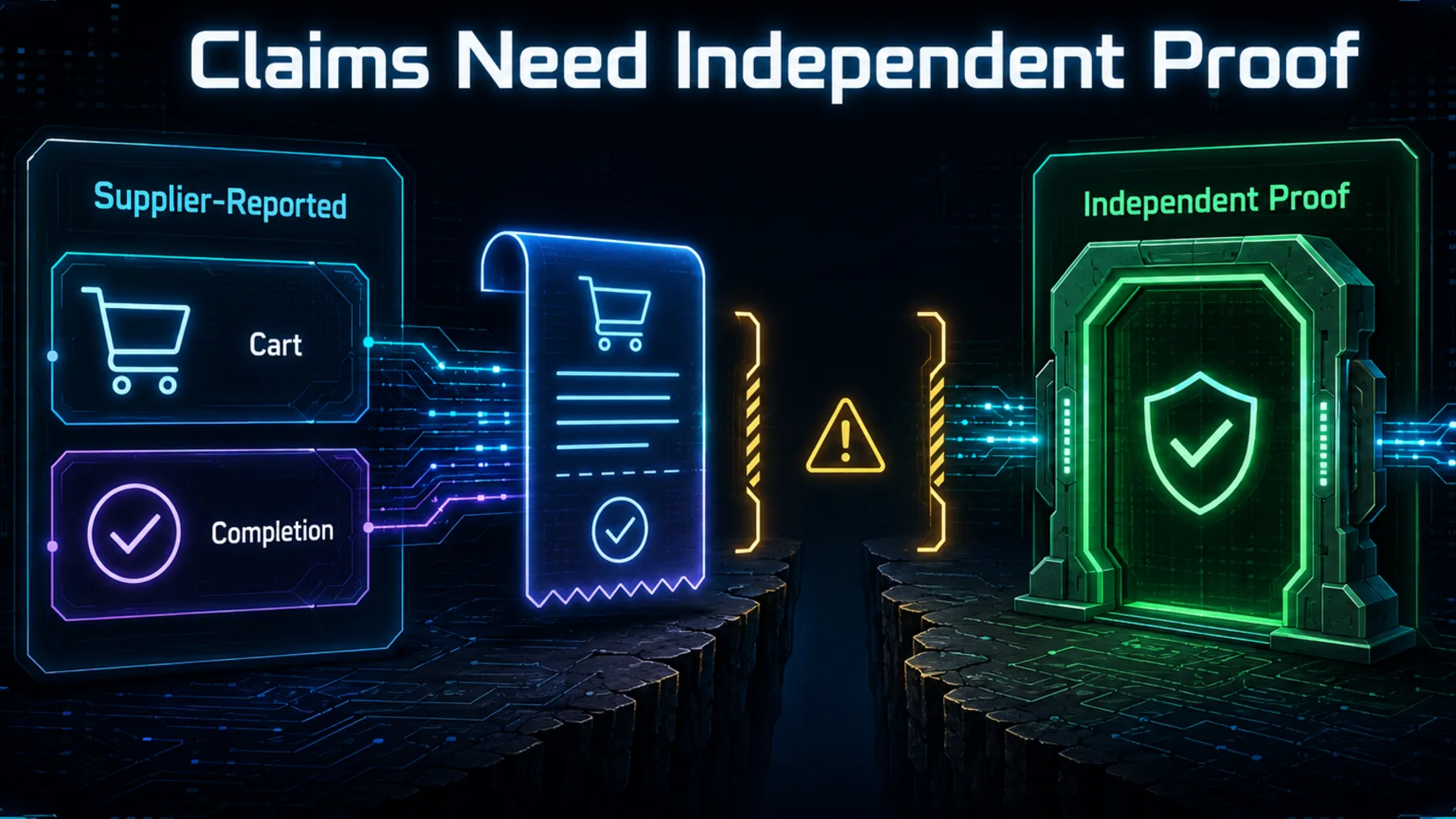
The numbers attached to the release are attention-grabbing: ClaudeDevs says retailers running shopping agents on Claude have seen carts up to 35% larger and shoppers 60% more likely to complete a purchase. The wording matters. These are Anthropic-reported outcomes, not independently verified benchmarks.
For a team considering the blueprint, the figures are a reason to ask sharper questions, not a forecast to import into a plan. The evidence here supports the announcement and the reported claims; it does not establish results for another catalogue, market or implementation.
What Actually Shipped
The announced kit combines two agent roles, four vertical demos and a route into a business backend.
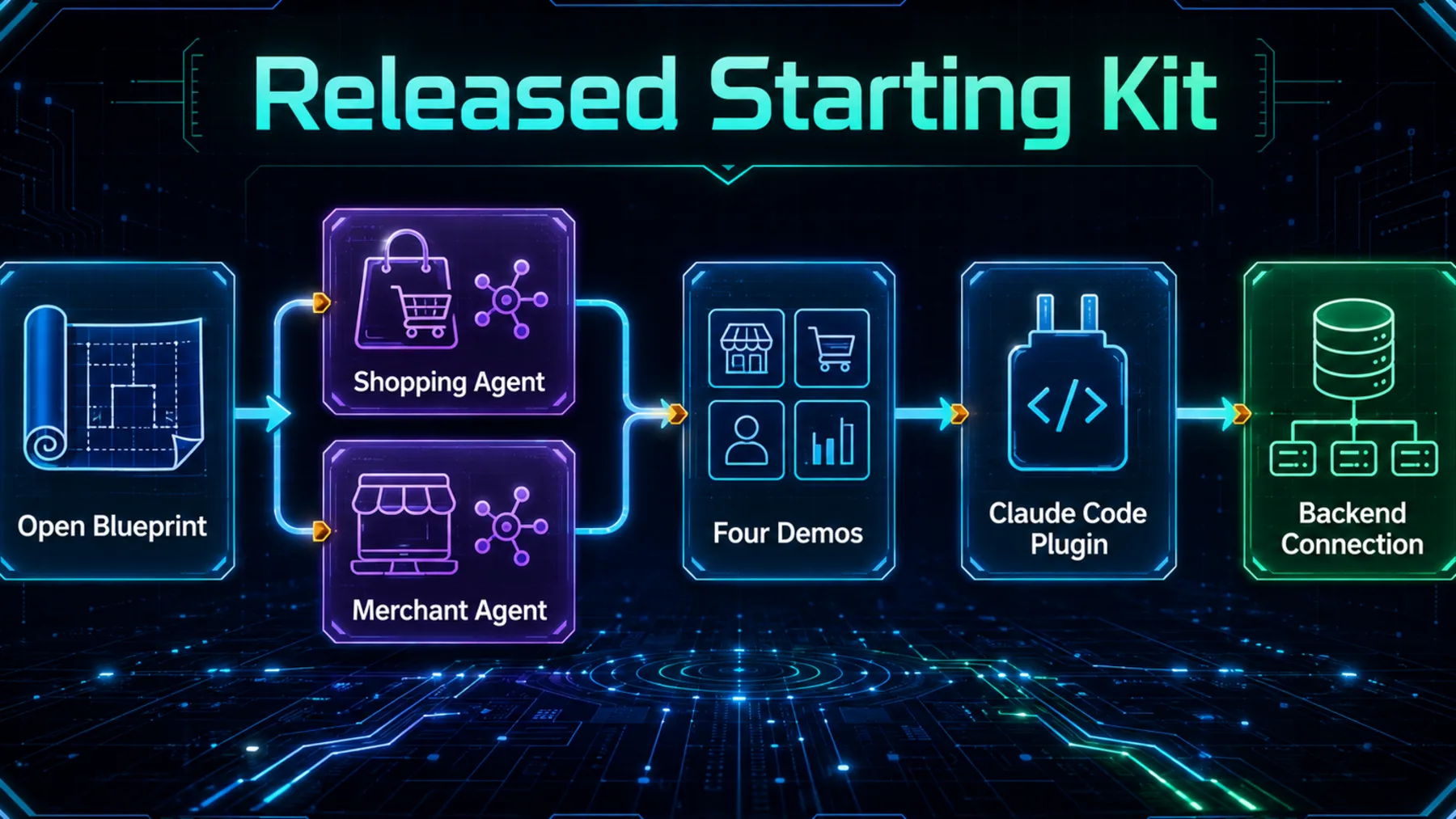
Anthropic says the reference material spans retail, travel, telecom and entertainment. Those examples matter because they put the shopping and merchant pairing into recognisable commercial settings without claiming that every setting behaves the same way.
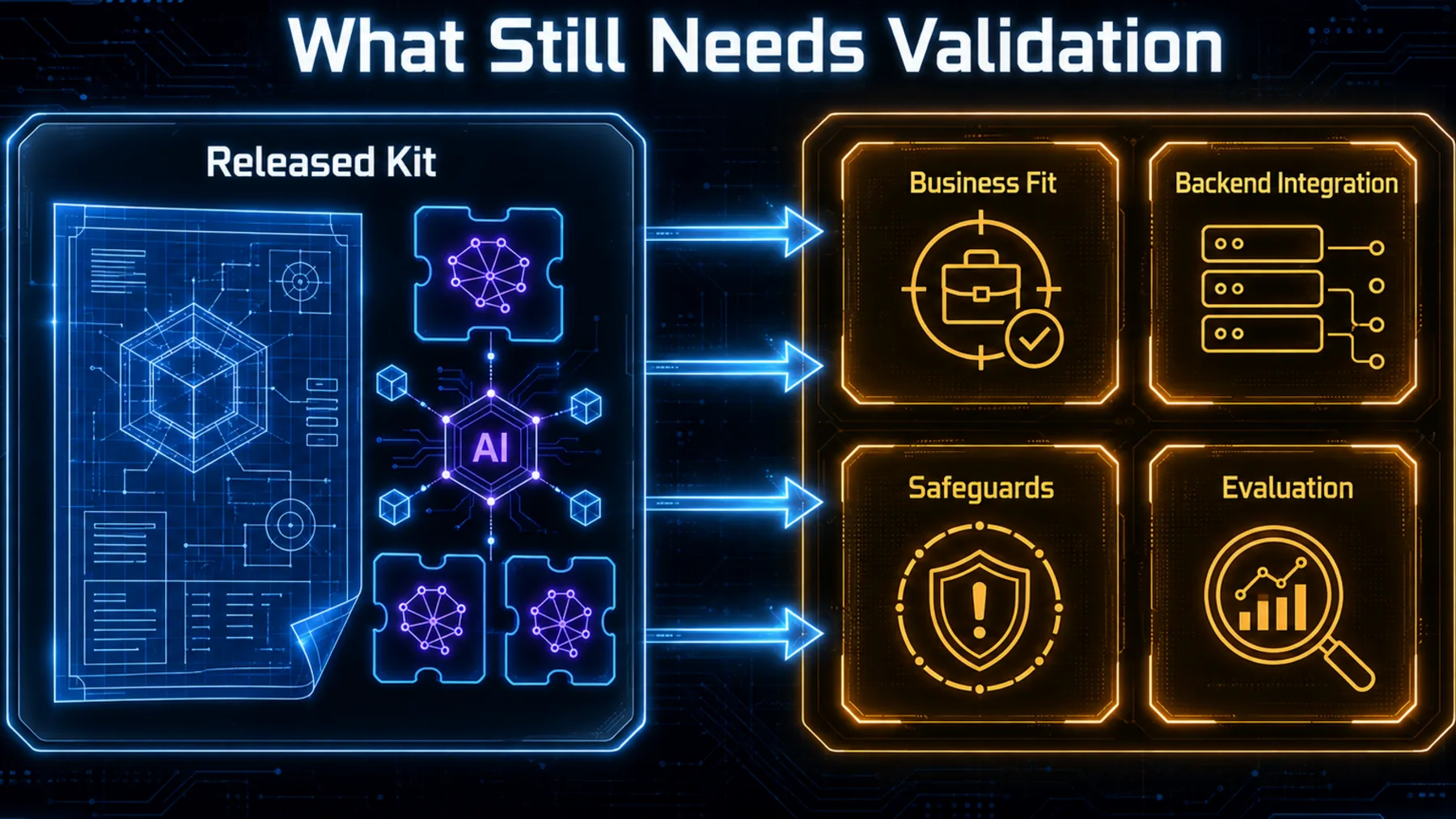
The release also includes a Claude Code plugin that Anthropic says builds an agent against a backend. That is a meaningful bridge from demonstration to experimentation. It is still a bridge: access, fit, safeguards and evaluation remain work a team has to do.
Anthropic’s Announcement
The official ClaudeDevs thread frames the release as an open-source blueprint for commerce agents.
“We're open-sourcing Claude Commerce Agents.”
ClaudeDevs on X
The announcement is deliberately practical in its framing. Anthropic is not merely naming a commerce capability; it says it is releasing a blueprint with reference implementations that builders can inspect and adapt.
That makes the release more useful than a product claim alone. It also sets a proper boundary around the story: a blueprint can show a route forward without proving the operating conditions, safeguards or outcomes of every deployment.
What We Can Claim
The official thread supports the release scope and supplier-reported figures, but not independent outcome proof.
The evidence is strong enough to establish what Anthropic announced and what it says the release contains. It is not strong enough to convert its reported commercial outcomes into a general result.
We should keep the distinction visible. The 35% figure retains its “up to” qualifier, and both figures remain Anthropic’s claims. No pricing, availability, supported regions, customer count or production performance follows from the thread.
Two Sides of Commerce
One agent helps with the purchase; the other represents the business context behind it.
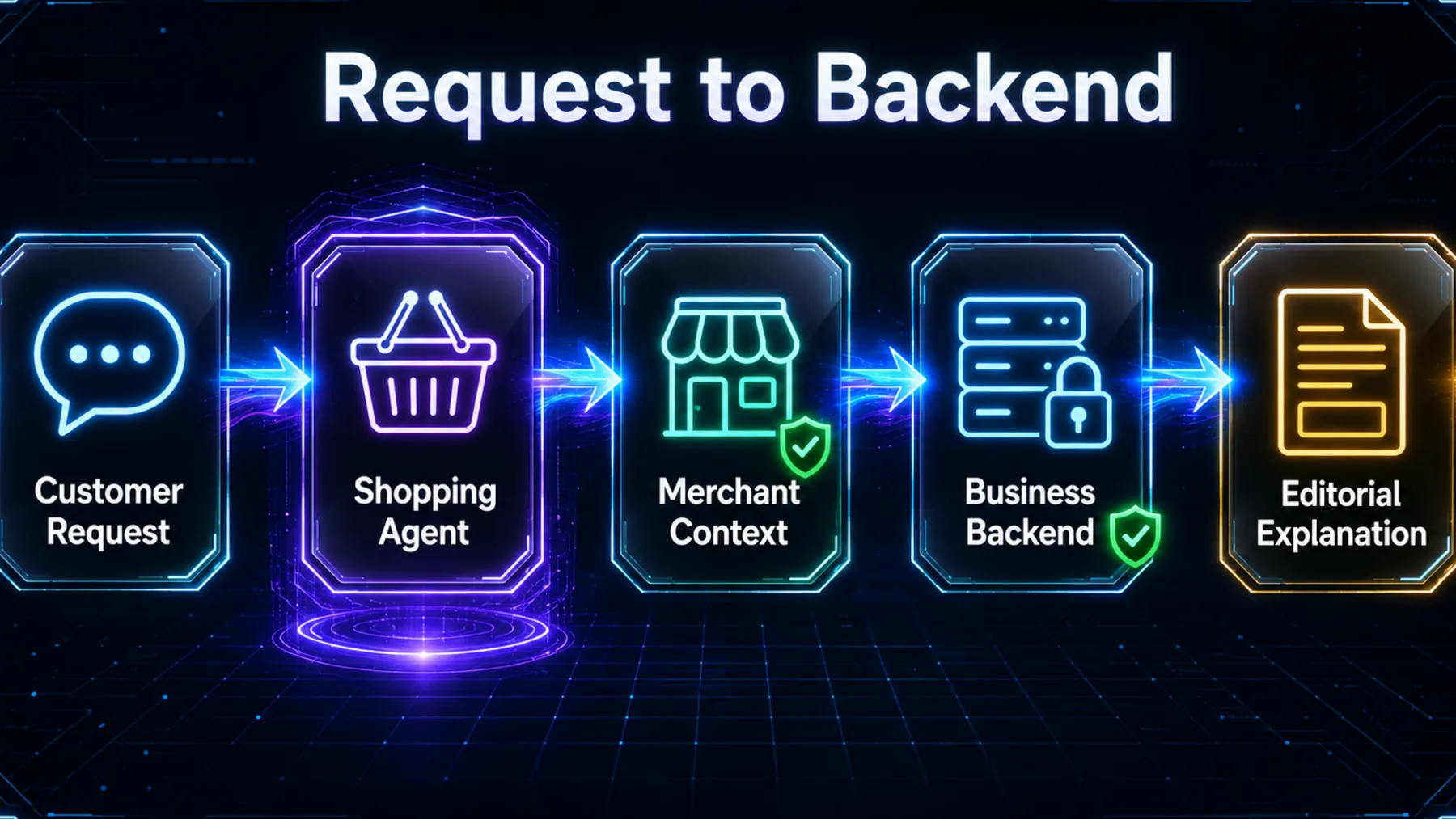
In simple terms, the shopping agent sits near the purchase decision: it can help someone explore options and move through a buying journey. The merchant agent sits nearer the business context, where product, policy and operational information must be handled carefully.
Anthropic says its kit covers both sides. What happens between them will depend on the business systems, permissions and rules a team chooses to expose. The release describes the pieces; it does not prescribe one universal flow.
Shopping side
Helps shape the purchase conversation.
Merchant side
Represents approved business context.
Backend boundary
Supplies only the data and actions a team permits.
Prove the Fit
The kit can start an experiment; a team still has to establish whether it belongs in its own operation.
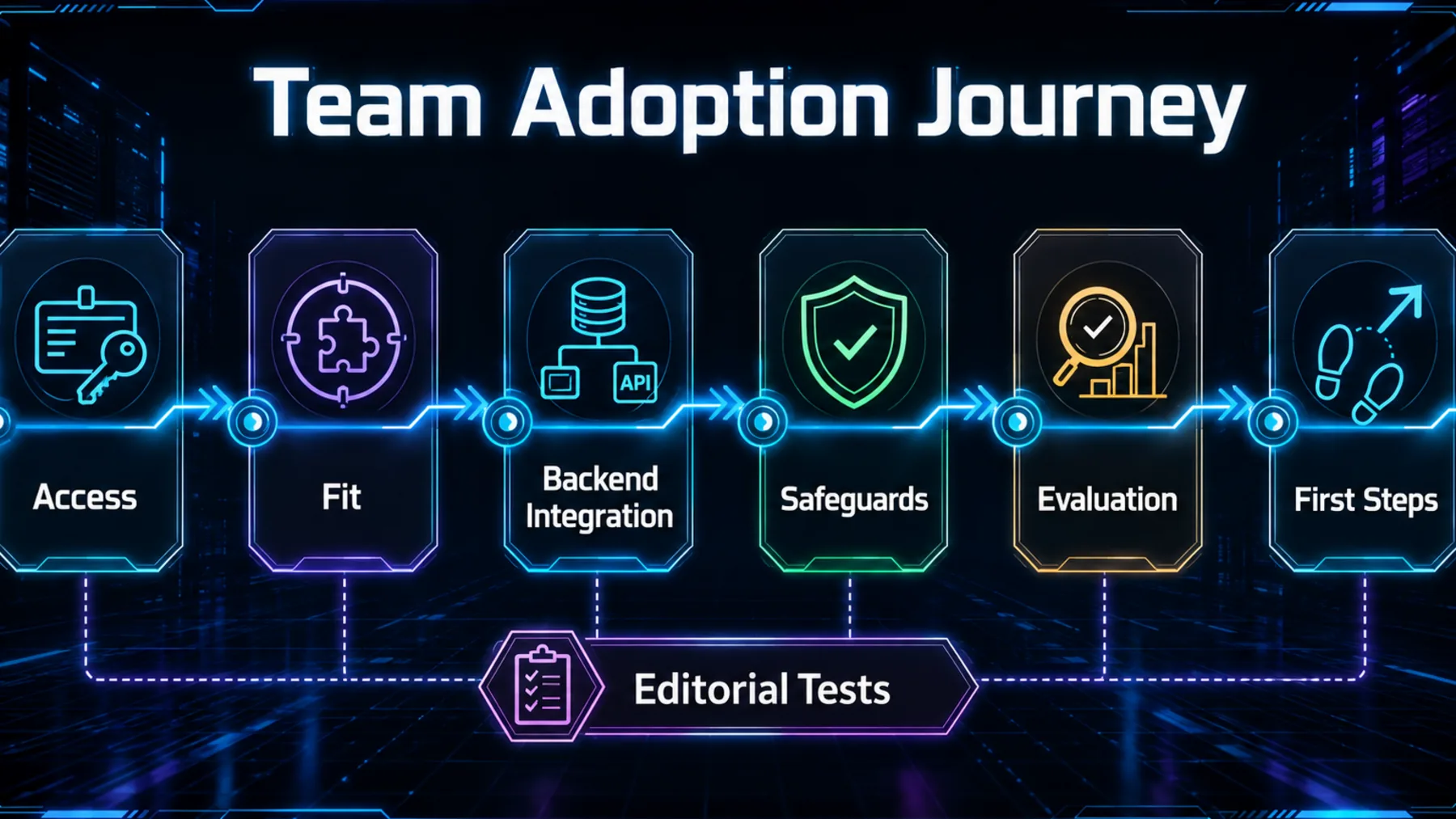
A sensible first move is narrower than a full commerce transformation. We can choose one bounded journey, decide what information an agent may access, and make the hand-offs visible before any wider rollout is considered.
The practical test is not whether the announcement sounds persuasive. It is whether the agent behaves reliably with our catalogue, policies and systems, and whether its limits are clear when a request falls outside the approved path.
Access
Limit data and actions to an approved scope.
Safeguards
Define what the agents must not promise or do.
Evaluation
Measure behaviour on a bounded set of real tasks.
A Starting Line
Open source makes the commerce-agent idea inspectable; it does not remove the burden of proving it in context.
Anthropic has made a commerce-agent blueprint available. The value now lies in the discipline of testing what it can safely do with a real business system.
Creator Broadcast synthesis from SRC-001.
The release gives teams something more useful than a distant promise: a stated blueprint, named agent roles, four demos and a Claude Code route towards a backend. That is enough to begin a careful conversation about fit.
It is not enough to skip the evidence work. The commercial figures remain supplier-reported, and the source does not answer the operational questions that decide whether a pilot deserves to grow. A narrow, observable test is the honest next step.
Map a cautious commerce-agent pilot
Act as a commerce-systems designer. Draft a one-page pilot plan for a shopping agent that helps compare products and a merchant agent that retrieves only approved catalogue, stock and policy information from a business backend. Define the two agents’ responsibilities, three read-only backend actions, explicit hand-off points, safeguards against unsupported promises, and five observable evaluation checks. Do not assume production readiness, pricing, regional availability or commercial uplift. Return headings: Scope, Agent roles, Backend boundary, Safeguards, Evaluation, Open questions.Ready to copy
Watch the Evidence
Look for evidence of bounded implementations, clearly stated safeguards and observed outcomes before treating the blueprint as a wider operating model.
Try the promptWhat could change the picture
- Implementation evidence
- Safeguard detail
- Availability detail
- Independent outcomes