Claude Code's You Should Know Plugin: What Did We Miss?
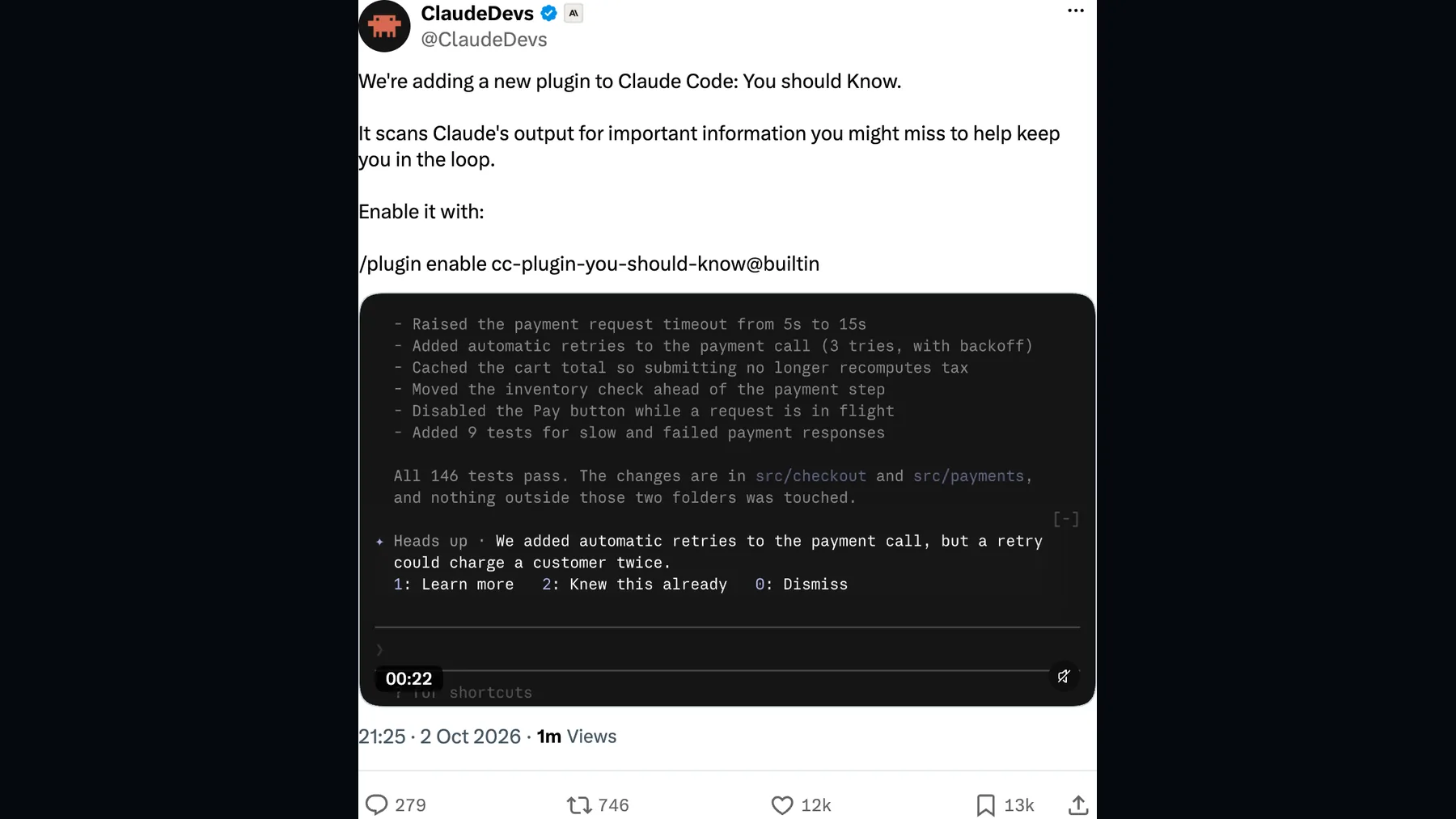
ClaudeDevs says You should Know scans Claude's output for important information we might miss. Its payment-retry demo gives us a reason to look twice.

A reassuring summary can leave a consequence unnoticed; You should Know is Claude Code's newly announced attempt to bring that detail to our attention.
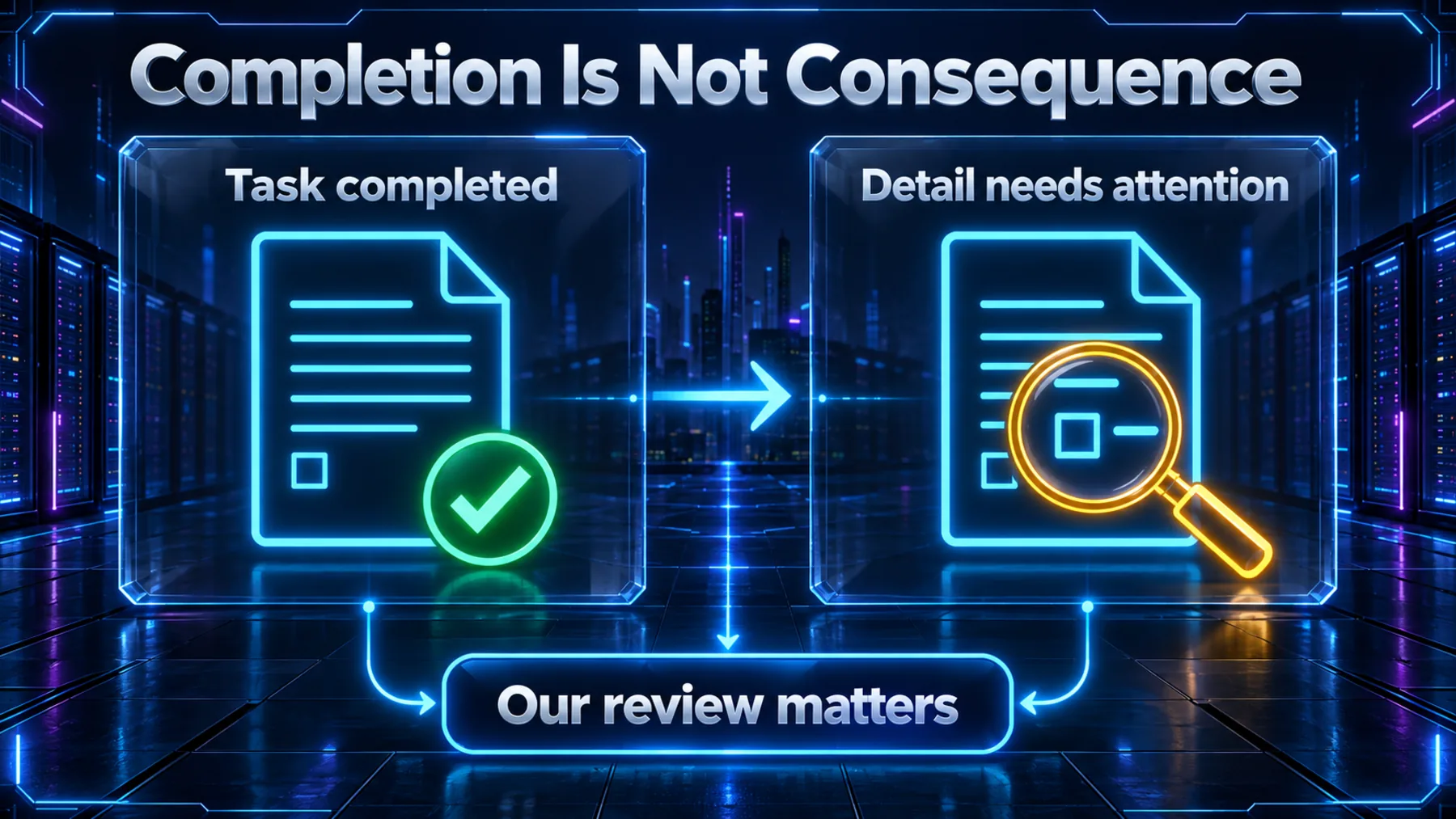
Done Is Not the Same as Understood
The change we asked for may still leave us with a question worth answering.
Imagine asking Claude Code to make a checkout more reliable. In the ClaudeDevs demonstration, the task summary includes automatic payment retries. The heads-up beneath it points to the trade-off: a retry could charge a customer twice.
That is an illustrative warning, not a report of an actual double charge. It makes the distinction concrete, though: the requested change and its possible consequence deserve separate attention. Before treating the plugin as protection, we need to look at what ClaudeDevs actually announced.
What Was Announced—and What Wasn't
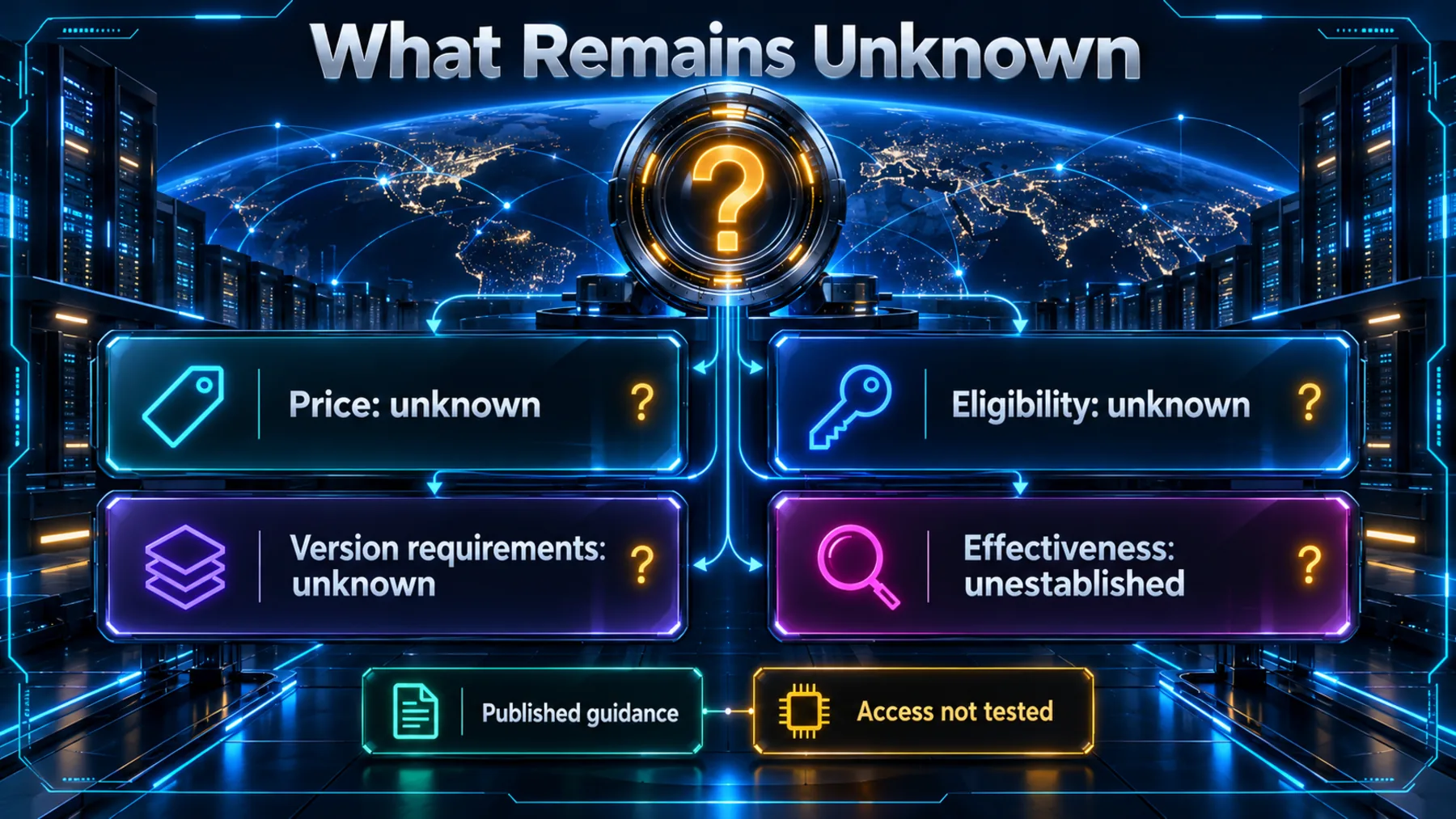
A name, a stated purpose and an enable command. Several practical questions remain open.
ClaudeDevs announced You should Know for Claude Code on 2 October 2026. The post says the plugin scans Claude's output for important information we might miss and supplies a command to enable it.
The announcement date does not establish general availability. Nor does the supplied material establish pricing, plan eligibility, version requirements or a measured benefit. The published command is something we can refer to when checking our setup; it is not evidence that access or installation has been tested.

What ClaudeDevs Actually Says
The stated purpose is to keep us informed about Claude's output.
ClaudeDevs describes an aid to noticing information in output. That wording matters: it does not claim a source-code audit, automatic correction or a guarantee that every consequential detail will be caught.
It scans Claude's output for important information you might miss to help keep you in the loop.
ClaudeDevs · announcement on X
A Demo, Not a Guarantee
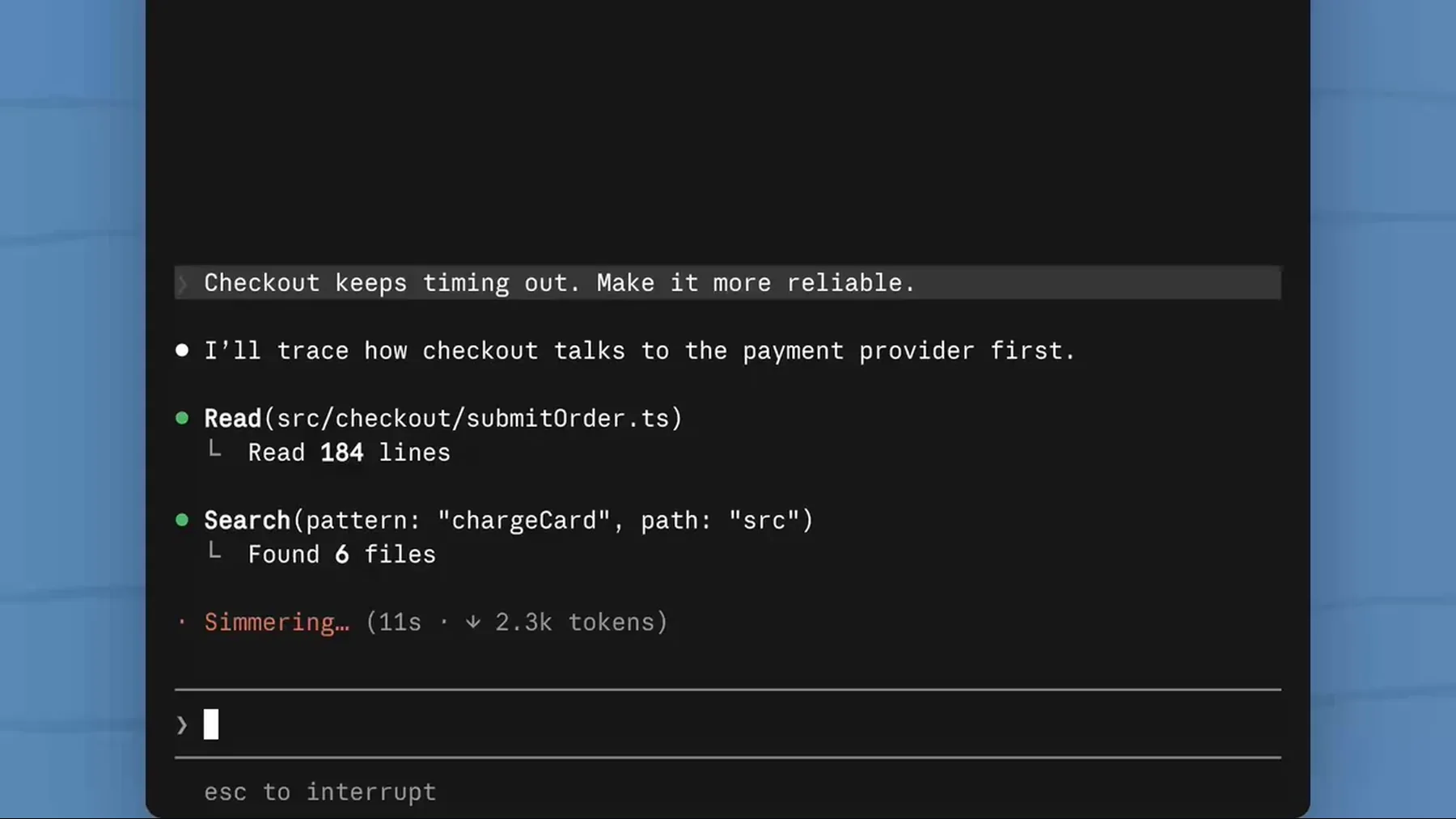
The warning gives us a concrete concern. The still shows where the example begins.
The demo still shows a checkout timeout request followed by code inspection. It establishes the setup of the example; the payment-retry warning is visible in the announcement capture shown above, not in this still.
The example does not establish an actual double charge, a prevented incident or how reliably the plugin finds important information. We have a bounded view of the demonstration, not a complete video analysis or an independent test.
Output, Heads-Up, Our Review
The announcement describes scanning output. Deciding what a detail means remains our job.
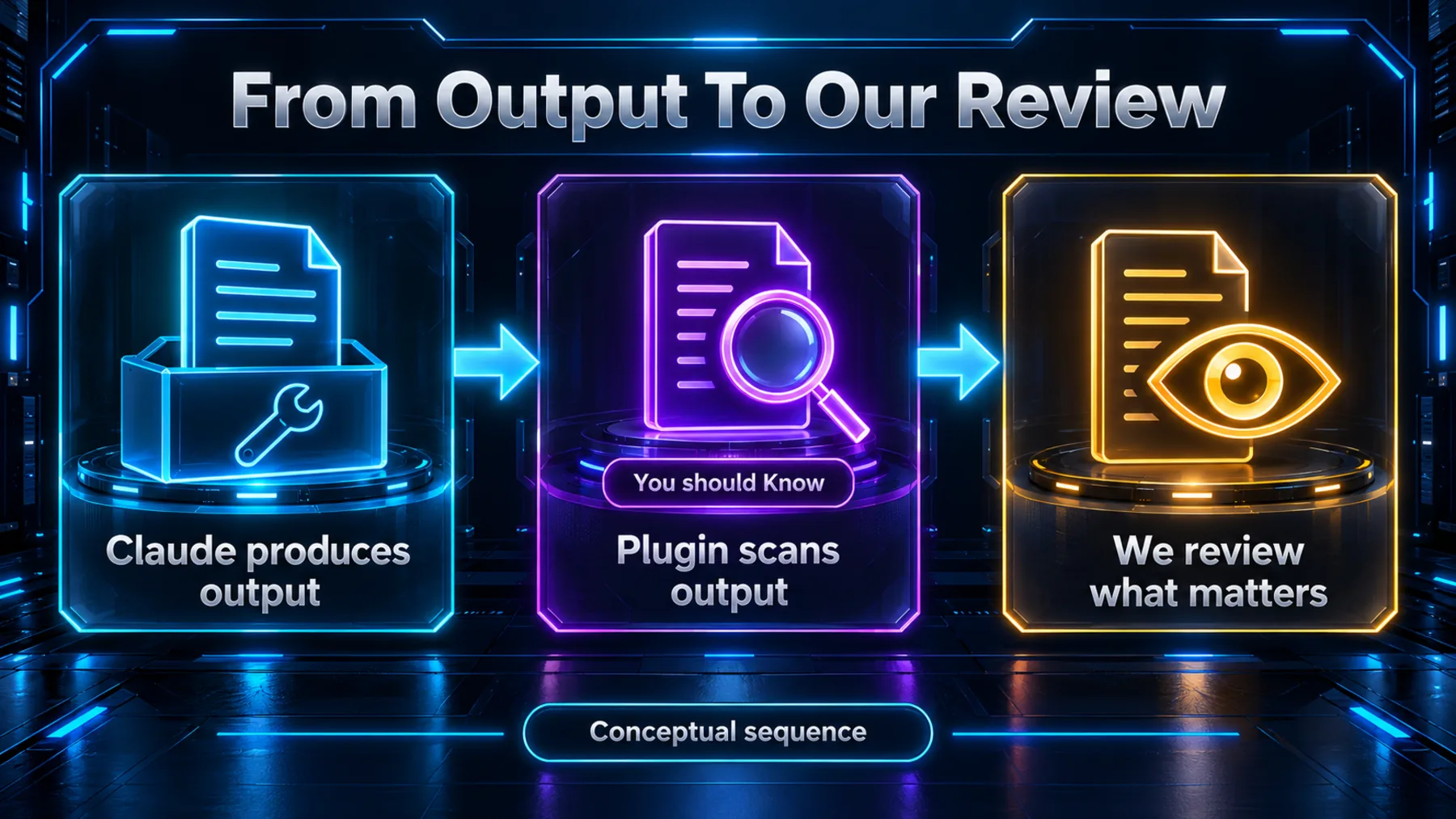
At the level ClaudeDevs describes, the idea is straightforward: Claude produces output, You should Know scans it for important information, and a heads-up can give us something to examine. The payment example shows why that information might matter.
That is a conceptual sequence, not a description of the plugin's internals. The announcement does not establish scanning timing, coverage or automatic remediation. A heads-up still needs to be read against the task and the consequences of accepting it.
Our First Check—Without Live Payments
If our setup supports it, start with harmless output we can inspect ourselves.
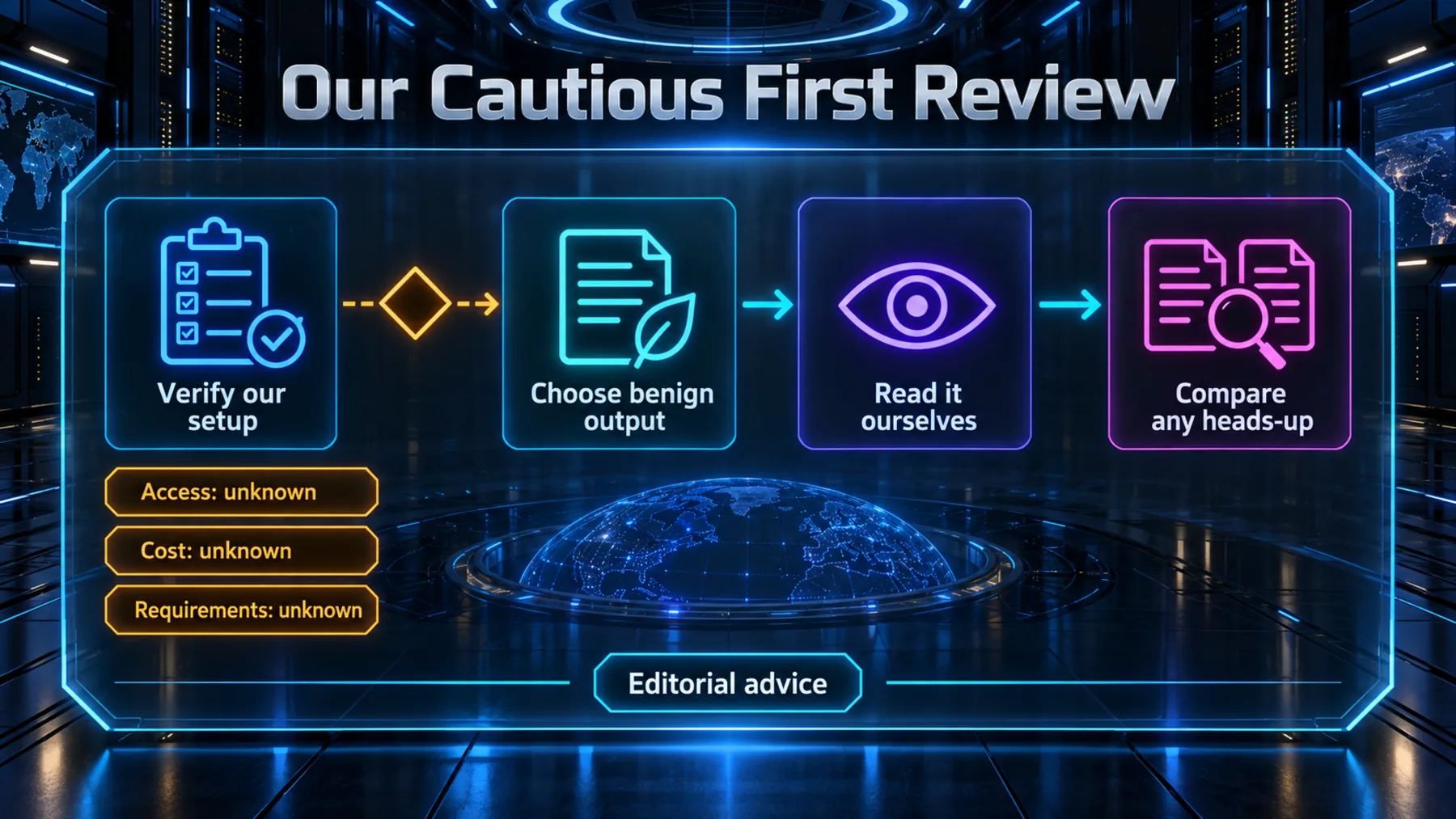
Before trying the plugin, we need to establish whether our Claude Code setup is eligible, which version is required and what it costs. None of those answers is supplied by this announcement, so the enable command alone is not enough to settle them.
If access is confirmed, a sensible first look would use a benign task, such as revising a local draft. We can read the output ourselves, note any consequential details and compare our reading with any plugin heads-up. A missed detail or an irrelevant alert would be something to investigate, not a performance score. There is no reason to involve live payments.
A Heads-Up Is a Cue to Think
The value would be in bringing a consequential detail back into view.
You should Know is interesting because its stated purpose addresses a familiar temptation: accepting the tidy summary and moving on. The demo's payment warning shows the kind of question that can get lost between completing a task and deciding whether its consequences are acceptable.
That gives us a modest way to explore the idea without assuming the plugin works as hoped. The fictional exercise below asks Claude Code to review a harmless editing summary. It is a practice review, not a substitute for trying the plugin or evidence of its effectiveness.
A useful heads-up brings a consequence into view. We still have to decide what to do about it.
Altior · editorial takeaway
Try a harmless output review
Review the fictional Claude Code output below. This is a writing-only exercise: do not run commands, modify files, install plugins, contact services or make payments. Context: We asked for clearer wording in a local draft of a workshop invitation. The date, venue and booking link should remain unchanged. Fictional task output: 'Updated the invitation heading and shortened the opening paragraph. Removed the sentence saying bookings close on 12 November because it interrupted the flow. Left the workshop date, venue and booking link unchanged. No files were published.' First, identify what the output explicitly reports. Then explain any consequence we should review against the request, quoting the relevant wording. Separate reported facts, reasonable interpretations and things this output cannot establish. Draft a concise heads-up and one question we should answer before accepting the change. Do not assume that the reported changes were actually made. For context, ClaudeDevs says Claude Code's You should Know plugin scans Claude's output for important information we might miss. Do not impersonate the plugin or claim this exercise tests its effectiveness. If we later compare this review with a heads-up from the plugin in an eligible setup, that comparison remains an informal observation, not a benchmark or evidence of safety.Ready to copy
Notice the Detail. Keep the Judgement.
The announcement gives us a reason to pay attention, not a reason to hand over responsibility. Our next step is to check the current access, pricing and requirements before deciding whether to try You should Know in a benign setting.
Try the promptQuestions still open
- Access and plan eligibility: which Claude Code setups can enable it?
- Pricing: what, if anything, does using it cost?
- Requirements: which versions and configuration are supported?
- Effectiveness: what independent evidence shows which important details it catches or misses?