Can Gemini 3.8 Flash TTS Give a Script More Feeling?
Google AI Studio has introduced two Gemini speech models with an expressive-audio promise. The important question is still waiting for a listen.
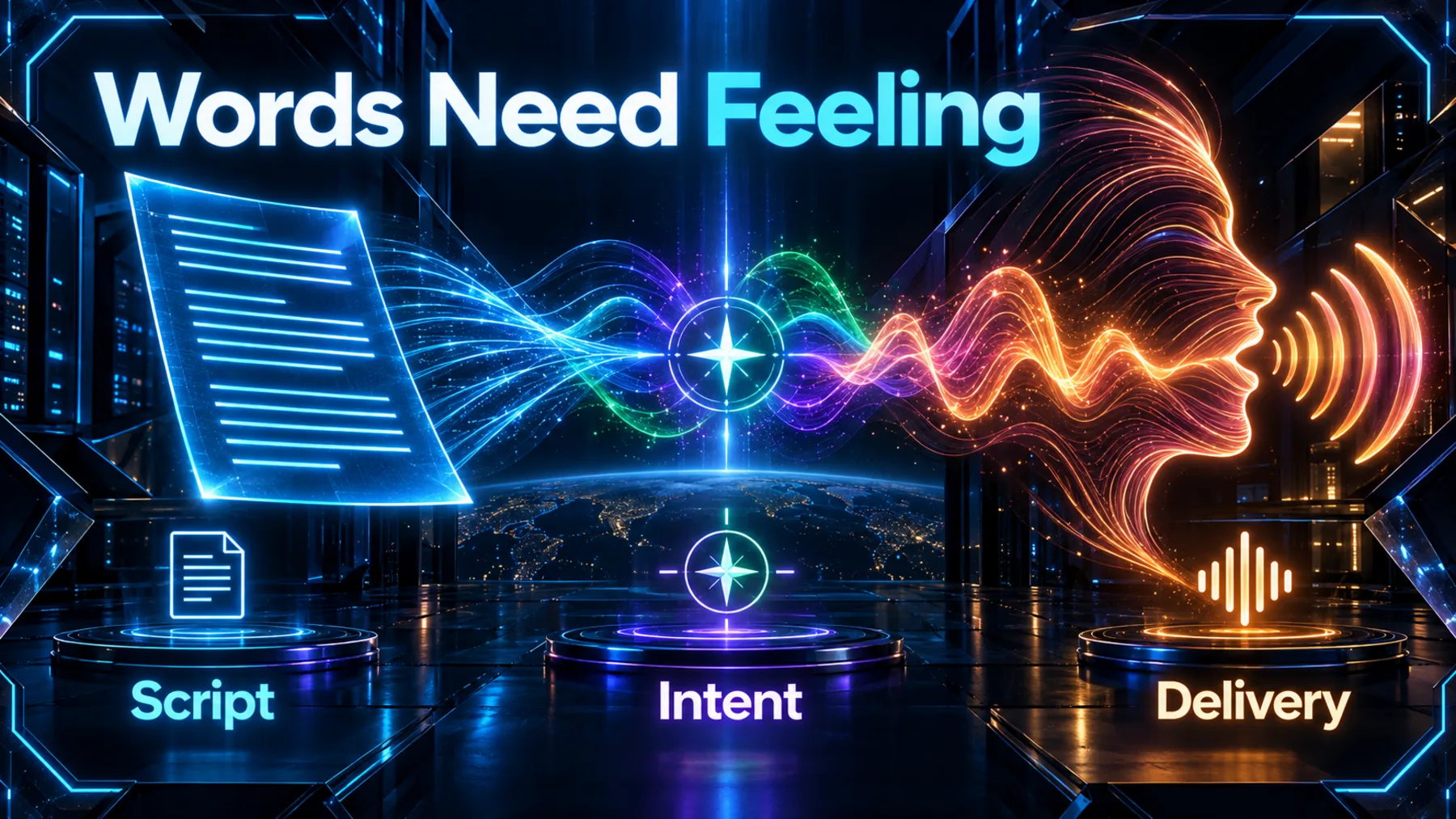
Google AI Studio says Gemini 3.8 Flash TTS and Gemini 3.8 Flash-Lite TTS are its most expressive audio generation models yet. That is an interesting proposition for anyone trying to turn written language into spoken work with a particular mood.
But the supplied announcement gives us the claim, not the listening evidence. We have no audio sample, comparison, benchmark or test result here, so the useful response is curiosity with the conclusion left open.
Words are only part of the delivery
Expression changes how a script is received, yet a claim about richer speech needs more than an appealing description.
The same sentence can sound considered, detached, persuasive or flat depending on how it is spoken. That is why expressive speech generation matters: it is not simply about producing audio, but about whether the intended feeling survives the move from script to voice.
Google AI Studio positions the new models around richer, more expressive audio experiences. We should treat that as the intended benefit, not as proof that either model delivers it better in practice.
Two named models, one expressive claim
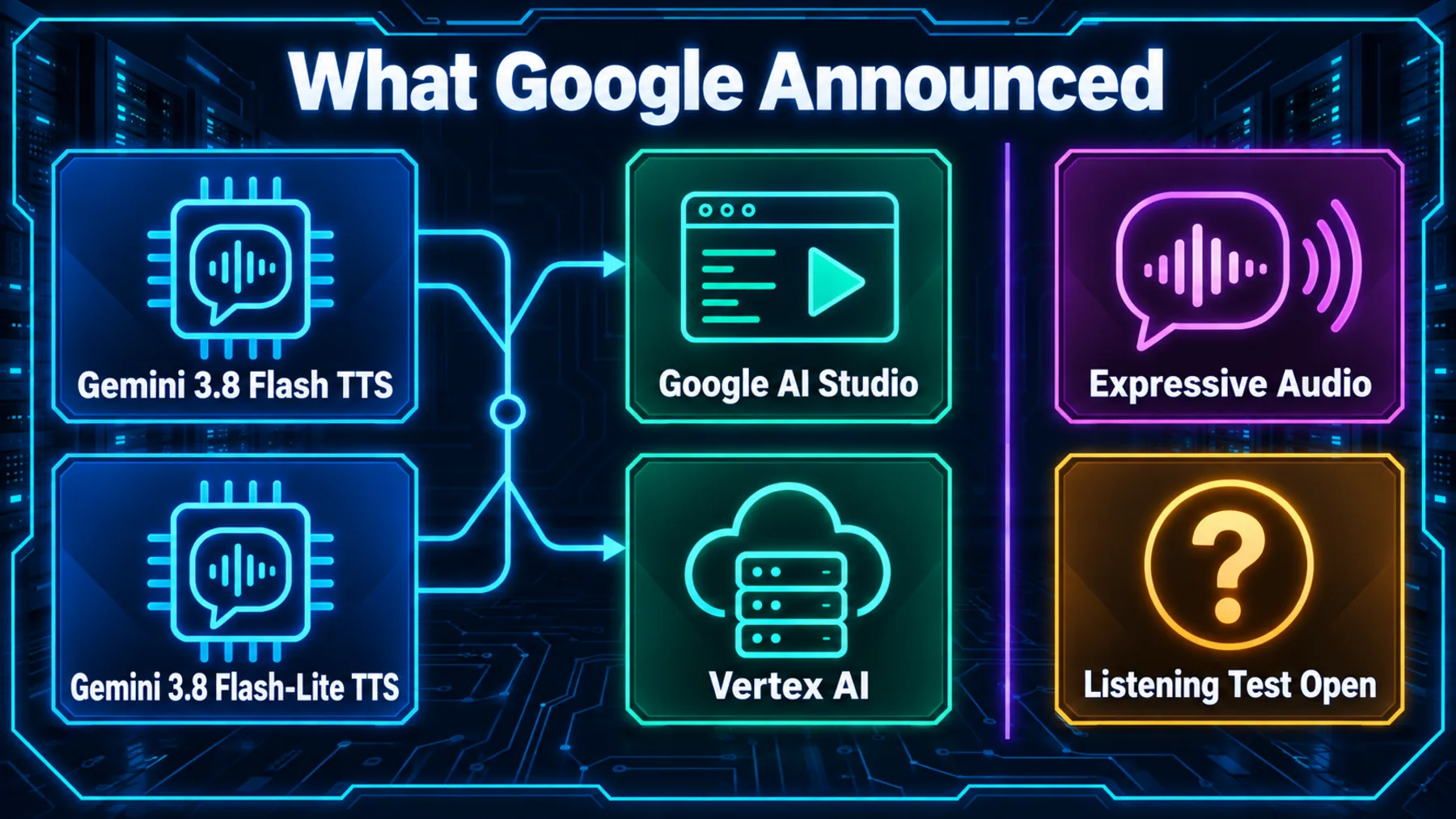
Google AI Studio has named Gemini 3.8 Flash TTS and Gemini 3.8 Flash-Lite TTS; the quality question remains unresolved.
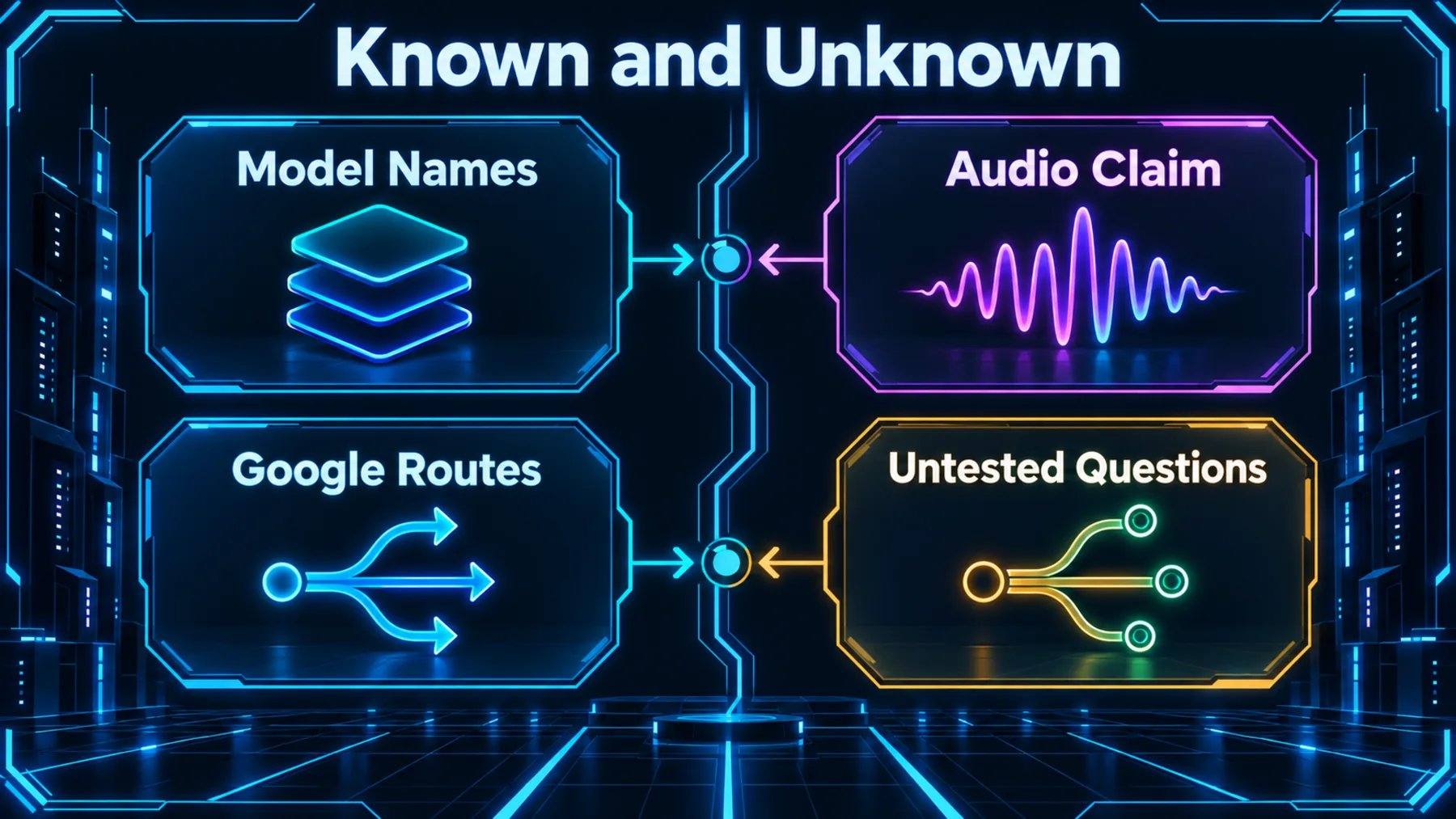
The confirmed facts are narrow. Google AI Studio announced Gemini 3.8 Flash TTS and Gemini 3.8 Flash-Lite TTS, described them as its most expressive audio generation models yet, and pointed to the Gemini API and AI Studio.
What the post does not establish is just as important. It provides no supported basis here for claims about sound quality, relative performance, languages, controls, latency, pricing, regional availability or commercial terms.
What Google actually said
The announcement makes a clear product claim. Its wording is evidence of Google AI Studio’s position, not independent validation.
The source is a Google AI Studio post published on 23 September 2026. Its central language is direct: the company calls the two models its most expressive audio generation models yet.
That attribution matters. Google AI Studio’s statement tells us how it is positioning the release. It does not, on its own, settle how convincing either voice sounds in a real listening session.
“these models enable creators, developers, and enterprises to create richer, more expressive audio experiences”
Google AI Studio
The image is not the sound
The supplied video poster confirms there is a visual attached to the post; it cannot tell us what the audio sounds like.
The approved supplier visual is a still of a person at a laptop. It is useful as a record of the announcement’s attached media, but it is not an audible demonstration and it does not reveal the video’s unseen contents.
That distinction keeps the story honest. A polished poster can support provenance; it cannot substitute for hearing model output or testing whether expression holds across scripts and moods.

Where the promise meets a listen
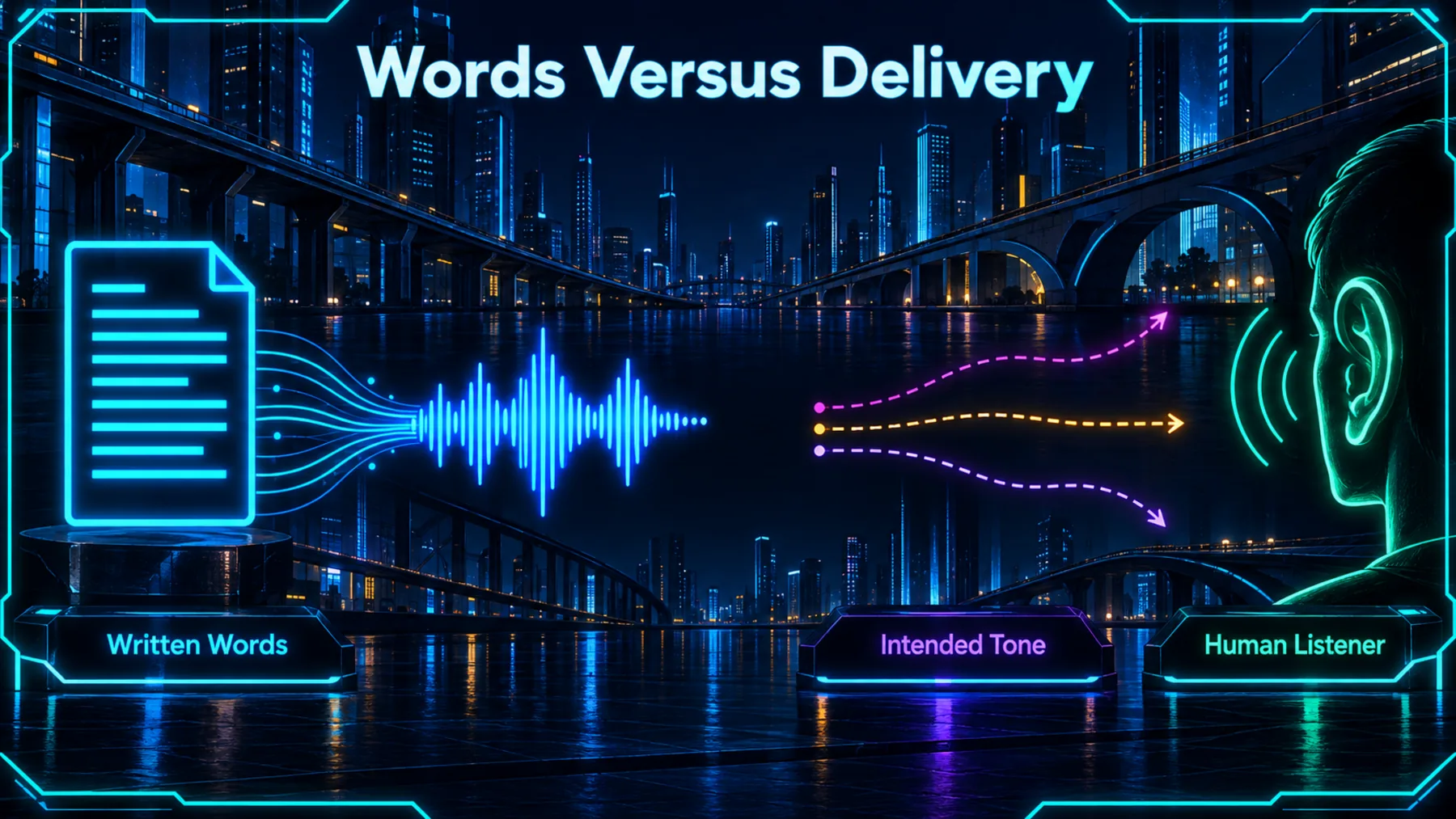
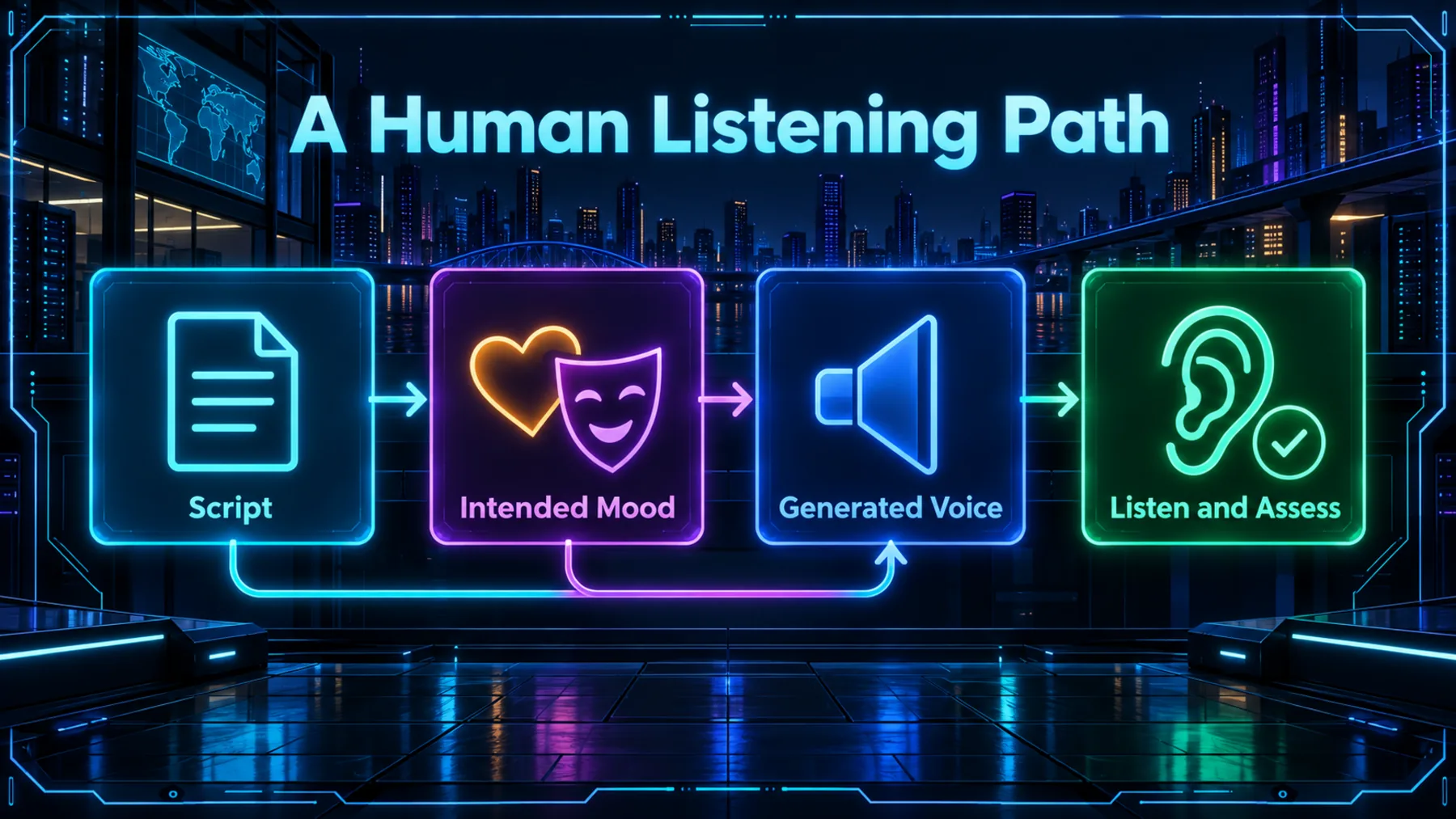
The relevant path is simple: intended mood, generated voice, then a human judgement about whether the delivery carries it.
We do not know the models’ underlying architecture from this announcement, and we do not need to invent one. The practical question sits further downstream: can a generated voice make the intended mood legible without making the script sound unnatural or inconsistent?
That calls for a listening check rather than a technical assumption. Start with the same words, make the intended delivery explicit, then hear whether the result supports the claim.
How we would test the claim
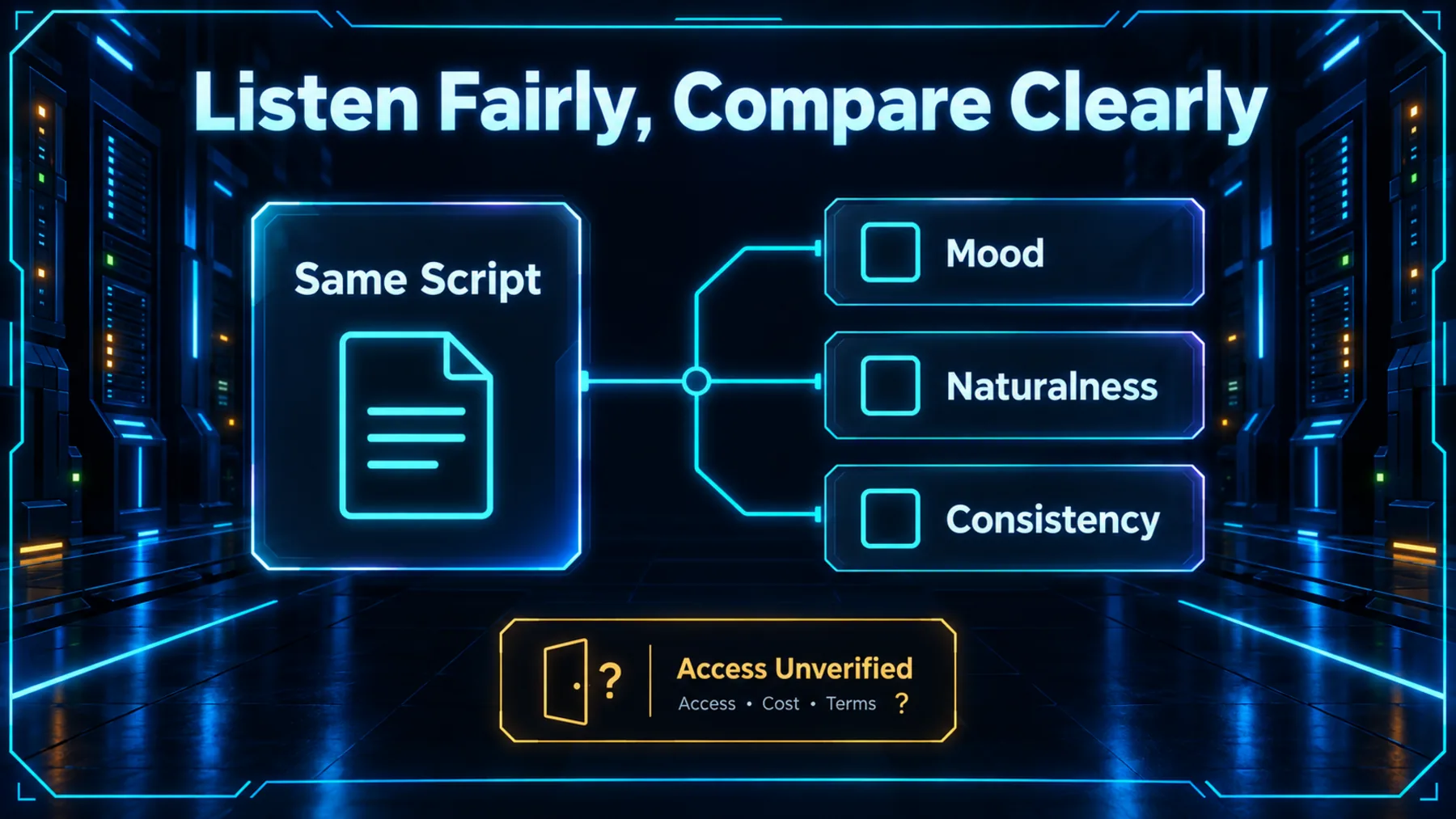
A useful comparison holds the script steady, defines the intended mood, and leaves the result unscored until it is heard.
We would begin with a short script that has room for contrast: reassurance in one version, urgency in another. The wording should remain fixed while the intended delivery changes, so we are testing expression rather than rewriting the material around it.
Then we would listen for mood, naturalness, clarity and consistency across a second generation. No score belongs on the page before that work happens, and Google AI Studio’s invitation to try the models is not evidence here of verified access, cost or terms.
A promise worth testing
Google AI Studio has offered a meaningful expressive-speech proposition. The next useful evidence is not another adjective; it is a careful listen.
The announcement earns attention because it names a real creative friction: a script is not finished when the words are written. If Gemini 3.8 Flash TTS and Gemini 3.8 Flash-Lite TTS can help preserve intended feeling, that would be useful.
For now, the stronger reading is also the more cautious one. Google AI Studio has made the promise; the supplied material does not let us judge the outcome.
The possibility is expressive speech. The evidence still needed is a fair listen.
Altior synthesis from Google AI Studio’s announcement
Same-script expressive speech listening test
Using Gemini 3.8 Flash TTS and Gemini 3.8 Flash-Lite TTS, generate speech from the same short script in two intended moods: calm reassurance and urgent concern. Keep the wording, language, pacing instruction and playback setup consistent. Listen without assuming either result is better. Note whether each version conveys the intended mood, sounds natural, remains clear, and stays consistent across a second generation. Record observations separately for each model; do not convert the result into a performance ranking without a broader test.Ready to copy
Listen before deciding
We should keep the claim proportionate: Google AI Studio has announced two speech models and described an expressive ambition. Whether that ambition changes the work depends on what we hear under a fair, repeatable comparison.
Start with the same script, name the intended mood, and keep the result open until the audio has earned a conclusion.
Try the promptWhat would establish the claim
- Comparable audio outputs from both models using the same script
- A clear intended mood for each version
- Listening notes on naturalness, clarity and consistency
- Repeated generations to test whether the delivery holds
- Terms, access and pricing checked separately from the announcement