Buzz wants identity to travel
Block’s new open-source workspace puts portable, permissioned identities at the centre of how humans and agents work together.
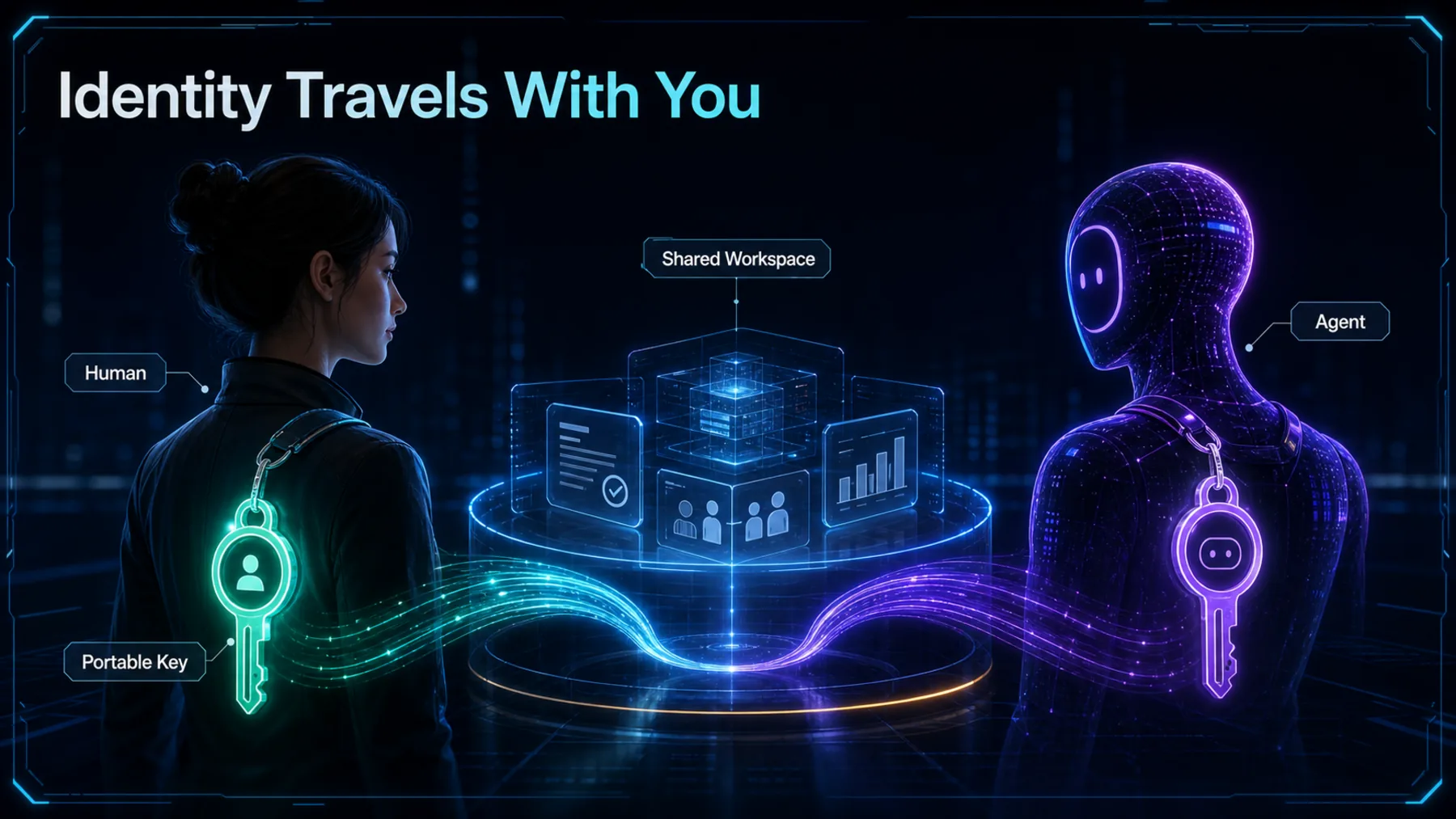
Block says Buzz is a shared project room where people and agents work from the same context. The familiar collaboration features are there, but the sharper idea is that each participant carries a cryptographic identity and defined permissions rather than arriving as an anonymous helper inside one platform.
That changes the question from which chatbot sits in the workspace to who owns identity, context and access when work moves between systems. The available evidence establishes Block’s announcement and vision; it does not independently establish how that model performs in practice.
The workspace owns less
Block’s argument is that identity should belong to the participant, not the collaboration platform.
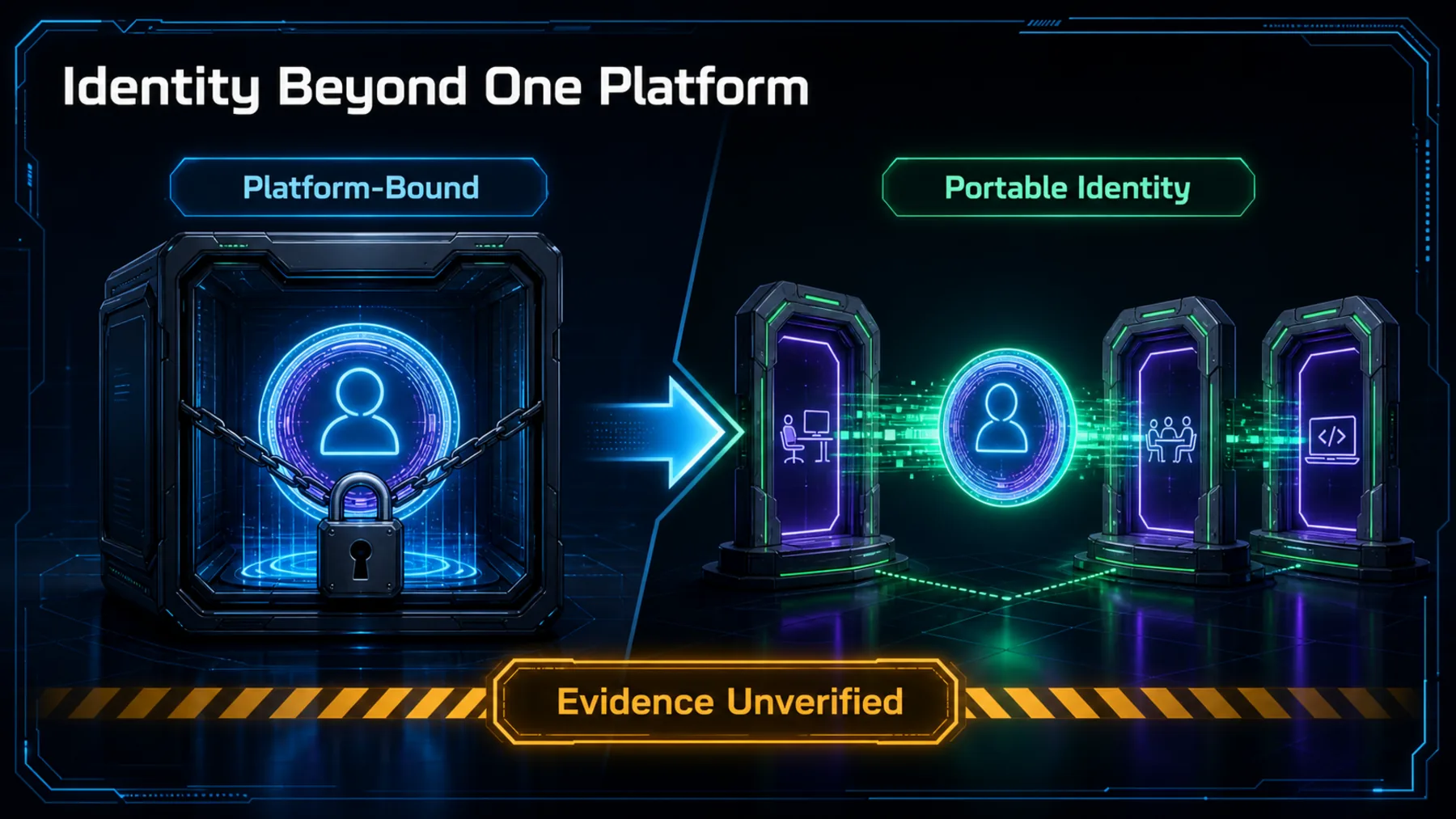
Most AI tools still begin with a platform account, then add an assistant to the room. Block says Buzz reverses that arrangement: humans and agents bring identities into the workspace, with permissions governing what they can do there.
That is the open-workspace case in its simplest form. Block says Buzz uses Nostr to make identity portable, verifiable and independent, but the source pack contains no architecture review or hands-on validation of those claims.
What Block actually announced
The confirmed facts are clear; the maturity of the product remains an open question.
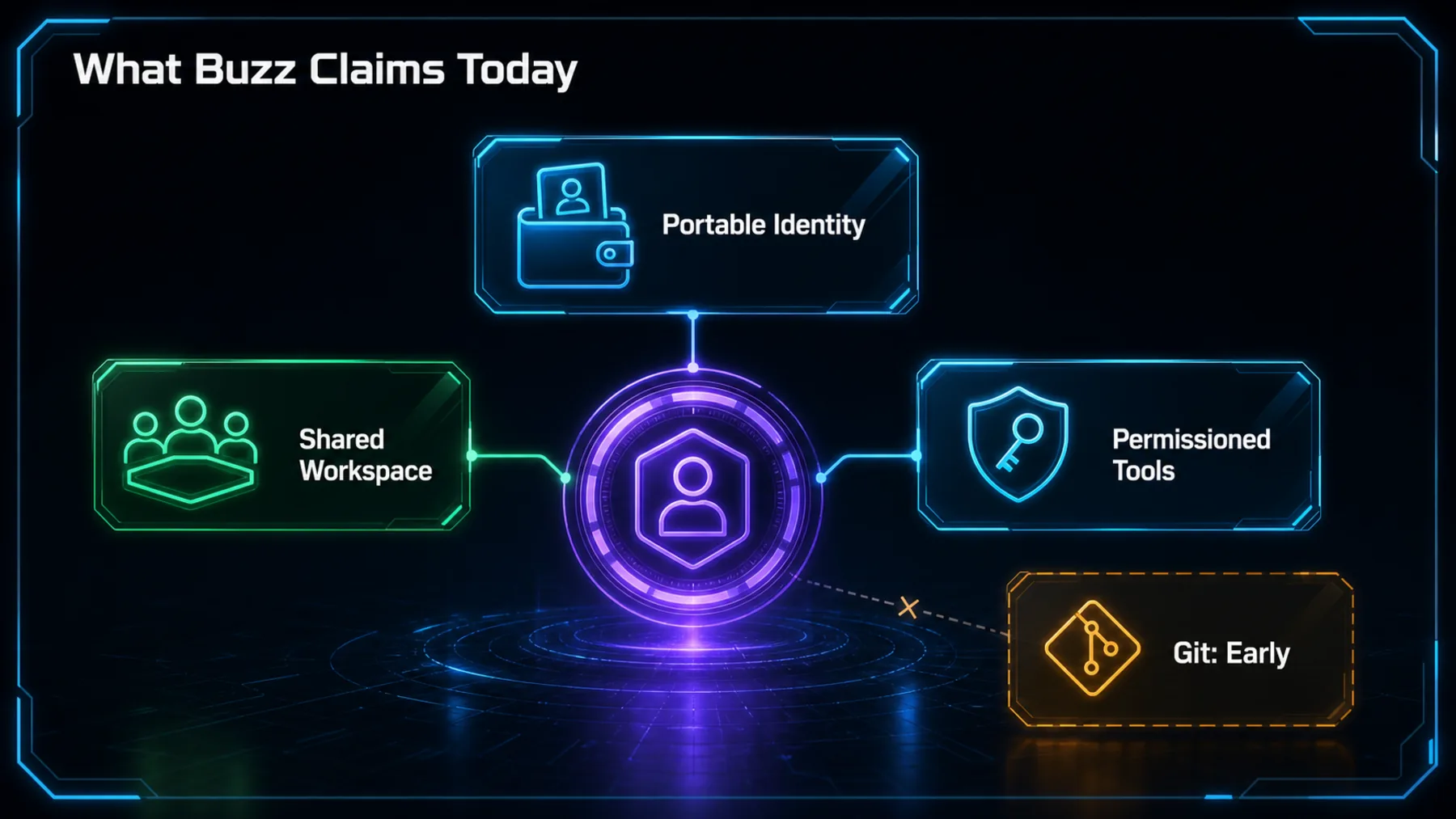
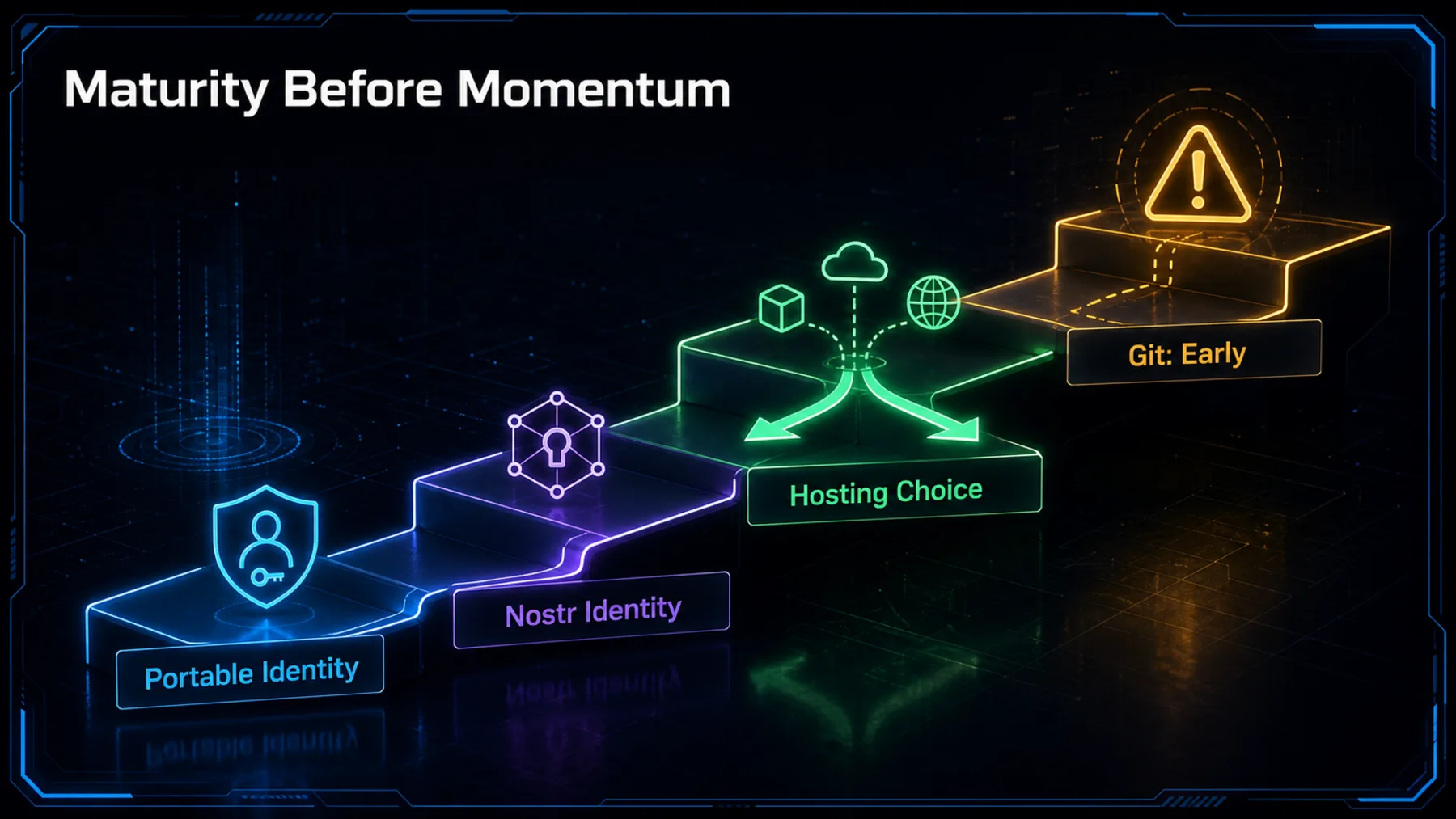
Block announced Buzz on 21 July 2026 as free and open source, and says it is available at buzz.xyz and github.com/block/buzz under Apache-2.0. The launch post describes channels, threads, direct messages, voice, media sharing, code repositories and automated workflows.
It also presents Buzz as model- and agent-agnostic, naming Claude Code, Codex and goose as examples. Those are Block’s stated capabilities, not independently tested integrations. The same source is explicit about one limit: Git integration is still early.
A room for humans and agents
Block frames the choice as an open shared workplace rather than another closed platform.
The strongest part of the announcement is not a feature checklist. It is Block’s claim that mixed human-and-agent work needs a shared place where context, conversations and approved actions can accumulate without locking identity into a single vendor account.
That is a coherent direction for teams already managing several agents. It remains a direction, however: one Block announcement cannot show whether the resulting workspace is secure, interoperable, polished or widely adopted.
“The most productive work doesn't happen when someone asks AI for help. It happens when humans and agents are in the same room, working on the same thing, with shared context.”
Block, “Introducing Buzz: where humans and agents work together”
The proof stops at launch claims
The available material shows what Block announced, not how Buzz performs in a working team.
Block’s post supports a useful distinction. It documents a product announcement and a set of stated product and protocol claims. It does not provide a security audit, implementation detail, service terms, pricing, feature-parity comparison or independent account of day-to-day use.
That matters most where the pitch is strongest. Portable identity, permissions and hosting choice may be important ideas, but the pack does not prove their reliability across systems or under real operational pressure.
How Block says it works
A participant brings an identity key into a shared workspace, where configured permissions shape access.
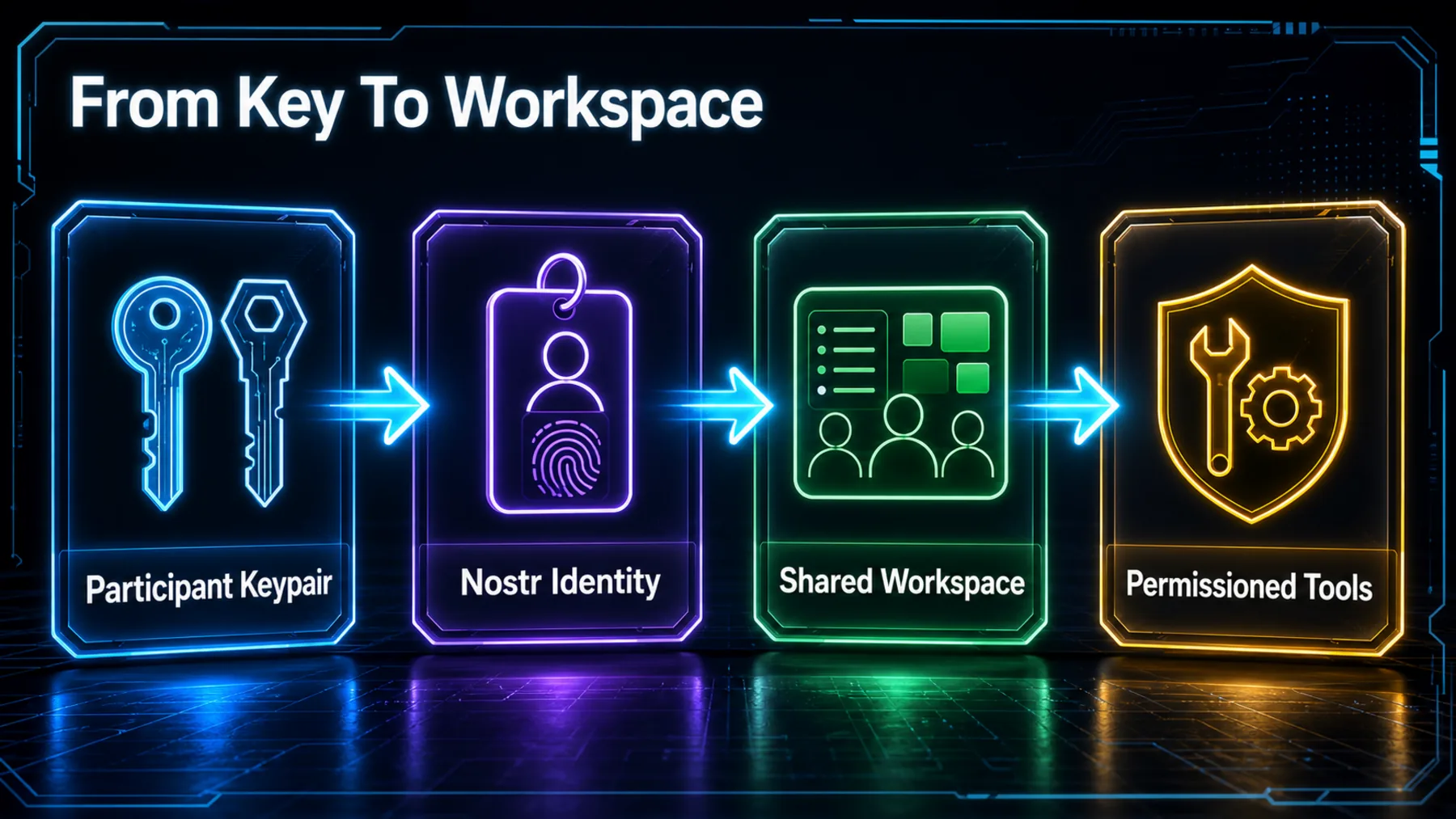
In plain language, Block says each participant has a digital identity key. That key is presented through Nostr, then brought into the shared Buzz workspace alongside people and other agents.
Block says teams can connect sources such as databases, CRMs, codebases and file systems, with access governed by the permissions they configure. The announcement does not document the underlying architecture or verify those controls independently.
What a team would experience
The appeal is a shared context with clearer ownership and permissions; the operating detail is still thin.
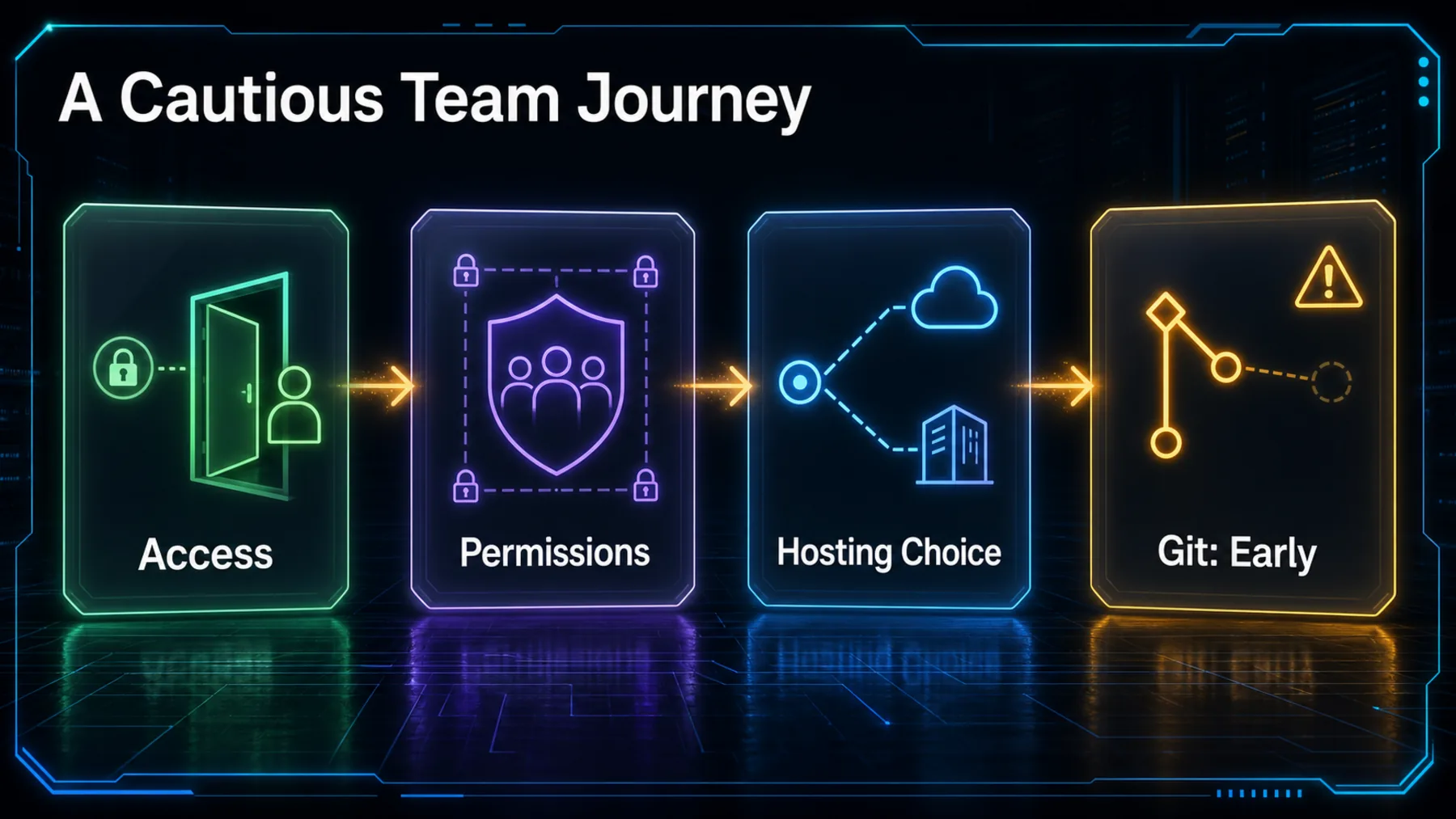
Join
Configure
Choose
If we considered Buzz today, the immediate promise would be one room for people and several agents to share context rather than operate in isolation. Block says the workspace can include conversation, media, repositories and automated workflows.
The decision would still need operational answers that the launch post does not supply: how permissions behave in practice, what hosting entails, whether systems interoperate as claimed and how early Git support affects a team’s workflow.
The product is only half the bet
Buzz matters most as Block’s proposal for an open workplace layer, not as a finished verdict on the category.
The intriguing claim is not that agents can join a workspace. It is that their identity and permissions should not be owned by it.
Altior synthesis of Block’s published announcement
The product is only half the bet because Block is arguing for a different ownership model. Its launch post presents an open, self-hostable, model- and agent-agnostic workspace where identity is intended to travel with the participant.
That proposition deserves attention without being mistaken for proof. Security, interoperability, adoption, hosted-service terms and product maturity are precisely the questions that will determine whether the idea becomes a dependable workplace rather than a persuasive launch note.
Test the Buzz proposition
Act as a cautious operations lead. Assess Block’s announced Buzz proposition using only these facts: Block says Buzz is free, open source, Apache-2.0 licensed, built on Nostr, and intended for shared human-and-agent work with cryptographic identities and configured permissions. Produce a three-column table: announced claim, evidence needed before adoption, and a practical test. Treat security, interoperability, hosted-service terms, adoption and product maturity as unverified; note that Git integration is still early.Ready to copy
Watch the proof arrive
Keep the announcement in view, but judge Buzz by the evidence that follows: working integrations, clear hosting terms, independent security scrutiny and the maturity of its Git path.
Try the promptWhat could change the story
- Security evidence
- Interoperability in practice
- Hosted-service terms
- Git maturity